
BHP is one of the largest mining companies in the world, and is based in SW Australia. Their website tells of the over supplied world market of uranium:
https://www.bhp.com/news/prospects/2017/11/uranium-a-tale-of-two-tails
Prices began to fall when anti-nuclear reactor sentiment was on the rise. Countries like Germany closed their reactors and built wind farms and used other technologies to generate electricity.
The global uranium (U308) market was around 73Kt in 2016.1 More than half that demand came from the Americas and eastern and western Europe combined. China was next with around one-seventh of global demand. The average age of the 129 reactor units in the Americas fleet is 37 years; western Europe’s 134 units are slightly younger (e.g. France 31 years, UK 33 years); and eastern Europe’s 52 units are slightly younger again at 28 years.2 China’s 33 units, by contrast, are 7 years old on average, while India’s 22 units are a more mature 21 years.
The fleet ages above indicate the traditional consumers of uranium are likely to face ‘extend or decommission’ decisions in scale within the next decade.
…… economics look quite competitive in China, however, and that is where we estimate the most notable growth in nuclear capacity emerging. Nuclear is in middle of the LCOE pack in India right now, but it could be eclipsed by solar and then wind over the course of the 2020s, and it never catches coal.
The clear inference is that the challenge of greening the world’s energy appetite and moving towards a more favourable long run climate outcome cannot exclude how we generate the planet’s electricity. Nuclear generation is a well-established technology that can provide affordable life-of-asset base load power in a carbon conscious fashion. That is not to say that EVs and uranium are intrinsically linked: merely that from a climatic perspective, a prima facie carbon saving (moving to EVs) is only realised if the power they use is greener than the internal combustion method being displaced
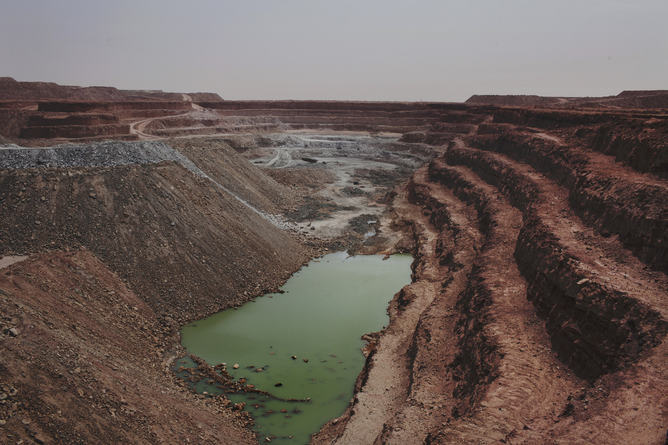
Niger, Africa, is the 7th largest uranium mining area, uranium found in the Tamgak mountain.
And the third and one of the newest (2016) uranium mines is in Namibia, Africa:
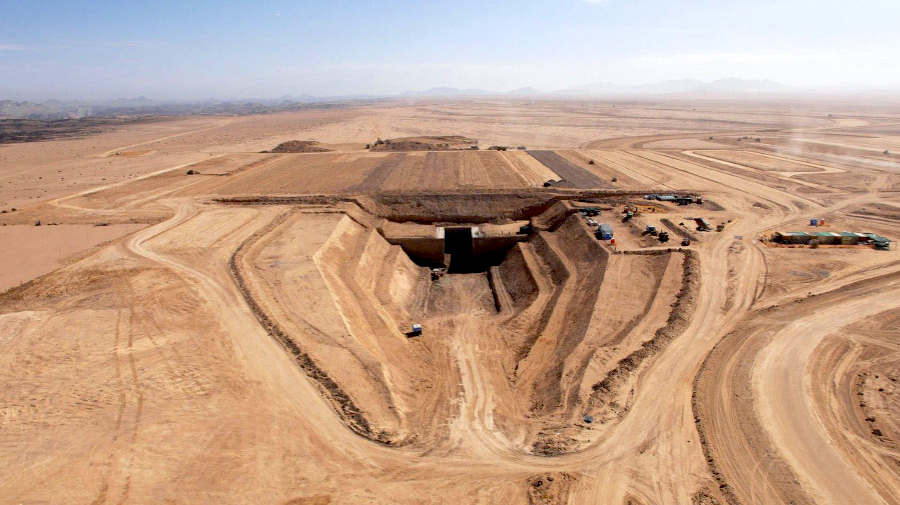
The $2-billion Husab project, a joint venture between China General Nuclear Power Holding Corp (CGNPC) and local miner Swakop Uranium, is expected to produce up to 15-million pounds of uranium a year.
Russia is gradually acquiring sources of uranium as it leads the world in conversion and enrichment to create rods for nuclear reactors.
Tanzania, Africa has a uranium mine run by Uranium1 (TENEX Group of Rosatom State Corporation).
https://www.uranium1.com/about-us/
Also there have been concerns ever since mining began in 2012:
http://www.cevreadaleti.org/conflict/mkuju-river-uranium-mine-tanzania

 borderslynn
You must be logged in to post a comment.