
Uranium is obtained by in-situ drilling, usually into aquifers where uranium is found.
The type of mine in question uses in situ leach technology (ISL), also known as in situ reach (ISR), the most common form of uranium extraction. It involves drilling holes into the earth to reach the mineral deposit. A chemical solution is pumped underground, often into the aquifer, to dissolve the uranium deposit. This solution is then pumped back to the surface with the mineral in tow for processing.
https://www.theguardian.com/environment/2021/oct/27/human-rights-group-uranium-contamination-navajo-nation
I have written in earlier blogs about there being a scarcity of freshwater in the whole world. It is therefore highly precious and supply is not expanding.
Namibia and Kazakhstan, the world’s top producer.2 Most uranium mining in Kazakhstan, and many other places, is now done through “in situ recovery”: instead of removing ore from the ground and treating it, miners use a chemical solution to dissolve the uranium-containing material and transport it to the surface in liquid form, where the uranium-containing minerals can be recovered. “It reduces hazards associated with digging and mining, but groundwater contamination is a concern,” Wainwright says.
https://climate.mit.edu/ask-mit/what-are-health-and-environmental-impacts-mining-and-enriching-uranium

The last thing we need is drills going down into vital aquifers to grab uranium. It is suicidal for all living things to do so. We already have many human activities contaminating the aquifers.
Of all environmental ills, contaminated drinking water the most devastating in its consequences. Each year 10 million deaths are directly attributable to waterborne intestinal diseases. One-third of humanity labours in a perpetual state of illness or debility as a result of impure water; another third is threatened by the release into water of chemical substances whose long-term effects are unknown.
http://encyclopedia.uia.org/en/problem/135192
Nuclear waste disposal is a problem, though we are constantly reassured it is not. Certainly, great efforts are made to make the problem go away.
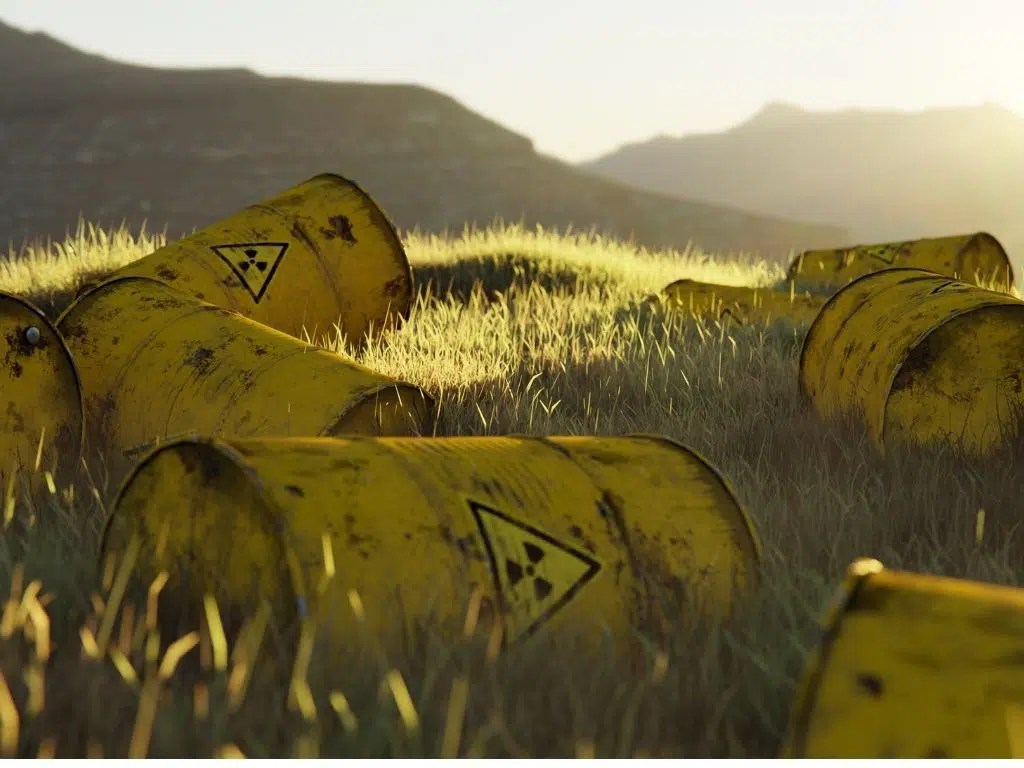
Regardless of the source, this hazardous waste contains highly poisonous chemicals like plutonium and uranium pellets. These extremely toxic materials remain highly radioactive for tens of thousands of years, posing a threat to agricultural land, fishing waters, freshwater sources, and humans.
https://earth.org/nuclear-waste-disposal
A further extract from earth.org:
Since the 1950s, when early commercial nuclear power stations started operating, more than 250,000 tonnes of highly toxic nuclear waste have been accumulated and spread across 14 countries worldwide. In most cases, the highly radioactive material is collected and stored in inactive nuclear power plants.
https://earth.org/nuclear-waste-disposal
And the cost of maintaining safety?
quantity of untreated nuclear waste on the planet is currently stored in the Sellafield plant in the UK. Yet, the maintenance of these sites can be extremely costly and it requires a large amount of manpower. Despite having shut down in 2003, more than 100,000 employees are involved in ongoing cleanup and nuclear-decommissioning activities at Sellafield that are expected to last more than a century and will cost the government a staggering USD$118 billion.
https://earth.org/nuclear-waste-disposal
It has taken until 2023 for Finland to be at the final stages of a revolutionary new method of radioactive waste disposal, but that cannot be retrospectively applied to British power plants.
Now, Finland is close to completing the world’s first long-term nuclear waste disposal site, which is expected to be operational in 2023.
https://earth.org/nuclear-waste-disposal

 borderslynn
You must be logged in to post a comment.