
About 90% of the world’s commodities and goods are transported by sea through the shipping industry.
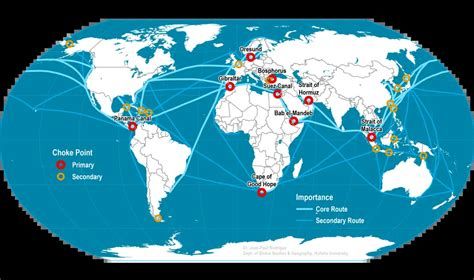
Supplementary regulations and current international law that stipulates that any maritime vessel carrying paying passengers or cargo must be registered to a country. About 40 percent of the world’s seagoing fleet by deadweight tonnage belongs either to Panama, Liberia or the Marshall Islands .It’s not that these nations are industrial powerhouses or offer exceptional services, instead they provide sophisticated ways to avoid taxes and regulations, a practice known as the flag of convenience. Ship owners must comply with a long list of legal codes such as regulations on labor taxation, environment safety etc. The terms of the rules depend entirely on the country to which the vessel belongs to. That flag state is then obligated to inspect the ship and issue licenses to the vessel. Starting in the 1920s, ship owners began registering their vessels abroad for a reduced fee. This allows the owner to avoid taxation and labor laws back home. With reduced legal obligations shipping became even more profitable. Early on in this scheme the Republic of Liberia stayed out as it offered one of the most accessible ways of registration: not requiring any nationality or residency.
Read more at:
https://www.maritimestudyforum.org/the-flag-of-convenience-a-case-study-of-liberias-shipping-industry/
For a list of countries offering ship open registration with minimum exposure to international regulation see:
https://windward.ai/glossary/flag-of-convenience
Some open registries allow shipowners to remain legally anonymous. This makes it difficult to take civil or criminal legal action against shipowners.
Whenever attempts to regulate any industry start to bite on the corporate finances, loopholes will be sought. Many billionaires are made through shipping goods around the world using exploited and abused crews; poor quality, aging ships; no insurance and taxes avoided.
If a country has been sanctioned it can escape being excluded from trading by using the flag of convenience for registration. Iran was the first country to succeed in this method for exporting its oil. Many sanctioned countries followed suit. A ship can then avoid monitoring and checks on seaworthiness.
An uninsured ship on the high seas is a great risk to the environment.
See list of shipwrecks with insurance:
https://www.lloyds.com/about-lloyds/history/catastophes-and-claims/shipwrecks/
As of December 2021, the top three ship registries in the world were:
- Panama – 8,558 registered vessels
- Marshall Islands – 5,158 registered vessels (Feb 2022)
- Liberia – 5,000+ registered vessels
The Liberian registry is currently operated out of Virginia, United States.
Flags of convenience are also used to hide criminal activities. Smugglers take advantage of low oversight to traffic drugs, facilitate human trafficking, and engage in illegal, unreported, and unregulated (IUU) fishing. This makes it more difficult for organizations to understand the true risk of vessels flying flags of convenience.
Insurance pays for recovery of environmental disasters such as the infamous oil spill of the Exxon Valdez which happened over two decades ago:

When false certification takes place then no disaster recovery will be covered should the worst happen.
The countries that are on the list above offering flags of convenience have low GDP and the population do not benefit from the millions of dollars the elite extract from the shipping profits made by operating flags of convenience.
There is no international maritime arrangement to curtail these illegal practices.

 borderslynn
You must be logged in to post a comment.