So many journalists have been murdered since the Mexican government acquired the NSO malware, Pegasus.
From The Daily Beast
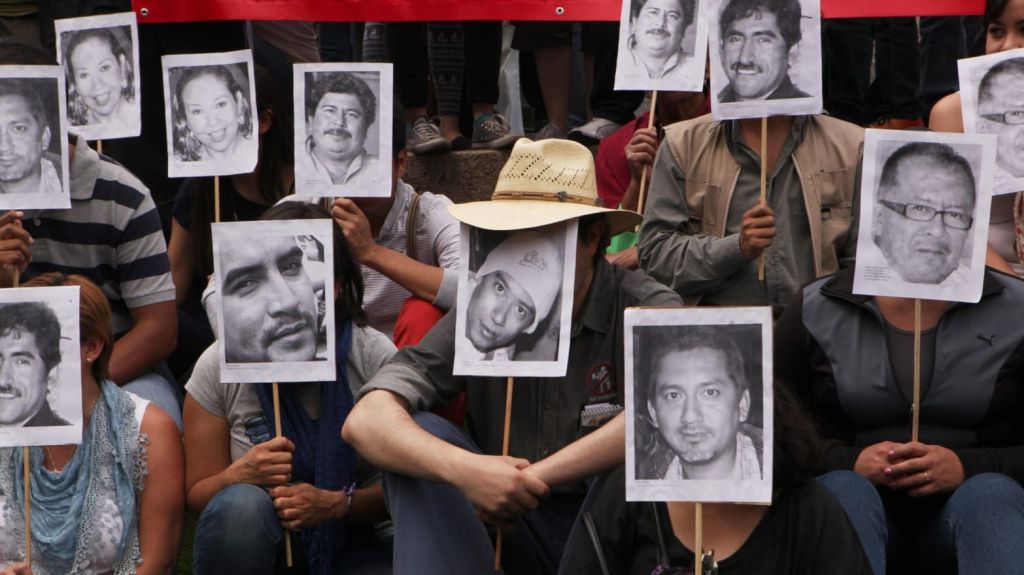
We were essentially picking up reporting threads left unfinished by a handful of brave Mexican journalists who had been killed, most likely by assassins from the local drug cartels whose violent and criminal activities the reporters had been investigating. Outside of active war zones, Mexico was and remains to this day the most dangerous place in the world to be a journalist committed to telling the truth about bad guys. More than 120 journalists and media staffers had been killed in Mexico in the first two decades of the twenty-first century. Another score or so had simply disappeared without a trace.
‘Pegasus’ by Laurent Richard, Sandrine Rigaud.
UNESCO.org have maintained a list of all journalists killed globally since 1993.
Mexico’s constitution of 1917 established economic and political principles for the country, including the role of its president. The president today is popularly elected to a single six-year term and has the power to select a cabinet, the attorney general, diplomats, high-ranking military officers, and Supreme Court justices (who serve life terms). The president also has the right to issue reglamentos (executive decrees) that have the effect of law. This is a chronologically ordered list of the presidents, from the earliest to the most recent.
Since Mexico launched a war on the cartels in 2006, the United States has provided it with billions of dollars in security and counternarcotics assistance.
Felipe Calderon was President at that time. His government were enthusiastic about Pegasus.
The following quote gives a flavour of the misery endured by the population during Calderon’s time in power:
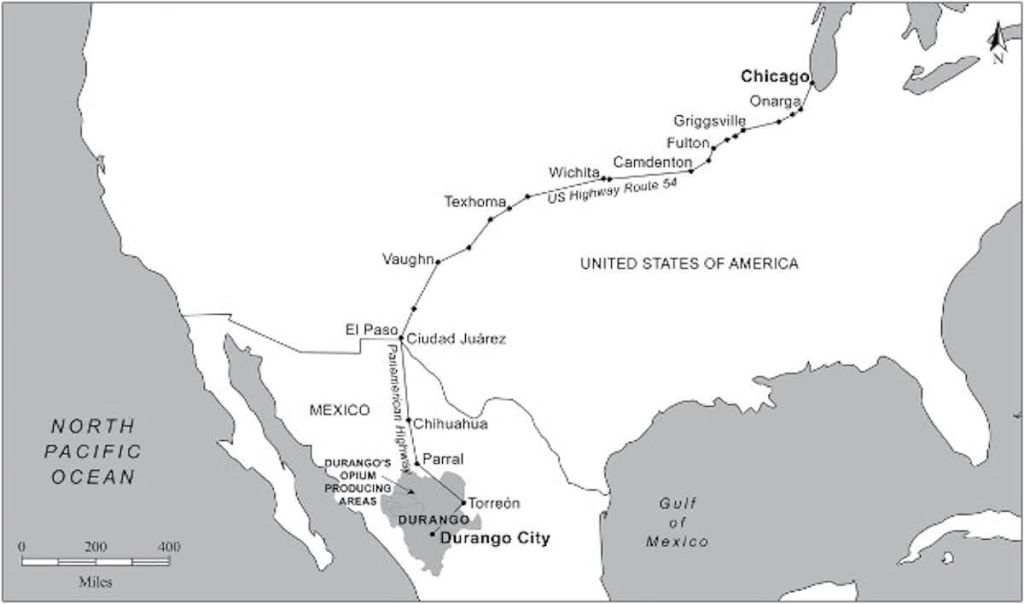
This macabre, barbaric execution, in November 2008, took the number of murders in the anarchic city of two million people to about 1,300 that year. The toll would cap 1,700 before the end of December. The national figure of those killed across Mexico reached over 5,400 in 2008. In 2009, despite successive waves of military re-enforcements and a promise by Mayor José Reyes Ferriz on 1 January that Juárez ‘cannot have another year like that’ the toll was even higher: 2,657 people murdered, making Ciudad Juárez the world’s most murderous city, with 192 homicides per 100,000 citizens. The total of those murdered across Mexico in 2009 reached 7,724.1 This means that by the end of that year, more than 16,000 people had been killed since Mexican president Felipe Calderón launched a military offensive against the cartels in December 2006, with many of the victims mutilated, like this man, horribly and carefully, then exhibited to convey some message or threat. By summer 2010, the total killed since December 2006 had exceeded 24,000. The killing is everywhere across Mexico, but concentrated along the border with the USA – 2,100 miles long, the busiest border in the world and a place that belongs to both countries, and yet to neither. Ciudad Juárez lives cheek by jowl with the United States and its ‘twin city’ El Paso, on the other side of the frontier. Sometimes the proximity is surreal: from the campus of the University of Texas in El Paso, one sees, in the foreground, the diligent enjoyment of life – students strolling to and fro. Across mid-distance, less than half a mile away, runs the border in two forms: an articulately harsh wall decorated with barbed wire and the trickle of the Rio Grande. And beyond the boundary, one of the poorest barrios – or colonias as they are called here – in Mexico: a bleached, ramshackle shanty town called Anapra, thrown up out of wood and corrugated iron on the edge of a burgeoning city. The desert dirt and dust on which Anapra is built are criss-crossed by outlaw electricity supply cables to the barrio huts. El Paso and Juárez form the heart of, and midway point along, this singular strip of land conjoining two countries. The borderland is a place of paradox: of opportunity and poverty, promise and despair, love and violence, beauty and fear, sex and church, sweat and family. Even the frontier itself is a dichotomy, simultaneously porous and harsh. The US border patrol recognises the contradiction in its recruiting billboard on Interstate 19 north of Nogales, Arizona, advertising ‘A Career in Borders, But No Boundaries’. The frontier itself can be brutal. In 1994, the United States initiated ‘Operation Gatekeeper’ in San Diego, ‘Operation Hold the Line’…
US President during the time of Calderon was Republican President George Bush from 2001 to 2009, followed by Democrat Barak Obama. Pegasus was launched 2010.
On 2 March 2017, Cecilio Pineda Birto made a broadcast about alleged corruption. Hours later he was dead….
Another courageous journalist, Cecilio Pineda Birto, had been killed because of his quality reporting on drug cartels, how they kidnapped locals and ransomed them for cash. The deployment of NSO spyware infecting his phone tracked him down.
The global story is encapsulated in the dire situation in Mexico, it is Exhibit A of
What happens when spyware like Pegasus flies wild, for years, without necessary safeguards in place…..that a private company in Mexico was using Pegasus to perform unwarranted surveillance on people who were neither criminal nor criminal suspects.
Retired, living in the Scottish Borders after living most of my life in cities in England. I can now indulge my interest in all aspects of living close to nature in a wild landscape. I live on what was once the Iapetus Ocean which took millions of years to travel from the Southern Hemisphere to here in the Northern Hemisphere. That set me thinking and questioning and seeking answers.
In 1998 I co-wrote Millennium Countdown (US)/ A Business Guide to the Year 2000 (UK) see https://www.abebooks.co.uk/products/isbn/9780749427917


 borderslynn
You must be logged in to post a comment.