
Why must we be blinkered humans, stumbling through with trial and error, rarely learning from our mistakes?
We complain that we have over 7 billion people on the planet and that we don’t have enough to feed and shelter us all. Yet we have only begun to increase our populations exponentially since the Industrial Revolution which gave us tools to pollute and destroy our environment.
Take a recently reported travesty of human activity where knee-jerk problem solving caused consequential extinction of one of our most valued birds, the Vulture. Without these great scavengers feeding on dead livestock and waste matter we humans are exposed to bacterial dangers causing us to catch life threatening disease.
I read of this example here:
The Vulture
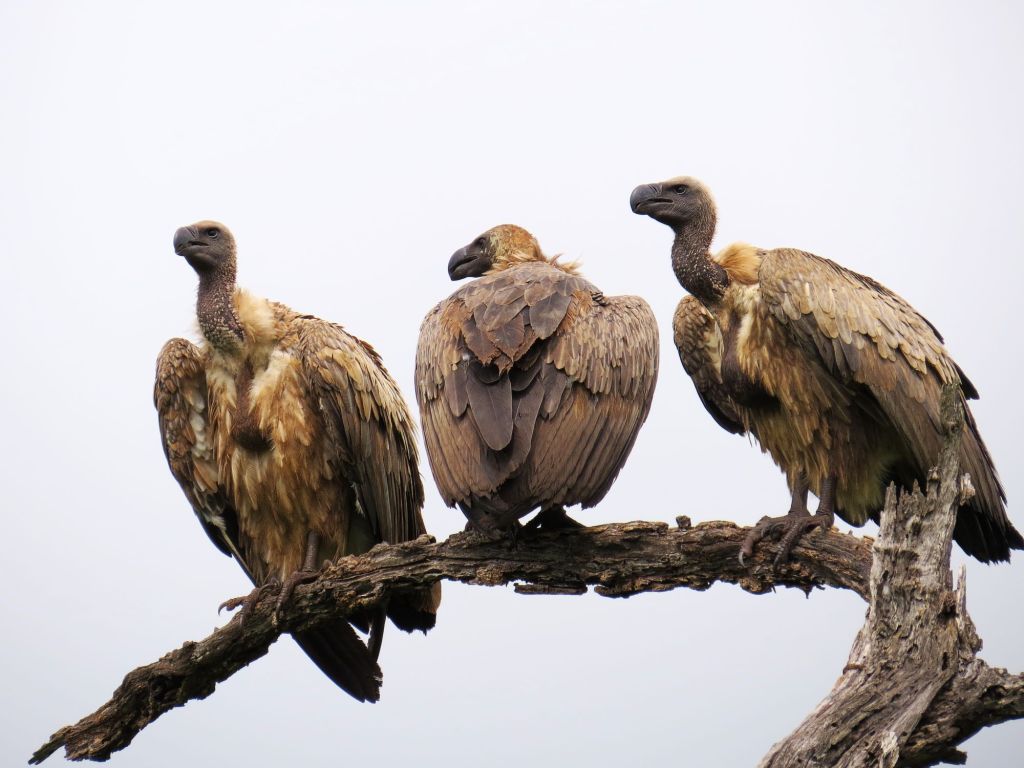
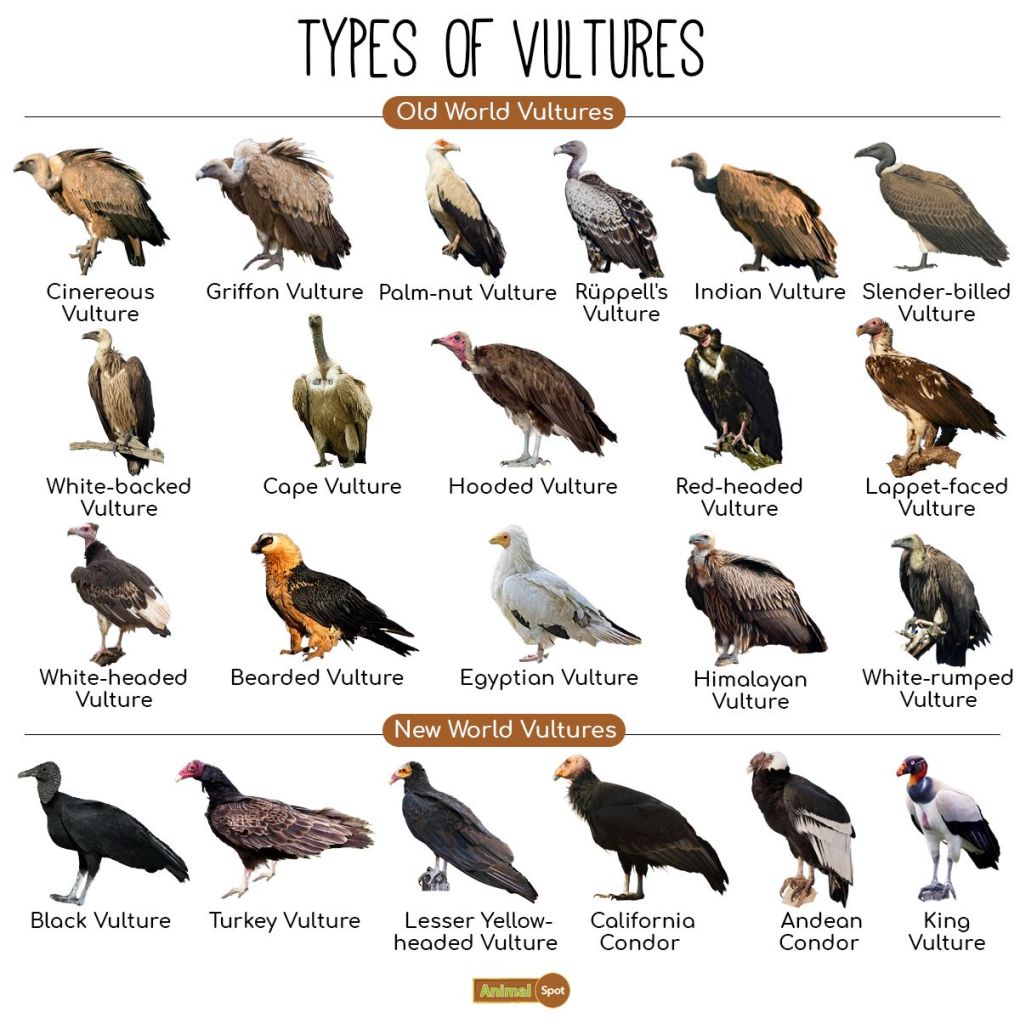
There are a variety of these birds around many parts of the world:
They have played a beneficial role in the ecosystem by consuming carcasses and rotting flesh, keeping the disease transmission rate low. Some parts of the world, especially Asia, allow carcasses of domestic animals to be disposed of by these birds.
I have written a whole blog about the Condor:
https://borderslynn.com/2019/02/12/the-sacred-condor
These vultures are a vital part of our ecosystem. We humans tend to think in small step solutions and rarely consider adverse reactions down the road.
So, as the Science Direct article reveals, in Sudarshan, India the population of vultures dropped to near extinction and researchers tried to find out why. They explained this near extinction occurred in the 1990s:
The near-extinction of the birds across India in the 1990s led to the spread of disease-carrying pathogens from an excess of dead animals, killing more than a half-million people from 2000 to 2005.
Half a million people died as the Vulture population was unable to clean up excess dead animals! The answer was in front of them; people passively watched the rotting carcasses were not getting eaten by the vultures, a sight which had been common and reassuring. Why had the vultures disappeared?
The financial cost then raised important questions.
the monetary damage from the related public health crisis at nearly $70 billion a year.
And the researcher was a young boy when he saw the death toll growing and he grew up to gain the skills to do the research and found the suspected cause:
In 1994, farmers began giving a drug called diclofenac to cattle and other livestock for pain, inflammation, and other conditions. But it was poisonous to the vultures that fed on these animals, destroying their kidneys. In just a decade, Indian vulture populations fell dramatically, from 50 million individuals to just a couple thousand.
This research is one example of how we humans develop pharmaceuticals (another industrialised threat tied to industrialised farming) to treat livestock and do not consider the interplay with our ecosystem.

 borderslynn
You must be logged in to post a comment.