Gold and oil are the two most important commodities in the world. Tracking the gold/oil ratio is like watching the tug-of-war between Wall Street and Main Street.
The gold/oil ratio does much more than just compare commodity prices. It reflects how the market values the world’s top monetary asset (gold) versus the world’s top productive asset (oil).
When the economy hits a turning point, the gold/oil ratio rises. When the economy stabilizes and productive output becomes predictable, the gold/oil ratio falls.
The gold-to-oil ratio currently stands at 39.6 barrels per ounce, a historically extreme level that underscores significant market imbalances of Gold being high relative to oil. The ratio has typically ranged between 10 and 30 in most market conditions, with only a few instances of extreme spikes. The most notable peaks occurred during major economic crises, such as the 2008 financial crash and the 2020 lockdown oil price collapse, when the ratio surged as oil prices plummeted relative to Gold.
The current reading suggests that either oil is significantly undervalued or gold remains highly sought after as a safe-haven asset. This extreme level indicates a continued divergence between the energy and precious metals markets, which could be driven by a combination of weak global energy demand, geopolitical uncertainties, and persistent inflationary pressures. If historical patterns hold, such elevated ratios tend to be temporary, followed by a reversion as oil prices recover or gold stabilizes.
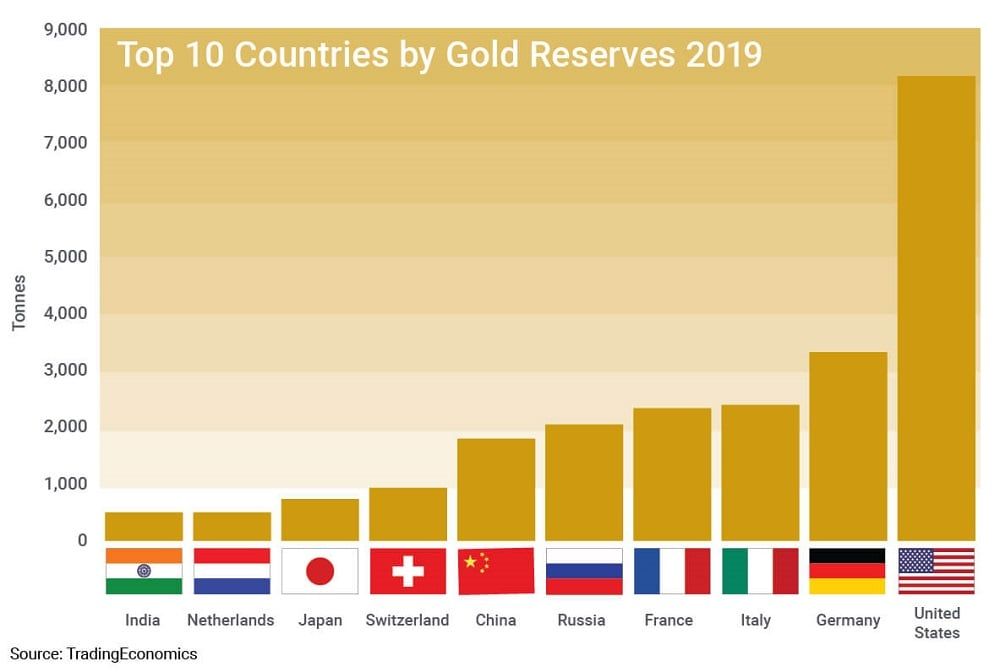
Our gold vaults hold around 400,000 bars of gold, worth over £200 billion. That makes the Bank of England the second largest keeper of gold in the world (the New York Federal Reserve tops the list).
As this video explains, the vaults provide safe-keeping for the country’s gold reserves and for overseas central banks:
Retired, living in the Scottish Borders after living most of my life in cities in England. I can now indulge my interest in all aspects of living close to nature in a wild landscape. I live on what was once the Iapetus Ocean which took millions of years to travel from the Southern Hemisphere to here in the Northern Hemisphere. That set me thinking and questioning and seeking answers.
In 1998 I co-wrote Millennium Countdown (US)/ A Business Guide to the Year 2000 (UK) see https://www.abebooks.co.uk/products/isbn/9780749427917


 borderslynn
You must be logged in to post a comment.