As of June 30, 2025, Amazon employs approximately 1,546,000 people. This number reflects a slight decrease from the previous year, indicating ongoing adjustments in their workforce. stockanalysis.com GeekWire
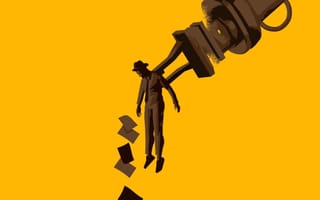
It will now employ 30,000 less:
Exclusive: Amazon targets as many as 30,000 corporate job cuts, sources say
Historical automation of the automotive industry hit employment dramatically:
The automation of car plants in the U.S. began in earnest in the early 1960s, with the introduction of the first industrial robot system, Unimate, at a General Motors assembly line in 1961. This marked the start of significant advancements in robotics and automation within the automotive industry. junair-spraybooths.co.uk automate.org
See also:
A short history of jobs and automation
Sep 3, 2020
Robotics and automation have come to play in a part in many aspects of modern life. Image: REUTERS/Christian Charisius
One-third of all jobs could be at risk of automation in the next decade.
People with low educational attainment are most at risk.
Previous waves of mechanization have caused difficulty and anxiety too.
Technology could create millions more jobs than it displaces.
Millions of people across the globe have lost their jobs to the COVID-19 crisis. In major economies like the US, some of those jobs have already been recovered, although “there is a long road ahead,” as Bank of America economist Michelle Meyer told The New York Times.
But for many people, the job they used to do might not be coming back. And increasingly, as employers battle with the challenges of the pandemic, this could be due to automation.
Summary: AI is transforming the workforce, eliminating various jobs while creating new ones. Jobs in customer service, programming and writing are at risk, but AI is also spurring demand for roles like machine learning engineers and AI specialists. Experts suggest upskilling for the evolving job market.
Back in 2023, journalists were warned of the AI threat to their jobs:
AI and journalism: What’s next?
Expert David Caswell on why generative AI may transform the news ecosystem and how journalists and news companies should adapt
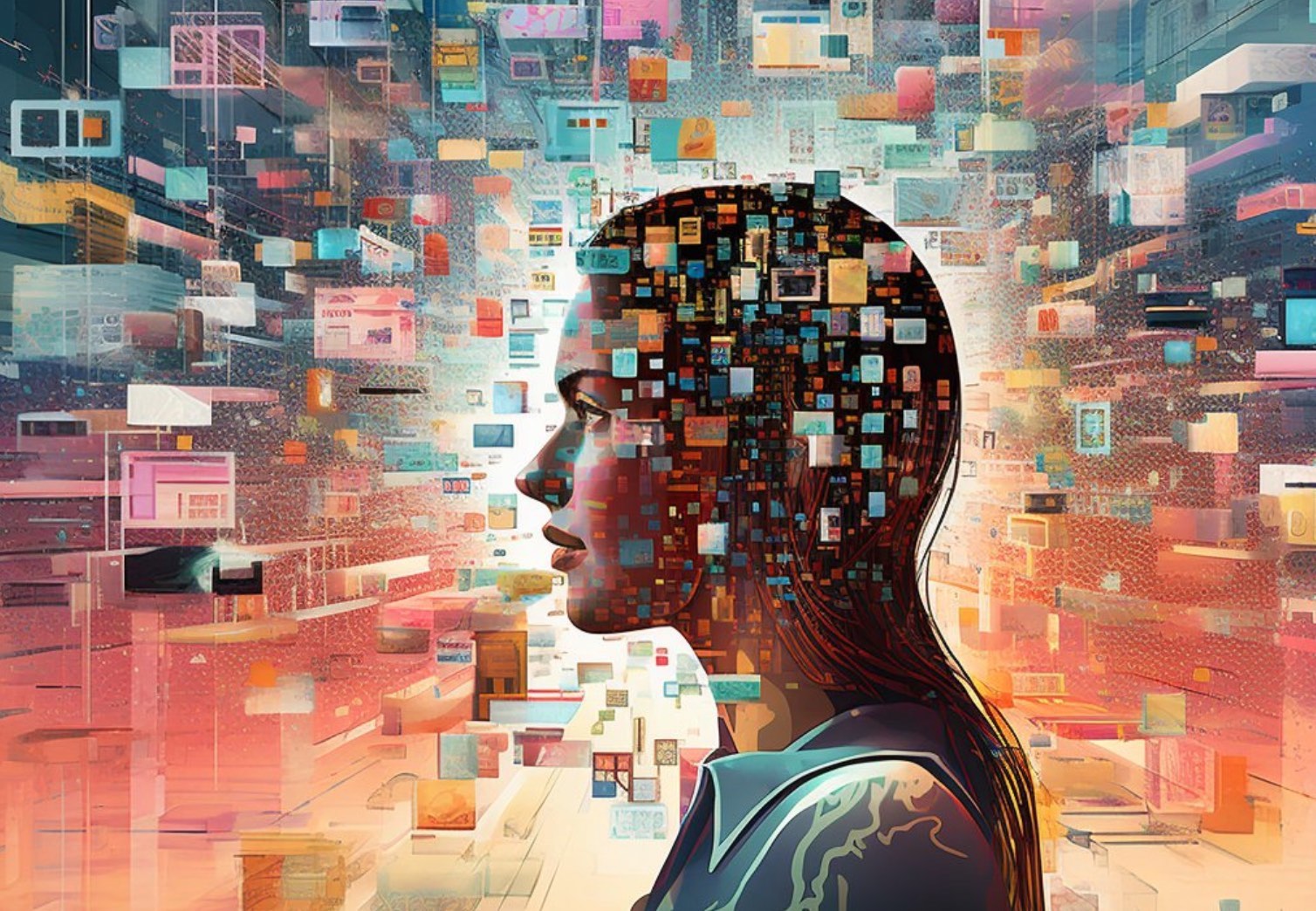
Illustration generated by the Midjourney 5.2 text-to-image model, using the prompt “An abstract image representing the uncertain future of digital journalism in the age of artificial intelligence.”
Retired, living in the Scottish Borders after living most of my life in cities in England. I can now indulge my interest in all aspects of living close to nature in a wild landscape. I live on what was once the Iapetus Ocean which took millions of years to travel from the Southern Hemisphere to here in the Northern Hemisphere. That set me thinking and questioning and seeking answers.
In 1998 I co-wrote Millennium Countdown (US)/ A Business Guide to the Year 2000 (UK) see https://www.abebooks.co.uk/products/isbn/9780749427917



 borderslynn