
The Disappearance of Arab Heavy and Medium Crude Hits Asian Refineries Hard
By Rystad Energy – Mar 16, 2026, 4:00 PM CDT
- The conflict has already taken over 12 million barrels of oil equivalent per day of Middle East oil and gas offline, including 7 million bpd of crude, representing about 7% of global liquids demand, with Iraq being the hardest hit.
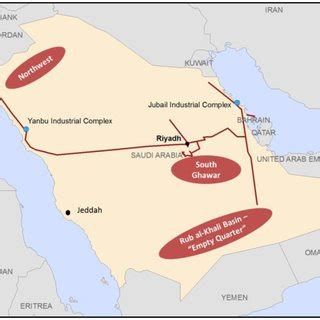
- Remaining oil supply faces two major risks: 1.5 million bpd from Kuwait and Iraq is at risk of further curtailment as storage tanks fill, and 6.5 million bpd is bypass-dependent via pipelines that have already been subject to attack.
- The loss of Arab Heavy and Arab Medium crude, which account for the majority of the 2.2 million bpd offline, has created a major challenge for complex Asian refineries, with no viable replacements available in the near term to avert a historic supply crisis.
In just over two weeks since the US-Israeli strikes on Iran triggered the closure of the Strait of Hormuz, more than 12 million barrels of oil equivalent per day (boepd) of Middle East oil and gas production has been taken offline, including 7 million barrels per day (bpd) of crude supply – equivalent to roughly 7 % of total global liquids demand. Iraq has been hit hardest, with over 60% of its pre-conflict volume curtailed. Still, the more alarming reality is that the worst is likely yet to come. Rystad Energy analysis shows that in a worst-case scenario, Middle East crude output could fall to approximately 6 million bpd, a region-wide reduction of 70% from the pre-conflict baseline.
Hours after Qatar LNG strike, Saudi Aramco’s Samref refinery in Yanbu targeted in aerial attack
FP News DeskMarch 19, 2026, 15:14:26 IST
A drone strike hits Saudi Arabia’s Samref refinery in Yanbu, raising fears of widening Gulf tensions and fresh threats to global energy infrastructure amid an escalating regional conflict.
Now the tankers hoping to pick up oil at Yanbu in the Red sea have to leave empty.

 borderslynn
You must be logged in to post a comment.