Ruth Ben-Ghiat has contributed an essay on Substack, here is an extract:
DOGE may seem like a failure, if we take on good faith Elon Musk’s claim that its agenda was greater government efficiency and savings. The architects of DOGE were never really interested in “efficiency.” That was just a ruse in the tradition of other “drain the swamp” initiatives by autocrats. A new New York Times investigation finds that under DOGE, federal spending increased, not decreased; DOGE’s boasts of cost-cutting were based on apparently false claims and dodgy bookkeeping.
If we look at things from an autocratic point of view, though, then DOGE has been all too successful. Many media outlets believed Musk when he announced in May 2025 that he was “stepping back” to focus on his ailing Tesla business and other concerns, even though President Trump stated on that occasion that Musk was “not really leaving.” In fact, DOGE has entrenched itself within the Trump administration and continues to exercise significant, unorthodox power as a parallel civil service loyal to Musk and his hand-picked associates.
DOGE has been the cover for an audacious strategy of autocratic capture and oligarchic infiltration of the nerve centers of a superpower to extract information. The apparent goal is to create a “single centralized database with vast troves of personal information about millions of US citizens and residents,” which could be used for government surveillance, as a report by Brookings warned. DOGE also gave Musk opportunities to dismantle agencies that were threatening his companies with investigations and fines, and to steer domestic and foreign government business toward his products.
DOGE has also furthered the Fascistic project of Russ Vought, a Project 2025 architect and Director of the Office of Management and Budget, of inflicting psychological pain on civil servants as part of destroying government as we conceive of it in a democracy. “We want the bureaucrats to be traumatically affected,” Vought stated in private speeches in 2023 and 2024 that were reported by Pro Publica.
You need only read this heartbreaking new Washington Postinvestigation, based on interviews with some of the 300,000 civil servants forced out of their jobs in 2025, to understand the awful human, social, and economic toll of achieving a “once-unthinkable transformation” of government bureaucracy.
With this in mind, it is useful to review how DOGE executed its “hostile takeover of the federal government,” as sociologist Brooke Harrington defined it in late February. The first step was Trump giving Musk a role in the new administration. Referring to this news in a December 2024 Lucid essay, I warned that “something sinister is unfolding at the heart of American government. Because it is dangerous in a new way, we lack the language to label it and communicate the extent of the threat.” And it was hard to understand the true threat DOGE constituted, precisely because it was an unprecedented entity in U.S. governance, as was the Trump-Musk power-sharing agreement in the first months of the administration.
We all watched as Musk’s operatives occupied government buildings, sometimes locking out members of Congress; fired thousands of government employees after barring them from their own computer systems; and physically removed those who sought to stop them from seizing digital property.
Democratic strategist Waleed Shahid was perhaps the first to name the developing catastrophe. “Elon Musk is staging a coup,” he wrote on Feb. 1 on his Substack. “Not with tanks in the streets of militias at government buildings, but with spreadsheets, executive orders, and a network of loyalists embedded in the federal bureaucracy.” On Feb.2, I wrote that a new kind of coup, was unfolding in America at the hands of Musk and his “plunder operation” DOGE. Soon after, TIME magazine showed Musk at the presidential desk in the Oval Office.
Last night, the US launched an all-out assault on the “global censorship industrial complex”, I respond with some deep breaths, solidarity and a vibey video (it’s all I have)
I had a plan: I was going to send out a short note this morning with a short film that was going to help explain my absence over the past couple of weeks (four events on three continents) and a huge message of thanks to everyone reading this who’s been supporting my work for the last year.
It was going to partly be a holding note, noting how the post-war global order has profoundly shifted in the last two weeks and how I plan to cover it and try – with you – to make sense of that in the coming weeks.
But fascism never sleeps. And last night – after European offices had closed for the holidays – the US state department announced “Actions to Combat the Global Censorship-Industrial Complex” and that it would be barring five individuals from the United States.
The so-called “global censorship-industrial complex” is a tiny world of academics and NGOs and journalists and policy wonks and lawmakers and disinformation researchers who for the last decade have been trying to understand the power and reach of the tech platforms, how they are invisibly controlling and manipulating our information spaces.
I first heard the term from a friend at a US university after she found herself described as such on a target list back in the summer of 2022. We had a good old laugh about it and have used it ironically ever since.
But the news last night was chilling.
The order states:
“The State Department is taking decisive action against five individuals who have led organized efforts to coerce American platforms to censor, demonetize, and suppress American viewpoints they oppose. These radical activists and weaponized NGOs have advanced censorship crackdowns by foreign states—in each case targeting American speakers and American companies. As such, I have determined that their entry, presence, or activities in the United States have potentially serious adverse foreign policy consequences for the United States.”
These “radical activists and weaponized NGOs” are my friends and colleagues and fellow fighters in the information trenches and this is a dramatic escalation. It’s Russia-level repression. It’s an all-out attack on civil society. And it’s specifically going after European efforts to legislate the social media giants for users in Europe. We are now the enemy.
Russia introduced a “foreign agent” law in 2012 to target NGOs and it was also one of the first escalations after the invasion of Ukraine when it labelled news organisations as such and made it impossible to continue reporting inside the country. This is where this leads. This is the same accusation couched in the same language.
The target here is a small group of researchers and policymakers who have understood the threat these platforms pose and have been doing the thankless and frustrating task of trying every possible route to work out how to hold them to account. And this order is perhaps the clearest signal yet of how the US government and Silicon Valley are one and the same and European liberal democracies are now the enemy.
That was what was revealed in the extraordinary National Secuity Strategy paper the US government published a week or so ago. Russia and China are no longer a threat to US national security interests. The enemy now is European democratically elected governments, especially those who seek to rein in Silicon Valley companies. And this is what this now looks like.
I was out last night, when the news broke and messages started pinging into the Signal group of the small NGO I set up in 2020, the Citizens, focussed on exactly these issues. We too are members of the “Global Censorship Industrial Complex”.
Initially, it wasn’t clear who the five individuals were and it could have been any of the many members of that group. But then, it was revealed. One of them – whom I know – is Imran Ahmed, a Brit living in the States and who, according to the order, will now be deported. He’s CEO of an organisation called Center for Countering Digital Hate and if you’ve heard of him – and this is a tell – it’s because he’s previously been targeted by Elon Musk, who’s sued him.
And another is Thierry Breton, a high-profile former member of the European Commission who was instrumental in the Digital Services Act, a piece of groundbreaking legislation that has real heft and that the Silicon Valley tech companies – and now their proxy, the US government – hate.
But perhaps, most chilling of all on a personal level, reading this news in London was how the US government chose to communicate this news. It was the under secretary of state, Sarah B Rogers, who released the names and she did so via the UK’s far-right GB News channel:
In the UK, we have legislation which means that it shouldn’t be possible to own and run a “far-right UK news channel”. But there you go. Rules and regulations only work if you enforce them and in GB News’s case, they’re not. And what this highlights and what hardly anyone in a position of any power in Britain seems to understand is how tightly bound up we are in the US’s technofascist plunge.
Because that’s what this is. I’ve mostly used the word technoauthoritarian rather than technofascism but the other thing I did last night after returning from a jolly Christmas celebration was to watch the banned 60 Minutes programme that was pulled off the air on Sunday night on the orders of Bari Weiss, the far-right founder of the Free Press who’s been parachuted in to run one of America’s most storied newsrooms.
If you’ve missed this story, the US investigative journalist programme, 60 Minutes, had completed a report on El Salvador’s notorious CECOT prison where the US deported hundreds of untried Venezuelans on the flimsiest of pretexts. Weiss pulled it claiming it “needed additional reporting” and would “air in a future broadcast”.
What Weiss hadn’t realised was that the film was already available via CBS’s international partners and it’s now been ripped and shared online. You can watch it here, for eg.
I wrote about the prison earlier this year because it was emblematic of something profoundly disturbing. The Instagram images of Kristi Noem, the US Secretary of Homeland Security, touring the prison didn’t just showcase its cruelty and depravity, this was was cruelty and depravity designed to be liked and algorithmically shared: a a concentration camp designed for social media.
Compared to some of the footage and reports I watched at the time, the 60 Minutes film is relatively tame and restrained. It includes interviews with a former prisoner, sent there by the US government, and human rights researchers who have documented how the treatment of the prisoners, in their analysis, amounts to torture.
All credit to the correspondent, Sharyn Alfonsi, who spoke up to defend her work. It had been screened five times, she said, for CBS’s lawyers and editorial policy team and cleared for broadcast.
“It is factually correct. In my view, pulling it now, after every rigorous internal check has been met, is not an editorial decision, it is a political one.”
Which brings me, finally, to where I wanted to start. We have to keep reporting on what is happening in the world. We have to keep trying to track it and explain it. And we have to find new, creative ways to do independent journalism, to reach audiences, to convey the profound threats we are facing. And, always, to speak up, as Sharyn Alfonsi shows us, when necessary.
This is not politics as normal. And we can’t treat any of it as politics as normal.
I set up this newsletter after Trump’s re-election last November and as my own news organisation, the Guardian, was going through its own internal revolt. It had chosen to sell off part of it – the Observer, the oldest Sunday newspaper in the world – and get rid of 100+ journalists.
In the end it didn’t even sell it, it gave it away plus £5m in cash. But, the fact that just nine months on, with no external investment, a group of five of us – three editors, the creative director and me – have managed to set up a tiny new grassroots media outletis nothing short of a Christmas miracle.
I made my first reel to celebrate. It’s a cheerful watch, I promise, and it’s only been possible to do it because of the support I’ve had here. THANK YOU. THANK YOU. THANK YOU. Grassroots, community-based efforts are, I believe, the best defence against what feels like an engulfing darkness. And that includes the media. Just look at CBS.
But we also have to have international networks of solidarity and last night’s news highlights that more than ever. If you are reading this is in America, we are not your enemy. We are your friends and allies now more than ever, Carole xxx
A note on what I’m doing and why. I’m an investigative journalist who worked for the Guardian for 20 years latterly investigating the intersection of politics and technology that included 2018’s exposé of the Cambridge Analytica/Facebook scandal. The opaque and unaccountable Silicon Valley companies that facilitated both Brexit and Trump are now key players in an accelerating global axis of autocracy. I believe this is a new form and type of power that I’m committed to keep on exposing: Broligarchy.
This newsletter is funding my work. Thank you so much to everyone who subscribes
At some point, the fog lifts and the pattern becomes unmistakable.
The Trump regime’s latest move—sanctioning European lawmakers and civil-society leaders for regulating American tech platforms inside Europe—is not a diplomatic disagreement. It is not a trade spat. It is not a good-faith argument about free expression.
………..
This was not a mistake. This was not incompetence. This was not about speech.
This was the United States—under Donald Trump—acting as the global enforcer for an information ecosystem that overwhelmingly benefits the Kremlin.
Between 17 December 2025 and 20 January 2026, there will be one Humanitarian Situation Update issued every week. The next Humanitarian Situation Update on the West Bank will be issued on 23 December and the next Humanitarian Situation Update on the Gaza Strip will be issued on 30 December.
Key Highlights
Severe storm conditions have resulted in reported deaths, flooding incidents that affected nearly 55,000 households, and the evacuation of 370 families from shoreline sites.
Despite improved food access and restored operations, ongoing access and procedural constraints led to reduced food rations in early December to maximize coverage, the World Food Programme reports.
Access constraints facing Emergency Medical Teams have eased, with denial rates decreasing to about 20 per cent, compared with 30 – 35 per cent before the ceasefire, according to the Health Cluster. There are 343 EMT staff in Gaza, including 73 international staff and 270 national staff.
In a statement by the Humanitarian Country Team in the Occupied Palestinian Territory, UN agencies and NGOs call for the immediate lifting of impediments to humanitarian access and NGO operations.
Context Overview
The Israeli military remains deployed in over 50 per cent of the Gaza Strip, beyond the so-called “Yellow Line,” which remains largely unmarked on the ground and where access to humanitarian facilities and assets, public infrastructure and agricultural land remain severely restricted or prohibited. For example, in North Gaza, out of six once functional hospitals, four are inaccessible: the Indonesian, Al Awda and Beit Hanoun hospitals are beyond the so-called “Yellow Line” and Kamal Adwan Hospital is immediately adjacent to it, according to the World Health Organization (WHO). Across the Gaza Strip, Health Cluster data indicates that 35 health facilities are located east of the so-called “Yellow Line,” including eight hospitals and 26 primary health care centres (PHCs) that are non-functional while the Emirati field hospital in Rafah is functional but inaccessible. Detonations of residential buildings and bulldozing activities continue to be reported, including east of and near the so-called “Yellow Line.” Access to the sea remains prohibited and the detention of Palestinian fishers at sea continues to be reported, including the reported detention of four fishers by Israeli forces off the coast of Khan Younis on 14 December. Across the Gaza Strip, airstrikes, shelling and gunfire continue to be reported, resulting in casualties.
Storm Byron, which struck Gaza on 11 December, resulted in widespread flooding, rain-related damage, and severe hardship for hundreds of thousands of displaced Palestinians across the Gaza Strip. As tents were flooded, thousands of families have lost their temporary shelters or experienced loss of clothing, bedding and other essential belongings. Palestinian Civil Defense (PCD) reported that their teams were able to evacuate some families from dilapidated buildings at risk of collapse and continued to respond to distress calls, mainly in relation to collapsed buildings, water leakages, flooded tents and the displacement of families. On 17 December, PCD highlighted that they had received over 5,000 distress calls, 17 already damaged residential buildings have collapsed, and over 90 sustained precarious damage. On the same day, The Ministry of Health (MoH) in Gaza reported that a total of 12 people died following the collapse of walls and damaged houses and one child died due to hypothermia (a two-week-old child who died on 15 December).
The Site Management Cluster (SMC) has activated daily monitoring of flood-related incidents across managed displacement sites to facilitate rapid, joint response to flooding alerts. As of 16 December, SMC partners had received alerts of flooding incidents affecting 132 sites, impacting nearly 55,000 households across all five governorates, with Gaza city recording the highest number of reported incidents, followed by Khan Younis and Deir al Balah. SMC warns that the overall impact is likely significantly higher, particularly in high-risk, unmanaged sites, with hundreds of thousands of people living in low-lying, coastal or debris-filled areas exposed to flooding. According to SMC, since 10 December, at least 370 families were evacuated from shoreline sites to East Hamad city in Khan Younis (see more information below).
According to the Ministry of Health (MoH) in Gaza, between 10 and 17 December, 14 Palestinians were killed, 84 were injured and seven bodies were recovered from under the rubble. This brings the casualty toll among Palestinians since 7 October 2023, as reported by the MoH, to 70,668 fatalities and 171,152 injuries. According to the MoH, the total number includes 277 fatalities who were retroactively added between 5 and 12 December after their identification details were approved by a ministerial committee. MoH reported that since the ceasefire, 394 Palestinians have been killed, 1,075 injured, and 634 bodies retrieved from under the rubble.
According to the Israeli military, between 10 and 17 December, as of noon, no Israeli soldiers were killed in Gaza. The casualty toll among Israeli soldiers since the beginning of the Israeli ground operation in October 2023 stands at 471 fatalities and 2,992 injuries. According to Israeli forces and official Israeli sources cited in the media, more than 1,671 Israelis and foreign nationals have been killed, the majority on 7 October 2023 and its immediate aftermath. As of noon on 17 December, the remains of one hostage is in the Gaza Strip.
No medical evacuations were reported between 9 and 17 December. In a press briefing, Dr. Rik Peeperkorn, WHO Representative in the Occupied Palestinian Territory (OPT), stated that, according to Gaza MoH records, 1,092 patients had died while awaiting medical evacuation between July 2024 and 28 November 2025, noting that this figure was likely underreported and not fully representative, as it was based solely on reported deaths. More than 18,500 patients, including 4,096 children, in Gaza still require medical evacuation, while only 260 patients along with 800 companions have been evacuated since the ceasefire. WHO called on more countries to welcome patients from Gaza, and for medical evacuation to the West Bank, including East Jerusalem, to be restored.
In November, over 57,500 cases were logged through World Food Programme (WFP) feedback channels in Gaza, including hotlines, help desks and chatbots. This is compared with over 44,400 cases logged in October through the same channels. According to WFP, the increase is likely linked to the scale-up of operations following the ceasefire, including the expansion or resumption of activities, in addition to the restoration of connectivity services by the telecom operator. Cases were predominantly received from Khan Younis (22,901), followed by Gaza city (17,029) and Deir al Balah (15,792); 79 per cent of all cases were reported by male callers. More than 80 per cent of the cases were related to food and cash assistance by WFP, including distribution schedules, eligibility criteria and assistance duration. Shelter-related cases, as received via WFP feedback channels, increased sharply from 1,240 in October to 3,630 cases in November. Most of these cases involved requests for tents and basic repair materials.
Between 10 October and 16 December, the Cash Working Group (CWG) partners distributed Multi-Purpose Cash Assistance (MPCA) to over 138,700 households, compared with 40,440 in September prior to the ceasefire. Each household received 1,250 NIS (approximately US$378) in digital payments, in line with the Minimum Expenditure Basket (MEB) transfer value. Cumulatively, more than 305,000 households in the Gaza Strip have received at least one MPCA transfer in 2025. According to the CWG, cash-out commissions continued to decline, decreasing from 14 – 16 per cent in late November to a stable 12 per cent between 4 and 7 December, marking the lowest level recorded in 2025.
Humanitarian Access
Between 10 October and 16 December, according to the UN2720 Mechanism, more than 119,000 metric tons (MT) of UN-coordinated aid were offloaded at Gaza’s crossings, of which over 111,000 MT were collected during the same period. Of the total dispatched, 55 per cent was via the Israel route (including through Ashdod and Ben Gurion), 30 per cent via the Egypt route, eight per cent via the West Bank route, and two per cent via the Cyprus Maritime Corridor. Humanitarian cargo coming from Jordan constituted about five percent of the total aid dispatched via the “back-to-back” modality while “government-to-government” modality remains suspended. As of 16 December, more than 172,000 MT of pre-cleared aid positioned across the region by 56 humanitarian partners are in the pipeline for transfer into Gaza, of which about 72 per cent are food supplies, according to the UN2720 Mechanism.
Between 10 October and 16 December, some 9,000 MT of aid supplies were rejected by Israeli authorities for entry into Gaza, mainly requests submitted by local and international NGOs on the grounds that the organizations were not authorized to bring relief items into Gaza, items considered by Israeli authorities to fall outside the “humanitarian” category, or items classified as “dual-use.” In November, such rejected requests included frozen meat, tropical fruit, biscuits, vehicles, power equipment, specialized machinery, multipurpose tents, and learning and recreational materials for children.
Humanitarian convoys by the UN and its partners inside Gaza continue to require coordination with Israeli authorities to and from crossings and in or near other areas where Israeli forces remain deployed. Between 10 and 16 December, humanitarian organizations coordinated 47 missions with the Israeli authorities, of which 30 were facilitated, 10 were impeded, and four were denied, while three missions were cancelled. During the same period, heavy rain reduced the accessibility for convoy movements along Al Rasheed Road, the Philadelphi Corridor to Kerem Shalom Crossing, and Al Rasheed Road to Zikim Crossing. The southern section of Salah ad Din Road remains closed, further constraining movement options. Overall, between 10 October and 16 December, 57 per cent of the 556 requested missions were facilitated, nine per cent were denied, 22 per cent were impeded and 12 per cent were cancelled. Missions requiring prior coordination with the Israeli authorities included cargo uplifts and monitoring; road repair works; search-and-rescue missions; assessment and clearance missions; staff rotations; medical evacuations and patient transfers; vehicle retrievals; and winterization distribution or assessments, among others.
According to WFP, while access to food has significantly improved, with WFP food operations and distribution networks restored across Gaza, “persistent access restrictions, inconsistent procedures, and sudden changes across all corridors continue to put at risk all the progress made.” This has led to reduced food rations in early December to maximize coverage, WFP reported. For the December general food assistance cycle, as of 15 December, Food Security Sector (FSS) partners have assisted about 550,000 people but had to reduce the family ration of two food parcels and one 25-kilogramme (kg) flour bag (which covered 75 per cent of the minimum caloric needs) to one food parcel, one bag of flour and 1.5 kg of high-energy biscuits per family (which cover 50 per cent of the minimum caloric needs). Calling for unfettered access to tackle winter hunger in Gaza, WFP’s Deputy Country Director in Palestine noted: ‘’We still have all the issues that we’ve been talking about for months and months – the logistical challenges, the fact we’re very limited in terms of the number of roads we can use, that we still have a very high level of insecurity, that bureaucratic processes are still impeding humanitarian delivery.’’ She highlighted that there are items that aid actors cannot bring into Gaza because they are considered “dual-use” items, such as tents with aluminium frames, mobile storage units, and spare parts for trucks.
A joint international and Palestinian NGOs report on humanitarian access constraints across the OPT found that humanitarian access remains severely obstructed, preventing predictable and scalable aid delivery across the Gaza Strip. The report highlights that 73 per cent of the 37 NGOs working in Gaza and surveyed reported having vital cargo blocked from entering Gaza due to restrictions by Israeli authorities, with repeated rejections affecting both life-saving supplies (food, shelter, health) and essential operational equipment, such as generators, solar panels, batteries, and water filtration units. In addition, 25 out of 37 NGOs reported security risks arising from airstrikes or shelling near their operations, limiting their ability to operate safely. In parallel, 24 out of 37 NGOs reported disruptions caused by the presence of unexploded ordnance, further restricting movement and access to affected communities.
On 17 December, UN agencies and more than 200 international and local NGOs under the Humanitarian Country Team urged the international community to take immediate and concrete actions to press the Israeli authorities to lift all impediments to humanitarian access and NGO operations across the OPT, especially in the Gaza Strip. They warned that restrictive policies, including a new international NGO (INGO) registration system with vague and politicized criteria, are undermining relief efforts and risk the collapse of the humanitarian response. The statement emphasizes that many essential supplies, such as food, medicine, hygiene items and shelter materials, remain stuck outside Gaza, that dozens of INGOs face deregistration and forced closure by year’s end, and that the loss of NGO capacity would severely disrupt lifesaving services, including health care, nutrition treatment, water and sanitation, and emergency shelter, at a time when needs are acute and alternatives cannot fill the gap.
Shelter and Winterization
Winter conditions have exacerbated safety risks linked to war-damaged structures and makeshift tents, leaving thousands of displaced families highly exposed to cold weather and heavy rainfall. According to the Shelter Cluster, since 10 December, 17 buildings are estimated to have collapsed and more than 42,000 tents or makeshift shelters are estimated to have sustained full or partial damage, particularly in 320 displacement sites and 43 areas, affecting at least 235,000 people. Rainstorms have additionally resulted in temporary disruptions to some humanitarian operations, such as the temporary closure of 16 community kitchens for one day and damage sustained by 35 safe spaces and service points for children. According to child protection partners, caregivers continue to report difficulties keeping children warm at night, rising stress levels and reduced participation in activities, while frequent movement in search of safer shelter is contributing to caregiver fatigue and increasing requests for additional winter items, counselling and access to safe spaces.
Despite challenges, partners continue to bolster emergency interventions where possible, including through the distribution of a range of shelter items (e.g. tents, blankets and winter clothing) to families and hospitals, reinforcing fragile shelters with sandbags, supporting local authorities in the evacuation of families from high-risk areas, conducting repairs of water and sewage systems, and expanding efforts to pump accumulated water and wastewater. In parallel, all partners continue to prioritize assistance to the most affected families. For instance, based on Shelter Cluster referrals, FSS partners have distributed hot meals and/or high-energy biscuits to more than 5,000 families affected by flooding, including families relocated from the shorelines to Hamad city, in northwestern Khan Younis.
According to the International Committee of the Red Cross (ICRC), long-term shelter solutions are urgently needed to address deplorable conditions. As weather forecasts indicate further heavy rainfall and colder northerly winds early next week, humanitarian needs are anticipated to grow. Yet, available resources continue to fall short of addressing existing emergency needs. For example, the water, sanitation and hygiene (WASH) Cluster notes that partners face critical shortages of jetting and vacuum trucks, sewage pipes, manholes and cement which are needed to further scale up support to flood-prone areas and repair wastewater systems. The Shelter Cluster reports that, as of 17 December, only about 1,100 tents of those that have entered Gaza through UN coordination are available in stock, while about 1.3 million people remain in need of urgent shelter assistance.
Access to Healthcare
WHO is working to help keep newborns, children, and mothers warm and safe in hospitals and is supplying breastfeeding support items and materials for skin-to-skin care to protect pre-term and low-birth-weight infants during the harsh winter months. The Agency further reports that needs are growing. Within the context of dire shelter conditions, poor access to water and sanitation services and winter weather, children under five, the elderly and people with chronic illnesses are particularly at risk of contracting acute respiratory infections, hepatitis and diarrheal diseases.
According to the Health Cluster, between 30 November and 6 December, health partners carried out over 186,600 consultations, of which 20 per cent were related to communicable diseases. Acute respiratory infections (ARI) accounted for 56 per cent (over 21,700 consultations) of the total consultations while acute water diarrhea accounted for 31 per cent (over 10,600) of the total consultations. During the same period, skin diseases have increased to over 6,800 cases from over 5,700 cases the previous week. These included Chickenpox, ectoparasitic infestations common in overcrowded settings with limited access to water and hygiene services, and Impetigo, which is a bacterial infection common among children and often linked to poor hygiene and skin injuries.
Severe weather has additionally disrupted health service delivery, with several facilities affected by heavy rainfall and flooding, according to the Health Cluster. At Nasser Medical Complex, for instance, flooding in the Internal Medicine Emergency Department required the temporary relocation of patients and services to the hospital’s main building, placing additional pressure on other departments that are already overstretched.
According to the Health Cluster, access constraints facing Emergency Medical Teams (EMTs) have eased, with denial rates decreasing to approximately 20 per cent compared with 30 – 35 per cent before the ceasefire. Since October 2023, EMTs, both national and international, have played a critical role in sustaining the health response in Gaza, deploying specialized doctors and clinical staff to fill staffing gaps caused by massive losses and displacement. They have delivered millions of medical consultations, tens of thousands of emergency surgeries, and trauma and non-communicable disease care. As of 17 October, there are approximately 343 EMT staff in Gaza, including 73 international staff and 270 national staff.
Since 10 October, Health Cluster partners have supported the re-opening or establishment of 55 health service points across the Gaza Strip, including 37 in Gaza city and North Gaza governorate. Some tertiary-level services have resumed on a limited basis, including at Al Shifa Hospital in Gaza city. Also in Gaza city, the International Medical Corps field hospital has recently installed 200 beds to function at full operational capacity, providing surgical, medical, pediatric, neonatal and maternal health services, with the ability to support up to 45 deliveries per day. Moreover, the Palestine Red Crescent Society (PRCS) repaired and resumed patient care at Al Quds Hospital, with four PRCS hospitals providing emergency and support services to a monthly average of about 106,000 patients, as of October 2025. This is in addition to tens of thousands of people assisted by PRCS through first aid delivery, clinics and medical points, and the distribution of essential relief items, including food, water, hygiene kits, blankets and mattresses.
Overall health system functionality remains severely constrained, however. Only half of hospitals and less than half of primary health care centres are currently partially functional and face shortages of essential medical equipment and supplies. According to WHO, although approval rates for supplies improved, the process of getting medicines and medical equipment into Gaza remained unnecessarily slow and complex. WHO also faced challenges in bringing into Gaza laboratory reagents and critical lab machine components, as many items were classified as “dual use” and denied entry. For a population of over two million people, there are still no functioning magnetic resonance imaging (MRI) machines in Gaza, WHO noted, emphasizing that medical supplies must be given a blanket approval to enter Gaza and be expedited so urgent needs could be addressed.
Funding
As of 18 December, Member States disbursed approximately $1.6 billion out of the $4 billion (40 per cent) requested to meet the most critical humanitarian needs of 3 million out of 3.3 million people identified as requiring assistance in Gaza and the West Bank, including East Jerusalem, under the 2025 Flash Appeal for the OPT. Nearly 88 per cent of the requested funds is for the humanitarian response in Gaza, with just over 12 per cent for the West Bank. In November, the oPt Humanitarian Fund managed 128 ongoing projects, totalling $73.5 million, to address urgent needs in the Gaza Strip (89 per cent) and the West Bank (11 per cent). Of these projects, 61 are being implemented by international NGOs, 51 by national NGOs and 16 by UN agencies. Notably, 58 out of the 77 projects implemented by international NGOs or the UN are being implemented in collaboration with national NGOs. For more information, please see OCHA’s Financial Tracking Service webpage and the oPt HF webpage.
As Reuters put it, intelligence agencies continue to warn that Putin “has not abandoned his aims of capturing all of Ukraine and reclaiming parts of Europe that belonged to the former Soviet empire.” That stands in stark contrast to public diplomatic messaging suggesting that peace talks are gaining traction.
And Reuters reported:
Russian attack targets Ukraine energy infrastructure after Miami peace talks
Rather than addressing the underlying intelligence assessment, Gabbard took a strikingly public (for a DNI) and combative approach to discrediting the reporting itself. First she posted this:
And then, a little while later, in response to a comment:
This rebuttal didn’t quote or point to specific classified assessments — it framed the entire Reuters piece as a narrative weapon deployed against current
Kremlin Reaction
Moscow quickly seized on Gabbard’s framing. A Kremlin spokesperson dismissed the Reuters assessment as “absolutely not true,” insisting that Putin has no intention of conquering Europe and reprising the familiar claim that NATO expansion — not Russian aggression — is the real source of instability.
In parallel diplomatic messaging, Russian Deputy Foreign Minister Sergei Ryabkov offered to “legally confirm” that Russia has no intention of attacking the EU or NATO — an implicit rebuttal to Western security concerns, delivered with the air of magnanimous reassurance rather than defensive denial.
And so, not surprisingly — but still significantly — Gabbard’s public dismissal of the Reuters reporting became a line of rhetorical reinforcement for the Kremlin’s own narrative.
In sum, the Director of National Intelligence of the United States had just functioned as a validating conduit for Moscow’s preferred framing: that Western intelligence warnings are exaggerated, that concern itself is the provocation, and that the true threat to peace lies not in Russian behavior but in acknowledging it too plainly.
That alignment need not be intentional to be consequential, because when an adversary’s talking points are echoed from the highest levels of the U.S. intelligence apparatus, the signal received in Moscow is not ambiguity, but opportunity.
And now we must consider Trump’s designs on Greenland:
Greenland is not a member of NATO, but it is part of the Kingdom of Denmark, which is a NATO member. The defense and foreign policy of Greenland are managed by Denmark, and Greenland has strategic importance for NATO due to its location in the Arctic. Wikipedia BBC
See:
Greenland outraged after Trump appoints envoy to make country ‘part of the US’
US president stated Louisiana governor Jeff Landry understands ‘how essential Greenland is to our national security’
Is this a plan to help Russia and US dominate this vital area of the Arctic Circle?
Then we see Russian sanctioned shadow fleet oil tankers move freely along the east coast of the US, but only the shadow tankers of Iran and Venezuela are being seized by the US coastguard.
the United States started seizing shadow fleet tankers carrying Venezuelan oil to enforce sanctions and apply even more pressure. With the declaration that all in and out-going vessels will be stopped by the US Navy, the captains of the Russian ships started to panic, understanding that they will be targeted next as they were sanctioned by the US as well.
Wendy Deng (then the wife of Rupert Murdoch) introduced them.
the former wife of Rupert Murdoch, who had introduced Dasha Zhukova to Ivanka years earlier and whose social and investment networks tied Russian oligarchs together with Silicon Valley capital, and Western media elites. Deng, Zhukova, and the Kushner brothers had previously co-invested in Artsy, an online art platform backed by Jared’s brother, Joshua Kushner, and in which Jared Kushner also held a stake before entering the White House.
From:
35. Midnight in Moscow: The Ivanka Trump and Jared Kushner Edition (2014) Substack
Trip to Russia: In 2014, Dasha and her then-husband Roman Abramovich invited Ivanka Trump and her husband Jared Kushner to Russia for a four-day visit. During this trip, they attended a fundraising dinner for Moscow’s Jewish Museum
This marks the beginning of their friendship, which has been noted for its duration and significance in social circles. Business Insider
BFFs: Ivanka Trump and Dasha Zhukova at the 2016 US Open.Photographer: Jewel Samad/AFP via Getty Images
Their meeting was months after Donald Trump staged the Miss Universe pageant in Moscow.
When Donald Trump brought Miss Universe to Moscow
How a 2013 beauty pageant explains Trump’s love for Russia and obsession with Vladimir Putin.
Donald Trump and Miss Universe 2012 Olivia Culpo show off on the red carpet at the 2013 Miss Universe Pageant in Moscow. | Victor Boyko/Getty Images
Abramovich, Bloomberg reported, was one of Putin’s most trusted associates, and the owner of Russia’s second largest steel company, plus the Chelsea football club. As I wrote in my post about Trump’s Miss Universe pageant in Moscow, that 2013 outing successfully embedded the Trump family inside a Kremlin-adjacent network that was built around Russian oligarch Aras Agalarov, and his son, Emin.
These meetings were important not because anything illegal took place or even that money was changing hands. Instead, the ties between Trump and Russia, which had been a series erratic and fitful contacts that took place over more than thirty years, were solidifying into cohesive relationships. Ivanka’s and Jared’s trip in 2014 attracted little attention in the United States, but it further strengthened those relationships and put the entire Trump family directly inside the same Kremlin network that had hosted him only a few months earlier, and that later became the target of investigations into Russia’s attack on the 2016 election.
From:
35. Midnight in Moscow: The Ivanka Trump and Jared Kushner Edition (2014) Substack
Dasha Zhukova:
How NYC socialite Dasha Zhukova lived large with oligarch Roman Abramovich
Art-world power player and celebrity pal Dasha Zhukova was married to sanctioned oligarch Roman Abramovich (with her, right) and apparently still has ties to him — creating a potentially uncomfortable situation for her.
NY Post photo composite
Two days after Vladimir Putin’s forces marched into Ukraine last month, New York art collector Dasha Zhukova postponed all of the exhibits at the Garage, her contemporary museum in Moscow, to protest “the brutal and horrific invasion.”
But while Zhukova, 40, has been emphatic in her condemnation of Russian aggression, she has remained silent about her ex-husband and the father of two of her three children, billionaire Roman Abramovich.
See more from Chris Ungar, here is another extract:
One reason the 2014 visit was so significant was that it took place just weeks before Russia invaded Ukraine and illegally annexed Crimea. In other words, the Trump family disregarded the growing risk of sanctions and continued to engage with the Kremlin’s oligarchs as they continued to pursue a real estate project that depended on Putin’s approval.
The February 2014 visit also placed Jared Kushner within oligarch networks that later intersected directly with U.S. politics. Viktor Vekselberg, who chaired the fundraiser, later drew FBI scrutiny during and after the 2016 election when investigators examined whether his companies and his associates played roles in Russian political influence operations to help Trump win.
Kushner’s presence during the Moscow trip was particularly significant, as he later established contact during Trump’s first term with Ambassador Sergey Kislyak and with Sergey Gorkov, the head of the Russian state-owned development bank VEB. He also tried to establish a private backchannel between the Trump transition team and the Kremlin to avoid detection by U.S. intelligence.
The DOJ redacted Trump’s name from explicit sexual abuse allegations in the Epstein files. An unredacted version of Case 1:15-cv-07433 states a witness was told “Donald Trump liked flicking and sucking her nipples until they were raw” and that she “had sexual relations with Trump at Jeffrey’s NY mansion on regular occasions”—allegations completely blacked out in the DOJ’s public release. The same document, same page, same case number—one version names Trump, the version DOJ released does not. The unredacted version was already in the public record from the Giuffre v. Maxwell civil case. The DOJ chose to add new redactions to information that was already public. Rep. Thomas Massie warned “a future DOJ could convict the current Attorney General” for selective compliance with the transparency law. Epstein victim Marina Lacerda demanded the DOJ “stop redacting names that don’t need to be redacted,” asking: “Who are we trying to protect?”
Nev Shalev, Substack, Dec 22, 2025
I was 14 when Epstein recruited me. He demanded that girls show their school IDs
Paedophile wanted proof victims were underage and was ‘furious’ when 18-year-old was brought to him, victim says
Jeffrey Epstein would call high-profile friends while having a massage
Susie CoenUS Correspondent21 December 2025 3:14pm GMT
Jeffrey Epstein demanded that young girls show their school IDs to prove they were underage.
Marina Lacerda, who was abused by Epstein from the age of 14, said the paedophile was “furious” when an 18-year-old was brought to him, immediately sending her away.
Ms Lacerda, now 37, was forced to recruit other victims, and told The Telegraph that Epstein instructed her to only present him with girls who had a student school ID.
Global energy markets are deeply interconnected, and oil remains the lifeblood of modern economies. However, when geopolitical tensions lead to sanctions on major oil-producing nations, such as Russia, Iran, or Venezuela, these countries often seek alternative methods to keep their crude flowing to international buyers. One of the most controversial and opaque mechanisms enabling this is the so-called “shadow fleet”—a clandestine network of aging oil tankers operating outside traditional regulatory and safety frameworks. This article explores what the shadow fleet is, why it exists, how it operates, and the risks it poses to global trade, environmental safety, and maritime security.
Inside Venezuela’s growing arsenal of Iranian weapons
Iranian-made attack boats, missiles, drones, and Hezbollah-linked networks have given Venezuela a small but real combat capability in the Caribbean – and a new way for Tehran to poke at the United States.
A menacing ‘shadow fleet’ of Iranian-linked tanker ships is operating in the Caribbean, sparking alarm amid ongoing US military action in the region.
Despite a long history of brazenly transporting sanctioned Iranian oil, the vessels have been seen sailing just miles from the American coastline as President Trump continues his unrelenting bombardment of alleged drug boat
The Royal Association of Netherlands Shipowners (KVNR) has revealed that several dozen vessels are fraudulently flying the flags of Aruba, Sint Maarten, and Curaçao. These ships, believed to be part of the so-called “shadow fleet,” are operating under false registrations, raising alarm over safety, environmental, and legal risks.
Flags Without Registers
KVNR’s weekly checks in August 2025 uncovered that a fluctuating number of vessels are sailing under the flags of Aruba, Sint Maarten, and Curaçao. However, none of these territories maintain a flag register for sea-going vessels or issue valid Certificates of Registry, making the practice fraudulent. This development is particularly concerning for Dutch shipowners who are legitimately entitled to fly the Kingdom flag.
And 6 years ago, the UK Conservative government, as an ally of the US::
Why is Venezuela’s gold still frozen in the Bank of England?
Four years ago, the UK government recognised Juan Guaidó as Venezuela’s president. He’s now gone, but the Bank of England is still holding some of the country’s key assets.
President Maduro wants Venezuela’s gold back from Britain. (Photo: Hand out / Prensa Presidencial)
In late December, Venezuela’s leading opposition parties voted to oust Juan Guaidó as “interim president” and dissolve his parallel government.
This was clearly not the ending the UK government had in mind.
Four years ago, the British government made the bold decision to recognise Guaidó as Venezuelan president, and proceeded to facilitate his legal battle to seize roughly $2bn of gold held in the Bank of England.
Indeed, the UK government insisted at every turn that it recognised Guaidó – and not Nicolás Maduro – as Venezuelan president. In turn, Guaidó’s lawyers argued that he was authorised to represent and control the assets of the Central Bank of Venezuela held in London.
A long-running legal battle between Venezuelan President Nicolas Maduro and opposition leader Juan Guaido over who should hold the key to more than $1.5 billion of gold stored at the Bank of England resumed at the London High Court on Wednesday.
The UK Supreme Court ruled last year that Guaido should be recognised as the Latin American country’s head of state, taking a lead from the British government’s position, and that he had the authority to determine the future of the 31 tonnes of bullion.
The High Court will now grapple with the novel question, over a four-day trial, about how to treat rulings by the Venezuelan Supreme Tribunal of Justice (STJ) that say Guaido’s appointments to an “ad hoc” central bank board are invalid.
“At stake is the question of whether the English courts can sit in judgment on the validity of decisions made by another sovereign nation’s highest court,” said Sarosh Zaiwalla, a partner at law firm Zaiwalla & Co., who is representing the Maduro-led Banco Central de Venezuela.
Ukraine has recently attacked three tankers in the Black Sea that it says are Russian ‘shadow fleet’ vessels engaged in sanctions-busting
Guardian graphic. Source: MarineTraffic
“The shadow fleet itself is not a new threat,” said Gonzalo Saiz Erausquin, a research fellow at the finance and security centre at the Royal United Services Institute thinktank. “But [it] has expanded drastically after Russia’s full-scale invasion of Ukraine in 2022. That saw what we call the shadow fleet explode to some 900-1,200 vessels globally.
Military oil spill: How the Kerch Strait tanker disaster is linked to Russia’s ‘shadow fleet’ oil exports, 18 January 2025
…With Russia’s seizure of Crimea, its military and civilian activity in the area has increased, further worsening oil pollution in the Azov Sea and Black Sea.
Oil spills are clearly visible in satellite images made available in a review of the environmental consequences for marine ecosystems published by the Conflict and Environment Observatory (CEOBS) and Zoi Network. In one case, the spills resulted from missile attacks on ChernoMorNeftegaz drilling platforms in June 2022.
Risks posed by wrecked ships have also increased, with roughly 100 additional ships, military and civilian, sinking or damaged since the war began. For example, evidence of a limited oil spill was visible from space at the site where the Moskva military cruiser sank. Most of its fuel reserves, which may exceed 2,000 tons, are probably still stored in its fuel tanks at a depth of 50 meters—a huge risk for the future…
At the same time, there is still insufficient direct evidence regarding the shadow fleet’s negative consequences for marine ecosystems. A review of tanker leaks around the world, published in October 2024 by Politico, lists just nine examples of oil spills likely associated with the shadow fleet (shown in the map below)…
On December 15, 2024, two small river tankers located at the southern anchorage at the exit from the Kerch Strait awaited transshipment to a large sea tanker. Both were caught in stormy weather and broke in half. On the Volgoneft-212, which sank completely, one sailor died from hypothermia and exposure, but the remaining 12 crew members were rescued. The stern half of Volgoneft-239, which also broke apart during the storm, managed to approach the shore and run aground 80 meters offshore. The entire crew was rescued.
According to various estimates, between 2,400 and 8,000 metric tons of mazut originating from the Saratov Oil Refinery spilled out of the damaged tankers into the sea…
The desire and capacity of the Russian Federation to ensure the safety of oil and gas shipping has diminished substantially during this war, hostilities which are fundamentally nourished by oil exports. However, even prior to this catastrophe, environmental safety in the oil and gas shipping sector has not been a priority.
The main reason for these accidents, according to an independent environmental expert who wishes to remain anonymous, is the careless disregard of the state and all its structures, as well as big business, for environmental safety. These tragedies occur because of irresponsible individuals and organizations, as well as gaps in legislation and deliberate weakening of environmental law in recent years (especially since 2021, when the requirement for constituent regions to maintain oil spill response plans (OSRs) was abolished), corporate lobbying lowering environmental standards and procedures, and stifling of the professional environmental conservation community and the country’s news media…
Dr Sian Prior, lead advisor to the Clean Arctic Alliance told UWEC, “The Clean Arctic Alliance believes that other regions would benefit from following the example of theInternational Maritime Organization, through which a new ban (with notable caveats) on the carriage and use of HFO as fuel in polar regions came into force in July 2024.”
Cuba is a classic example of how economic sanctions cannot achieve their intended objectives. The U.S. has maintained an almost complete trade embargo against Cuba since Fidel Castro took power in 1959, aiming to push the country toward democracy and better human rights observance. Nevertheless, almost sixty years later, Cuba remains a one-party state under communist rule.
On the contrary, these very measures have worsened life for Cubans by drastically reducing the availability of goods, including humanitarian items such as medicines and other essentials for survival. Although the regime has exploited this situation to blame its internal problems on the embargo and to increase anti-American propaganda among segments of the population, it has not weakened its hold on power, all while compromising the welfare of ordinary citizens under sanctions. Successive U.S. administrations have, at times, failed to bring about democratization through adjustments in the sanctions.
Iran: Sanctions and Nuclear Ambitions
Iran has faced tough sanctions, particularly regarding its nuclear program, for many years. Sanctions on Iran’s energy sector and financial institutions are not new; major Western nations, including the U.S., have enforced them to compel the country to abandon its nuclear weapons aspirations, which are deemed unacceptable according to international standards of human rights and regional order. Like Cuba and Russia, achieving these objectives through sanctions has proven fruitless.
Consequently, despite skyrocketing inflation, unemployment, and shortages of basic commodities, the leadership refuses to conform to external pressures due to adverse economic conditions. Public support for the regime serves as an excuse for rallying nationalist sentiments among its people against Western aggression. Iran has managed to find new trading partners, such as China and Russia, allowing it to continue its nuclear program even after sanctions were imposed by multiple countries as a stance against its leadership. The ordinary populace in Russia, along with Cubans, has been worst affected, suffering more than those in power.
A victim of Jeffrey Epstein has said newly released documents about the late paedophile have “vindicated” her.
Maria Farmer, who was one of the first people to accuse the financier of sexual misconduct, said she had been “redeemed” after the files revealed that she had reported him to the FBI in 1996.
Media accounts and institutional statements differ on implications. Some outlets and Farmer’s attorneys present her reports as among the earliest law‑enforcement warnings about Epstein and Maxwell, arguing agencies ignored them [1][8]. Institutional responses — for example, the New York Academy of Art’s later probe into claims about institutional enabling — contested aspects of Farmer’s narrative or context around how the school responded at the time [10]. Available sources do not mention any definitive public law‑enforcement finding that proved or disproved every detail Farmer reported in 1996; instead, later investigations and prosecutions (including Maxwell’s 2021 trial and convictions) have corroborated broad patterns Farmer described [2][8].
Susie Wiles confirms Trump is in the Epstein files: They were ‘young, single playboys together’
Wiles also torched Pam Bondi for her handling of the Epstein matter and described JD Vance as a longtime ‘conspiracy theorist’
Brendan Rascius in New YorkTuesday 16 December 2025 16:38 GMT
Young and single?
Trump, born 1946, was 50 in 1996. Epstein was born 1953 so 43.
Donald Trump has been married three times. His first wife was Ivana Trump, with whom he had three children; they divorced in 1990. He then married Marla Maples in 1993, with whom he had one daughter, Tiffany, before their divorce in 1999. His current wife is Melania Trump, whom he married in 2005, and they have one son, Barron. sacksandsackslaw.com Miller Center
Susie Wiles, born 1957, 11 years younger than Donald Trump, born same decade as Jeffrey Epstein.
Women who set out to harm the innocent:
Ghislaine Maxwell’s ultimate humiliation: Epstein’s sex trafficker girlfriend poses in outrageous outfits and exposes herself in dozens of photos released from the billionaire paedophile’s files
From wrestling on a sofa to frolicking with celebrities and pulling suggestive poses, Ghislaine Maxwell portrays the ultimate life of frivolity with her paedophile financier boyfriend, newly-released photographs from the Epstein files show.
In one, smirking Maxwell – who is currently serving 20 years for her role in recruiting and trafficking minors for sex on behalf of Jeffrey Epstein – can be seen wrestling on a sofa with French modelling agent Jean-Luc Brunel.
Ghislaine Maxwell was born 25th December, 1961,15yrs younger than Donald Trump.
=================
Michael D Sellars,Substack on his initial work on the DoJ Epstein files dump on Friday, 15th December, 2025:
Here’s the biggest takeaway. After all this hoopla — they released less than 10,000 pages, which is a small “production” for a case like this. If I got this production in a real case I’m working on, I would feel like I’ve been given Chapter 1 of a 24 Chapter book. So this is not even remotely close to everything they were supposed to release. It’s a tiny fraction of it.
On 23rd Decembet, 2025, Epstein file release:
Trump and Epstein flew on private jet with 20-year-old woman, new files reveal
President travelled on paedophile’s jet ‘more times than previously reported’
So what are we learning now about the involvement of major banks, such as Deutsche Bank, and particularly, JP Morgan which acquired Chase bank after the 2008 financial crash.
Jes Slaley worked closely with Epstein since 1998, and was still a close friend after the first conviction of J Epstein in 2008.
In the shadowy world of global finance, JP Morgan’s deep ties to Jeffrey Epstein have resurfaced with disturbing force. Newly unsealed documents, revealed in a New York Times investigation on 8 September 2025, exposed how the banking giant ignored red flags surrounding the convicted sex offender’s activities.
The report detailed a web of suspicious transactions worth over £717 million ($1.1 billion), some processed even after Epstein’s 2008 guilty plea for soliciting a minor. Executives like Jes Staley defended the disgraced financier despite internal warnings, prioritising profits from his estimated £130 million ($200 million) deposits. The scandal now casts a harsh spotlight on the bank’s role in enabling potential sex trafficking.
As victims seek justice, the revelations raise urgent questions about accountability in financial institutions entangled in Epstein’s crimes.
How JP Morgan Ignored Warnings After Epstein’s 2008 Conviction
JP Morgan maintained its relationship with Jeffrey Epstein for years after his conviction on 30 June 2008, processing thousands of transactions that raised alarms internally. Emails from senior executives, including then-general counsel Stephen Cutler, flagged concerns in October 2011: ‘This is not an honourable person in any way. He should not be a client.’ Still the bank continued to handle Epstein’s accounts until 2013.
During this period, Epstein held 134 accounts, generating millions in fees for the bank while wiring funds to Russian and Eastern European entities linked to young women. Compliance officers flagged Epstein’s frequent cash withdrawals as potential red flags for money laundering or worse. Yet decisions were often delayed, marked as ‘pending Dimon review‘, referring to CEO Jamie Dimon, who later claimed ignorance until 2019.
It was only after Epstein’s arrest on 6 July 2019 that JP Morgan retroactively reported 4,700 suspicious transactions to regulators, underscoring a failure in oversight that enabled the sex trafficking network. Victims’ advocates argue this reflects a broader banking scandal where profit trumped ethics.
Key Executives Defended Epstein Despite Sex Trafficking Red Flags
Jes Staley, then head of JP Morgan’s private bank, emerged as Epstein’s staunchest ally. He visited Epstein’s properties like Zorro Ranch during house arrest and emailed in 2009, ‘I owe you much‘. Staley also introduced Epstein to high-profile clients like Google co-founder Sergey Brin, who later deposited over £2.6 billion ($4 billion), boosting the bank’s revenue.
Even as reports of Epstein’s abuses surfaced, Staley continued to advocate for maintaining the ties, reportedly saying he would ‘trust Epstein with his daughters‘. Jamie Dimon testified he had no recollection of Epstein as a client until 2019, despite emails suggesting his involvement in account decisions.
This executive defence has drawn sharp criticism. Law professor Bridgette Carr warned that ‘I am deeply worried here that the ultimate message to other financial institutions is that they can keep serving traffickers’. Notably, no executives lost their jobs over the scandal.
Massive Settlements and Revelations in Epstein Banking Ties
In June 2023, JP Morgan agreed to a settlement of £189 million ($290 million) with nearly 200 victims, admitting no wrongdoing but regretting the association. This was followed by a £49 million ($75 million) payout to the US Virgin Islands in September 2023.
The bank’s statement read, ‘In hindsight we regret it, but we did not help him commit his heinous crimes. We would never have continued to do business with him if we believed he was engaged in an ongoing sex trafficking operation.’ These payouts total over £238 million ($365 million), yet no regulatory actions ensued.
The New York Times exposé, drawing from 13,000 pages of records, detailed how Epstein brokered JP Morgan’s £846 million ($1.3 billion) acquisition of Highbridge Capital, earning £9.8 million ($15 million) in fees.
On 8 September 2025, X user @davidenrich posted: ‘How JPMorgan Enabled the Crimes of Jeffrey Epstein,’ linking to the article and sparking discussions on banking ethics.
In the arid hills outside of Stanley, New Mexico, about 30 miles southeast of Santa Fe, sits one of the most mysterious and unsearched pieces of real estate in the United States: Zorro Ranch. Spanning over 10,000 acres, complete with a 26,000-square-foot mansion, guest homes, stables, a private airstrip, a firehouse, and a rail line, this fortress of stone and secrecy was once owned by Jeffrey Epstein — the disgraced financier and convicted sex offender at the center of the most notorious trafficking scandal in modern American history.
Epstein acquired Zorro Ranch in 1993, reportedly from the family of former New Mexico Governor Bruce King, for roughly $12 million. But what’s perhaps more telling than the sale is how Epstein expanded it. Nestled within the private holdings were an additional 1,243 acres of state trust land, leased to Epstein’s shell company Cypress Inc. for agricultural use. Except… no agriculture ever happened there. No livestock. No crops. Just seclusion.
The leases remained active until 2016, and despite Epstein’s 2008 felony conviction, no one in the state questioned his continued use of public land. In fact, in 2010, Epstein was briefly added to New Mexico’s sex offender registry — only to be removed two days later. Why? Because his victim in Florida was 17, and New Mexico law only required registration for offenses involving victims under 16. A loophole, or a lifeline?
Meanwhile, the ranch itself evolved into more than just a luxury estate. It became, according to survivor accounts, a key node in Epstein’s trafficking network.
Brice and Karen Gordon managed Epstein’s Zorro Ranch in New Mexico from the early 2000s, a former colleague told Stuff. The pair cooked for Epstein, making sure that fine details such as the table settings were completed to the disgraced financier’s specifications.
“They were very organised, very organised people,” the man said. “They were probably the best thing that ever happened to the ranch,” and made changes as soon as they started there.
From 2013 to 2018, Deutsche Bank opened more than 40 accounts for the financier—after JPMorgan Chase had severed its ties with Epstein, New York Department of Financial Services investigators found and the two civil complaints claim. For the next five years, the bank processed millions in allegedly suspicious transactions tied to Epstein’s web of trusts, including payments to women described as “tuition fees” and large cash withdrawals structured to avoid reporting requirements. When New York regulators finally investigated, they called the bank’s conduct “inexcusably” deficient. In 2023, Deutsche Bank agreed to pay $75 million to Epstein’s victims in a class action settlement. The bank was also fined $150 million by the New York Department of Financial Services for its involvement with Epstein.
Jes Slaley emails are presented by Ellie Leonard on Panicked, Substack yesterday. Here is a 2008 extract:
9/29/2008
JS: I hope you keep the island. We all may need to live there.
10/10/2008
JS: I am dealing with the Fed on an idea to solve things. I need a smart friend to help me think through this stuff. Can I get you out for a weekend to help me (are they listening?).
10/10/2008
[Staley forwards Epstein a term sheet that was sent to others at the Treasury/Fed]
11/9/2008
JS: My one exposure is if Glenn slips. He has to stay correct, and show calmness.
12/30/2008
JE: sunday will not work for me. everyone is gone except the housekeepers, you are more than welcome to use the house. you will be well looked after. The chef from paris is there.
JS: I think I will head back. If something changes, let me know. Otherwise I’ve asked Rosa to make a date free in early January for me to visit the Palm Beach office and spend some time with you.
Delivering teens:
What Mar-a-Lago Really Was
Mar-a-Lago, at least the spa, wasn’t just a luxury resort. It was a filter for young, inexperienced girls — curated for appearance, not skill — in a place frequented by powerful men, including Epstein.
Whether Trump enabled Epstein by design or by indifference, the effect was the same: Giuffre was recruited there, and she wasn’t the only one.
Now, after years of evasions, Trump admits Epstein “stole” girls from his club. But the more we learn, the clearer it becomes: the girls weren’t stolen. They were delivered.
Jeffrey Epstein purchased Little St James in 1998 and then covertly purchased Great Saint James in 2016, after he was a registered sex offender
Epstein’s second island, Great St. James, has all but been erased from the narrative. But survivors remember it. Virginia Giuffre wrote about it in her unpublished memoir (the one Jeffrey Epstein’s estate had a copy of) so I chased the leads no one else touched—and here’s what they never reported.
Little St James, years after it was cleaned by his estate and “raided” by FBI. Both islands sold in 2023 to billionaire Stephen Deckoff
In order to understand the operations of Jeffrey Epstein and the network that empowered him, I need you to stop looking at the island they won’t shut up about.
It’s a distraction.
This isn’t to say nothing happened on Little Saint James.
I understand that survivors have given harrowing accounts of being trapped there.
It’s true.
A 15-year-old once attempted to escape by swimming off the island, only to be found by Epstein’s “people” and dragged back.
“I was prepared to die swimming and trying to escape off that island that night. And there was another occasion when, you know, I didn’t respond to Jeffrey. And I was walking along. And his car pulled up next to me. I was forced into his car, taken to his mansion and raped. He knew exactly where I was, survivor Sarah Ransome remembered.
Many survivors were teenagers when they were targeted and groomed. They describe being trained to be sexually compliant, to bathe and prepare men, to massage them, to tolerate whatever was demanded of them, no matter how gut-wrenching or degrading. Virginia Guiffre wrote that while trapped in Epstein’s network, she was “passed around like a platter of fruit,” to Epstein’s powerful friends and associates.
Epstein and four survivors who were teens from Palm Beach High School when targeted and trafficked by Jeffrey Epstein and Ghislaine Maxwell
Little Saint James island was scrubbed by Epstein’s handlers years before the FBI ever stepped foot on it. Across time and properties: there was a cleanup effort ahead of law enforcement searches.
Little St James resort area, closed up and cleared out. It has remained unchanged despite sale in 2023
Epstein was surrounded by enablers and handlers who kept his operation running and cleaned up after him.
The same way Epstein’s fixers could sweep his properties of evidence overnight, the properties themselves were built like sets — curated, controlled environments engineered for operations, leverage and psychological control over the people being moved through them.
All of Epstein’s properties were equipped with shower and steam rooms made of marble, complete with benches. Survivors recount being teens ordered to sit in the floor of the shower to massage, bathe, groom and sexually please Epstein and others
Little Saint James was multi-purpose as the property itself was used to condition girls and host the “elite,” (it was also a helicopter jumping point to Great Saint James, for Epstein and VIPs.)
The cow statue and faux temple kept the world looking exactly where Epstein wanted them looking. In the wrong direction.
The real story is what may have been happening on the other island — the island almost no one talks about. The island only a select few were ferried to by helicopter, lifted from Little St. James and dropped onto a makeshift helipad at Balmar Point on Great Saint James.
Survivor Virginia Giuffre remembers that hop.
She says she was flown there with Epstein and Ghislaine Maxwell — with Maxwell at the controls. Ghislaine was reportedly still learning to fly, and the short trip between the islands doubled as her practice route.
Great Saint James barely appears in search results online, refuses to load cleanly on satellite, and is almost entirely absent from the public narrative.
Great Saint James development
This is the island they didn’t want you looking at.
There is much more to this construction than what meets the eye.
What’s on the surface is almost meaningless once you compare it to the plans.
The island has underwater utilities carved into the coastline, a solar array big enough to power something far larger than a cottage, and a structure described—casually, almost innocently—as a “pool and underwater office.”
We don’t know the full footprint of that “office” or its use.
But from looking at the (low quality) satellite imagery: whatever it is, it likely lives beneath that deceptively small “pool” with a thick concrete base. This is likely an entry point to an underground facility of some kind.
“Pool” on Great Saint John. Possible entry point to underground facility.
The Shell Game Acquisition
Great St. James was acquired in 2016 through a shell structure designed to conceal true ownership. The community didn’t want Epstein (by then, a convicted sex offender) to own it. Residents protested. Local officials hesitated. But the purchase went through anyway. Strangely, under a name that wasn’t his. He used the name of an associate and Dubai businessman Sultan Ahmed bin Sulayem.
Epstein, Sulayem
This wasn’t a simple real-estate purchase. It was engineered with intent over time.
The transaction ultimately go through Great St. Jim LLC, a shell entity designed for one purpose: separation. There were other shells involved with Great Saint James and the activities there, including one for Epstein’s private planes and helicopters.
It wasn’t that Epstein wanted or needed financial privacy.
It was about Epstein creating and maintaining operational distance.
The moment the sale cleared, construction began—despite the fact that he had no permits for anything beyond a flagpole and cistern repair.
Equipment arrived by barge.
Heavy machinery was staged on the shoreline. Roads were cut. Concrete footings appeared. A dock installed.
Underwater utilities, solar construction, and trenches were dug.
Regulators and inspectors were denied access. Epstein would not allow them on the island to conduct routine site visits and inspect what they said was “unpermitted and potentially damaging construction activity on Great St. James,” according to a law suit filed by the Virgin Islands.
Instead, Epstein and his “enterprise” would meet inspectors at the dock and said the visits were “invasions” of his right to privacy in his home – which he defined as the entire island.
Everything about Epstein’s acquisition of Great St James and the construction and use of the facilities there was handled like a strategic site takeover for secret research or illegal activities.
Development on Great Saint James
THE PART THEY TRIED TO BURY
Once you understand the shell structure that delivered Great St. James into Epstein’s hands, the next question is obvious:
Why go to such lengths unless the island was meant to operate outside of view?
That’s when the patterns begin to surface.
Not long after he was cited for illegal removal of protected colonial-era structures—he continued bulldozing anyway.
Authorities ordered him to repair the environmental damage on Great St. James, acknowledging publicly that historically significant structures had been destroyed.
But even that violation was handled quietly, folded into a paperwork shuffle that never made national headlines.
Epstein and his powerful network found a remote location to operate—one without much jurisdictional oversight or government power. A completely controlled location where they could transport girls and young women to be enslaved, raped, abused and possibly worse.
Balmar Point on Great Saint James, ideal for helicopter landing site
THE ISLAND THE INTERNET ERASED
Great St. James kept showing up strangely in public satellite tools—it was never updated, then I noticed misaligned labels, distorted edges, partial renders, tiles that refused to load.
Most people probably brushed it off as a glitch.
But the “glitches” only appeared on that island. The one that was mid-construction, receiving illegal utilities, and tied to a shell network built for anonymity.
Glitches may not be proof. But patterns are.
And every pattern pointed to an island that was undergoing far more development than the public narrative ever acknowledged, and survivors remember being taken there.
THE LOCAL REPORTING THAT DISAPPEARED
In April 2019, a local reporter in the Virgin Islands finally started publicly asking the questions residents had been asking for years:
Why is construction happening out there?
Who is building?
Where are the permits?
Why won’t DPNR release the documents?
Her story ran in the Virgin Islands Daily News. But now it’s gone—scrubbed from public access, removed from search, and unarchived.
Not even the Wayback Machine captured it.
This story is now missing from the internet
Reporting doesn’t vanish unless someone wants the questions to vanish with it.
THE RAID THAT WASN’T
When the FBI performed their “raid” on Epstein’s property in 2019, it was Little St. James that got the cameras—the dramatic boat landings, the agents in jackets, the boxes carried out.
FBI on Little St James in 2019
But eyewitnesses described agents (or people dressed like them) riding around in golf carts, emptying buildings and tossing items into dumpsters.
It looked more like a clean-out than a search.
Men in FBI shirts on golf carts on Little St John, as seen by boaters passing by in 2019
And Great St. James?
Nothing. No raid. No footage. No documentation. No mention.
An island with illegal construction, destroyed historical structures, underwater utilities, concealed infrastructure, an underwater structure and a shell-company acquisition was treated like it didn’t exist.
This isn’t oversight. Why hasn’t anyone demanded a proper investigation and search?
Ask yourself who benefits from the silence about Great St James and what may have happened there.
THE QUESTION THAT CHANGES EVERYTHING
Once you put the pieces together:
the shell acquisition, the bulldozed historical ruins, the underwater utility lines, the compound-level solar infrastructure, the misfiled satellite images, the vanished reporting, the staged half-raids, the survivor accounts of “the bigger island,” and the fact that construction continued until at least 2019 the question stops being “What happened on Great St. James?”
and becomes: Why did every official narrative work so hard to leave it out?
Because that’s where the story breaks open.
It was never about a temple or a single “pedo island.”
It was the network’s infrastructure for sale, so the buyer had to be predetermined in order to protect their common interests.
THE ISLAND NEVER LEFT THE NETWORK
When Epstein died, Great St. James didn’t fall into the hands of a neutral third party.
Great St James in US Virgin Islands
There was a public real estate listing for both islands, but it included no details about existing construction nor any photos or renderings of Great Saint James.
And then, it was purchased by Stephen Deckoff — a billionaire who comes out of the exact same Wall Street pipeline that produced Jeffrey Epstein.
Both Epstein and Deckoff built their early careers at Bear Stearns, under the same culture of structured finance, opaque vehicles, and complex offshore asset architectures.
Deckoff wasn’t a random buyer.
He was a Managing Director in Bear Stearns’ Structured Finance Group. The same department where Epstein rose, protected by the same mentor “Ace” Greenberg.
You don’t need a conspiracy to see the pattern.
You just need to understand how networks maintain and protect themselves.
The islands stayed inside the same ecosystem that built and placed Epstein, then protected him, and continue to profit from him.
Deckoff founded Black Diamond Capital Management in 1995 — an “alternative asset” firm, meaning private, opaque, aggressively structured, offshore-friendly.
In other words, the exact kind of entity that could take over Great St. James without ever exposing what Epstein was actually building there.
Deckoff also relocated to the Virgin Islands with his family around this time.
When he bought the islands for less than half the original asking price, Deckoff announced he was turning them into a luxury 25-room resort with villas, pools, and a bathhouse.
Except, no permits have been filed for construction, no environmental reviews were initiated for either island and no zoning applications seem to exist. There have been no signs that construction has begun and no public updates have ever been issued, beyond the announcement that the new resort would be open in 2025.
The resort never existed.
The plan never moved. Despite Deckoff telling reporters he was sourcing architects at time of purchase.
The island simply stayed under private, tightly controlled ownership inside the same financial ecosystem it had always belonged to. Boaters and locals say the islands appear to have little to no activity, aside from armed security guards on ATV’s who reportedly patrol the islands permitters.
The name on the deeds changed.
The network didn’t.
Great St. James didn’t disappear into justice. It wasn’t sold and the proceeds distributed to survivors.
Published: Dec 19, 2025, 22:14 IST | Updated: Dec 19, 2025, 22:14 IST
Before taking over global ports, Sulayem was the man who literally changed the map of the world. He established and led Nakheel, the real estate giant behind the Palm Islands (Palm Jumeirah) and “The World” islands. These artificial archipelagos are iconic symbols of Dubai’s wealth.
More from Ellie Leonard (Panicked, Substack) as she works through released emails of Slaley and Epstein, here Sultan (see above) is often mentioned:
2/5/2011
JE:[forwards e-mail from Larry Summers to Staley] What is the real story on madoff? Shouldn’t jpm have known better? If they had no obligation to figure it out why should people private bank w them?
JS: I can’t reply in email. Will call.
JS: Like taking financial advice from the guy who single handedly created the biggest loss in the Harvard Endowment’s history.
JE: donor advised fund. 1. You could tie it initially just to the gates program,, minimum gift. 100 million. It could then be opened up later. IT will be the largest foundation in the world. You need an advisroy board for 1. investments. 2. distribution. you will need an amministration, mirroring a mutual fund. 4. tax compliance dept. Dedicated to the operation. IT will underpin a trust and estate. dept, the size of which will be enormous, 5. I would suggest, an irs auditor full time on site. 6, as a DAF [donor advised fund], you will be able to take in funky assets. (sub s, closely held c’s, art,) valuation services..sale and mgmt of 144 stock_). done right its 100 billion dollars in 2 years. the tension is making money from a Charitable Org. therefore the money making parts need to be arms length. salaries are disclosable and closely watched. Farming the investments to a highbridge is no brainer, but must be done with airtight options and reviewed by committees. I thought of University Heads. Foundation Chairs, for the boards. It will be the most sort after board in the country.
And right now, the network continues unabated.
In Sudan, the UAE continues to back the vicious RSF who are slaughtering civilians at every opportunity, thus gaining land grabs and extending power in the region:
Now, he seeks to repeat history. In early 2025, the United States government formally accused the Rapid Support Forces of committing genocide in Sudan. The consequences? The paramilitary group, its leaders, and RSF-owned businesses in the United Arab Emirates were formally sanctioned. However, this condemnation of RSF involvement in the UAE ignores how the Emirati government actively seeks it out, despite denying the allegations of funding. The relationship between the UAE and the RSF is neither nonexistent nor parasitic; both sides view it as a partnership.
The linkages between the Rapid Support Forces and the United Arab Emirates indicate Abu Dhabi intends to capitalize on the growing instability in Sudan. Since the beginning of the conflict, Emirati passports, bombs, and military hardware have been coincidentally discovered or intercepted in RSF-controlled Sudan, causing Sudan to accuse their former ally of funding genocide within its borders. The United States deemed these allegations factual after Senator Chris Van Hollen and Representative Sarah Jacobs confirmed that the UAE government directly transmitted weaponry and military aid to the paramilitary group, contrary to what Abu Dhabi told Washington.
The UAE’s support of the RSF is motivated by a desire to extract raw materials, namely agricultural crops and precious metals, from the prosperous Sudanese land. The current Sudanese government, the primary opposition to the RSF, has rejected multiple agricultural and land agreements with the United Arab Emirates due to exploitative and unfair terms that yield substantial profits for the Emirati government while providing little protection for local workers and landowners. The Rapid Support Forces, thus, signify a new opportunity for Abu Dhabi to solidify its influence and extend its reach further into the region
In May, the UAE’s ruling family deposited $2 billion into the crypto fund cofounded by Eric and Donald Trump, Jr. with, among others, the Middle East special envoy Steve Witkoff’s fresh-faced son, Zach and a fourth Musketeer Zak Folkman, who used to run a company called Date Hotter Girls, —and lo!—two weeks later, the White House gave the UAE access to a payload of the world’s most advanced and scarce AI computer chips, despite national security concerns that they might be shared with our biggest adversary, China. A NYT investigation described the transaction as “eviscerating the boundary between private enterprise and government policy in a manner without precedent in modern American history.”
And lest we forget, prior to UAE supporting RSF, it was Russia:
Exclusive: Evidence emerges of Russia’s Wagner arming militia leader battling Sudan’s army






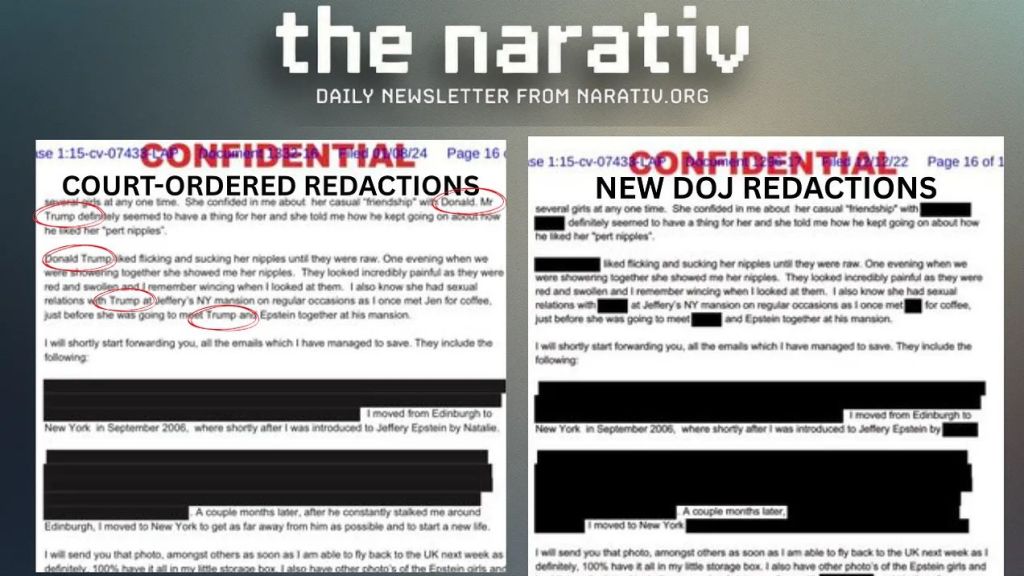

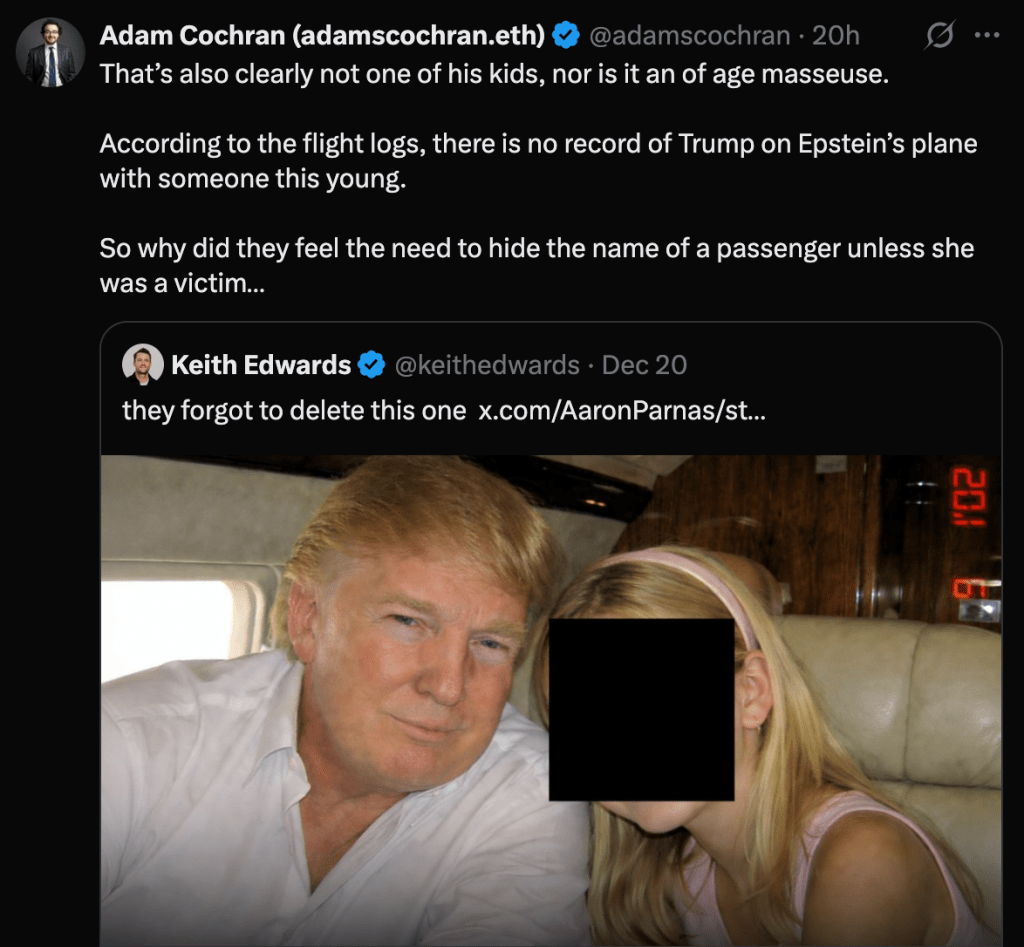
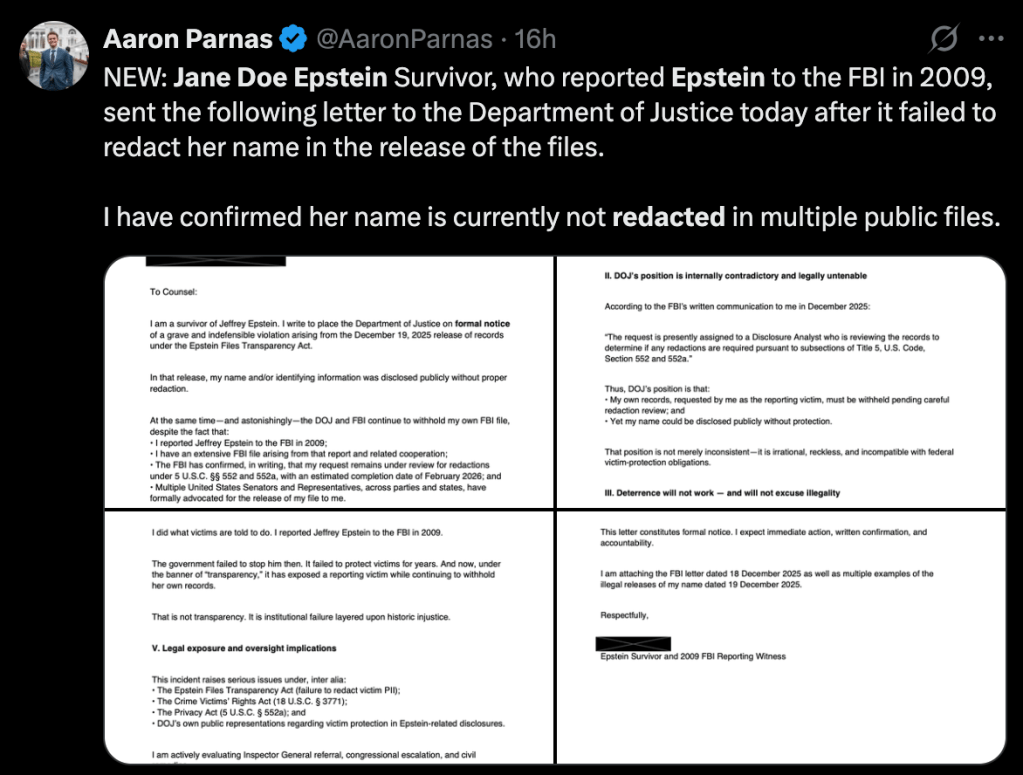

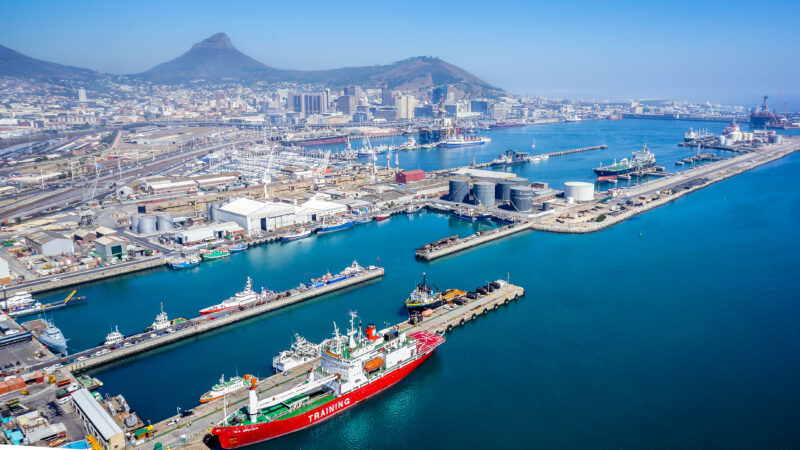
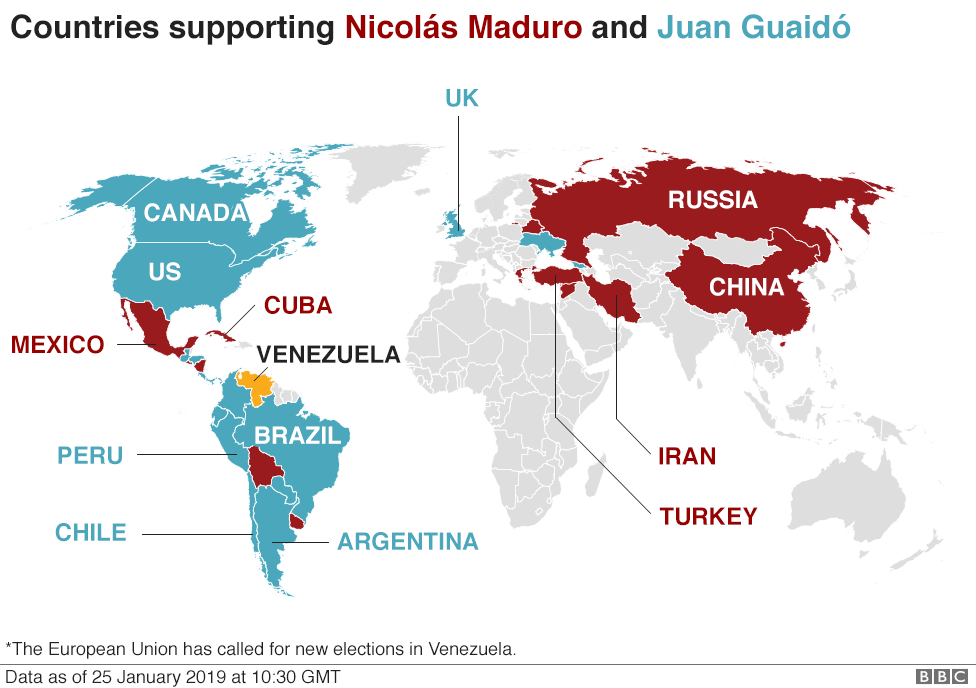


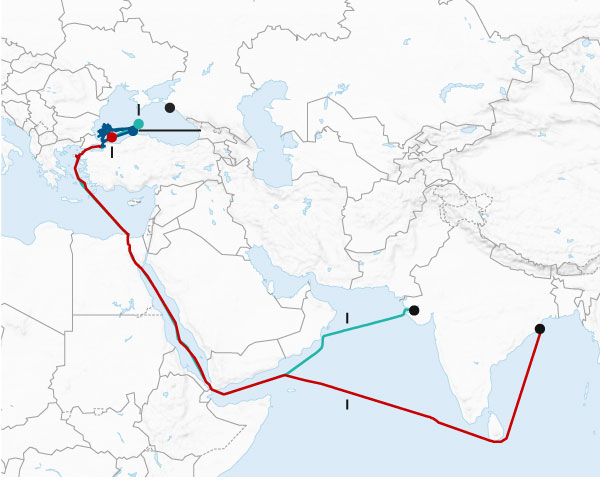

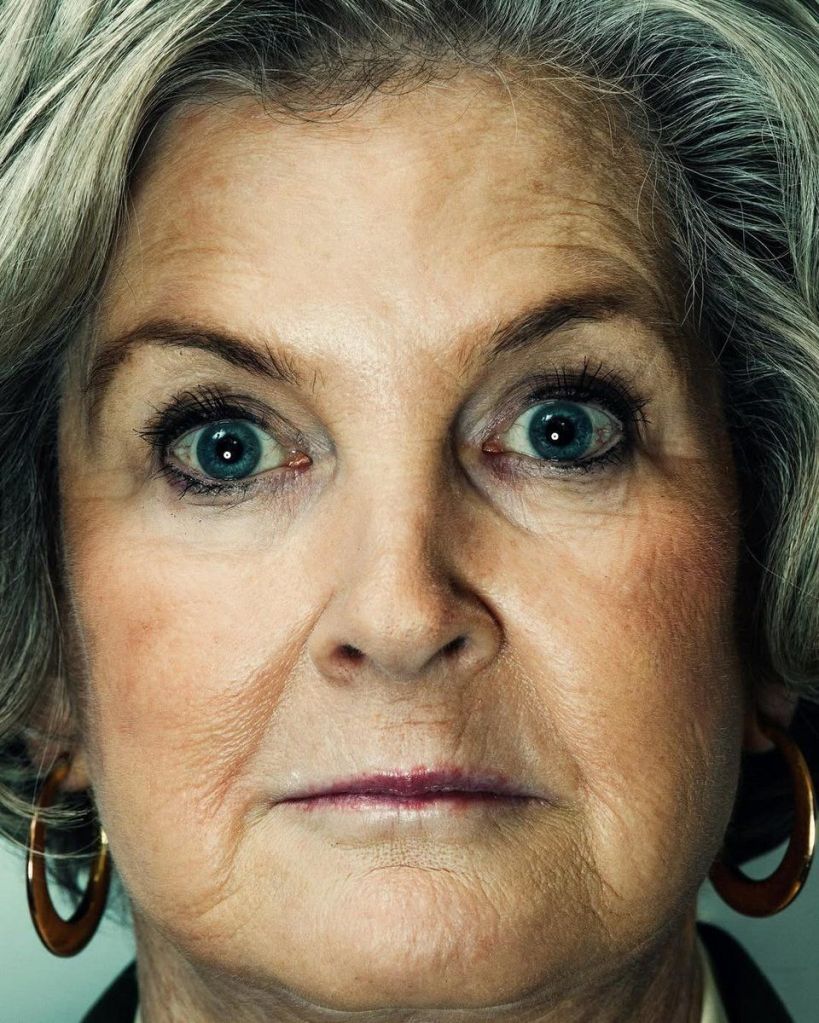




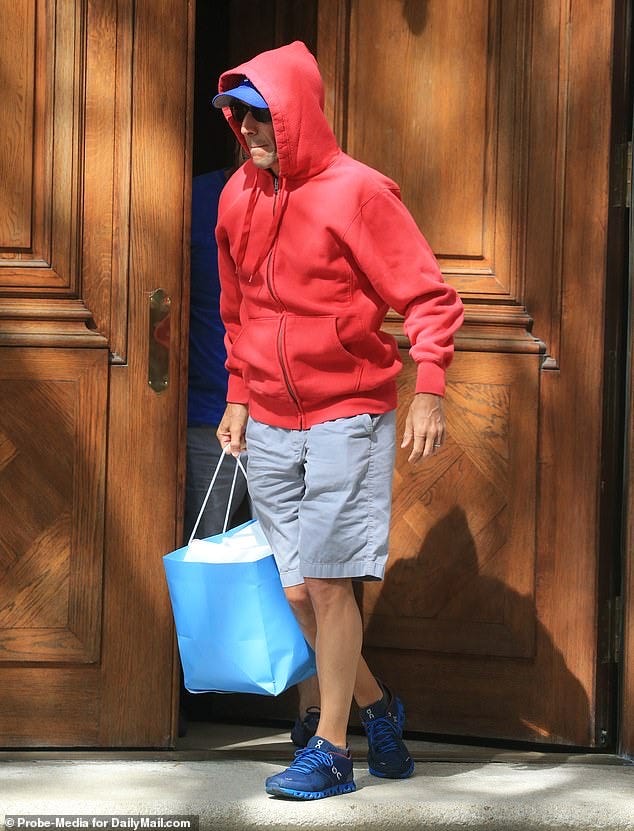
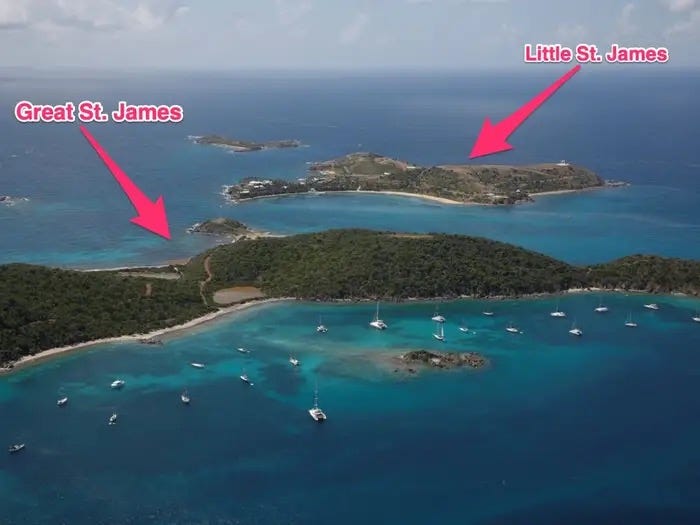
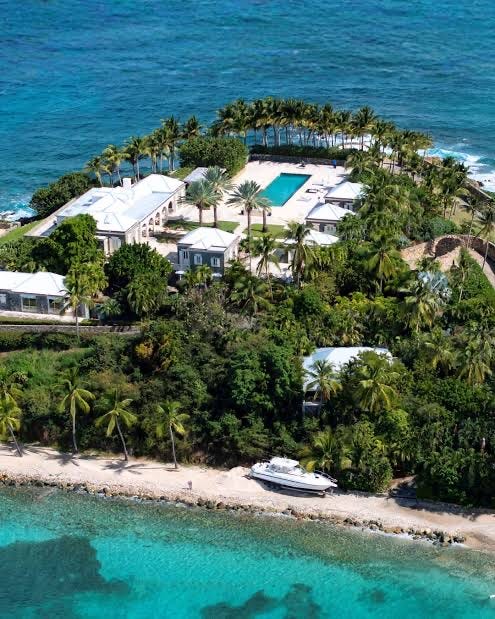
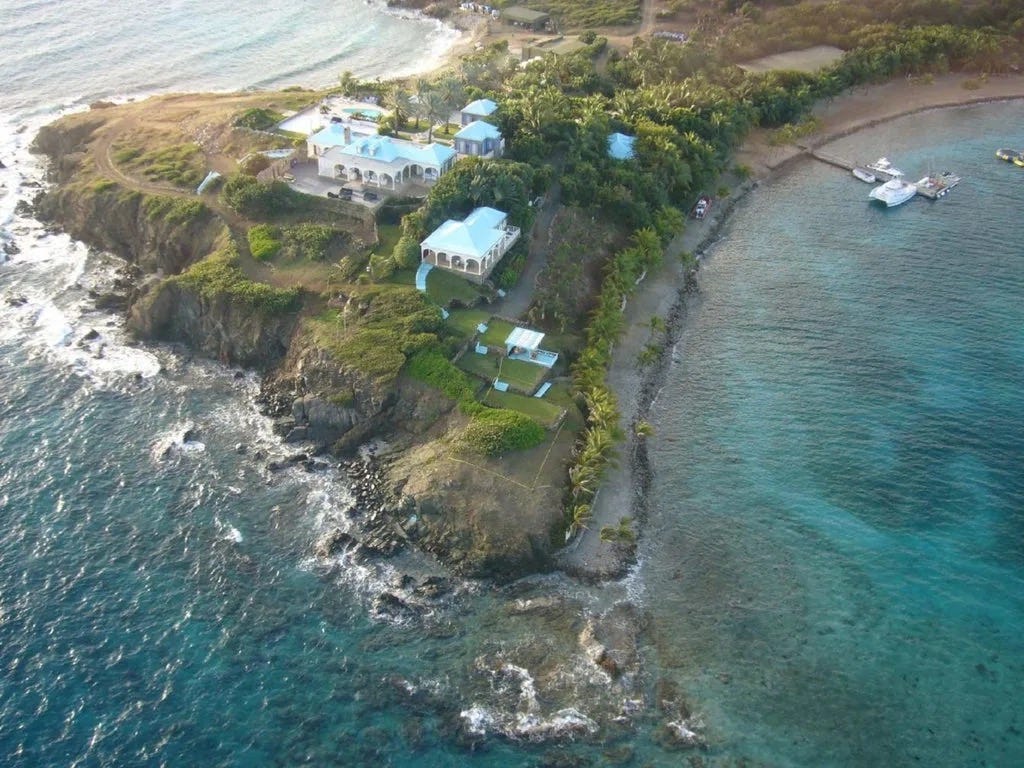
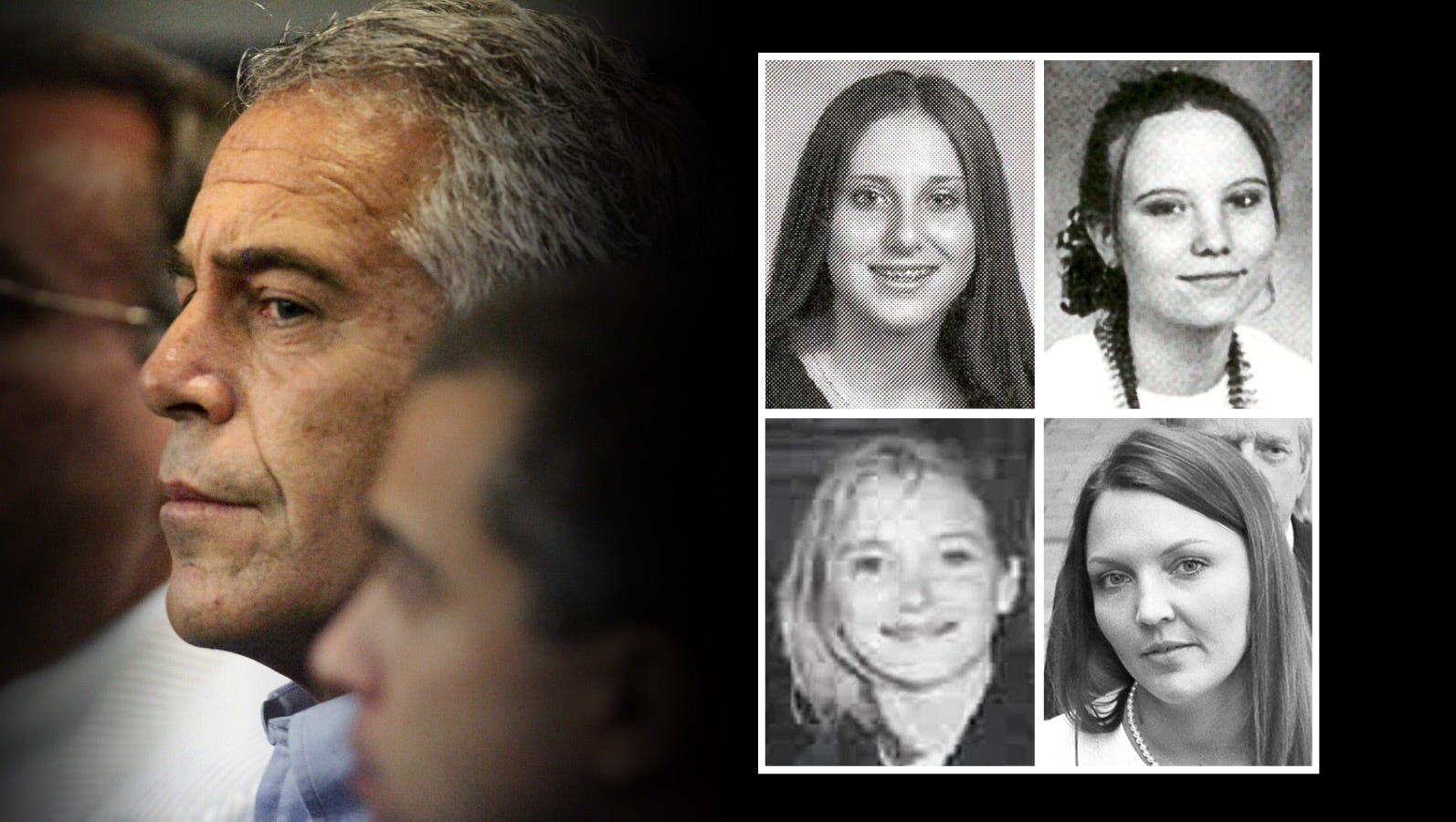
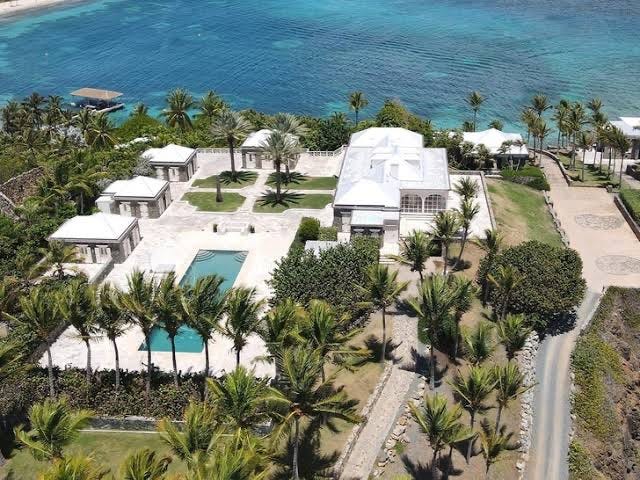
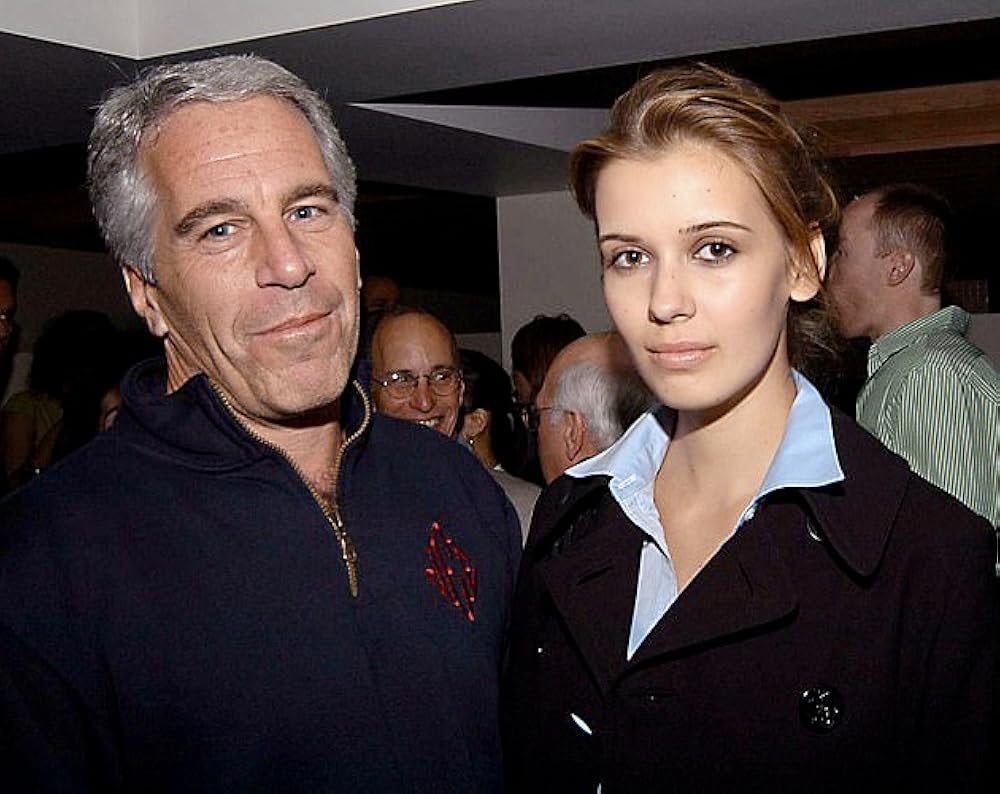

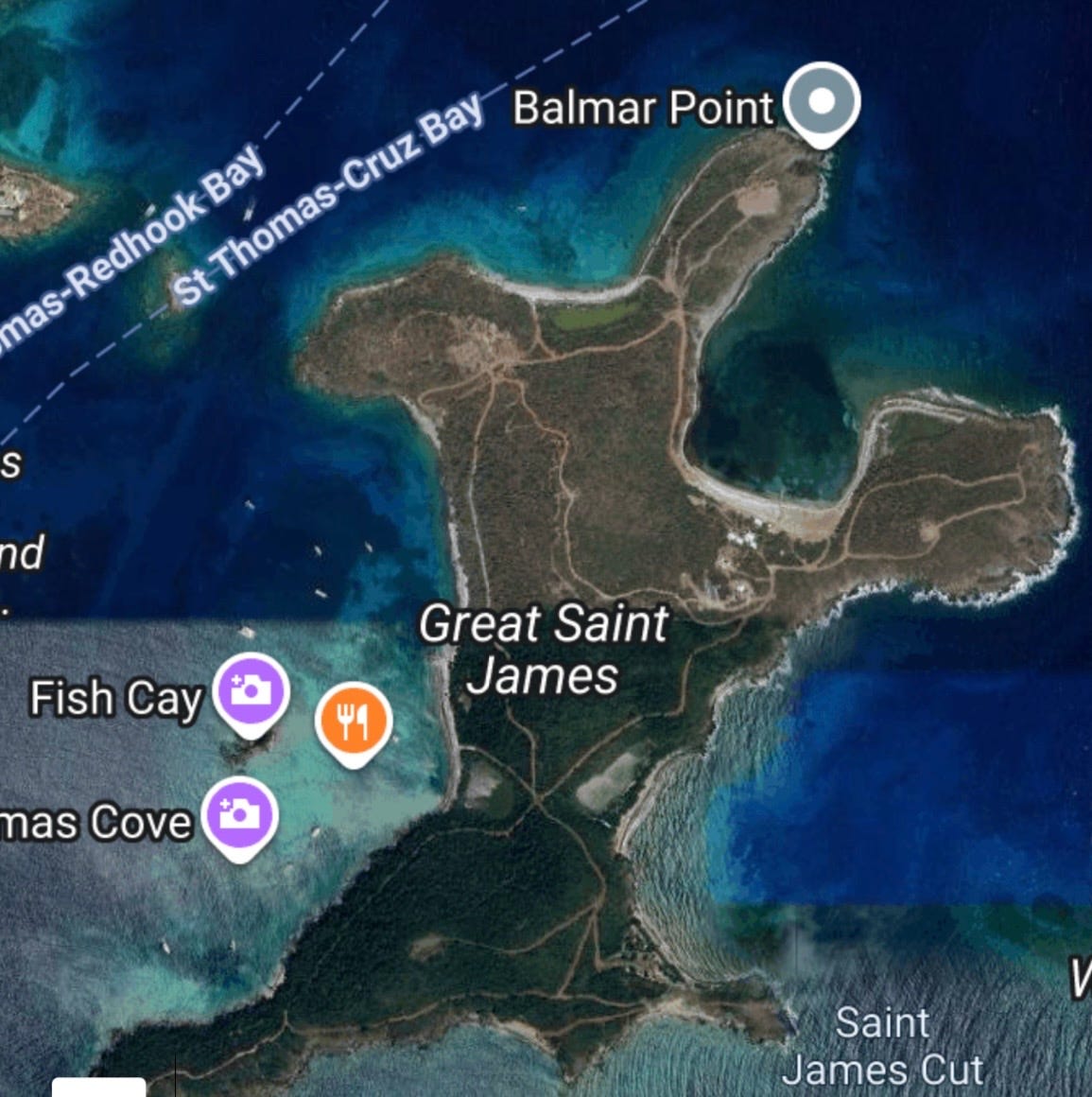
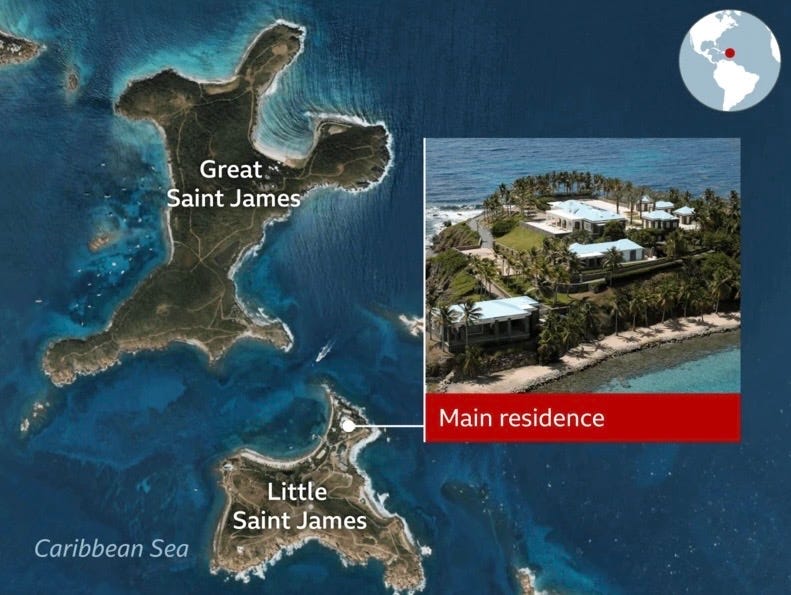
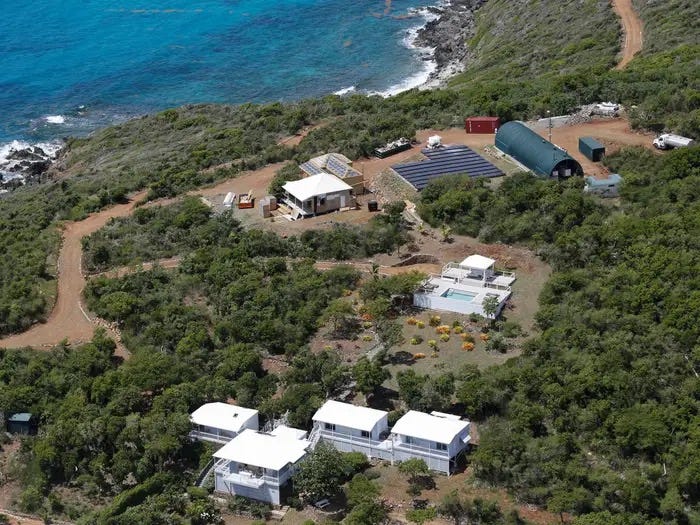

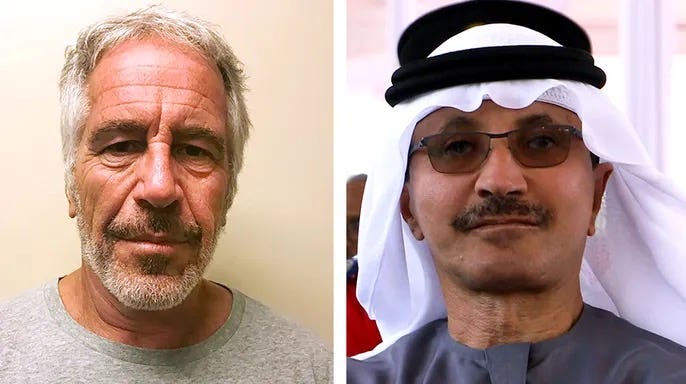
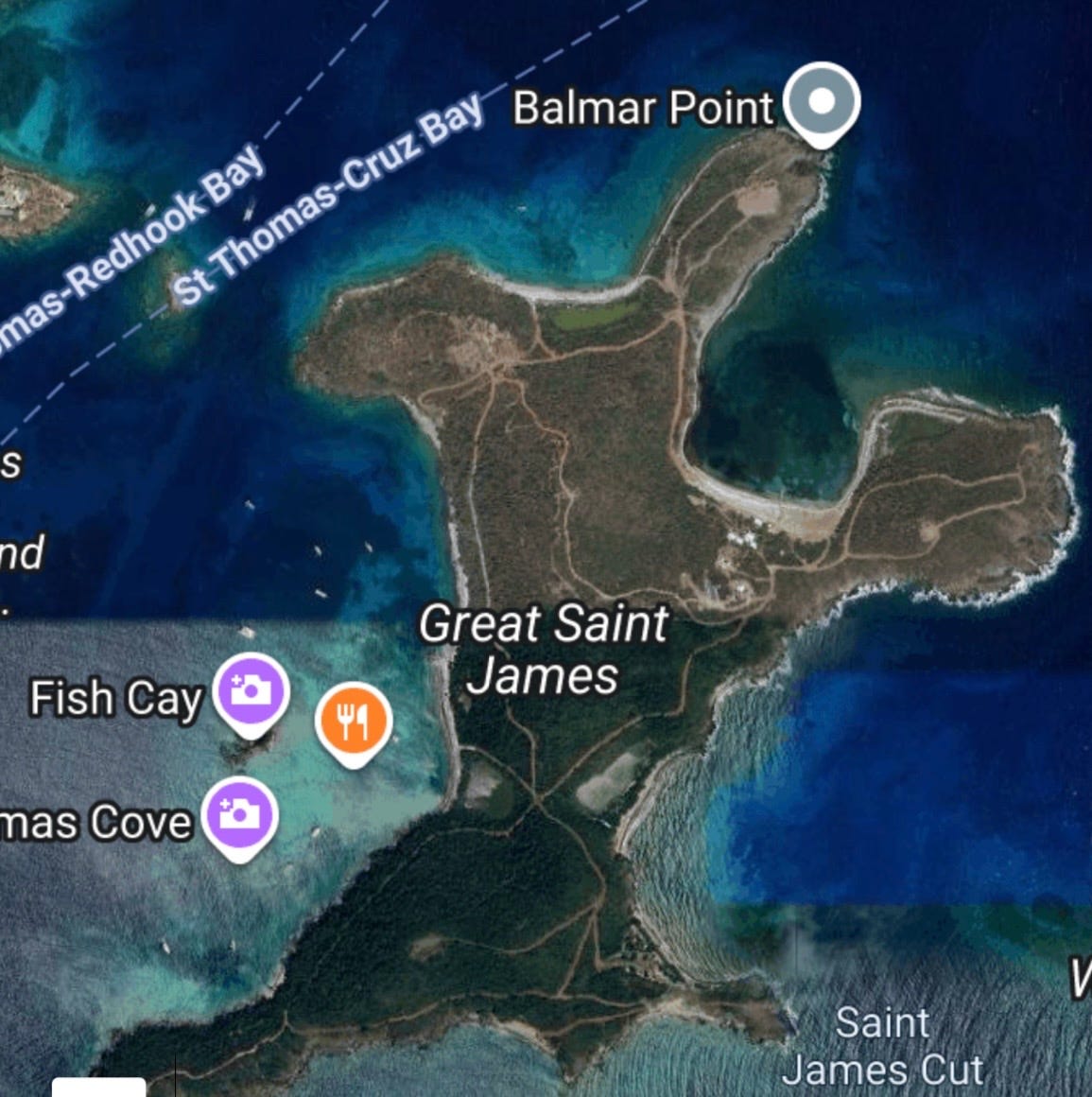
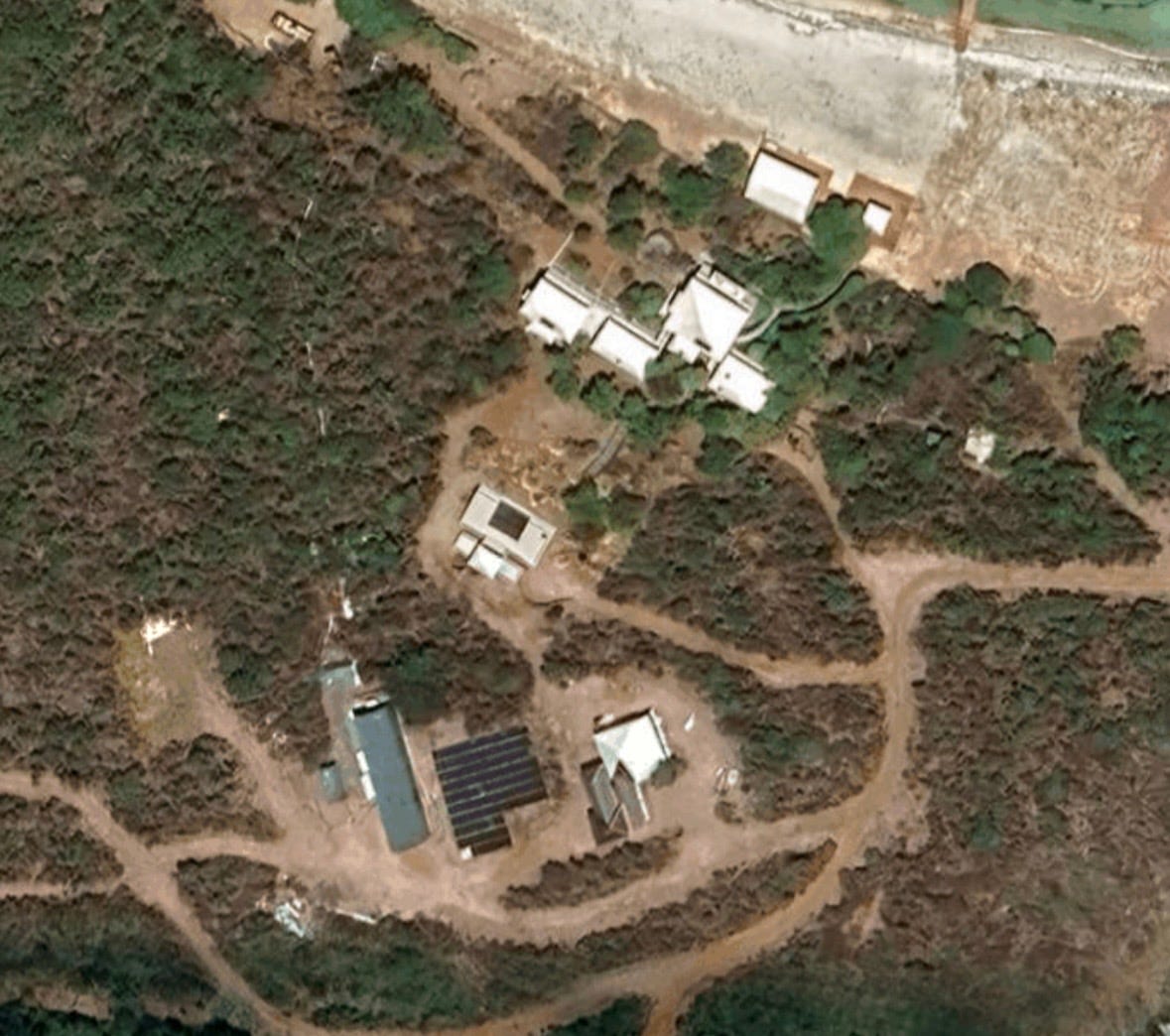
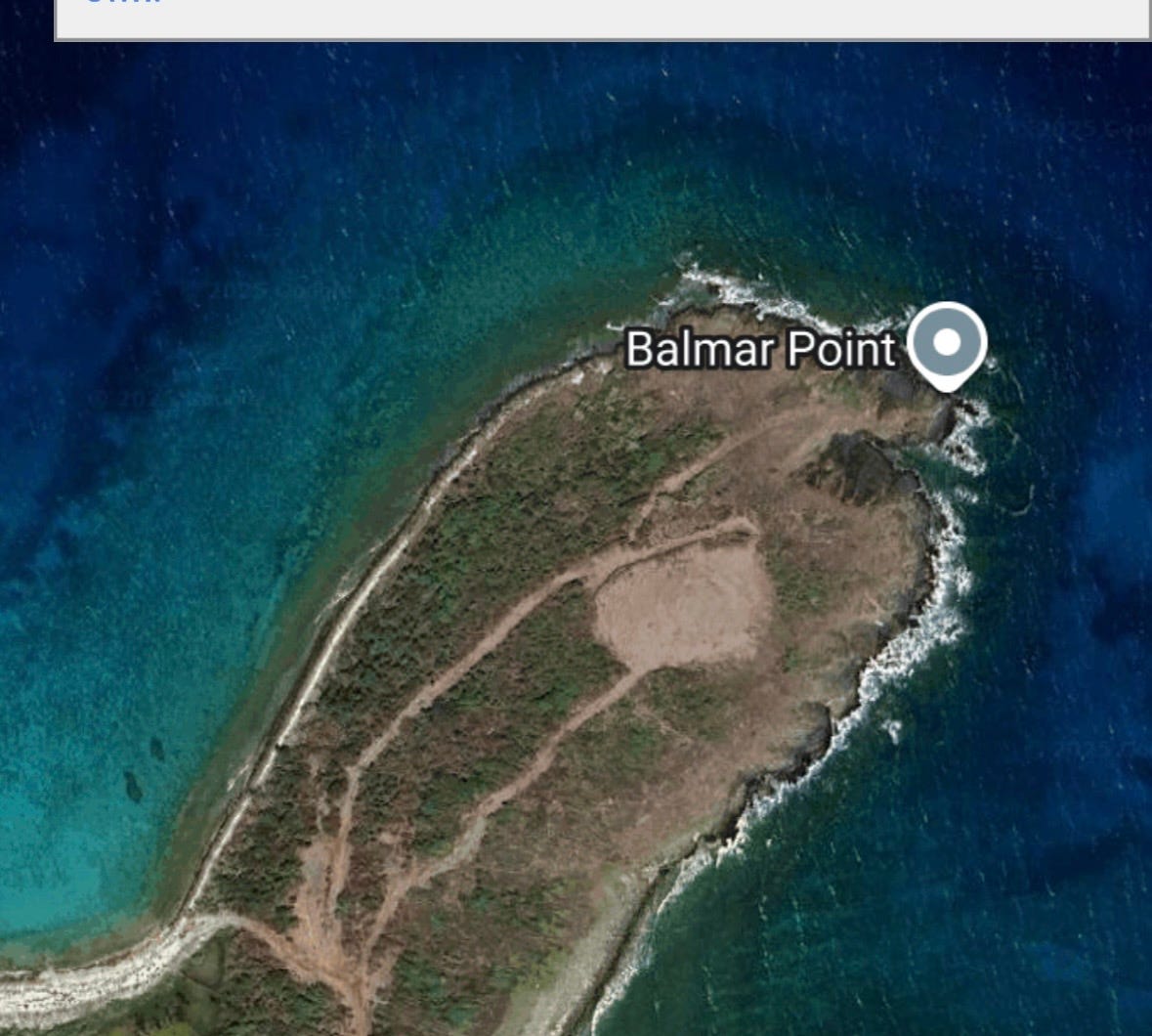
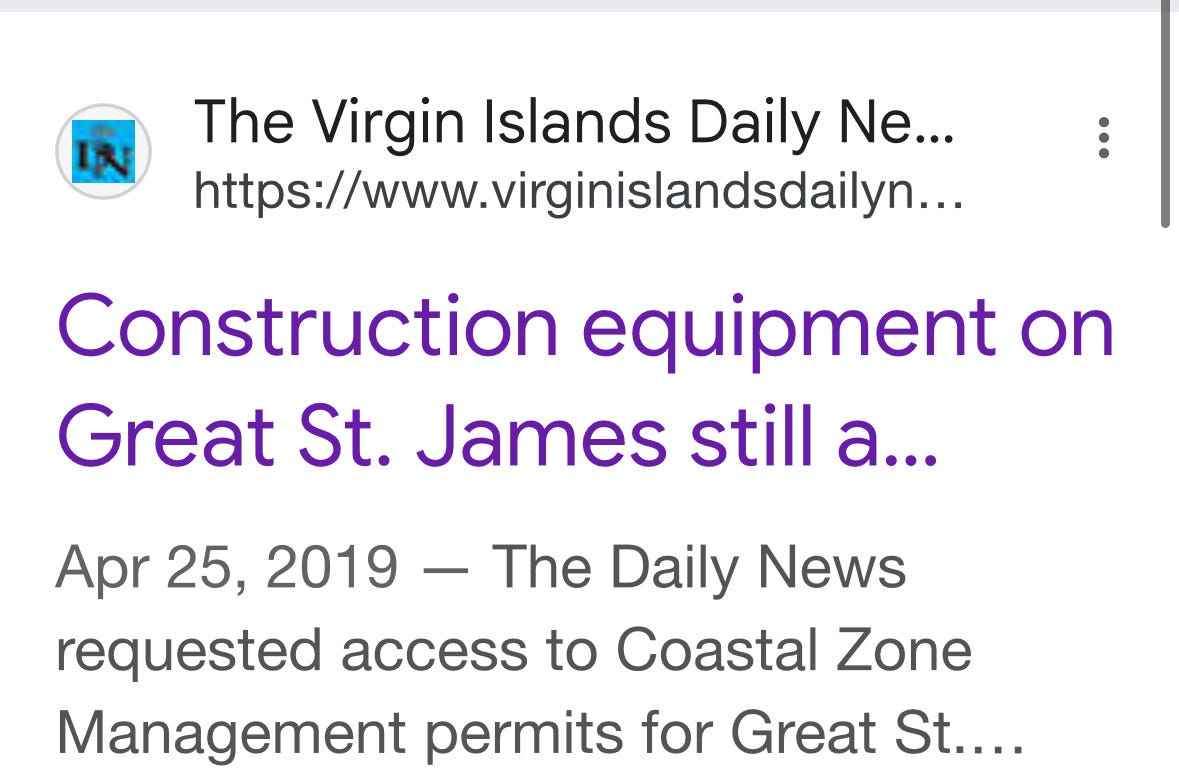
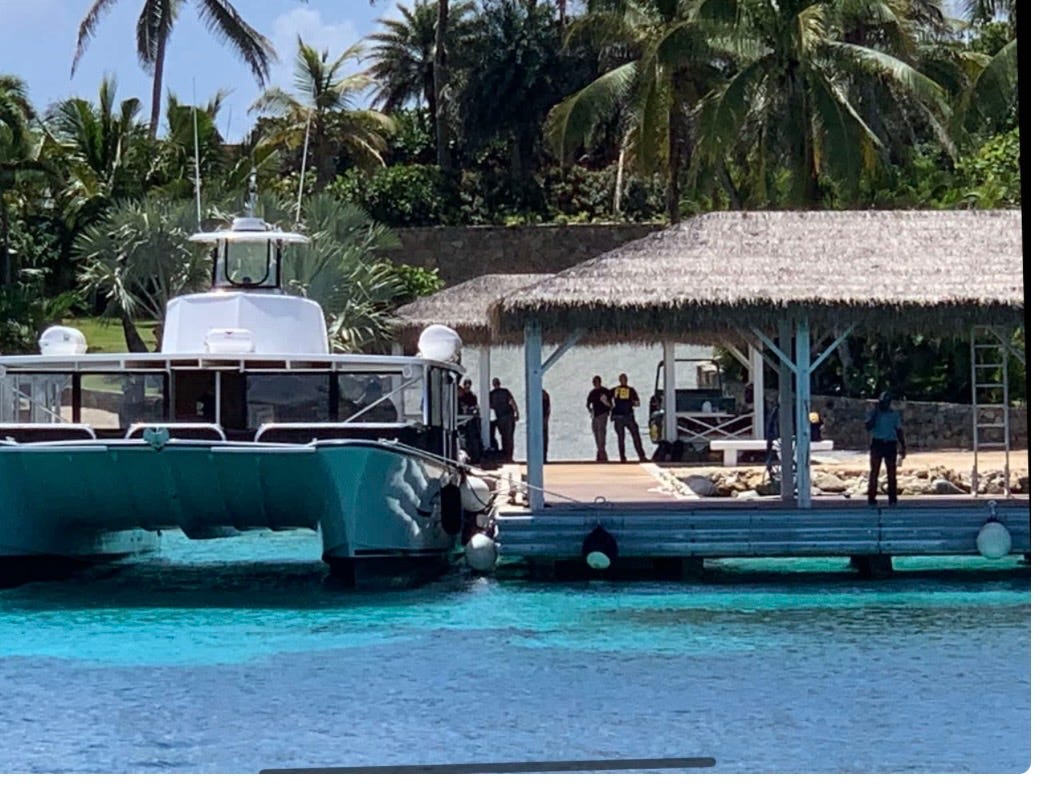

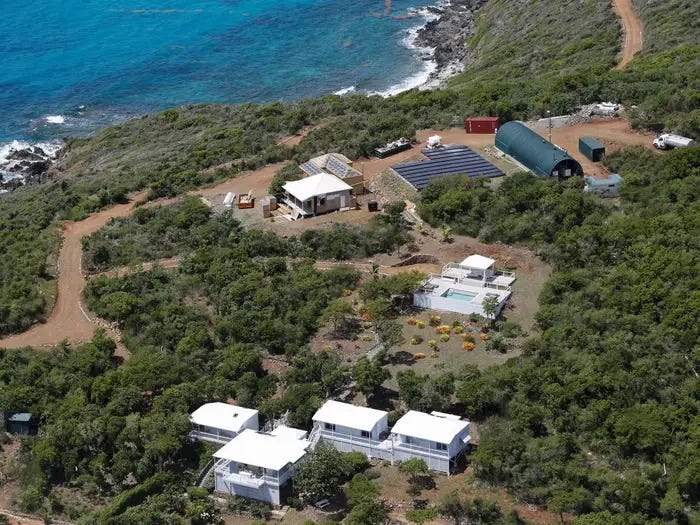
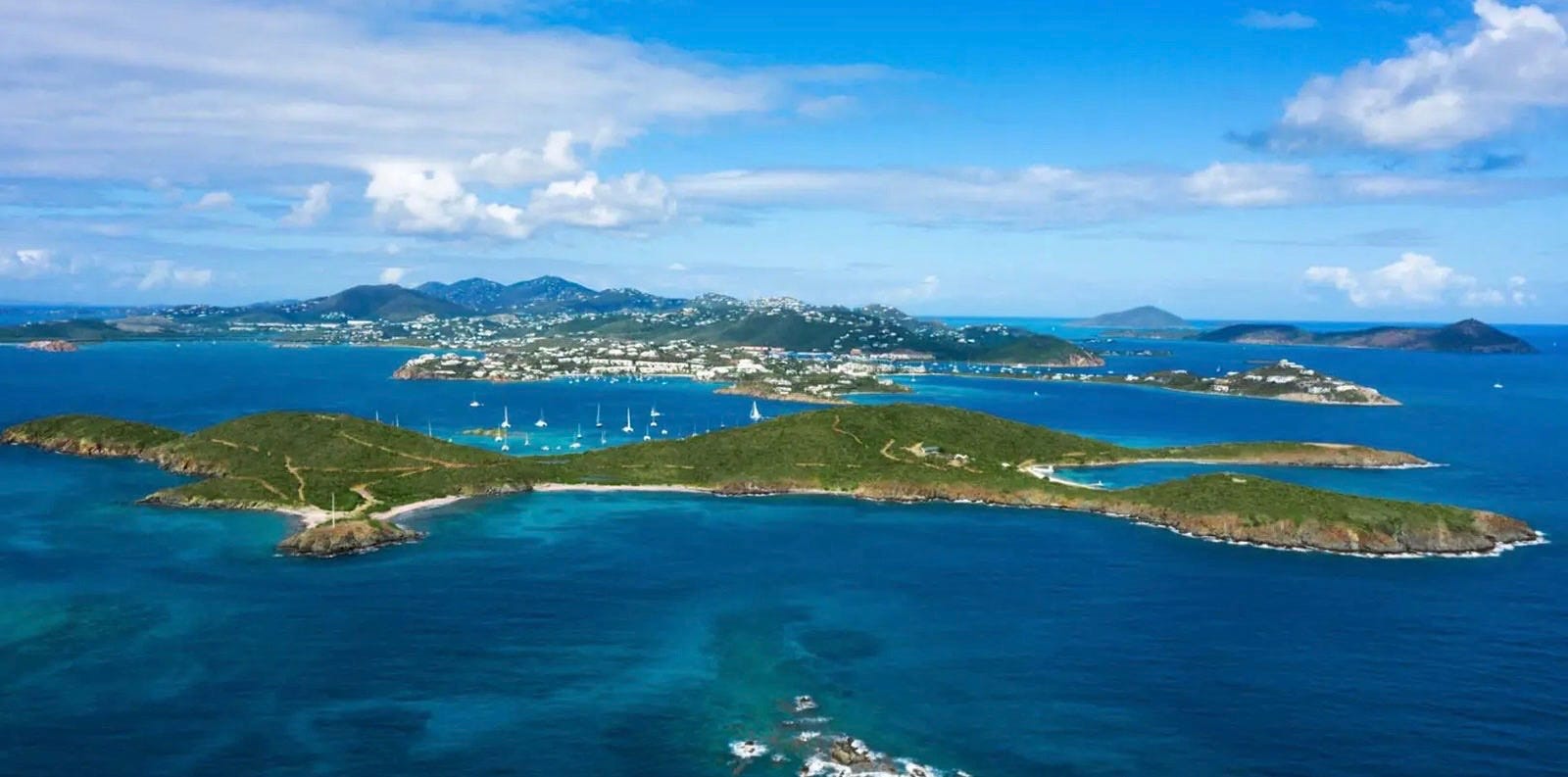
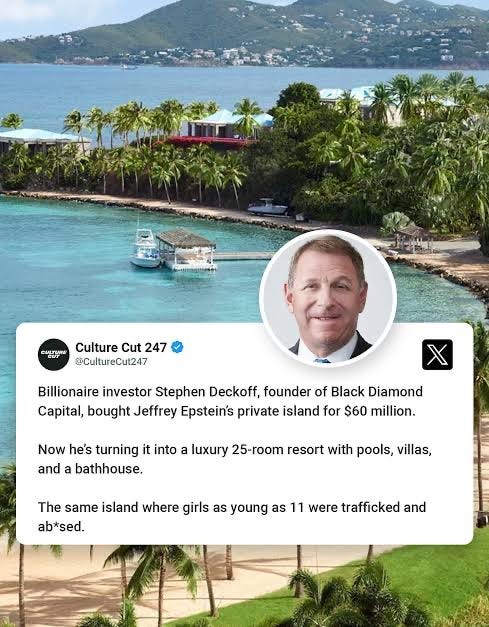

 borderslynn

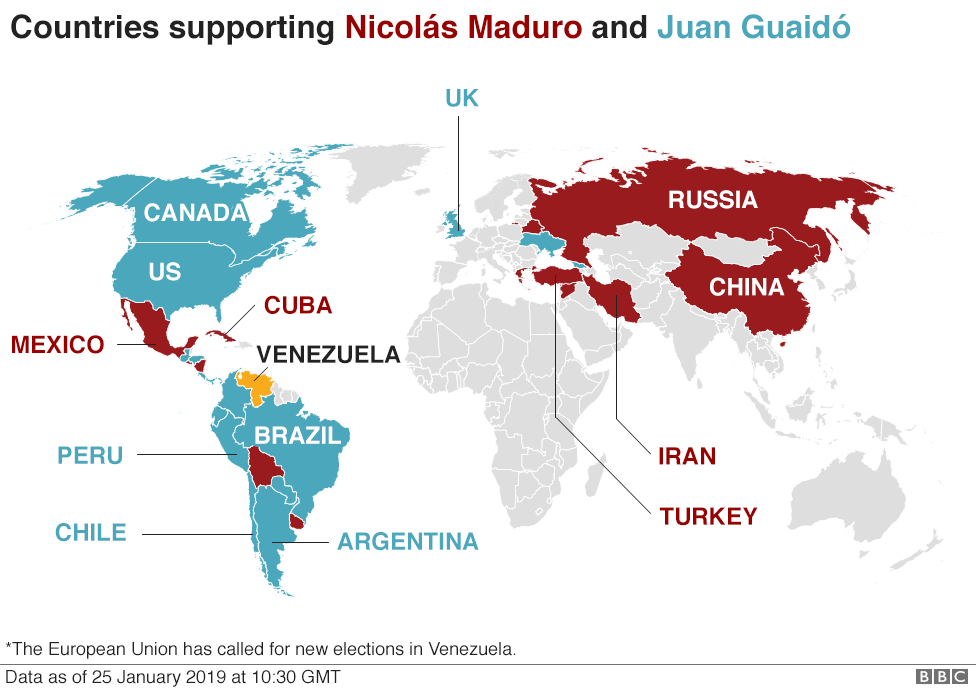
You must be logged in to post a comment.