President Donald Trump made a series of false claims during his prime-time address from the White House on Wednesday night, most of which have been debunked before. Here is a fact check.
Inflation and the economy
Inflation under Trump: Near the end of the speech, Trump falsely claimed, “Inflation is stopped.” Inflation hasn’t stopped; the year-over-year inflation rate in September, 3.0%, was the same as the rate when Trump returned to office in January – in fact, if you go to multiple decimal places, the September rate was a tiny bit higher – and September was the fifth consecutive month the year-over-year rate had increased.
Inflation under Biden: Trump repeated his false claim that “when I took office, inflation was the worst in 48 years, and some would say in the history of our country.”
The year-over-year inflation rate in the last full month of the Biden administration, December 2024, was 2.9%; it was 3.0% in January 2025, the month of Trump’s second inauguration. That’s the same as the most recent available rate at the time Trump spoke on Wednesday, 3.0% in September 2025. (The November rate is scheduled to be released on Thursday morning.) We don’t know who Trump was referring to when he said “some would say,” but neither the December 2024 number nor the January 2025 number was anywhere close to the worst inflation in decades or all time.
It is true that the year-over-year US inflation rate hit about a 40-year high (not a 48-year high) during the Biden administration in June 2022, 9.1%, but even that was not close to the all-time record of 23.7%, set in 1920 – and it occurred more than two years before Trump returned. Inflation had plummeted before Trump’s inauguration.
The cumulative increase in prices from the beginning of the Biden administration to the end was also not the worst in US history. Federal figures show that cumulative inflation under Biden was less than half of that during President Jimmy Carter’s term.
Grocery prices: After noting that the price of eggs has plummeted since March, Trump added, “And everything else is falling rapidly.” That is not true even if he was talking specifically about grocery prices, which are up this year. Consumer Price Index data shows that a far greater number of grocery items have increased in price since he returned to office than have decreased. The most recent available CPI figures at the time he spoke on Wednesday, for September, showed that average grocery prices were up about 2.7% from September 2024; about 1.4% from January 2025, the month Trump returned to office; and about 0.3% from August to September.
It’s possible the November data, scheduled to be released on Thursday, will show a month-to-month decline in grocery prices, but grocery prices will almost certainly still be up for Trump’s term.
Prescription drug prices: Trump repeated his false claim that an executive order he issued on prescription drug prices will cut those prices by “as much as 400, 500, and even 600%.” These figures are mathematically impossible; if the president magically got the companies to reduce the prices of all of their drugs to $0, that would be a 100% cut. You can read a longer fact check here.
Gas prices: Trump said, “Gasoline is now under $2.50 a gallon in much of the country, and some states it by the way just hit $1.99 a gallon.” These claims need context.
As of Wednesday, there were only four states whose average price for a gallon of regular gas was below $2.50, according to data published by AAA: Oklahoma, Arkansas, Iowa and Colorado. (Nine more states had averages between $2.50 and $2.60 per gallon.) The AAA national average was $2.905 per gallon.
No state had an average below Oklahoma’s $2.339 per gallon. And while some individual stations around the country were offering gas for $1.99 per gallon or less, the number was tiny; Patrick De Haan, head of petroleum analysis for the firm GasBuddy, estimated that it was between 75 and 100 stations of the tens of thousands GasBuddy tracks around the country. (That doesn’t include others offering special discounts.)
Investment in the US this year: Trump repeated his false claim that there has been “$18 trillion” in investment in the US during his second presidency, saying Wednesday, “I’ve secured a record-breaking $18 trillion of investment into the United States.” This figure is fiction. At the time he spoke on Wednesday, the White House’s own website said the figure was “$9.6 trillion,” and even that is a major exaggeration; a detailed CNN review in October found the White House was counting trillions of dollars in vague investment pledges, pledges that were about “bilateral trade” or “economic exchange” rather than investment in the US, or vague statements that didn’t even rise to the level of pledges. You can read more here.
Immigration and foreign policy
Trump and wars: Trump repeated his false claim that he has ended eight wars this year, saying Wednesday, “I’ve restored American strength, settled eight wars in 10 months.” While Trump has played a role in resolving some conflicts (at least temporarily), the “eight” figure is a clear exaggeration.
Trump has previously explained that his list of supposed wars settled includes a war between Egypt and Ethiopia, but that wasn’t actually a war; it is a long-running diplomatic dispute about a major Ethiopian dam project on a tributary of the Nile River. Trump’s list includes another supposed war that didn’t actually occur during his presidency, between Serbia and Kosovo. (He has sometimes claimed to have prevented the eruption of a new war between those two entities, providing few details about what he meant, but that is different than settling an actual war.) And his list includes a supposed success in ending a war involving the Democratic Republic of Congo and Rwanda, but that war has continued despite a peace agreement brokered by the Trump administration this year – which was never signed by the leading rebel coalition doing the fighting.
Trump’s list also includes an armed conflict between Thailand and Cambodia, where fighting erupted again this month and continued into this week despite a peace agreement brokered by the Trump administration earlier in the year.
One can debate the importance of Trump’s role in having ended the other conflicts on his list, or fairly question whether some have truly ended; for example, killing continued in Gaza in November after the October ceasefire deal between Israel and Hamas. Regardless, Trump’s “eight” figure is obviously too big.
Migration and Biden: Trump repeated his false claim that “25 million” migrants entered the country under Biden. The “25 million” figure is false; even Trump’s previous “21 million” figure was a wild exaggeration. Through December 2024, the last full month under the Biden administration, the federal government had recorded under 11 million nationwide “encounters” with migrants during that administration, including millions who were rapidly expelled from the country. Even adding in the so-called gotaways who evaded detection, estimated by House Republicans as being roughly 2.2 million, there’s no way the total was even close to what Trump has said.
A US Army soldier closes a gate at the US-Mexico border in Eagle Pass, Texas, on January 24, after President Donald Trump ordered additional military personnel to the border with Mexico as part of a flurry of steps to tackle immigration. Charly Triballeau/AFP/Getty Images/File
Trump also repeated his unsubstantiated claim that, during the Biden administration, foreign countries emptied their prisons and mental institutions to somehow send the people in them to the US as migrants, claiming that “many” members of the supposed “army of 25 million people” were “from prisons and jails, mental institutions and insane asylums.” Trump has never provided corroboration for such claims about foreign countries in general or the specific places he has named in the past: Venezuela and “the Congo.” Experts on Venezuela, the Democratic Republic of Congo and the neighboring Republic of Congo said during the Biden administration that they had seen no basis for Trump’s stories, the governments of both of the Congo countries told CNN the stories are false, and an expert on the global prison population told CNN she saw “absolutely no evidence” of any country emptying its prisons to somehow release prisoners into the US.
Other topics
Trump’s bill and Social Security: Trump repeated his false claim that the big domestic policy bill he signed earlier this year includes “no tax on Social Security.” The legislation did create an additional, temporary $6,000-per-year tax deduction for individuals age 65 and older (with a smaller deduction for individuals earning $75,000 per year or more), but the White House itself has implicitly acknowledged that millions of Social Security recipients age 65 and older will continue to pay taxes on their benefits – and that new deduction, which expires in 2028, doesn’t even apply to the Social Security recipients who are younger than 65.
Biden, crime and law enforcement: Trump falsely claimed that, under Biden, there was “crime at record levels, with law enforcement and words such as that just absolutely forbidden.” Neither of these two claims is true.
There was no ban on the phrase “law enforcement” under Biden; the Biden administration itself used the phraserepeatedly. And crime wasn’t even close to an all-time high under Biden. Crime in the US was far higher in the early 1990s and at various points of the 1970s and 1980s than it has been in the 2020s under either Biden or Trump.
Murder spiked nationally amid the turmoil of the early stages of the Covid-19 pandemic, under both Trump in 2020 and Biden in 2021. But FBI data showed that both violent crime and property crime declined nationally under Biden in 2023 and 2024. Trump has challenged the FBI data, and while it does have flaws and limitations, there is simply no basis for the notion that crime was at a record high during the Biden era.
This story has been updated with additional details.
Reid Weingarten served on Jeffrey Epstein’s defense team in 2019, though the two men had spoken for many years and it’s unclear when Epstein retained Weingarten as counsel. I have kept in all the spelling errors.
The Panicked Writer is a reader-supported publication. To receive new posts and support my work, consider becoming a free or paid subscriber.
JE: have one of your cronys ask to see the mortgage to mara lago cash from the electricinas union,, ( his driver MAtt was the bag man , later made an exec at the public co. ) and the 30 million dollar loan from the casino to Donald trump. backdated,
7/2/2014 10:18 AM – 2:42 PM
JE: Speak?
RW: On my way to atlantic city…thinking of helping a client “steal” the revel casino…(in bankruptcy)…he wants to give me a piece…you want in?
JE: No but you should tLk to Nick ribbis knows it inside and out
RW: Is he a friend of yours?
JE: Very
RW: God guy?
JE: Been beaten up by trump , promoter , he is strIght with me and will with my direction , be with you
JE: [Rape lawsuits against Donald Trump linked to former TV producer] www.theguardian.com > US News > Donald Trump July 7, 2016 – Lawsuits accusing Donald Trump of sexually assaulting a child in the 1990s appear to have been …. follows a near-identical suit in California that made the same allegations against Trump and Epstein.
1/11/2017 11:52 PM – 3:19 PM
JE: if not in florida do you have any plans to be in new york next week.
RW: Going through florida…then end of the week nyc
JE: Thursday new york? my birthday fri
RW: Craziest shit happening…trying to deliver el chapo to barack instead of trump….figuring out my schedule next week. let you know
RW: 2-3 weeks but Not sure how it will roll….supposed to be serious riots here may 1….lefties are pissed and trump said p.r. can fuck itself….what’s with you?
JE: new york fun your girl is in the DR . i have no idea
RW: Do you know if your boy Barrack is close witha lebanese/nigerian biz guy named chagoury
JE: I don’t but with details can ask
7/26/2017 3:12 PM
RW: Chagoury about to get indicted in l.a….wants me to rep him…supposed to be close to your guy
10/15/2017 5:59 AM – 4:11 PM
JE: “In the last 10 months, we have followed through on one promise after another,” Mr. Trump told the Values Voter Summit in Washington. “I didn’t have a schedule. But if I did have a schedule, I would say we are substantially ahead of schedule.”
RW: Is the point of this he is totally divorced from reality?
RW: Trump’s handpicked sdnyusa just authorized a search warrant of trump’s private lawyer’s office looking for trump communications…..had to justify it with crime-fraud exception….trump has to be shitting water
RW: Do you have 5 minutes today? You could actually help me on something I think… (mizrahi bank wants to hire me)
9/25/2018 11:42 AM
JE: where?
Looking back to an article in Esquire, Nov 2025:
The Epstein Emails Are Hinting at a Bombshell Revelation About Trump
Even with the feds closing in on him, Epstein was seemingly auditioning for a chance to throw the president to the wolves.By Charles P. PiercePublished: Nov 14, 2025 5:10 PM EST
And in the Miami Herald some recent questions asked of Julie Brown, the first reporter to pursue sex crimes against young girls by Epstein:
SOUTH FLORIDA Five questions about Jeffrey Epstein with Miami Herald reporter Julie K. Brown By Julie K. Brown Updated July 25, 2025 6:25 PM
…………extract:
Q: Deputy Attorney General Todd Blanche met with Ghislaine Maxwell on Thursday, and the U.S. House Oversight Committee plans to talk with her in August. What kind of information do you think Maxwell could reveal? A: Ghislaine Maxwell knows pretty much everything, I think. She was what the victims consider the mastermind of Epstein’s sex trafficking organization. She was recruiting women to both work for Epstein and help schedule his trysts with these girls, these massage sessions, as they were called at the time. But she started the ball rolling by going into spas and gyms throughout Palm Beach and giving her business card to to young girls and telling them, “You know, I work for a very wealthy man. He is looking for a masseuse. You can make a lot of money.” And that’s what got the ball rolling. Some of the victims consider her in some aspects worse than Epstein because they felt safe with her. Here was this woman that was a very nurturing kind of personality, very bubbly, telling them that this man’s fine, he’s going to help you. And they trusted her to some degree. So then to learn that she was part of the crime was a real betrayal to them because they were sort of tricked into this world by Ghislaine Maxwell.
Weingarten argued that because Epstein did not force or coerce any of the girls to do things against their will, he should not be charged under sex-trafficking statutes which he said were enacted to protect girls from being forcibly raped by “15-20 guys” in a brothel under threat of violence.
There was no rape here, Weingarten said, although maybe Epstein did engage in “maybe a lot of prostitution.”
That prompted Judge Pitman to interject and question Weingarten’s legal reasoning.
“Isn’t it rape if the girls are underage?” the Judge asked.
Weingarten paused for a moment: “well…statutory maybe,” before moving on.
Law+Crime reported that the packed gallery ‘responded with a combination of audible laughter and shocked gasps as Epstein’s attorney appeared to be admitting his client had committed rape.’
Weingarten addressed his gaffe, telling Pitman his reference to statutory rape was a “senior moment,” insisting Epstein had not committed statutory rape because there was “no penetration.”
And as in January 2026 we will see the release of the film about the current First Lady, produced by Brett Ratner, what did he know about sexual misconduct?
Six women accuse filmmaker Brett Ratner of sexual harassment or misconduct
In interviews with the Los Angeles Times, six women — including actresses Olivia Munn and Natasha Henstridge — accused filmmaker Brett Ratner of a range of sexual harassment and misconduct that allegedly took place in private homes, on movie sets or at industry events.
More Epstein and Brett Ratner images in latest release from DOJ:
An image of Brett Ratner and Jean-Luc Brunel that was released by the Department of Justice as part of their release of information relating to Jeffrey Epstein.DOJ
Re: above, who is Barrack?:
Close friend of Trump investigated over alleged €170m tax evasion
This article is more than 8 years old
Real estate mogul Thomas Barrack, under investigation in Italy, played a critical role in Trump’s 2016 US presidential campaign
A close friend and major fundraiser for Donald Trump is under investigation in Italy for allegedly evading €170m (£147m, $190m) in taxes after the sale of a luxury resort on Sardinia’s Emerald Coast, the beach playground frequented by Gulf Arabs and Russian oligarchs.
Thomas Barrack played a critical role in Trump’s 2016 election campaign and inauguration and has been described as one of the president’s key advisers outside the West Wing.
At the heart of allegations against Barrack in Italy are claims that he and associates in his private equity firm, Colony Capital, orchestrated a complicated scheme involving Luxembourg-based companies to shield tens of millions of euros from Italian tax authorities after Colony’s 2012 sale of the Costa Smeralda resort to Qatar for €600m ($670m).
As President Bola Tinubu’s administration deepens its grip on Nigeria’s public institutions, one name continues to surface behind the scenes of major deals, diplomatic flights, and controversial infrastructure projects:
Gilbert Ramez Chagoury, a Lebanese-Nigerian billionaire businessman, convicted money launderer, and former bag man for Nigeria’s late military dictator, Sani Abacha.
While his name rarely appears in official press releases, Chagoury’s fingerprints are visible across key decisions and financial flows under Tinubu’s administration, raising serious questions about state capture, corruption, and influence trading at the highest levels of government.
Today, Ellie Leonard (Substack, The Panicked), worked on transposing Landon Thomas Jr.’s emails with Trump, Ellie inserting relevant information for readers to understand the context:
A former portfolio manager at Morgan Stanley, Landon Thomas handled investments in Turkey, Pakistan, and the Middle East, before coming to work at the New York Times in 2002. Prior to that, Thomas had written the now well-known article “International Moneyman of Mystery” for New York Magazine, profiling Jeffrey Epstein as an enigmatic financial kingpin whose fortune origins and career path were hard to pin down. It’s unknown whether Thomas continued to correspond with Epstein between 2002 and 2015, when his emails began, as documented by the House Oversight Committee, but for the next three years they had quite a lot to say about people like Alan Dershowitz, Mohammed bin Salman (MBS), and of course Donald Trump. I have included all the original spelling errors.
The Panicked Writer is a reader-supported publication. To receive new posts and support my work, consider becoming a free or paid subscriber.
12/8/2015 5:41 PM – 10:59 PM
LT: Now everyone coming to me thinking I have juicy info on you and Trump. Because of this. “’I’ve known Jeff for fifteen years. Terrific guy,’ Trump booms from a speakerphone. ‘He’s a lot of fun to be with. It is even said that he likes beautiful women as much as I do, and many of them are on the younger side. No doubt about it — Jeffrey enjoys his social life.’” That story will never die
JE: research how he paid for mara lago . matt was his bagman, , trump shuttle. . trump casino review sec filing to see the backdates taking of money
JE: read the uzz feed re my airplane logs and hawain tropic contest. / have them ask my houseman about donad almost walking through the door leaving his nose print on the glass as young women were swimming in the pool and he was so focused he walked straight into the door.
JE: would you like photos of Donald and girls in bikinis in my kitchen.
LT: Yes!!!
Landon Thomas Jr. – The New York Times
JE: when we bet that marla maples was pregnant , i olst and sent him 10,ooo dollars of baby food. the hawain tropic girls all have photos he was the judge
LT: I am serious man — for the good of the nation why not try to get some of this out there. I would not do it myself, but would pass on to a political reporter.[Court Papers: Trump Ate At Jeffrey Epstein’s House]
Epstein and Celina Midelfart
JE: (Broken link “celina midelfart the queen of glamour”) my 20 year old girlfriend in 93, , that after two years i gave to donald
LT: Do you mind if I pass Petrella’s contact on to the political reporter? I won’t do it unless you say OK because after that I would have no say as to where story goes. Let me know — its not a big deal for me either way. But at some point this stuff will come out — as long he continues to top polls.
LT: I am kind of shocked that our reporters did not contact you re the Trump/women story. Seems to me he got off rather lightly. How are you doing?
JE: Me too.
6/1/2016 3:25 PM – 4:00 PM
LT: Keep getting calls from that guy doing a book on you — John Connolly. He seems very interested in your relationship with the news media. I told him you were a hell of a guy:) One oddity: he said he had been told that that quote from Trump about you in the original NY Mag story had been manufactured. ie, that I did not actually speak to Donald. Which is bull shit of course. I am sure that is what Trump told him as they have been getting a lot of questions from reporters about you. He actually seemed to be a sensible guy/solid reporter — just from the few conversations I had with him. I think he is close to finishing up. Did you ever speak to him?
JE: no
LT: are you still getting calls from reporters re Trump?
JE: every day
LT: everyone except the NYT it seems:) yes or no question: does he win?
JE: ask me august
Donald Trump speaks with supporters at a campaign rally in Phoenix, Arizona, in June 2016 – Gage Skidmore
6/22/2016 4:15 PM
LT: Any big finance names out there supporting trump that we have not heard about? We are trying to get an angle on who is supporting and who is not.
9/16/2016 5:08 PM – 8:56 PM
LT: I am getting worried. Is he ever going to implode?
JE: too late
LT: you think he will win?
JE: ask again 30th
LT: Lets catch up next time you are in NYC. NYT is making me write more on markets now and I don’t really know who to believe any more re where the market is going these days.
JE: no place else to invest for alpha, your children are rich
LT: If you knew Trump was going to win, how would you position your portfolio?
JE: five me a number ill call
LT: [REDACTED]
10/17/2016 5:57
LT: I have been called in to help on a big NYT investigation into how low oil prices have been affecting the personal finances of royal family in Saudi Arabia. Obviously they called in much of their cash form the likes of BlackRock and others but I thought you might have some ideas. Maybe some people to talk to? I would think its more than cutting down on yachts and private planes or selling real estate in Paris, Istanbul, London. Any thoughts? PS: does my story on Abraaj get me a meeting with Gates next time he is in town:)
10/18/2016 7:04 AM
JE: words that you to refer to one thing, USA . the stock market / the Royal family, . are no longer very useful. In politics the USA meant the white house. now there is pentagon. cia, state, and congress in addition, each feels empowered to act more independantly. stock market even in tech, needs bio tech, consuner tech. infrastructure tech. etc. same with Royal family, there are 20k members of a tribe. called the royal family, the words are misleading. if your article is focused on bin salman, or the very top. no one is wondering where they can find the local Costco.. but they are aware that a message needs to be sent to their population , regarding the next 20 years, social media, and the selfie crowds post the best of everything, their cutest pictures the amazing food , the luxury resorts. the masses see these things and the difference between expectations and reality widen, the anger grows. trump is tapped in. with the passage of the 9 11 saudi bill, unlike the french revolution where it was the people of france that revolted against their own aristocracty, with the internet and globalization of discontect it is now the americans that can revolt against the saudi leadership. it is the americans that are demanding women drive. not the Saudis
10/19/2016 9:41 AM – 3:02 PM
LT: Interesting. CEO of big finance form told me that the Saudis (SAMA)have withdrawn $200 billion that has been parked with usual suspects over the past year or so. That number seem in line with what you know?
JE: most of the saudi money is tied up in pe funds. no withdrawals allowed . and im not seeing much in the secondary market. . blackrock is more money market , more like custodian than investor .
Remunance.com
LT: what is your back of the envelope guess as to much saudi money tied up in such funds?
JE: sorry, no good handle without digging
LT: I have spoken to a lot of ceos of fund outfits who say Saudis have been pulling billions of dollars in separate money — not just from BR. And plus I cant believe they would have so much tied up in lock ups.
LT: You called it! How are you positioned re market?
JE: long dow , short yen euro and pound. long reits,
LT: who is treasury secretary? Is Mnuchin a done deal? Seems too obvious.
JE: number?
LT: 212 556 3821
11/14/2016 2:51 PM – 2:59 PM
LT: Any further intel on Treasury? Priebus choice suggests to me that he may go for a bigger name in treasury than Mnuchin. Someone to underscore/push forward this notion that he is Reagan 2.0 (as some are suggesting.) I am just not sure who that person would be. The Trump trade certainly seems to have legs — all the Hillary loving hedgies I am talking to are congratulating themselves for making so much money last week. They are all Trump lovers now!
JE: no intel but lots of profits
LT: do you agree with my thesis?
JE: no, they don’t have many loyal people that have gravitas. . it will be somewhat random but he is being advised to do as you suggest but he doesn’t like advice in teneral. he has no loyalty ZERO tossed christie after being his best friend. in four seconds flat.
Chris Christie – AP
LT: yeah, but that was a smart move — made him look presidential. everything he has done so far suggests to me he is going to do what you told me months ago: appoint competent people beneath him who he trusts AND who will not fuck things up. Christie was not one of those people.
LT: How are you explaining this to your Saudi friends? Can’t believe logical people like Barrack would support such insanity.
JE: oh no , you too/ I have been fielding similar emails calls texts ALL DAY, it will all turn out ok. shaking things up will bring about hopefully positive change. . he won and his people won , this is what his people want. cant be sore losers.
The Muslim Travel Ban, 2017 – ABCNews
LT: I gave him benefit of doubt on a whole bunch of stuff and agree that we need to shake things up. But this ban is just wrong and I really don’t see how it helps him.
1/29/2017 9:59 AM
JE: IT helps as he is seen to be keeping his word, it is important with putin and north korea. as you notice north korea has not fired there missile that he promised wouldn’t happen. Obama was never able to effecturate that. . that being said Donald is fucking crazy I told you that
2/3/2017 3:43 PM
LT: Do you think he gets what he wants? [An Early Trump Backer Awaits His Reward] Interesting piece on cognitive science/Trump. Right down your alley. (Broken “Trump fog” link.)
2/15/2017 3:48 PM
LT: I am writing a story about how markets keep ripping ahead despite political craziness. VIX so low, etc. You must get a lot of this in talking to clients — people freaking out about headlines as markets hit new highs. How do you spin this to them? One hedgie Trump supporter told me that Trump is the highest beta prez ever — ie the highs will be high but so will be the lows. Question: how closely does DJT track market moves? I know he tweets about Dow 20,000 but how aware do you think he is about how market really betting big on him. Does he talk to Barrack about this? Cohn?
LT: Seems to me he is a natural guy for you; he is going to be in Florida in March for some Trump event. I know some of his financial guys pretty well: I might try to facilitate something if you are not opposed.
Masayoshi Son, “Masa,” CEO of SoftBank – Getty Images
JE: great , thanks, or new york , or this weekend as Donald arrives at 5pm tonight
LT: OK. Let me see what I can do. What is the latest from the inner circle?
JE: they believe all on track, . tax policy, big changes. . law and order and immigration. . . jobs. . however russia not going away anytime soon. . lots of people with magnifying glasses.
3/9/2017 3:30 PM
LT: Trying to get you in with Masa crowd. Some resistance though, due to all the headlines/controversy — as you might expect. I tell them about your relationship with Saudis/Gates/Trump crowd, but still doubts. Working on it!
LT: I was in Toledo Ohio yesterday drilling down on small business animal spirits: amazing how bullish they are there — for all of DJT’s craziness, his ability to present himself as a small biz owner pissed off about regulations/health care/anti-business sentiment in White House was a brilliant stroke. They really dig him down there….
JE: foot off the brake
2019:
A former New York Times staffer quietly left the paper after revealing he had solicited charitable donations from Jeffrey Epstein
Former New York Times financial journalist Landon Thomas Jr. left the paper after revealing to editors he solicited charitable donations from Jeffrey Epstein, NPR reported Thursday.
Thomas Jr. reportedly told his editors he became friends with the disgraced financier after profiling him in 2008. He had asked Epstein to make a $30,000 donation to a Harlem cultural center in 2017.
The Times issued a statement confirming his exit and called his solicitation “a clear violation” of their ethics policy, NPR said.
Thomas’ action “was a shocking lapse of journalistic standards,” an unnamed source with the Times told The Daily Beast.
A former New York Times reporter was ousted from the publication after asking convicted sex offender Jeffrey Epstein to make a $30,000 charitable donation, NPR reported Thursday.
Financial journalist Landon Thomas Jr. told his editors in summer 2018 he had become friends with Epstein after covering the financier years earlier, according to the report. He also revealed he’d convinced Epstein to donate the five-figure sum to a Harlem cultural center in 2017.
Thomas tried to convince his editors that Epstein was merely a source of information and not a subject he reported on, according to the report, but they rejected the explanation and disavowed him from any professional contact with the disgraced investor.
Measles was almost wiped out due to the brilliant development of the measles vaccine, developed in America, which has saved millions of lives over the years it has been used.
But now misinformation and declining health care standards has resulted in the gradual spread of the potentally fatal disease.
Why?
Crumbling health systems and misinformation fuelling global surge in measles, scientists warn
Experts say that a ‘generational decline in living standards’ could be behind waning rates of vaccination
report by the World Health Organisation (WHO) warning that the rise in measles cases is a consequence of declining vaccine rates – and that other diseases prevented by vaccination could be next.
“It’s a global story,” Dr Kasstan-Dabush told The Independent. “The issue of declining vaccination coverage can’t really be separated from the bigger picture of declining standards of child and adult health.
Measles vaccination rates remain high in the U.S. In 2017, the CDC reported that 94 percent of children entering kindergarten had received two doses of MMR vaccine.83 For the 2018-2019 school year, 94.7 percent of children in kindergarten had received the two recommended doses of MMR vaccine.84
Further, in 2020, 92.4 percent of adolescents 13 to 17 years were reported to have received the two recommended MMR vaccine doses.85
In June 2022, the FDA approved PRIORIX, a live attenuated measles, mumps, and rubella vaccine, manufactured by GlaxoSmithKline.86PRIORIX was initially licensed in Germany in 1997 and according to the CDC, the vaccine has been in use globally in nearly 100 countries.87On June 23, 2022, the CDC’s ACIP voted to approve use of PRIORIX as an option for the MMR vaccine according to the current MMR recommendations and off-label uses.88
IMPORTANT NOTE: NVIC encourages you to become fully informed about Measles and the Measles vaccine by reading all sections in the Table of Contents , which contain many links and resources such as the manufacturer product information inserts, and to speak with one or more trusted health care professionals before making a vaccination decision for yourself or your child. This information is for educational purposes only and is not intended as medical advice.
In American history of the first to the most recent vaccines:
The first two measles vaccines were initially licensed for use in the United States in 1963 and both contain the Edmonston B measles strain isolated by John Enders in 1954. Rubeovax, a live attenuated vaccine, was manufactured by Merck while Pfizer-Vax Measles-K, an inactivated (killed) virus vaccine, was manufactured by Pfizer.1
………
IMPORTANT NOTE: NVIC encourages you to become fully informed about Measles and the Measles vaccine by reading all sections in the Table of Contents , which contain many links and resources such as the manufacturer product information inserts, and to speak with one or more trusted health care professionals before making a vaccination decision for yourself or your child. This information is for educational purposes only and is not intended as medical advice.
Measles vaccine has saved hundreds of thousands of lives
Dec 1, 2025
The World Health Organisation (WHO) has underscored the remarkable progress made in the fight against measles over the past 24 years.
Since 2000, global measles cases have fallen by 71%, dropping from an estimated 38-million to 11-million in 2024 – with improvements driven by vaccination coverage.
Deaths have declined even more dramatically, by 88%, from 777 000 in 2000 to 95 000 in 2024 – the lowest annual estimate in decades.
In total, measles vaccination has prevented nearly 58,7-million deaths worldwide in this period, making it one of the most successful public health interventions in history.
Beyond its public health impact, measles vaccination also delivers tremendous economic returns – yielding $58 for every dollar invested.
reported on Tuesday come from Way of Truth Church in Inman, with eight of those cases coming from household exposures to measles. One new case of measles came from “exposure in a health care setting,” according to the South Carolina Department of Public Health, though more details about that case were not released. The agency encourages those who’ve been potentially exposed to measles to notify their health care provider before coming in so that proper arrangements can be made to protect others.
Trump Administration influence on take up vaccinations:
As part of that effort, the MMR vaccine is required for children to attend public school throughout the country, but many states offer parents the choice to exempt their child for religious or personal reasons. In a media briefing yesterday, South Carolina’s state epidemiologist Linda Bell said that vaccination levels there were simply “lower than hoped for.”
The state has seen vaccination rates of its schools’ students decline from almost 96 percent in 2020 to 93.5 percent in 2025—for context, robust herd immunity from measles requires about 95 percent of the population to be vaccinated, according to the World Health Organization.
Both Secretary of Health and Human Services Robert F. Kennedy, Jr., and President Donald Trump have criticized the shot, suggesting it should be broken up into separate jabs and linking it, without evidence, to autism. Numerous studies have debunked this link.
Sometimes going to a new school or learning new things can be scary. Image by Ernesto Eslava via Pixabay.
Have you ever been scared of something you were told was good for you? Think of the first time you entered a new school…maybe that scared you. You may have been nervous to meet new friends, or to sit in a classroom taught by a teacher you didn’t know. That teacher may be mean, or they might be nice. You don’t know. It’s normal to be worried about new things; however, learning about things that are new to us can help us understand them better.
Why are some people against vaccines?
The fear of vaccines actually started early in history. Some people feared the vaccines Edward Jenner was using to protect them against smallpox. This fear arose because people misunderstood how biology worked. In the 18th century, people didn’t even know that germs caused disease.When cowpox started to be used to prevent smallpox, people were afraid. Click for more detail.
The smallpox vaccine was first associated with a cow virus, cowpox. People were afraid that if they got the vaccine they would grow cow body parts, or they might even turn into a cow! That might sound strange to us today, but for them the vaccine was scary because it was new and people didn’t know how it worked. Additionally, in reality, smallpox vaccines have been made with cowpox, horsepox, and other poxviruses over time. The history is unclear as to what source was being used for virus when, but many poxviruses were able to provide immunity to smallpox.
Fear of vaccines today
Today most people realize a human won’t just start growing cow (or horse or other animal) parts, but fears about vaccines persist. Some of these fears come from misconceptions about vaccines and their safety. One misconception is that the when babies are born, their immune system cannot handle vaccinations. Though infant immune systems are still developing, they are also very strong. Babies come into contact with many germs in the environment that may make them sick. If a baby were given all 14 scheduled vaccines at once, it would only use up 0.1% of a baby’s immune capacity.
December 11, 20255:09 PM GMTUpdated December 11, 2025
Summary
US set to withdraw from WHO next month
WHO chief says it has learned COVID lessons
US was biggest donor to global health agency
GENEVA, Dec 11 (Reuters) – The World Health Organization chief said on Thursday that he was still hoping the U.S. administration would reconsider its decision to withdraw from the organisation next month, saying that its exit would be a loss for the world.
In one of his first acts as U.S. president, Donald Trump signed the order to withdraw, saying the global health agency had mishandled the COVID-19 pandemic and was too close to China. It will take effect on Jan. 22, 2026.
Attorney Ken Starr is most well-known for having authored the Starr Report, which served as the basis for the Clinton impeachment proceedings. But in 2007, Starr joined Jeffrey Epstein’s defense team, which led to the notorious “sweetheart deal.” Starr remained Epstein’s friend until his death in 2019, often counseling Epstein and his friends on how to handle sexual misconduct allegations. This is their correspondence.
The Panicked Writer is a reader-supported publication. To receive new posts and support my work, consider becoming a free or paid subscriber.
11/10/2016 4:03 PM – 10:14 PM
JE: any new york plans
KS: Thanks for checking in. I’ll make some. What timing would work for you?
KS: Darn. On a cruise in the aforementioned Caribbean that week. Weekly Standard post-election cruise. Bad timing on our part. We’ll try for January-February in warm climate, or NY when you’re next there. Many thanks
JE: are you going to stop in st. Thomas on your cruise?
11/19/2016 8:36 PM – 11:11 PM
KS: Greetings! Just got my hands on the itinerary. Alas, no St. Thomas. Back to the drawing board. Hope you’re well. Best, Ken
JE: hope thanksgiving is peaceful . miss talking to you
KS: And to you as well. We’ll be at the Breakers en famille as of Tuesday evening.. Any chance to see you in the Sunshine State? Hugs, Ken
11/20/2016 5:32 AM – 11:00 PM
JE: I’ll be there wed
KS: Fabulous! May I buy you lunch?
JE: great great anytime at your convenience or you can come to the house ,
KS: Jeffrey, sensational! I’ll be there with bells ringing. High noon ok?
JE: perfect
12/18/2016 7:39 PM
JE: if trump fully supports jasta , does that make the constitutional challenge moot
12/25/2016 5:46 PM – 7:39 PM
KS: Hope Santa (swim trunks donned), reindeer and sleigh successfully made it southward. Yuletide hugs, Ken
JE: thx hope this year brings you true peace. you deserve it
KS: A prince art thou. Thank you. Just agreed to handle an appeal — billion-dollar jury verdict in federal court against Johnson & Johnson. Get ready: Representing the hip-replacement plaintiffs. Good friends on both sides. Love ya.
5/19/2018 10:01 AM – 8:25 PM
JE: my good friend Michael wolffe of Fire and Fury fame, .wanted to speak to you totally off the record. thoghts? he wanted some color on indicting a sitting pres, between us , he has seen a draft of one. . ) what does not subject to criminal process mean. ? I assume trump corp has none of the consiutuional baggage?
KS: Happy to do so. Feel free to give Michael my email address. Hugs, Ken
The following is a conversation between Jeffrey Epstein, Ken Starr, and Michael Wolff
JE: Ken – Michael , Michael/ Ken
MW: Ken, delighted to meet. Jeffrey has long told me about your friendship and the respect he has for you. If you send me your mailing address, it would be my pleasure to send you my recent book about the Trump White House. I’m now at work on a sequel focusing on the legal case against Trump and Trump’s response to it. Any counsel and background you might provide would aid me enormously and enrich the book. I, of course, would be willing to talk with you on an entirely off-the-record basis or under any arrangement that suits. Thanks in advance and I look forward to the chance to chat. All best, Michael
KS: Michael: Excellent. With thanks to Jeffrey, I’m delighted to come into your orbit, and look forward to our conversation. My mailing address is: [REDACTED] Warm regards, Ken
8/17/2018 10:14 AM – 10:18 AM
July 30, 2008 photo of Jeffrey Epstein in court in West Palm Beach – Palm Beach Post
KS: Good morning! Jed teaches crim law at Yale. Outspokenly strong on the need for procedural fairness in campus adjudicatory proceedings. Relevant to your friend’s unhappy situation? If so, happy to make the connection. Hugs, Ken
JE: thx
8/22/2018 12:07 PM – 7:17 PM
KS: Can you talk? Impt. [REDACTED]
JE: i vote yes as it makes you relevant to today rather than merely re- reciting an old tale. 🙂 or tail?
JE: I think scholarly but not too much so. no one above the law. . we begin leaving a kingdom. . unlikely to give king like powers to a president. on one above the law. I would like lunch pail joe to come away and think , this guy is smart . I understood . lets see what he writes about the clintons. someone suggested that trump could shoot someone on fifth avenue and not lose a vote. that is true , but would make little sense for him not to suffer an immediate consequence. the allowed civil depo setting precedent for criminal process , is a lawyers outline I might think of dumbing it down , again , and suggesting that you can sue your neighbor , even if your neighbor is the president. makes little sense that the you can be indicted for assaulting him but he cannot if he assaults you. low bar for civil higher bar for criminal. . at some point on your book tour I might point out how disappointed you were that the clinton and betty curries‘ trashcan story , was reopened . .
KS: Wise counsel. Thx!
12/13/2018 4:24 PM
JE: ken ,would you take a stab at the article for the law journal. ? thx
12/15/2018 11:24 AM
KS: Here goes: “Sweetheart deal! “ So goes the critique of the resolution of a long-ago case involving our former client — and now-friend — Jeffrey Epstein. The critique is profoundly misplaced, supported neither by the law or the facts, nor by the structure of our constitutional republic. To the contrary, Jeffrey, Jeffrey was subjected to an unprecedented federal intrusion into a quintessentially local criminal matter in south Florida. His offense to the social order — involving sex for hire — was entirely a matter entrusted to laws of the several States, not the federal government. His conduct — a classic state offense —was being treated exactly that way by able, honest prosecutors in Palm Beach County, but the overweening federal government intruded where it did not belong. And now, over ten years after the fact, the current assault on federal decision-makers at the time, including now-Secretary of Labor Alex Acosta (then the United States Attorney in south Florida), condemns the federal authorities for not going far enough.
Alexander Acosta, former U.S. attorney for the Southern District of Florida – AP
The critics are entirely wrong. Neither the facts nor the law support the misguided criticisms being leveled by journalists and politicians at federal offices from over a decade ago — including the highest levels of the Justice Department in Washington, D.C. .
Here are the key facts: Jeffrey Epstein, a successful self-made businessman with no prior criminal history whatever, engaged in illegal conduct that amounts to solicitation of prostitution. That was wrong, and it was reasonably viewed as a violation of Florida state law. Although no coercion, violence, alcohol, drugs and the like were involved, the unsavory facts were carefully assessed by experienced state prosecutors who aggressively enforce state criminal laws. No one turned a blind eye to potential offenses in the public order. To the contrary, the Palm Beach State Attorney’s Office conducted an extensive 15-month investigation, led by the chief of the Sex Crimes Division. Mr. Epstein was then indicted by a state grand jury on a single felony count of solicitation of prostitution.
During that intense investigation, the state prosecutors extensively gathered and analyzed the evidence, met face-to-face with many of the asserted victims, considered their credibility — or lack thereof — and considered the extent of exculpatory evidence. Then, after months of elaborate negotiations, the state prosecutors believed they had reached a reasoned resolution of the matter that vindicated the public interest — a resolution entirely consistent with that of cases involving other similarly-situated defendants,
Then, in came the feds. The United States Attorney’s Office tried, to no avail, to fit Mr. Epstein’s situation into its vision of what it viewed as a commercial trafficking ring targeting minors. This was anything but. At long last, the federal authorities acknowledged that stark reality and grudgingly agreed to defer prosecution to the state. But there was a huge catch. In the face of our arguments sharply condemning their overreach, the federal prosecutors insisted on many unorthodox requirements that tugged at fundamental values of due process. For example, the agreement required Mr. Epstein to pay an undisclosed list of asserted victims $150,000 each. Even more, the feds insisted that Jeffrey pay for an attorney to represent such unidentified victims if any chose to filed civil litigation against him. When asked what possible legal authority supported this extravagant exercise of national power, the feds lamely cited a wildly inapposite case from Alaska involving cocaine and forced on-the-street prostitution. Apples and oranges.
Under the federally-forced deal, Jefrey was sentenced to jail. That would not have been the case under the agreed-upon state disposition of this non-violent, consensual commercial arrangement. Jeffrey complied, served that sentence, and in the process was treated exactly the same as other state-incarcerated individuals. His conduct was exemplary, and so characterized by the state custodial authorities. He continued to work, including his many philanthropic efforts.
Our friend Jeffrey Epstein has paid his debt to society. He has also paid out millions of dollars to the asserted victims and their highly-creative lawyers. For over ten years, he has lived an exemplary life, including carrying on his wide-ranging philanthropies. Those of us who represented him in the Florida proceedings — for customary professional fees — now count him as a trusted friend.
Our nation faces vitally important challenges, many involving the treatment of women and basic human dignity. Voices are rightly being raised speaking truth to power, especially about women in the workplace. But Jeffrey, an exemplary employer, has long been called to account by the criminal justice system for his misdeeds of yesteryear. In the spirit of the bedrock American belief in second chances, that unhappy chapter in Jeffrey’s otherwise-magnificent life should be allowed to close once and for all.
I try to stay focused on the present and what we can do today to ensure that we fix the mess we are in as a country at the moment.
But I will admit, every so often my mind wanders to the past.
Need to Know by David Rothkopf is a reader-supported publication. To receive new posts and support our work, please consider becoming a free or paid subscriber today.
For example, remember earlier this year when Joe Biden was president? Yes, that’s right. It was earlier this year and not some sepia-toned memory from grandpa and grandma times.
But I also remember specific incidents. One has stuck with me all morning. I tried to remove it with a torrent of TCM movies and a chaser of TikTok, but it didn’t work.
I don’t know why it is so resonant for me. Or so obstinately stuck in my brain box.
It took place in the before times. Back when we had survived one bout of Trump but were recovering as a nation and our hearts were full of hope about the future.
Sigh.
Anyway, my wife and I were at a gala for a ballet company. I know that sounds like just the kind of thing that East Coast liberals do all the time, but to be honest, despite my love of ballet, it was the only time I was ever at a gala for a ballet company. (If you were there too, stop reading at this point because it may become offensive to you depending on who you are and your level of sympathy for assholes.)
(I think I would like to invent some kind of AI equivalent of paywalls that block people from reading further based on their likely reaction to what follows. To protect them, of course.)
In any event, everyone was beautifully dressed and looked very glamorous. Except for me. I was maintaining my resistance to wearing black tie to black tie events because, well, what was all the social progress of the past fifty years for if not to let me not wear black tie. I’ll admit, my resistance may not have been entirely political. It may also have had something to do with those being my pre-Zepbound days and my tux pants not fitting. But I prefer to think it had more to do with my role as a champion of social progress than my vanity.
Anyway, my wife looked glamorous in a spectacular gown. (As an opera singer she has many gowns.) All the donors and would be donors and guests of donors were also glammed to the max. And the ballet company also was there out-glamming everyone.
It was in a glitzy New York setting, one of those places that hosts a gala every night at events where the rich pay to soothe their consciences or for proximity with creative people or activists or just to be near other rich people.
Trust me, although we were among the rich, we were not of the rich.
We were the guests of a friend of Carla’s. (At this point, I think I had better stop identifying people or offering too many more details lest they get me in trouble and I never get invited back any such events again. Which would be a pity. Because the tux pants fit now. Actually, they are too big. Which is something that frankly, I’d like as many people to see as possible.)
Thank you, Eli Lilly.
Anyway, the meal began benignly enough. There was polite conversation. Flattery flowed like wine and the wine flowed like the flattery.
About thirty minutes after everyone sat down for dinner and while the conversation was humming, we were joined at our table by a guy who plunked himself down while still in mid-cell phone conversation, ignoring the rest of us. From the call, he made it very clear that he was in the midst of a big deal. (I’m always tempted to narc on these guys who are spilling sensitive details, using too many companies’ and people’s names and inviting insider trading scandals…especially when they’re doing it just to let us know how important they and the investment bank they work for are. But I restrained myself.)
Once the call was done, he plonks the phone on the table starts shoveling the salad into his mouth and says, while spewing arugula and pine nuts, “So, what’re we talking about?”
The small talk around the table stopped and his wife informed him that we were having a nice conversation about pretty much nothing. She then introduced us and noted that my wife and I were from Washington, DC and that I was someone who was a “political commentator.” That’s not exactly accurate although every once in a while, as you know, drawing on the sense my Mama instilled in me that everyone was interested in my opinions, I do, when I can’t contain myself, opine.
Anyway, that was enough to set him off on why he and his buddies were working hard to get Donald Trump re-elected president. He explained that Trump was the only one who really understood our economy and that the secret to America’s success was to enable the successful among us to do their thing because in the end, that was the way for all the rest of us to ultimately benefit. They were the sled dogs. We were the baggage. Feed the dogs.
I gently pointed out a few problems with his theory—like the fact that the GOP had actually presided over most of the economic downturns of modern times and that Democrats basically spent their time digging out of holes Republicans had put us in.
That’s not true, he said emphatically while demolishing a bread roll. So, calmly, with the warm tones of a friendly school marm, I enumerated each of the seven notable downturns of the past half-century and reminded him that only one, at the end of the Carter Administration, came while a Democrat was president.
He then changed the subject, shifted from ingesting food to guzzling wine, and all too forcefully made the point that Democrats were addicted to spending. I couldn’t help myself and observed that the federal deficit had increased under Nixon, Ford, Reagan, George H.W. Bush, George W. Bush and Trump and that the only times that it had decreased in modern memory were under Carter, Clinton, Obama and Biden.
The conversation went on like this. He grew more insistent in his arguments. (He was after all, a moneybro and I was just an opinion-flogging middle-aged Jewish guy from New Jersey.)
But GDP growth, he said insistently! Nope, I replied. GDP grew on average around 4.3 percent under Dems while under Republicans it grew substantially less fast, only about 2.5 percent.
But…jobs!
No. Of the 51 million jobs created since 1990, roughly 50 million were created under Democrats.
He was furious. My wife nudged me. Or maybe she stabbed me with her salad fork. I’m not sure which, but I still have a mark on my upper thigh.
I tried to change the subjects. He then went on to say that he knew that what Trump intended to do was stand up to the world in the way Democrats were too feckless and weak and woke and diverse to do. He explained, as if it would add weight to his argument, that he was talking with some buddies (undoubtedly over golf…I have a theory that if we closed all the golf courses in America we would be much better off…because there would be fewer inappropriately confident conversations among those who believe their wealth is validation of their wisdom)…anyway, he was talking with his Republican buddies at some club on the Upper East Side and they saw a new boom coming in America because Trump was going to bring back tariffs in a big way and that this was a good way to knock a few foreign heads together and get people to invest and make things here.
I tried to gently bring up Smoot-Hawley and the colossal failure this strategy had helped trigger and he then challenged me, asking me where I, column writer and talking head, got off questioning him, big swinging dick, about this stuff. I pointed out that on trade I had a little experience, that once upon a time, I was Deputy Under Secretary of Commerce for Trade Policy and then for almost half a year I was Acting Under Secretary for International Trade. I also pointed out that most of the jobs he said would be brought back were actually exported to the past and not overseas due to tech-driven increases in productivity. (I did not point out that he probably had made a nice load of cash helping to finance those “efficiencies.”)
Before I could get any more words out of my mouth, however, my wife explained that we needed to go home and change the channel so the dog could watch his favorite show. (Which was a lie. She knew the TV was already tuned to HGTV so he could watch “Love It or List It” all night as was his wont at the time. He has since moved on to “House Hunters International.”)
We made our excuses and left and if I’m being honest with you, she was not happy with me during the car ride back to our hotel. But, hey, I didn’t bring the subject up. I didn’t escalate it. I didn’t go all New Jersey on the guy. I just served up some facts to go along with the filet mignon and the something something on the side that was served with a reduction of something.
But now, in retrospect, after a year of Trump, the thing that sticks with me as I reflect on that moment was just how transcendently and smugly confident this Ivy-league educated, much-wealthier-than-me guy was about his views, which were all, entirely, completely, and subsequently proven again to be totally and inarguably, wrong wrong wrong. Wrong. He was wrong about everything.
That’s clear now, right? I mean we won’t have to explain this again, will we?
The whole myth that Republicans were better at economics just because rich guys liked them is done, right?
That’s all dead and buried along with sensible trade or fiscal policies, our ability to attract the best minds to America, dependable rule of law, and (soon) the independence of the Fed, right?
I mean it must be clear by now that the reason the rich guys like Republicans is that the Republicans were actually not interested in the overall economy at all, they didn’t care about outcomes for the country or the people. They just ensured that, over the course of the past half century, America’s wealthiest got wealthier and wealthier.
They have proven that they-really-don’t-care-do-they that the cost to the economy, to society, was damaging in the long run…and that in turn is because they don’t really care about the long run. The long run is for schmucks. When you have a billion dollars, or even “just” hundreds or tens of millions, you never have to run again. People will run for you. Social collapse doesn’t touch you. Job losses and rising prices don’t matter. Even faltering American competitiveness doesn’t matter because the super rich and super empowered are global citizens, able to tap into upside and exploit downside wherever on the planet they may find it.
They can live above the law. Do what they want. Shatter lives. And toast it all afterwards.
The reason they supported Trump was that they knew he was like them and vice versa. Their metrics of success were his metrics of success. Their blindspots and lack of concern for the world at large meshed with his.
While Democrats were foolishly hung up on economic and social and national security policies for America, these guys were focused on getting through the programs and policies that would ensure they never had to care about any of those things ever again.
And frankly, thinking back on this guy, they actually may even have liked it a little bit that they would do well while everyone else was being screwed. One of the appeals, you see, of being elite, of traveling in the world of galas and limos and dancers performing just for you is that it is all just for you…no crowds…no lines…no wait…no anxiety…no worrying about the rent…no glum talk. No bothersome facts. No ugly realities.
And if you’re lucky, no obnoxious former economic officials to point out just how wrong they are about well, pretty much all of it. (I’m pretty sure that’s where he came out on all this because we were never invited back again.)
Needless to say, the rich guy was right about the election results in 2024 and the earnest ink-stained wretch and sometime Dem activist and wonk was, as it turned out, wrong.
But I was right about what would happen if Trump were elected.
To which, I can hear this guy saying through a fine spray of micro greens, who cares?
Because he is getting what he wanted. And then some. Forty years of GOP and Centrist Dem engineered gains in inequality in this country have been kicked into high gear. Taxes are lower. Regulations are being expunged. Regulatory agencies are being shuttered. Anti-fraud and corruption lawyers are being assigned to help round up Latino nurses and school teachers in Chicago. Corruption at the highest levels of our society is in bloom as never before. The power centers of the entire U.S. government and political system—from White House to Congress to Supreme Court to the donor class who pick so many of our maintstream candidates for high office—are all working to serve the interest of a smaller and smaller subset of America’s elite while the rest of us are left inhabiting the world they are rapidly trying to exist and dealing with the consequences of their rampant, pathological greed.
That said, one other thing strikes me: Just as they are raping the system as never before, the consequences of their action are more visible than ever, more painful to millions. The patter of their con artist front man in the White House is being revealed daily to more and more people as bullshit. Trump can say affordability is a hoax but if your healthcare bill is tripling, energy costs are rising by double digits, food is more expensive and there is no relief in sight…while Trump paints the White House gold and builds a ballroom for billionaires that will dwarf with gut-wrenching metaphorical accuracy “the People’s House”…then the message is clear.
The modern GOP has betrayed its voters, betrayed the country and is just now playing a cynical game of stealing the valuables out of a house it has set alight.
Fortunately, that kind of pain can motivate the masses as it has in the past when the era of trust-busting followed the last Gilded Age or when the nation pulled itself up by its own bootstraps in the wake of the Great Depression.
Around every dinner table in this country…far from the galas and the White House ballroom…there will be Americans who can speak from experience when they debunk the lies of MAGA and Trump, of “trickle down” and “rising tides lift all boats.”
Lessons are being taught in real time. Lived experiences are communicated more forcefully than recounted historical facts.
The politicians may not get it. The rich guys who write the checks for them may not get it. But the abuses are now so egregious, the failures touch so many tens of millions among us, the contempt for those on top for all the rest of us is so clear, that I truly do believe the tide will turn politically for America over the next months and years. 2026 will be an important watershed as Democrats regain control of one or both houses. 2028 will be the year the lies of MAGA are buried with their leader, the most promiscuously dishonest leader in American history.
I don’t necessarily trust our political class and their hired gangs of communicators to get this message through nor do I trust the American media, much of it now largely compromised, to tell the story as they should. But they won’t have to.
Because we can see the truth with our own eyes.
And as in the past, that kind of reality can finally silence the arrogance and smugness of those who think they have outsmarted us all, who think they have gamed not just financial markets but the country and the world.
We know the difference between the myths on which they have depended and the reality we wake up to every morning.
I only wish that after our collective voices are heard, I could once again sit opposite my dinner debate opponent and ask him, gently, of course, what he thought was behind the political earthquake that came once Americans demanded leaders who put the people ahead of the billionaires and their buddies.
But, I don’t expect it will happen. Because, as you may have guessed, we’ve never been invited back to join these people at that or any other fancy dress galas.
Need to Know by David Rothkopf is a reader-supported publication. To receive new posts and support my work, consider becoming a free or paid subscriber.
The view from Al Jazeera journalists of the additional trauma adding to the Gazans long term suffering as Storm Byron drowns their fragile existence:
Heavy rains flood tents sheltering the displaced, heaping misery on Gaza
Flooding worsens the crisis for Palestinian families, as an acute Israeli-enforced aid shortage threatens those uprooted multiple times by the genocidal war.
Heavy rain floods the Abu Marhil Camp in the Zeitoun neighbourhood in Gaza City. [Hamza ZH Qraiqea/Anadolu]
Heavy rainfall in advance of Storm Byron began before dawn on Wednesday, submerging thousands of tents in several areas across the besieged and bombarded territory.
Palestinian Civil Defence spokesman Mahmoud Basal warned in a video statement of an “imminent humanitarian disaster” resulting from the severe weather conditions.
On Tuesday, the Gaza Government Media Office warned that a polar low-pressure system would affect the enclave from Wednesday until Friday evening, threatening hundreds of thousands of displaced families.
Most municipal wastewater networks in Gaza are destroyed or severely damaged by Israel, so any floodwater from the storm is highly likely to mix with raw sewage, significantly raising the spread of diseases like dysentery and cholera.
With rubbish collection largely halted, vast piles of solid waste have accumulated across the besieged enclave, meaning that heavy rains could mobilise medical waste, plastics, animal remains and debris into areas where displaced Palestinians are sheltering.
Groundwater resources that are tapped by residents could also be contaminated, while surface flooding could stagnate in some areas instead of receding since stormwater drainage and pumping stations are offline.
Basal said aid entering Gaza still falls far short of meeting the needs of the territory’s 2.4 million residents, who are facing a severe humanitarian crisis, and called for immediate international action.
According to earlier data from the media office, Gaza requires about 300,000 tents and prefabricated housing units to meet the most basic shelter needs of Palestinians after Israel destroyed infrastructure over two years of the genocidal war.
Rainfall began before dawn on Wednesday, submerging thousands of tents in several areas across the enclave. [Hamza ZH Qraiqea/Anadolu]Nearly 850,000 people, currently sheltering in 761 displacement sites in the Gaza Strip, face the highest risk of flooding this week, according to the UN Office for the Coordination of Humanitarian Affairs (OCHA). [Hamza ZH Qraiqea/Anadolu]Three days of cold thunderstorms are expected to hit Palestine starting from Wednesday, the Palestinian Meteorological Department has warned. [Hamza ZH Qraiqea/Anadolu]Previous storms have contaminated displacement sites with sewage and solid waste, swept away families’ tents, and forced them out of makeshift shelters. [Hamza ZH Qraiqea/Anadolu]Gusts will reach speeds of about 50km/h (31mph), accompanied by a drop in temperatures and heavy rain across most of Gaza, including occasional icy hail, with conditions continuing overnight, according to the Palestinian Meteorological Department. [Hamza ZH Qraiqea/Anadolu]Flooded tents in Abu Marhil Camp in the Zeitoun neighbourhood. [Hamza ZH Qraiqea/Anadolu]Gaza requires about 300,000 tents and prefabricated housing units to meet the most basic shelter needs of Palestinians after Israel destroyed infrastructure over two years of the genocidal war. [Hamza ZH Qraiqea/Anadolu]
President Trump appointed Alina Habba to serve as New Jersey’s interim U.S. attorney, but she was neither confirmed by the Senate nor appointed by district trial court judges.Credit…Kenny Holston/The New York Times
Alina Habba resigned as U.S. attorney in New Jersey on Monday after a panel of federal judges ruled last week that she was serving in the position unlawfully.
Court Rejects Intimidation Campaign to Silence Investigative Reporting on Suspicious Loans President’s Company Took from Putin-Tied Lender
Washington, DC – Mincey Bell announces a landmark victory for its client, Truth Social Whistleblower Will Wilkerson, after a trial court in Sarasota, Florida, dismissed Trump Media & Technology Group’s (TMTG) defamation lawsuit against him.
Trump Media brought the lawsuit— which also named The Guardian and other major media outlets— after the publication of several articles reporting on a federal criminal investigation related to TMTG’s receipt of two suspicious payments totaling $8 million.
On March 15 and March 17, 2023, The Guardian published two articles stating federal prosecutors in New York were conducting a money laundering investigation related to the payments, which were wired through the Caribbean from Paxum Bank and ES Family Trust, entities with ties to an ally of Russian president Vladimir Putin and a history of providing banking services to the sex worker industry. The articles reported Wilkerson’s statements that the origins of the loans caused alarm at TMTG, and the company’s CFO weighed returning the money. President Trump’s company ultimately kept the suspicious offshore money.
The Guardian is owned by the Guardian Media Group, which is wholly owned by the Scott Trust Limited. The trust was established to ensure the financial and editorial independence of The Guardian. Wikipedia Oregon Public Broadcasting
Dec 11th, 2025
Kilmar Abrego Garcia released from ICE custody after judge’s orders as he fights criminal charges
Judge slams Trump administration’s ‘punitive’ attempts to deport Salvadoran immigrant after rearrest
The stunning Dec. 11 development – federal prosecutors’ requests for grand jury indictments are almost always successful – is yet another setback in the Justice Department’s attempts to prosecute someone who has been explicitly targeted by President Donald Trump.
Trump Weighs In After Judge Dismisses Cases Against James Comey and Letitia James
WASHINGTON — Key evidence about an ally of former FBI Director James Comey was temporarily ruled off limits by a judge late Saturday, complicating the Justice Department’s efforts to re-indict him. US District Judge Colleen Kollar-Kotelly ruled that prosecutors can’t use evidence from email accounts and a computer that belonged to Daniel Richman, someone who could potentially shed light on whether Comey lied to Congress as prosecutors alleged.
“The Court concludes that Petitioner Richman is entitled to a narrow temporary restraining order to preserve the status quo while the Court evaluates his Motion for Return of Property and awaits full briefing and argument from the parties,” Kollar-Kotelly ruled.
Result: Deportations can proceed with notice safeguards.
What People Are Saying
Constitutional law expertDavid Super, a professor at Georgetown Law, was asked onJune Grasso’s July 16 Bloomberg Law podcast: “Can you hazard a guess as to why they’re giving Trump everything he wants? Are they just throwing up their hands and saying he’s the president?”
Super: “Well, the chief justice has long been known for wanting to present as united a court as possible. I’m guessing that the chief justice has reached the point of despairing of getting his colleagues to join him and is not eager to override the administration on bare 5-4 or 6-3 votes.”
Roberts authored landmark rulings including Trump immunity
Era marked by decisions on abortion, race, religion and guns
Roberts was sworn in as chief justice on September 29, 2005
The Reuters article goes on to say:
The Roberts Court is the most conservative court in 100 years, and it has laudably corrected major jurisprudential mistakes in abortion, affirmative action, guns and the administrative state. While conservatives may not have won every major policy battle at the court, the consensus is they have won the war – at least for now,” George Mason University law professor Robert Luther III said.
“Conservatives overwhelmingly welcome the court’s overturning of Roe v. Wade, its ruling that the (U.S. Constitution’s) Equal Protection Clause bars racial preferences in college admissions, and its various rulings on religious liberty,” said Ed Whelan of the Ethics and Public Policy Center, who served as a Bush administration Justice Department official.
Roberts has personally written the decisions in some of the biggest cases decided in the past two decades, though on occasion he has been more cautious than some of his fellow conservative justices.
“The modern conservative legal movement had been trying for a half-century to achieve the changes in American constitutionalism that have come under John Roberts, and he has played a significant leadership role in bringing those things about,” University of Pennsylvania political science professor Rogers Smith said.
John Glover Roberts, a 25-year-old graduate of Harvard Law School, arrived in Washington in early 1980. Harvard Law professor Morton Horwitz described Roberts as “a conservative looking for a conservative ideology in American history,” and he found that ideology in the nation’s capital, first as a clerk for Supreme Court Justice William Rehnquist and then as an influential aide in Ronald Reagan’s Justice Department.
At the time, Rehnquist and the Reagan administration were at the vanguard of a new conservative counterrevolution in the law—a legal backlash against the historic and liberal-leaning civil rights laws of the 1960s. Just months before Roberts came to Washington, the Supreme Court had significantly limited the scope of the Voting Rights Act (VRA) of 1965. As a young lawyer, Roberts eagerly took up the conservative cause, becoming a key foot soldier in the effort to preserve that decision and weaken the VRA.
It was a fight Roberts would continue decades later, when he replaced Rehnquist as chief justice and authored the majority opinion in a landmark case gutting the VRA in 2013. Fifty years after the passage of the landmark civil rights law, and 35 years after he first worked so hard to dismantle it, Roberts remains at the center of an impassioned debate about voting rights in America, one that shows no signs of ending anytime soon.
Dec 8, 2025
Lev Shalev, Substack:
1️⃣ SCOTUS POISED TO ELIMINATE INDEPENDENT AGENCIES
The Supreme Court heard Trump v. Slaughter today—can the president fire Federal Trade Commission commissioners at will? If he wins, every independent agency becomes an extension of presidential power. The Federal Reserve, FCC, SEC, FTC, NLRB—institutions designed to operate beyond direct political control. Trump has already fired Democrats from all of them, daring the Court to stop him. Last September’s 6-3 ruling allowing presidential removal of an NLRB general counsel showed where this is headed. The Roberts Court has denied only one of Trump’s 32 emergency petitions. This is Project 2025 made real. As Nick pointed out, we can impeach Supreme Court justices—impeachment can’t be pardoned. We need overwhelming victories in 2026 to take back the House and Senate. Melissa used a Navy analogy: when the hull is breached on one side, you flood spaces on the alternate side to keep the ship righted. “If we don’t flood this election, the ship’s going down.”
Trump announces rare earths deal with DRC and Rwanda
US gains access to critical minerals in African nations after leaders sign agreement to end decades-long war
Paul Kagame (left), the president of Rwanda, Donald Trump, and Felix Tshisekedi, the DRC president in Washington, DC on Thursday Credit: Getty Images North America
04 December 2025 10:03pm GMT
Donald Trump signed a peace deal with the leaders of Rwanda and the Democratic Republic of Congo that will open the African nations’ reserves of critical minerals to American companies
………….
But there were signs of trouble ahead. Fresh fighting broke out on Thursday between Rwanda-backed M23 rebels and the Congolese army.
The ‘Peace Accord’:
President Felix Tshisekedi signed on behalf of the Government of the DRC, and President Paul Kagame signed on behalf of the Government of Rwanda. The signing ceremony was attended by Togolese President of the Council of Ministers Faure Gnassingbé, Angolan President João Lourenço, Burundian President Évariste Ndayishimiye, Kenyan President William Ruto, African Union Chairperson Mahmoud Ali Youssouf, Ugandan Vice President Jessica Alupo, Qatari Minister of State Dr. Mohammed Al Khulaifi and Emirati Minister of State Sheikh Shakhboot bin Nahyan Al Nahyan.
In addition to the Washington Accords, the following bilateral instruments were signed, hosted by Secretary Rubio:
Memorandum of Understanding Between the Government of the United States and the Government of the Democratic Republic of the Congo Concerning an Expanded Security Partnership
U.S.-Rwanda Framework for Shared Economic Prosperity
The Washington Accords and the initiatives affirmed today represent an internationally shared commitment to transforming the Great Lakes region into a model of peace, stability, and economic opportunity. By addressing the root causes of conflict, fostering trust, and advancing economic cooperation, the DRC and Rwanda are taking bold steps to create a brighter future for their citizens.
The United States remains steadfast in its support for these efforts, recognizing the immense economic potential of the Great Lakes region will only be realized through the full implementation of peace and security commitments.
The conflict between the Democratic Republic of Congo (DRC) and the M23 rebel group involves ongoing fighting primarily in the eastern regions, particularly North Kivu, where M23 has captured significant territories, including the city of Goma. This conflict has roots in historical tensions and has escalated due to issues related to ethnic groups, control of resources, and external influences, particularly from Rwanda, which is accused of supporting the M23. Council on Foreign Relations BBC
Hustory of the grievances, said to be made worse by ‘external influences’.
Fighting in Congo has killed 7,000 since January, DRC prime minister says
February 24, 20255:48 PM GMTUpdated February 24, 2025
…………..
The latest fighting, and M23’s advance, are part of a major escalation in eastern Congo of a conflict over power, identity and resources dating back to the Rwandan genocide in the 1990s.
Rwanda rejects allegations from Congo, the United Nations and Western powers that it supports M23 rebels with arms and troops.
Suminwa urged the world to act and to impose “dissuasive sanctions” on Rwanda amid mass displacements and summary executions.
“It is impossible to describe the screams and cries of millions of victims of this conflict,” she said.
UN chief Antonio Guterres, at the Geneva meeting, said human rights around the world were being “suffocated” and made reference to horrifying abuses in the Democratic Republic of Congo.
“If this question of the violation of territorial integrity isn’t resolved, the situation could degenerate,” Suminwa told Reuters in a press briefing after her address to the Council.
About 40,000 people have fled to Burundi, one of the nine countries that borders the DRC, in two weeks to escape the fighting, the U.N. said on Friday.
Suminwa warned that the worsening security situation with M23 and other armed groups could spill over to neighbouring countries, posing a danger to them.
Reporting by Olivia Le Poidevin, Editing by Miranda Murray and Bernadette Baum




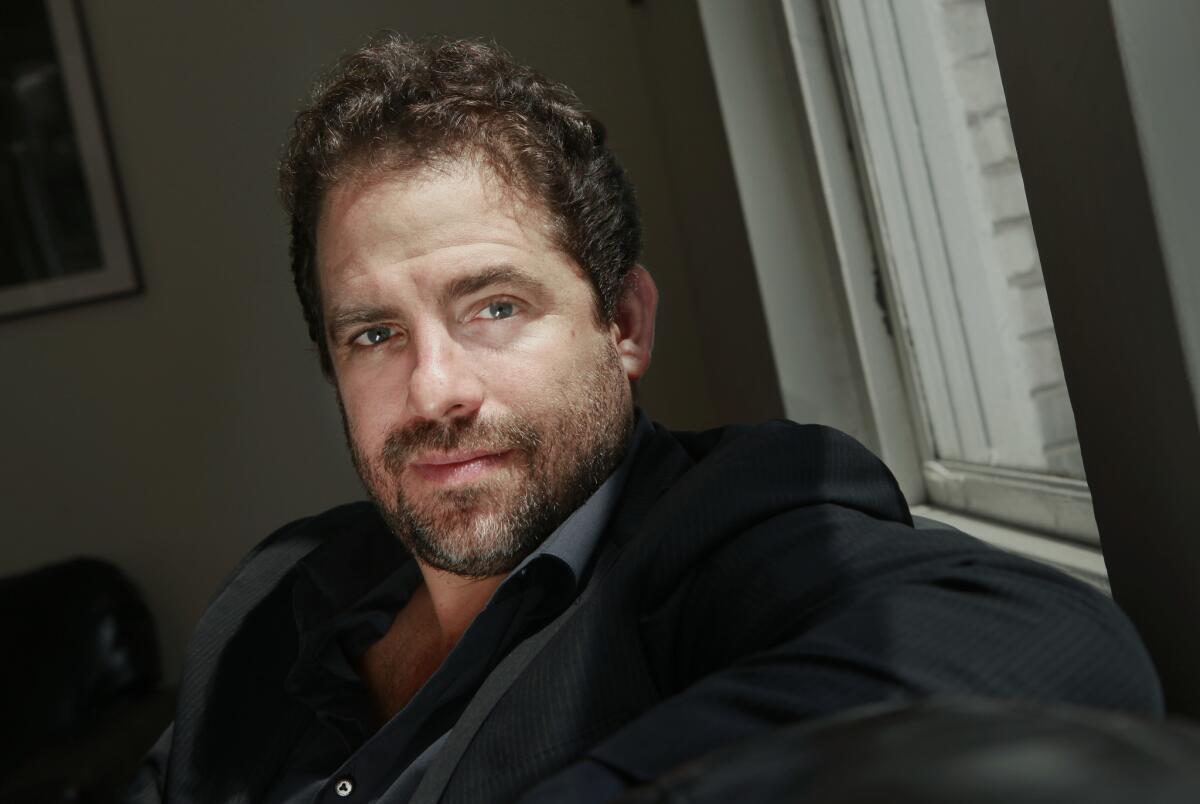






 borderslynn
You must be logged in to post a comment.