In past blogs I have written about land which sank beneath the oceans after the Ice Age melt began over 10,000 years ago.
Now the world knows the Arctic and Antarctic ice caps are melting and sea levels are rising fast. Land is going beneath the oceans.
Thermal Expansion – As highly reflective ice and snow melt due to climate change induced global warming, the albedo of the earth declines. A lower albedo means warmer overall temperatures which means more snow and this causes water to expand. This is a positive feedback loop because as more ice and snow melts, the earth gets hotter which melts more ice and snow.
Meltwater – When the lower albedo of earth (and other factors such as the intensifying greenhouse climate) melts ice and snow it ends up in the ocean. Meltwater is the leading factor in sea level rise. Meltwater also affects the salinity of ocean water which can disrupt and alter ocean currents
There are dramatic changes happening globally, for example Russia:
Siberian pipelines:
spglobal.com
Melting Permafrost in Siberia is Threatening Russia’s Energy Industry
Permafrost and Climate Change
As the world becomes increasingly warmer due to anthropogenic climate change, the effects of climate change grow more apparent. Human activities, such as the burning of fossil fuels, deforestation, and livestock farming, have led to irreparable damage to our climate. One such result is the melting of permafrost. Permafrost is a frozen layer of soil, gravel, and sand bound together by ice that remains at or below 0ºC (32º F) for at least two years, primarily found in the Arctic and sub-Arctic regions of the globe. This ‘permanent frost’ acts as a carbon sink, storing up to 1,500 billion metric tons of organic carbon, almost twice as much as is currently in the atmosphere. These layers contain high concentrations of carbon as the permanently low temperature prevents dead animals and plants from decomposing. Unlike regular frozen ground, permafrost reaches from one meter up to more than 1,000 meters deep. With a heavy reliance on Arctic resources, as rising global temperatures accelerate permafrost thaw, the release of greenhouse gases, infrastructure collapse, and economic instability pose environmental and geopolitical challenges for Russia.
Permafrost and Russia’s Energy Sector
Two-thirds of Russia rests on permafrost, namely in the northern province of Siberia. However, as climate change causes global temperatures to rise, permafrost thaws, releasing stored greenhouse gases (GHGs) like carbon dioxide and methane into the atmosphere. Methane, in particular, is more potent than carbon dioxide at trapping heat in the atmosphere, resulting in higher ground temperatures. The release of GHGs exacerbates global warming, which furthers permafrost thawing—creating a dangerous positive feedback loop. Thus, Russia is warming 2.5 times faster than the rest of the world, contributing to devastating climate disasters in the region.
The permafrost study examined four Siberian towns and cities: Salekhard, Norilsk, Yakutsk and Anadyr. It concluded that several of them are at risk of collapsing infrastructure within the next decade. (Image: The Siberian Times)
China is famous for its global road building (as were the Romans). The problem for China in its own territory in mountainous areas, is the depletion of permafrost which is now damaging existing roads:
Abstract
Express highways are roads of high speed, large capacity, and transportation flexibility. The network of express highways in China has been developed over the last 30 years to accommodate the needs of a growing population and to facilitate economic development. Part of the network is in permafrost regions, where the construction and maintenance of these roads present significant engineering challenges due to permafrost degradation induced by climate warming and by construction. This paper summarizes the engineering problems encountered in the construction and maintenance of these express highways, and the mitigation techniques used to overcome them on new transportation projects in permafrost regions. Ten types of engineering problems along the Qinghai-Tibet Highway, the oldest and longest highway in the permafrost regions of China are identified. Their main cause is related to permafrost degradation in the subgrade beneath the road subbase. Settlement of the highway embankment due to thaw consolidation of degrading permafrost is the dominant mechanical distress observed. Mitigation techniques, mainly for enhancing heat convection beneath express highways, are discussed along with their effects. Research in China related to transportation projects may provide a reference for future express highway design and construction in permafrost regions around the world
From the Internet I gathered this list of lands going under now or will do over the next couple of decades.
The island of Tuvalu
artofit.org
The Maldives
Bangkok, Thailand
Jakarta, Indonesia
Jamaica, Caribbean
The island of Kiribati, Pacific Ocean
The Marshall Islands
Bangladesh
Venice, Italy
Netherlands
The Mekong Delta, Vietnam
Gardj Sugdub are the first of 63 communities living along Panama’s Caribbean and Pacific coasts to be relocated due to their island sinking beneath sea levels.
Sunday 2 June 2024 16:51, UK
Solomon Islands
Pilau, South Pacific
Micronesia, Pacific
Fiji, Pacific
Seychelles, off east coast of Africa
Cook Islands, off New Zealand
French Polynesia
Made up of popular tropical retreats like Bora Bora, Tahiti and the Society Islands, French Polynesia
Tangier Island, Virginia
Even the United States is affected by rising sea levels. Tangier Island, about 12 miles off the east coast in Virginia’s Chesapeake Bay
Despite sophisticated flood control infrastructure, large parts of the Zhuhai-Macau area are projected to be below sea level by 2100. Sea level rise of 65 centimeters, together with high tide, would flood 3400 km2 of the Zhuhai region.
And the exponential construction of datacentres and bit mining energy centres will intensify the warming of the planet – whereas we should be dialling back our fossil fueled energy productions:
Climate risks, which are considered at a very high level of concern by the report, include riverine flooding, which risks severe damage to electronics, walls, roofs, and power systems from water ingress, and coastal inundation, which risks buildings being flooded, leading to water damage to cabling.
The report notes that by 2050, major data center hubs such as New Jersey, Hamburg, Shanghai, Tokyo, Hong Kong, Moskva, Bangkok, and Hovestaden are expected to face significant climate risks, with 20 to 64 percent of facilities in these areas likely to be highly vulnerable to physical damage from climate-related events.
The Asia-Pacific region, while leading global data center expansion, is also among the most exposed. In 2025, more than 10 percent of data centers in APAC are considered high risk, a figure projected to rise to more than 12 percent by 2050.
As fires rage around this increasingly hotter world, we know our excessive use of fossil fuels is adding to the continual destruction of our once beautiful world.
Fort McMurray fire nbcnews
Wildfires live and die by the weather, but “the weather” doesn’t mean the same thing it did in 1990, or even a decade ago, and the reason the Fort McMurray Fire trended on newsfeeds around the world in May 2016 was not only because of its terrifying size and ferocity, but also because it was a direct hit—like Hurricane Katrina on New Orleans—on the epicenter of Canada’s multibillion-dollar petroleum industry. That industry and this fire represent supercharged expressions of two trends that have been marching in lockstep for the past century and a half. Together, they embody the spiraling synergy between the headlong rush to exploit hydrocarbons at all costs and the corresponding increase in heat-trapping greenhouse gases that is altering our atmosphere in real time. In the spring of 2016, halfway through the hottest year of the hottest decade in recorded history, a new kind of fire introduced itself to the world.
From the book, Fire Weather by John Vaillant
Here the author describes how human activity (anthropocene) – here petroleum industry within a boreal forest (!!!!) – is an anomaly……
Fort McMurray is an anomaly in North America. Located six hundred miles north of the U.S. border and six hundred miles south of the Arctic Circle, the city is an island of industry in an ocean of trees. Without the lure of petroleum, this part of Alberta would resemble Siberia in even more ways than it already does: sparsely populated; its rivers spun like compass needles toward the Arctic Ocean; its trees low, short-lived, and prone to fire.
At the time of writing, Vaillant pointed out:
Canada is the world’s fourth-largest oil producer and the third-largest exporter. Nearly half of all American oil imports—around 4 million barrels per day, come from there—the equivalent of one ultra large crude carrier ship every twenty-four hours. Of this vast quantity, almost 90 percent originates in Fort McMurray.
Many populations who have survived wildfire damage often get flooding after drought.
Rain on wildfire burn scars can trigger damaging debris flows − a geologist explains how
Published: January 23, 2025 1.47pm GMTUpdated: February 12, 2025 1.42pm GMT
As a consequence of climate change, conditions in previously safe areas to live in the world have become impossible to survive in. So people are on the move to flee to safety. But not all receive open arms and comfort when they reach somewhere which could have been safe.
People fleeing impacts of climate change suffering physical and mental health crises
Issues range from anxiety and depression to addiction and domestic violence.
Just consider, today President Trump hosted South Korean President (since June 4, 2025, Lee Jae Myung, has become president after protesters forced Yoon Suk Yeol, out after he was impeached). President Trump was confident he could persuade North Korean leader, Kim Jong Un, (General Secretary of the Workers’ Party of Korea and 3rd Supreme leader of North Korea) to denuclearize.
President Trump tried in 2020:
North Korea Has Agreed to Denuclearization. Trump Could Try to Make It Happen
Nine countries are recognized as possessing nuclear weapons: the United States, Russia, China, France, the United Kingdom, India, Pakistan, Israel, and North Korea. These nations collectively hold a significant number of nuclear warheads, with the U.S. and Russia having the largest arsenals. ucs.org Wikipedia
And the UN has been campaigning to save humanity through nuclear disarmament since 1946, but nuclear weapons have been also viewed as a deterrent and have proliferated.
The United Nations Secretariat supports efforts aimed at the non-proliferation and total elimination of nuclear weapons. “Securing Our Common Future: An Agenda for Disarmament” considers nuclear weapons in the framework of “disarmament to save humanity.” In the agenda, the Secretary-General calls for resuming dialogue and negotiations for nuclear arms control and disarmament. He also supports extending the norms against nuclear weapons, and in that regard appeals to States that possess nuclear weapons to affirm that a nuclear war cannot be won and must never be fought. Finally, the agenda proposes preparing for a world free of nuclear weapons through a number of risk -reduction measures, including transparency in nuclear-weapon programmes, further reductions in all types of nuclear weapons, commitments not to introduce new and destabilizing types of nuclear weapons, including cruise missiles, reciprocal commitments for the non-use of nuclear weapons and reduction of the role of nuclear weapons in security doctrines.To further the agenda, concrete actions are proposed
Ukraine gave up its nuclear weapons at the Minsk summit with the promise that Russia would never be allowed to attack Ukraine.
Over the years, observers have argued that Ukraine, under pressure from its international partners and a deteriorating situation on the battlefield, was forced to sign an unfavorable deal in 2014 and an even worse one in 2015.
Needing financial support from the West and time to build up its military, Ukraine felt it had no choice but to sign the agreements. The thinking at the time was, according to then-Foreign Minister Pavlo Klimkin, “If we don’t sign (the agreements), then what are we going to do?”
With fresh memories of this failed peace process, President Volodymyr Zelensky has repeatedly stated Ukraine would not accept a negotiated end to the invasion that does not contain firm security guarantees from partners.
Back in 2019, attempt to secretly listen to communications of Kim Jong Un:
Donald Trump-approved plan to send Navy SEALs into North Korea to spy on leader Kim Jong Un led to civilians being killed by U.S. forces, according to a bombshell report.
The mission, carried out in early 2019 during Trump’s first term, tasked SEAL Team 6’s Red Squadron with sneaking onto the shores of the reclusive state via mini-subs to plant an electronic device that would allow the U.S. to intercept Kim’s communications, The New York Times reported.
But as the SEALs were on the shore, they spotted a small boat, with one person entering the water. Believing the boat could be North Korea’s security force, the U.S. team opened fire, killing two or three people in a hail of gunfire.
Home » Blog » 2025 China Magnet Ban Explained for Global Buyers
As a magnet manufacturer based in China, we know many of our international partners are seeking clear, up-to-date information about China’s rare earth export policies. Since April 2025, the landscape has changed rapidly—affecting magnet pricing, licensing, and global supply chains.
This article summarizes the timeline, context, and what these developments mean for you—whether you’re sourcing NdFeB magnets, planning inventory, or navigating compliance.
🔍 Why This Matters
Rare earth elements (REEs) like dysprosium, terbium, and neodymium are critical to many industries—automotive, electronics, clean energy, and defense. China is the world’s largest producer and exporter of these materials. So when China adjusted its export control policy in 2025, the impact was immediate and global.
📅 Key Timeline: China’s Magnet and Rare Earth Export Policy in 2025
April 4 — Export Controls Announced
China’s Ministry of Commerce required export permits for seven medium-to-heavy rare earth elements, including their oxides, alloys, and sintered NdFeB magnets. These materials are widely used in electric vehicles, wind turbines, robotics, and defense systems.
What happened:
Exporters had to apply for new licenses before shipments could leave.
The permit process became more selective and slower.
Prices of key elements like dysprosium and terbium tripled in Europe within a month.
May — U.S.-China Trade Friction Intensifies
Tensions between China and the U.S. grew, particularly over tech restrictions. A rare earth dispute resolution mechanism was set up, but many license applications remained stuck.
Prepared the ground for more transparent export processes.
Encouraged many buyers to resume or increase orders cautiously.
June 27 — “London Framework” Agreement Confirmed
The two countries finalized the agreement. China restarted rare earth and NdFeB magnet exports to the U.S., and the U.S. began lifting select tech restrictions.
Results:
Magnet exports to the U.S. surged 660% in July.
Supply began to recover—but was still below pre-April levels.
License approvals remained conditional and case-by-case.
China grants quicker export permits for some EU partners.
Talks continue around long-term “resource-for-tech” agreements.
Smaller EU buyers may still face longer permit approval times.
July 18 — China Issues New Mining & Smelting Quotas (Confidential)
China released its 2025 rare earth mining quotas, but details were kept confidential for national security reasons.
Implications:
Supply is being carefully managed within China.
Export volumes remain limited, reinforcing the need for early planning.
Buyers should work closely with trusted Chinese suppliers to navigate approvals.
July 24 — Upcoming China-EU Rare Earth & Tech Summit
European leaders and Chinese officials are expected to finalize broader cooperation. Topics may include stable magnet supply agreements, joint recycling programs, and new licensing terms.
🌍 Global Impact So Far
💰 Price Volatility
Rare earth prices (especially dysprosium and terbium) increased 2–3x in just weeks.
Magnet production costs rose, impacting EVs, wind turbines, and electronics.
🚚 Supply Chain Disruptions
Many buyers struggled with delays or unexpected permit rejections.
Buyers turned to stockpiling or alternative sourcing—adding to global pressure.
📉 Recovery Underway (But Not Fully Stable)
Since July, exports have resumed to the U.S. and EU.
Licensing remains selective, not automatic.
China is managing supply carefully to meet both domestic and global needs.
📌 What This Means for You as a Magnet Buyer
Whether you’re sourcing NdFeB magnets, custom assemblies, or rare earth materials, here are key recommendations:
✅ 1. Plan Early
Allow extra time for export permit processing. Normal 2–3 week shipments may now take longer, especially for heavy rare earth products.
✅ 2. Work with Licensed Exporters
Ensure your supplier has export license experience and understands the current policy. Not all factories can legally export under the new system.
Policies are evolving fast. Stay connected with suppliers who can give timely updates on:
Export license status
Magnet material availability
Pricing and lead time changes
Save this page to stay updated.
🧲 Final Thoughts from a China Magnet Supplier
We understand how critical stable supply is to your production. As a long-time manufacturer and exporter of custom neodymium magnets, we’re actively supporting clients with:
Updated delivery timelines
Real-time pricing updates
Export licensing support
Engineering and material alternatives when needed
If you need help navigating this evolving situation or want to discuss forecasted demand, feel free to reach out. We’re here to provide reliable support—even in uncertain times.
Hi, I’m East – magnetic systems engineer and outdoor enthusiast. By day, I develop mission-critical technologies for medical implants and aerial transport systems. When not optimizing electromagnetic solutions, you’ll find me trail-running with my wife or mapping mountain routes. Here to share insights and spark innovation – let’s build what matters.
Let us never forget the courageous Virginia Giuffre:
NEW YORK (AP) — A posthumous and “unsparing” memoir by one of Jeffrey Epstein’s most prominent accusers, Virginia Roberts Giuffre, will be published this fall, publishing house Alfred A. Knopf said Sunday.
“Nobody’s Girl: A Memoir of Surviving Abuse and Fighting for Justice” is scheduled for release Oct. 21, the publisher confirmed to The Associated Press. Giuffre, who died by suicide in April at age 41, had been working on “Nobody’s Girl” with author-journalist Amy Wallace and had completed the manuscript for the 400-page book, according to Knopf. The publisher’s statement includes an email from Giuffre to Wallace a few weeks before her death, saying that it was her “heartfelt wish” the memoir be released “regardless” of her circumstances.
And the brave journalists who wanted to bring their voice to the public:
The Epstein Story: Edited Truths
This was supposed to be the story that changed everything. In 2003, Vicky Ward sat across from Jeffrey Epstein. He was already powerful. Already wealthy. Already strange. But to most of the world, he was just another shadowy financier with ties to billionaires and a few blurry rumors in his wake. The real Epstein — the predator, the manipulator, the monster — had not yet been exposed. Vicky Ward saw the signs early. She was working for Vanity Fair. The assignment was meant to be a profile — a deep dive into Epstein’s life, his work, his wealth. But as she dug deeper, the surface cracked. What lay underneath wasn’t finance or gossip. It was something darker. Two sisters. Annie and Maria Farmer. They spoke to her. On record. In detail. They told Ward about the abuse. About Epstein’s manipulation. About the things he did behind closed doors, masked by charm and money and power. Their voices were clear. Their stories were powerful. Their truth was horrifying. Ward believed them. She included their accounts in the original draft of the article. And then, just like that — they were gone. Removed. Cut. Erased from the final version before it went to print. What happened? Ward later said the decision was made by her editor, Graydon Carter — the powerful editor-in-chief of Vanity Fair. She claimed he was pressured. That Epstein called. That threats were made. That strange things began to happen. She spoke of a severed cat’s head left at her door. A bullet placed in her mailbox. Subtle, silent warnings. But here’s the question: why didn’t she push harder? Why didn’t she take the story to another outlet? Why didn’t she fight back publicly, loudly, forcefully? Why silence? This wasn’t just another article. It was one of the first public attempts to expose a man who would later be revealed as one of the most prolific sex traffickers of the modern era. Ward had the truth. She had the voices. She had the evidence. And yet… it was buried. Years later, when Epstein was finally arrested — and later, when he died in custody under suspicious circumstances — the world looked back at that Vanity Fair article with fresh eyes.
And TikTok is scrubbing all evidence of Epstein related material on its platform.
You just cannot scrub all evidence like Macbeth washing his hands obsessively to rid himself of the blood on his hands.
North America has an estimated 2 million people living in modern slavery, with the highest numbers in the United States (approx. 1.1 million) and Mexico (approx. 850,000), and lower prevalence in Canada (approx. 69,000). Most trafficking in the region is domestic rather than cross-border, especially in the U.S. and Canada, where the majority of identified victims are citizens exploited within their own country. Children account for around one-quarter of trafficking victims, often in sex trafficking or hazardous labor (e.g., agriculture, domestic work). Women and girls represent about 80% of identified victims across the region, particularly in cases of sexual exploitation, which remains the most common form of trafficking.
All three countries have national laws prohibiting human trafficking and are parties to the UN Palermo Protocol. The U.S. has hundreds of prosecutions annually and a strong national victim services framework. Canada maintains a national strategy, but most prosecutions involve domestic sex trafficking. Mexico has robust laws on paper and has improved cooperation with the U.S., but faces enforcement challenges such as low conviction rates, uneven state-level implementation, and corruption. Victim services in Mexico are limited, especially outside urban areas.
Trafficking forms across the region include internal exploitation, cross-border flows (especially from Mexico and Central America into the U.S.), and trafficking of migrant workers in agriculture, hospitality, and domestic labor. Vulnerable groups include Indigenous women and girls, migrant laborers, runaway youth, and undocumented workers. While North America has made progress in prosecuting traffickers and supporting survivors, key challenges remain: underreporting, rising labor trafficking, and persistent demand for exploitative labor and commercial sex.
I am reproducing this page of names of those who died trying to let the world know of the horror suffered in Palestine.
Journalists killed at Nasser Hospital August 25, 2025
Reuters news agency said its cameraman, Husam al-Masri, was among those killed. The others are said to have been Mohammed Salameh working for Al Jazeera, Mariam Abu Daqa a journalist with the Associated Press, and photographer Muath Abu Taha, employed by the American TV Network NBC.
During WWII, it was American IBM machines which helped the Nazi war machine track Jews, which culminated in their Holocaust deaths.
Today, it is American Cisco machines which help the IDF track and kill their victims. Cisco is a corporation which has notably sworn fealty to President Trump.
Palestine: At least 212 journalists and media workers killed in Gaza
18 August 2025
Palestine: At least 212 journalists and media workers killed in Gaza
[UPDATED 18.08.2025] At least 212 Palestinian journalists and media workers have been killed, several have been injured and others are missing during the war in Gaza. The International Federation of Journalists (IFJ) and the Palestinian Journalists Syndicate (PJS) condemn the killings and continued attacks on journalists. The IFJ calls for an immediate investigation into their deaths.
Palestinians search for survivors after an Israeli airstrike on buildings in the refugee camp of Jabalia in the Gaza Strip on October 9, 2023. Credit: Mahmud Hams / AFP
In such dangerous conditions, the IFJ reminds journalists on the ground to take precautions, wear professional safety equipment and not to travel without their media providing them with all the professional safety equipment needed to cover events. No story is worth the life of a journalist.
In the early hours of 7 October, Hamas launched an unprecedented attack in southern Israel. In response, Israel retaliated with airstrikes over the besieged Gaza Strip and formally declared war at Hamas. The IFJ is working closely with PJS to verify information in real time and document all killings. Check the list of journalists and media workers killed since the start of the war in Gaza.
Journalists and media workers
On 16 August, her relatives found the body of journalist Marwa Ashraf Mushallam in the Al-Shujaiya neighourhood, eastern Gaza City. According to local media, Marwa’s family lost contact with her on 5 July following an Israeli airstrike that hit a nearby house.
On 11 August, freelance photojournalist Mohammed Al-Khaldi succumbed to his wounds sustained as a result of the Israeli airstrike that targeted a tent housing Al Jazeera journalists, medics at Al Shifa Hospital reported.
On 10 August, Israeli forces killed five Al Jazeera staff including journalist Anas al-Sharif, correspondent Mohammed Qreiqeh, camera operators Ibrahim Zaher and Moamen Aliwa, and driverMohammed Noufal in a targeted attack on a tent housing journalists located outside Al Shifa Hospital in Gaza City
On 30 July, the PJS reported the killing of photojournalist and PJS member Ibrahim Mahmoud Hajaj as a result of Israeli shelling in the Al-Daraj neighbourhood in Gaza City.
On 24 July, an Israeli airstrike killed journalist Adam Abu Harbid along with his family in the Yarmouk area in central Gaza City.
On 23 July, an Israeli airstrike killed journalist Walaa Al Jabari along with her entire family in Gaza City. Al-Jabari, who was pregnant, was killed when her home in Tal Al-Hawa neighbourhood in southwest Gaza City was bombed, according to media and PJS.
On 22 July, PJS reported the killing of freelance journalist Tamer Rabhi Rafiq Al Za’anin, who was killed as a result of direct gunfire from Israeli forces in the Al-Mawasi area, west of Khan Yunis, southern Gaza.
On 30 June, an Israeli airstrike hit the Al-Baqa seafront cafe, west of Gaza City, killing freelance photojournalist Ismail Abu Hatab, who worked for several media platforms and news outlets. In the attack on the Al-Baqa cafe, which is frequented by journalists because it has Internet connection, journalist Bayan Abu Sultan was also injured, PJS reported.
Journalist Ahmed Qaljah succumbed to his injuries on 5 June after being critically wounded in an Israeli attack that targeted a group of journalists at Al Ahli Hospital in Gaza City, reported the PJS.
On 9 June, freelance photographer Moamen Abu Al-Ouf, was killed by Israeli artillery fired from a tank in the Al-Tuffah neighourhood in Gaza City, while reporting.
On 5 June, the PJS confirmed the killing of Suleiman Hajjaj, a correspondent for Palestine Today; Ismail Badah, a cameraman for Palestine Today; and Samir Al-Rifai from Shams News Agency. They were killed in an Israeli attack targeting journalists who were in the courtyard of Al Ahli Hospital, also known as the Baptist Hospital, in Gaza City. Journalist Ahmed Qaljah, who works as a freelance cameraman for Al-Arabiya, has been critically injured as a result of the attack, which also wounded three more journalists.
On 28 May, Moataz Mohammad Rajab, a journalist with Al-Quds Al-Youm TV who was reporting in Gaza city, was killed by an airstrike that hit a civilian car near him.
On 25 May, Hassan Majdi Abu Warda, Director of Barq Gaza News Agency, was killed on the morning in an Israeli airstrike that targeted his home in the Jabalia al-Nazla neighborhood in northern Gaza.
On 17 May, freelance photojournalist Aziz Al-Hajjar was killed, along with his wife and children in Beit Al-Naaja, northern Gaza. On the same day, journalist Abdul Rahman Tawfiq Al-Abadla, who worked as a freelance reporter and photographer, was killed in an Israeli airstrike on the town of Al-Qarara, southern Gaza, the PJS reported.
On 15 May, journalist Hassan Sammour, who worked for Al Aqsa Voice Radio, was kllled in an Israeli airstrike in Khan Yunis, southern Gaza. On the same day, journalist Ahmed al-Helou, from Quds News Network, was killed in an Israeli attack in Khan Yunis. The PJS confirmed both killings.
On 13 May, journalist Hassan Aslih was killed in an Israeli bombing at Nasser Hospital in Khan Yunis, southern Gaza. Aslih, head of the Alam24 news outlet, had been at the hospital for treatment after being wounded in an Israeli strike that hit a media workers’ tent on 7 April.
On 7 May, the PJS confirmed the killing of journalist Yahya Subaih, who lost his life as a result of an Israeli bombing in western Gaza City, and journalist Nour El-Din Abdo, who died when an Israeli bombing targeted the Al-Karama School in the Al-Tuffah neighbourhood, in eastern Gaza.
On 16 April, freelance photojournalist and PJS member, Fatima Hassona, lost her life in an Israeli bombardment that hit her home in Gaza City.
On 8 April, the PJS and media reported that journalist Ahmed Mansour, who worked for Palestine Today, succumbed to his injuries and severe burns, one day after an Israeli airstrike hit a media workers’ tent in Khan Yunis, southern Gaza.
On 7 April, journalist Hilmi Al Faqawi, who worked for Palestine TV, was killed in an Israeli airstrike on a media workers’ tent, located next to Al Nasser Hospital in Khan Yunis, southern Gaza.
On 24 March, journalist Hossam Shabat, who worked as a contributor for Al Jazeera Mubasher, was killed when an Israeli airstrike hit his car in Jabalia refugee camp, northern Gaza, his employer reported. The PJS mourned the deaths of Hossam Shabatand Mohammed Mansour, a journalist from Palestine Today who lost his life when his apartment in Khan Yunis, southern Gaza, was hit.
On 15 March, freelance photographer Mahmoud Islim Al-Basos, was killed in an Israeli drone strike that targeted him and a team of aid workers in Beit Lahia, northern Gaza.
Just as it appeared that Israel and Hamas were on the verge of reaching a ceasefire agreement on 15 January, three Palestinian journalists were killed in separate attacks in Gaza. On 15 January, PJS mourned the killing of journalist Aql Hussein Saleh, who lost his life as a result of an Israeli attack in Al-Shati Camp, west of Gaza City. On the same day, Al Ghad TV channel reported the killing of journalist Ahmed Hesham Abu Al-Rous in an Israeli airstrike in the Nuseirat refugee camp in central Gaza. Freelance journalist Ahmed Al-Shayyah, who worked for several media outlets, was killed in an Israeli bombardment in western Khan Yunis, southern Gaza.
On 14 January, Wafa News Agency’s journalist, Mohammed Al-Talmas, was injured and died of his wounds when an Israeli airstrike hit a building in the Sheikh Radwan neighbourhood , northern Gaza City.
On 10 January, the PJS reported the killing of journalist Saed Abu Nabhan,who worked for Alghad TV and was a freelance photographer for Anadolu Agency. He was killed by an Israeli sniper, while the journalist was working in central Gaza’s Nuseirat area.
On 3 January 2025, journalist Omar Al-Derawi was killed in an Israeli airstrike that hit his family’s home in Al-Zawaida, the central Gaza Strip, PJS and media reported.
On the same day, freelance photographer Areej Shaheen, was killed when an Israeli airstrike hit her family home in Nuseirat refugee camp in central Gaza.
On 2 January 2025, freelance photojournalist Hassan Al-Qishawi, was killed in an Israeli airstrike in western Gaza City.
On 26 December, five journalists working for the satellite channel Al-Quds Today were killed when an Israeli missile targeted the broadcasting vehicle, marked as press, they were in front of Al-Awda Hospital in the Nuseirat Refugee Camp in central Gaza. The names of the killed journalists were Fadi Hassouna, Ibrahim Al-Sheikh Ali, Mohammed Al-Ladda, Faisal Abu Al-Qumsan and Ayman Al-Jadi.
On 18 December, freelance journalist Mohammad Al-Sharafi was killed in an Israeli airstrike on the Jabalia refugee camp in northern Gaza.
On 15 December Al Jazeera cameraman Ahmed al-Louh was killed in an Israeli airstrike on central Gaza’s Nuseirat camp.
On 14 December, journalist Mohammed Jaber Al-Qerinawi, an editor at Sanad News Agency, was killed in an Israeli aistrike that targeted his home in Al-Bureij camp in the central Gaza Strip
On 14 December journalist Mohammed Baalousha who worked for Dubai Al Mashhad television was killed in an airstrike in Gaza City.
On 11 December, journalist and broadcaster at Voice of Al-Aqsa Radio, Eman El-Shanti, was killed in an Israeli airstrike that hit an apartment in Al-Malash Tower in Sheikh Radwan, northwestern Gaza City. The strike also killed El-Shanti’s husband and their three children.
On 2 December, Quds News Network reported the killing of one of its employees, journalist Maysara Salah, who was injured near Awni Al-Harthani School in northern Gaza and died at Kamal Adwan Hospital.
On 30 November, journalist Mamdouh Quneita, who worked for Al Aqsa TV, was killed when an Israeli drone shot at him in the courtyard of Al-Ahli Hospital in Gaza City, PJS reported.
On 19 November, freelance photojournalist Ahmed Abu Shariya, who worked for Tasnim Agency, was killed in an Israeli airstrike that targeted the Sabra neighbourhood in southern Gaza, media reported.
On 16 November, journalist Mohammed Saleh Al-Sharif lost his life when an Israeli drone shot at him near Kamal Adwan Hospital in northern Gaza Strip, PJS and media reported.
On 11 November, Mahdi Al-Mamluk, external broadcaster engineer for Al Quds Al Youm channel, was killed in an Israeli airstrike west of Gaza City.
On 9 November, Ahmed Abu Skheil and Zahraa Abu Skheil, photographer and reporter for Al-Elamya news agency, were killed in an Israeli bombing in the Al-Tuffah neighbourhood in eastern Gaza City.
On 1 November, photojournalist Bilal Muhammad Rajab, who worked for Al-Quds Al-Youm channel, was killed in an attack by an Israeli drone near the Firas market in Gaza City, according to PJS and media.
On 31 October, freelance photographer for Anadolu news agency and Reuters, Amr Abu Odeh, was killed by an Israeli airstrike in the Al-Shati refugee camp, west of Gaza City.
On 27 October, PJS reported the killing of Saed Radwan, head of the digital media department at Al-Aqsa TV; Hamza Abu Salmiya, journalist at Sand News Agency; and Haneen Mahmoud Baroud, journalist at the Al Quds Foundation. They lost their lives in an Israeli airstrike that hit Asmaa ‘B’ School in Al-Shati refugee camp in the northern Gaza Strip.
On 9 October, local media reported the killing of photojournalist Mohammad Al Tanani, who worked for Al Aqsa TV, by Israeli airstrikes in the area of Jabalia, northern Gaza. In the same bombardment, reporter Tamer Lubbad, also working for Al Aqsa TV, was injured. Al Jazeera’s cameraman Fadi Al-Wahidi was wounded by Israeli gunfire while reporting the situation in northern Gaza, the media network reported.
On 6 October, freelance journalist Hassan Hamad was killed in an Israeli airstrike that hit his home in Jabalia refugee camp, northern Gaza. Al Jazeera reported Hamad’s killing and stated that the journalist was warned by an Israeli officer to stop filming in Gaza.
On 5 October, Abdul Rahman Bahr, photographer and camera operator for Palestine Breaking News website, who was killed in an Israeli drone strike in Gaza City.
On 3 October, Nour Abu Oweimer, journalist and freelance podcaster for Al Jazeera Network, was killed in an Israeli bombing of her family’s home in Nuseirat refugee camp in central Gaza.
On 30 September, woman journalist Wafa Aludaini, along with her husband and two children, was killed in an Israeli airstrike in Deir Al-Balah, central Gaza, according to media reports. Aludaini was the founder of the October 16th Media Group and worked there as a senior journalist.
On 28 August, journalist Mohammad Abed Rabbo of Al-Manara Media Production Company was killed in an Israeli airstrike that hit his apartment in central Gaza.
On 26 August, PJS reported the death of 39-year-old journalist Ali Taima, a cameraman for Al-Awda TV channel, who was killed in an Israeli airstrike in the Mawasi area of Khan Younis.
On 22 August, Al Quds TV photojournalist Hossam Manal Al-Dabbaka was killed with his wife, children and other family members when their apartment was hit by an Israeli strike in the Al-Maghazi refugee camp in central Gaza, media reported.
On 20 August, journalist Hamza Murtaja was killed in an Israeli airstrike that hit Mustafa Hafez School, in western Gaza City, PJS reported.
On 18 August, freelance photojournalist Ibrahim Muhareb, who worked for a number of media, was killed due to Israeli gunfire and shelling in western Khan Yunis when the Israeli tanks entered the city in southern Gaza, PJS and media reported.
On 9 August, journalist Tamim Muammar, who worked for the Palestinian Broadcasting Corporation – Voice of Palestine, and journalist Abdullah Al-Sousi, who worked for Al Aqsa TV, were killed in two different Israeli airstrikes in Khan Yunis, southern of the Gaza Strip, PJS and media reported.
On 6 August, Mohammed Issa Abu Saada, freelance photographer and videographer who worked for several media including local outlet Sahat and Al-Sharqiya, was killed in an Israeli airstrike that in Al-Zana neighbourhood of Khan Yunis, southern Gaza.
On 31 July, journalist Ismail al-Ghoul and cameraman Rami al-Refee, who worked for Al Jazeera Arabic, were killed in an Israeli air attack in Shati refugee camp, west of Gaza City, PJS reported.
On 29 July, the PJS reported the killing of journalist of Mohammad Majid Abu Daqa in an Israeli strike in Khan Yunis, southern of the Gaza Strip.
On 20 July, Mohamed Abu Jasser, journalist who worked for newspapers Al-Risala and Felesteen, was killed in an Israeli airstrike in Jabalia refugee camp, northern Gaza.
On 15 July, Mohammad Meshmesh, director of programms at Al Aqsa Voice radio, was killed in an Israeli bombing on the Nuseirat refugee camp in central Gaza.
On 13 July, journalist Mohammad Manhal Abu Armanah, was killed in an Israeli strike that hit tents of displaced people in Khan Yunis, southern of the Gaza Strip, Al Mayadeen reported.
On 6 July, the couple formed by Palestine Now news agency correspondent, Amjad Al-Jahjouh, and programme producer and presenter at the Islamic University radio station, Wafa Abu Dabaan, were killed in an Israeli strike in the Nuseirat refugee camp in the middle of the Gaza Strip. On the same day, journalist and editor at the Palestine Media Agency, Rizq Abu Shakyan, was killed in an Israeli strike that hit his home in the Nuseirat refugee camp, according to PJS and media.
On 5 July, director of Deep Shot Media production company, Saadi Madoukh, and journalist Adeeb Sukkar, who worked for the same media, were killed in an Israeli strike in the Daraj neighbourhood of Gaza City. On the same day, media director of Al Quds TV, Mohammad Al Sakni, was killed when a strike hit his home in Al-Tuffah neighbourhood, east of Gaza City, PJS reported.
On 1 July, editor-in-chief of local news agency Shams, Mohammad Abu Sharia, succumbed to his injuries sustained from an Israeli missile launched near the journalist’s home in Gaza City.
On 6 June, freelance journalist Rasheed Albably was killed in an Israeli airstrike in the Nuseirat refugee camp in central Gaza.
On 31 May, journalist and presenter of local radio Watan, Ola al-Dahdouh, was killed in an Israeli bombing of her home on Al-Jalaa Street in central Gaza City, PJS reported.
On 17 May, photojournalist working for the local Palestine Post Network, Mahmoud Jahjouh, was killed along with his family in an Israeli airstrike that hit his home in Sheikh Radwan neighbourhood in Gaza city, according to PJS, the Palestine Post Network and other media.
On 15 May, Hael Al-Najjar, media worker for Al Aqsa Media Network was killed in an Israeli strike that hit his house on the Old Gaza Street in Jabalia refugee camp, PJS and mediareported.
On 11 May, photojournalist Baha Akasha, who worked for Al Aqsa Media Network, was killed in an Israeli strike on his house in Al-Qasasib neighbourhood in Jabalia refugee camp, northern Gaza, according to PJS and severalmedia.
On 6 May, freelance photojournalist Mustafa Ayyad, who worked for Al Jazeera Live, was killed after being critically injured in an Israeli strike on his home in the Zeitun neighbourhood, northern Gaza Strip, Al Jazeera reported.
On 29 April, Salem Abu Toyour, media worker at Al Quds Al Youm channel, was killed in an Israeli airstrike that hit his home in Nuseriat camp, central Gaza.
On 26 April, freelance photojournalists Ibrahim Al-Gharbawi and Ayman Al-Gharbawi were killed in an Israeli drone strike in the Hamad neighbourhood in Khan Yunis, southern Gaza.
On 25 April, Mohammed Basam Al Jamal, who worked as a correspondent for Palestine Now news agency, succumbed to his injuries following an Israeli airstrike that hit his home in Al-Jenenah neighbourhood in Rafah, in southern Gaza, PJS and media reported.
On 31 March, Mustafa Bahr, reporter and co-founder of Palestine Breaking News Website, was killed in an Israeli airstrike on Gaza City.
On 28 March, editor and graphic designer Mohammed Abu Sakhil, who worked for Shams News Agency, was killed during Israel’s military raid on Al-Shifa hospital and surrounding areas in Gaza City that lasted for two weeks, Shams News Agency reported. In the same raid on Al-Shifa hospital, digital media editor for Voice of Al-Quds radio, Tariq al-Sayed Abu Shakil, lost his life on 28 March, according to media reports.
On 25 March, media worker at WAFA news agency, Saher Akram Rayyan, was killed in an Israeli airstrike in Gaza City, media reported.
On 18 March, Mohamed El Sayed Abu Skheil, broadcaster and editor at Al Quds radio, was killed by Israeli forces in Al-Shifa Hospital in western Gaza City.
On 15 March, photographer and producer Abdel Rahman Saima, who worked for Raqmi TV, was killed in an Israeli bombing in Gaza City. On the same day, photojournalist Mohammed al-Rifi succumbed to his injuries in southern Gaza City, PJS reported.
On 5 March, journalist and presenter at Al Aqsa TV, Mohammed Khader Ahmad Salama, was killed in an Israeli airstrike that hit his home in Deir al-Balah in the central Gaza Strip, PJS reported.
On 1 March, PJS confirmed the death of journalist Ibrahim Mahamid, who died of his wounds five months after being injured by Israeli fire. Mahamid worked as a presenter and cameraman for Al-Salam TV, Al-Shaab TV and other local channels, and was a member of PJS for about 30 years, the Syndicate reported.
On 23 February, PJS confirmed the killing of photojournalist Mohammad Yaghi in an Israel bombing near Al-Aqsa hospital in Deir al-Balah in the central Gaza Strip. According to Al Jazeera, Yaghi worked as a professional photographer for a number of international media, including Al Jazeera Network.
On 15 February, the director of Quran Radio channel owned by the Islamic University of Gaza, Zayd Abu Zayed, was killed in an Israeli airstrike in the Nuseirat camp in central Gaza.
On 12 February, journalist Alaa al-Hams, who worked for local media,died of her wounds, according to PJS and media. Al-Hams was seriously injured two weeks ago, when an Israeli bombing hit her home in al-Geneina neighbourhood in the city of Rafah, southern Gaza Strip. On the same day, journalist Angham Ahmed Adwan, who worked for Libyan TV channel February, was killed following an Israeli airstrike that hit her home in Jabalia city.
On 11 February, Yasser Mamdouh El-Fady, a journalist for Kan’an News Agency, was killed by sniper fire while reporting near Nasser Hospital in Khan Yunis, southern Gaza.
On 8 February, PJS confirmed the killing of Palestine TV’s director Nafez Abdel Jawad and his son. Both lost their lives when an Israeli airstrike hit their home in Deir al-Balah, in the central Gaza Strip.
On 29 January, journalist Mohamed Abdel El Fatah Atta Allah, who worked as an editor for Al-Risala newspaper, was killed with members of his family in an Israeli bombardment that hit his house in Al Shati refugee camp in northern Gaza Strip, according to PJS.
On the same day, Tariq al-Maidna, freelance camera operator for Yemen TV, was killed in Gaza, according to Skeyes Center for Media and Cultural Freedom.
On 26 January, journalist Iyad Ahmed Al-Ruwahi, who worked as a correspondent and presenter for Voice of Al Aqsa Radio, was killed together with members of his family when an Israeli airstrike hit his home in Al-Hasayna area of Al Nuseirat refugee camp, PJS reported.
On 14 January, photographer Yazan Al-Zuweidi, who worked for Al-Ghad TV, was killed in an Israeli airstrike in the city of Beit Hanoun in northern Gaza, according to PJS and Al Ghad.
On 11 January, PJS confirmed the death of Mohammed Jamal Sabahi Al Thalathini, who worked as a journalist for Al Quds TV, was killed in an Israeli airstrike that hit his home in the south of Gaza city.
On 10 January, journalist Ahmad Bdeir, who worked for local magazine Hadaf News, was killed as a result of an Israeli bombardment outside the Al-Aqsa Martyrs Hospital in Deir al-Balah in the central Gaza Strip, PJS and media reported.
On the same day, freelance photographer Shareef Okasha, was kileld when an Israeli airstrike hit a house near the one is family was occupying after being displaces to Deir al Balah in central Gaza.
On 9 January, PJS confirmed the killing of journalist Heba Al-Abdallah, who lost her life when an Israeli bombing hit her home in the southern city of Khan Yunis, media reported.
On 7 January, journalist Hamza Al-Dahdouh, the son of Al Jazeera’s Gaza bureau chief, Wael Al-Dahdouh, was killed together with journalist Mustafa Thuraya, when an Israel drone hit the car they where travelling on assignment near Rafah, several local and international media and PJS reported. Hamza Al Dahdouh was working for Al Jazeera and Mustafa Thuraya was a freelance videographer working for Agence France Presse.
On 5 January, journalist Akram Al-Shafei, a correspondent for Safa News Agency, lost his life after being seriously injured by an Israeli aristrike two months ago during the siege of Al-Shifa hospital in Gaza city, PJS and media reported.
On 29 December, Jaber Abu Hedrous, a correspondent for Al-Quds Channel, was killed in an air strike on his house.
On 28 December, photojournalist Ahmad Khair Al Din, working for Al Aqsa TV, was killed in an airstrike that targeted his house in Al Beit Lahia, north Gaza.
On 28 December, Mohammad Khair Al Din, archiving officer at Al Aqsa TV, was killed in an airstrike that targeted his house in Al Beit Lahia, northern Gaza Strip.
On 24 December, Mohamed Azzaytouniyah, media worker and sound engineer for the local radio Al Rai, and Mohamad Al-Iff, journalist and photographer for local newspaper and news agency Al Rai, were killed in Israeli airstrikes in northern Gaza City.
On 24 December, broadcast engineer Huthaifa Lulu, working atprisoners radio, and formerly working for Al Quds TV, was found dead with his wife, daughter and a high number of family members after an airstrike targeted his house in Gaza.
On 24 December, photojournalist Mohammad Abdul Khaleq Al Ghuf, working for Al Rai news agency, was killed while reporting on the war in Gaza.
On 24 December, journalist Mohammad Saidi (Khalifa), director at Al Aqsa TV, was killed in an airstrike that targeted his house in Al Nusseirat, Gaza.
On 23 December, journalist Ahmad Jamal Madhoun, deputy director at Al Rai news agency, was killed in an airstrike that targeted north Gaza.
On 22 December, photojournalist Mohammad Nasser Abu Hweidy working for Al Istiqlal newspaper was killed during coverage at Al Shoja’ia in Gaza.
On 18 December, media worker Abdallah Alwan, who contributed to Al Jazeera owned platform Midan, among other media, was killed in an Israeli airstrike on his home in Jabalia refugee camp, northern Gaza Strip, Al Jazeera Arabic reported.
On 17 December, journalist Haneen Ali Al-Qashtan, who worked for Sawt Al Watan Radio, was killed along with members of her family in an Israeli bombardment on the Nuseirat refugee camp in the Gaza Strip, PJS reported.
On 16 December, journalist Assem Kamal Moussa, who worked for the Palestine Now network, was killed in an Israeli airstrike that hit his home in the southern city of Khan Yunis, according to PJS and media.
On 15 December, PJS and Al Jazeera confirmed the killing of cameraman Samer Abu Daqqa, who worked for Al Jazeera Arabic. He was killed by a drone strike while covering the aftermath of Israeli attacks on a school in Khan Yunis, southern Gaza Strip. In the same attack, Al Jazeera bureau chief in Gaza, Wael Al-Dahdouh, was wounded.
On 13 December, PJS confirmed the killing of journalist and former Al-Mayadeen correspondent Abdul Karim Odeh, who lost his life in an Israeli airstrike on the Nuseriat refugee camp in the Gaza Strip, media reported.
On 11 December, PJS confirmed the death of Narmeen Qawwas, an intern at Russia Today (RT), killed in an Israeli airstrike that hit the family home in Gaza.
On 9 December, journalist Ala Atallah was killed together with nine members of her family in an Israeli airstrike on the Al-Daraj neighbourhood in Gaza City, PJS and Roya News reported. On the same day, photojournalist Mohamed Abu Samra lost his life as a result of Israeli bombardment in southern Gaza Strip, according to PJS.
On the same day, freelance journalist Duaa Jabbour, who worked for the local media website Eyes Media Network, was killed together with her family in an Israeli airstrike that hit her home in the southern city of Khan Yunis, PJS and media reported.
On 4 December, WAFA news agency confirmed the death of freelance journalist Shaima Jazzar, who worked for Al Hayat newspaper and Majedat Rafah network, was killed together with nine members of her family in an Israeli bombing that hit her home in the southern city of Rafah.
On 3 December, PJS confirmed the killing of Al Quds TV executive Hassan Farajallah, who was killed in an Israeli bombardment in the Gaza Strip.
On the same day, Hamada Al-Yaziji, editor at Kanaan News Agency and Al Quds radio, was killed in an Israeli airstrike that hit his home in Sheikh Radwan neighbourhood, in northern Gaza City.
On 1 December, PJS and media confirmed the death of photojournalist Abdallah Darwish, who worked for Al Aqsa TV and was killed in an Israeli raid in the Gaza Strip. Later during the day, photographer Muntaser Al-Sawaf, who worked for the Turkish news agency Anadolu, was killed in an airstrike that hit the family home in Gaza City, Anadolu Agency reported. The strike also killed photojournalist Marwan Al-Sawaf, Muntaser’s brother, who worked for Alef Media, according to media reports.
On the same day, freelance journalistAdham Hassouna was killed in an Israeli airstrike on Gaza city.
On 25 November, the body of Nader Al-Nazli, who worked as a technician for Palestine TV, was found under the rubble, one week after his house was bombed.
On 24 November, journalist Amal Zahed was killed in an Israeli airstrike on Gaza City and journalist and cameraman Mustafa Bakir, who worked for Al Aqsa TV, lost his life in an Israeli airstrike on his house in the Nuseirat refugee camp in the Gaza Strip, PJS reported.
On 23 November, photojournalist Muhammad Moin Ayyash was killed, alongside with a number of his family members, in an Israeli strike on his house in the Nuseirat refugge camp in the Gaza Strip, according to WAFA news agency.
On 22 November, PJS and Al Jazeera confirmed the deaths of Mohamad Nabil Al-Zaq, who worked for Quds TV and was killed in an Israeli strike; and Assem Al-Barsh, who worked for Palestinian Al-Ray radio and was killed by an Israeli sniper in the Al-Saftawi area in northern Gaza Strip.
On 21 November, Jamal Hanieh, editor at Amwaj Sports Media Network, was killed in an Israeli bombardment on Gaza City, according to the media Hanieh worked for.
On 20 November, PJS reported the death of digital and broadcaster journalist Ayat Al-Khaddura, whowas killed in an Israeli airstrike on Beit Lahiya, northern Gaza city. Before her killing, she posted a video from her home on social media documenting the ongoing situation in Gaza.
On the same day, journalist Khamis Salem Deab, editor at Al Quds radio, was killed in an Israeli airstrike that hit his home in Gaza, PJS reported.
On 19 November, Bilal Jadallah, who was the director general of media development organisation Press House in Gaza, was killed in his car in an Israeli airstrike in Gaza, according to PJS and media.
On 18 November, PJS and the media reported the deaths of several journalists and media workers in Gaza. Photographer Moseab Ashourwas killed in an attack on the Nuseirat refugee camp in the Gaza Strip days before.
Journalist and writer Mustafa Al-Sawafwas killed in an Israeli airstrike on his home in Gaza city. Al Sawaf was killed alongside his wife and two of his children. His two sons, who are also journalists, Monaster Al-Sawaf and Mohammad Al-Sawaf, were critically wounded.
Amr Abu Hayya, who worked in the broadcasting department of Al Aqsa TV, was killed in an Israeli strike in Gaza.
Director of Quds News Network Saary Mansourand freelance photographer Hassouneh Isleem, who worked for Quds News, were killed in an Israeli airstrike on the Bureij refugee camp, according to PJS and Al Jazeera.
On the same day, Abdelhalim Awad, media worker and driver of Al Aqsa TV was killed in a strike on his home, PJS reported.
On 15 November, freelance journalist Mahmoud Matar was killed in an airstrike on his home in Gaza.
On 14 November, director general of Namaa Radio, Yacoub Bursh, was killed in an airstrike that hit his home in Gaza, media reported.
On 13 November, photographer Ahmed Fatmah, who worked for Al Qahera News, was killed due to ongoing Israeli airstrikes in Gaza, PJS and Al Qahera News reported.
On 12 November, PJS and MADA confirmed the death of journalist Mousa Al Barsh, who was the executive director of local Namaa Radio, following an Israeli airstrike on his home in northern Gaza.
On 10 November, photojournalist Ahmed Al-Qara was killed at the entrance of Khuza’a town, east of the southern city of Khan Yunis, according to PJS.
On 7 November, journalist Yahya Abu Munie, who worked for Al Aqsa radio, was killed in an airstrike in Gaza City. PJS and Al Jazeera reported.
On 7 November, PJS and WAFA confirmed the death of journalist Mohammad Abu Hasira, a correspondent for Palestine News and Information Agency (WAFA), who was killed in an Israeli bombing near the fishermen’s port in Gaza City. According to WAFA, the airstrike took place overnight between Sunday and Monday, but the body of Abu Hasira was found in the rubble on 7 November.
On 6 November, media worker Mohammed Al Jajeh, who worked for media development organisation Press House, was killed in an Israeli airstrike in Al-Nasr neighborhood in Gaza City. PJS and media reported his death.
On 2 November, journalist Mohammad Abu Hatab, a member of PJS and IFJ who worked as a correspondent for Palestine TV, was killed when an Israeli airstrike hit his home in Khan Yunis, southern Gaza Strip. PJS reported his death. PJS reported his death. On the same day, journalist Mohammed Bayyari, who worked for Al Aqsa TV, was killed.
On the same day, Iyad Matar, who worked as an administrative staff for Al Aqsa TV, was killed in an Israeli bombardment that hit his home on the Gaza Strip, media reported.
On 1 November, PJS confirmed the killing of journalist Majd Fadl Arandas, who worked for the news website Al-Jamahir, during a bombing near his house in the Nuseirat camp, in the Deir al-Balah Governorate.
On 31 October, Palestine TV confirmed the death of two media workers, Majd Kashkou and Imad Wahidiin an Israeli airstrike over Gaza city.
On 30 October, PJS and WAFA news agency confirmed the death of Nazmi Al-Nadim, deputy director of finance and administration for Palestine TV. Al-Nadim was killed when an Israeli warplane bombed his house in Zeitun neighbourhood in Gaza city.
On 27 October, Yasser Abu Namous, who worked for Al Sahel media, was killed during Israeli airstrike that hit his house in eastern Khan Yunis, in the southern Gaza Strip, PJS and WAFA news agency reported.
On 26 October, PJS and WAFA news agency confirmed the death of journalist Duaa Sharaf, who worked at Al Aqsa Radio, in a missile attack that struk her home in the Al-Zawaida neighborhood, central Gaza Strip.
On the same day, PJS confirmed the killing of media worker Mohammad Fayez Al Hassani, director general of Rawasi, who lost his life in an Israeli airstrike that hit his home in the Gaza Strip.
On 25 October, journalist Jamal Al-Faqawi, who worked at Mithaq Media Network, was killed when an Israeli bombardment hit his home in the city of Khan Yunis, southern Gaza Strip.
On 25 October, PJS confirmed the death of three journalists Saed Al-Halabi, who worked for Al Aqsa TV, that was killed when his home in Jabalia, in the north of the Gaza Strip, was targeted. Ahmed Abu Mahadi, who worked for Al Aqsa TV, was killed in an Israeli airstrike in the Gaza Strip, PJS reported. On the same day, journalist Salma Mukhaimar was killed in an air strike in Rafah, southern Gaza Strip, PJS reported.
On the same day, journalist Zaher Al Afghani, who worked for Mithaq Media Network, was killed when an airstrike hit his home in Deir Al Balah.
On 24 October, Tasneem Bkheet, a journalist for Al-Saada magazine, was killed along with several family members in Yarmouk, west of Gaza City.
On 23 October, Palestinian news agency WAFA and PJS confirmed the death of journalist Mohammed Imad Labad, who worked for Al Resalah news website, following an Israeli bombing close to his house in Sheikh Radwan neighbourhood in Gaza city.
On 22 October, Roshdi Sarraj, co-founder of Ain Media, photojournalist, film-maker and fixer for several international media, including Radio France, was killed in an Israeli air raid that hit his home, western Gaza city, PJS and media reported.
On 21 October, Hani Madhoun, who worked as an administrative staff for Al Aqsa TV, was killed in an Israeli airstrike on his home in Gaza.
On 20 October, PJS confirmed the death of Muhammad Abu Ali, a journalist with Al-Shabab radio in Gaza, who was killed by Israeli shelling of his home in the northern Gaza strip.
On 19 October, Khalil Abu Athra, cameraman for Al-Aqsa TV, was killed in the Al-Nasr neighborhood, north of Rafah.
On 18 October Al-Aqsa TV producer and director Samih Al-Nadiwas killed in an aircraft bombing on the Gaza Strip.
On the same day, Abdel Rahman al-Tanani, freelance journalist and social media publisher for Zaman FM, was killed when an Israeli airstrike hit his father’s home in Jabalia refugee camp, in northern Gaza. .
On 17 October, PJS reported the killing of Al Aqsa TV journalist Isam Bahar, following the bombing of his house in Gaza city.
On the same day, Palestine TV journalist Mohammed Balousha was killed in his apartment due to bombings in Gaza city. PJS and media confirmed his death.
On 16 October, a bombardment hit the house of Al Aqsa TV journalist Abdul Hadi Habib in the Zeitun neighbourhood in Gaza city. PJS and media confirmed his death.
On 14 October, freelance journalist Yousef Dawwas was killed together with his family in an Israeli airstrike on the Gaza Strip, Euro-Med Human Rights Monitor reported.
On 13 October, PJS confirmed the killing of journalist Hossam Mubarak, working for Al AqsaTV, when an Israeli shelling hit his home in northern Gaza city.
On 12 October, producer of Voice of Prisoners Radio Ahmed Shehab was killed alongside with his family members when an Israeli airstrike struk his house in Jabalia refugee camp, in the northern Gaza Strip, PJS reported.
On 11 October, the PJS confirmed the death of freelance photographer Mohammed Fayez Yousef Abu Matar, 28, following Israeli bombings on Rafah governorate, southern Gaza Strip. According to the state-run news agency WAFA, Abu Matar was a freelance photographer covering the ongoing military operations when he was killed.
On 10 October, the PJS said in a statement that three Palestinian journalists Said Al-Tawil, director of Al-Khamisa news agency and photojournalist Mohammed Sobbohand photographer Hisham Al-Nawahjh, both worked for Khabar news agency, were killed by an Israeli airstrike that hit a residential building near Gaza City’s fishing port. The Hamas-run government said that the three reporters were covering the evacuation of a residential building nearby, when the missile struck, AFP reported.
On the same day, Salam Meimah, who worked for Al Quds Radio, was killed in an Israeli airstrike on her home in Jabalia refugee camp, northern Gaza strip. Her body was recovered from the rubber three days later.
On 8 October, freelance journalist Asaad Shamlakhwas killed with his family in an Israeli airstrike on his home in Sheikh Ejline neighborhood in Gaza city, PJS and BBC Arabic confirmed.
On 7 October, Palestinian photojournalist Mohammad Al-Salhi, working for news agency Fourth Authority was shot dead while covering the military operations at the border east of Palestinian refugee camp Al-Bureij, located in the central Gaza Strip, according to the state-run news agency WAFA.
Ibrahim Lafi from Ain Media news agency was killed while reporting near Beit Hanoun checkpoint, close to the separation fence with Israel, in the northern Gaza Strip, the media reported.
On the same day, journalist Mohammad Jarghoun, working for Smart Media, a media production company in Gaza, was killed while covering the fight between Hamas and the Israeli army, close to Rafah, in the southern Gaza Strip.
* The IFJ is working hard to keep this list up-to-date and accurate, seeking multiple sources for each name added, and concentrating on those who worked as journalists and media workers. Our intention is to list every journalist and media worker who has lost their life during the war. We welcome any further information that either contextualises the deaths itemised, or adds names to the list.
More information about journalists killed in Israel since 7 October here
More information about journalists killed in Lebanon since 7 October here
Journalists missing and injured
PJS warned that on 7 October contact was lost with local journalist Nidal Al-Wahidi from Al-Najah TV station and photographer Haitham Abdel Wahed from Ain Media agency. Both professionals were covering the fights close to the separation fence with Israel, near Beit Hanoun checkpoint. The next day, Al-Wahidi’s family informed the media that the journalist had been arrested by the Israeli army.
On 7 October, in the southern Gaza Strip, correspondent for Al-Ghad TV channel, Ibrahim Qanan, was injured in the leg by a missile strike targeted at Nasser Hospital in Khan Yunis city. In a similar incident, PJS reported that journalist Salah Abu Salah was wounded by a missile’s shrapnel at Abasan city.
In Gaza city, Israeli shelling injured journalist Saleh Al-Masry and his wife, and destroyed the houses of director of Zaman radio, Rami Al-Sharafi, and journalist Basil Khair Al-Din, working for TV station Al-Quds Today, reads PJS statement.
The moment an Israeli strike hit Palestine tower in Gaza on 7 October was caught on TV as Al Jazeera reporter Youmna Al-Sayed was conducting a live broadcast.
Throughout the weekend, Israeli retaliatory airstrikes completely or partially destroyed the headquarters of several media outlets, including the newsroom of Al-Ayyam newspaper, Gaza FM radio studio located in Palestine Tower, and headquarters of Shehab news agency, among others. The offices of Palestinian news agency Ma’an were severely damaged due to the flattening of Al-Watan Tower.
IFJ General Secretary Anthony Bellanger said: “Media workers in areas of armed conflict must be treated and protected as civilians and allowed to perform their work without interference. The IFJ calls on all combatants in this conflict to do their utmost to safeguard journalists and media professionals. There is intense and deeply concerned interest in this conflict all round the world, but people will only be able to understand what is really going on if journalists are allowed to do their work.”.
Download here the IFJ-PJS Safety advisory (in English) for journalists covering the war in Gaza.
For press inquiries regarding the situation of journalists and the media in the Gaza Strip, find contact details of PJS representatives here.
For more information, please contact IFJ on +32 2 235 22 16
The IFJ represents more than 600,000 journalists in 146 countries
The International Federation of Journalists is the global voice of journalists.
Founded in 1926, it is the world’s largest organisation of journalists, representing 600,000 media professionals in 187 unions and associations in more than 140 countries.
Today I learned Mexico and Canada have devised new trade routes:
Canada and Mexico are developing a trade route called the “Northern Corridor” to bypass U.S. tariffs, enhancing their economic ties and reducing reliance on the U.S. market. This corridor aims to facilitate trade through rail and maritime links, avoiding U.S. customs and logistical controls. thecanadianpressnews.ca Wikipedia
The USS Spruance leaves San Diego, on Saturday. (U.S. Navy/Mass Communication Specialist 1st Class Claire M. Alfaro)
The U.S. government has deployed another warship to waters near Mexico as part of President Donald Trump’s call to secure its southern border.
The USS Spruance is the second Navy destroyer that served in the Red Sea to be ordered to support the U.S. Northern Command’s mission.
Spruance departed U.S. Naval Base San Diego on Saturday, just days after the USS Gravely deployed to the Gulf of Mexico as part of the U.S. military’s response to Trump’s executive order declaring a national emergency at the border.
Gen. Gregory Guillot, the commander of U.S. Northern Command, said the deployment will focus on combating maritime-related terrorism, weapons proliferation, transnational crime, piracy, environmental destruction and illegal seaborne immigration.
Trade with Mexico:
Mexico suspended postal shipments to the U.S. as the Trump administration ends the “de minimis” exemption allowing duty-free entry of packages under $800.
U.S. investigations have shown that some Chinese companies sell chemicals knowing they will be used to make fentanyl. These companies communicate with buyers through encrypted messages and accept cryptocurrency payments.
China says it has some of the world’s strictest drug laws and has worked with the U.S. to stop illegal drug trade in the past. However, U.S. officials say China needs to do more.
India is also becoming a key supplier of fentanyl-making chemicals. In January 2025, two Indian chemical companies were charged with selling fentanyl-related chemicals to the U.S. and Mexico.
WASHINGTON (AP) — The United States is deploying three Aegis guided-missile destroyers to the waters off Venezuela as part of President Donald Trump’s effort to combat threats from Latin American drug cartels, according to a U.S. official briefed on the planning.
The USS Gravely, the USS Jason Dunham and the USS Sampson are expected to arrive soon, said the official, who was not authorized to comment and spoke Tuesday on the condition of anonymity.
A Defense Department official confirmed that the military assets have been assigned to the region in support of counter narcotics efforts. The official, who was not authorized to comment about military planning, said the vessels would be deployed “over the course of several months.”
Chevron Cleared to Restart Venezuelan Oil Operations as Maduro Celebrates Renewed Ties
July 25, 2025
KEY POINTS
President Maduro confirmed Chevron can fully resume Venezuelan oil operations after months of U.S. sanctions.
Chevron’s return follows a prisoner exchange between Venezuela and the U.S., although not officially tied to the deal.
Venezuela’s oil output rose by 12% in recent months, reaching over 1 million barrels daily without foreign support.
Chevron has been officially granted approval to resume full oil operations in Venezuela, months after halting production in May 2025 due to U.S. sanctions.
The announcement was made by Venezuelan President Nicolás Maduro on Thursday, hailing the move as a turning point in U.S.–Venezuelan energy relations.
“Chevron has been notified to resume its operations on a legal basis and is welcome in Venezuela,” Maduro declared during a televised address. He also noted that “despite blackmail and restrictions,” Venezuela’s oil production had surged by 12% in recent months, reflecting the country’s ability to maintain growth without relying solely on foreign companies.
According to June data from the Organization of the Petroleum Exporting Countries (OPEC), Venezuela’s oil output reached 1,069,000 barrels per day. This increase occurred even while U.S. sanctions forced Chevron, the country’s longest-operating foreign oil company, to suspend activities.
Chevron: Return Linked to Diplomatic Exchange Between Caracas and Washington
The U.S. company’s return to Venezuela follows a notable diplomatic event — a recent prisoner exchange between the United States and Venezuela. In the agreement, Caracas released 10 incarcerated U.S. citizens, while 252 Venezuelan migrants were repatriated from El Salvador. Although President Maduro did not explicitly confirm that Chevron’s reinstated license was a direct outcome of the exchange, the timing suggests that diplomatic negotiations played a pivotal role.
“Diplomatic and commercial relations must proceed with mutual respect and without blackmail,” Maduro stressed. He also reiterated his administration’s commitment to welcoming international firms under fair and legal conditions. “We hope Chevron continues for another 100 years in Venezuela,” he added, highlighting that the company has been active in the country for 102 years.
The move signals an easing of strained relations between Caracas and Washington, particularly under the foreign policy posture of Donald Trump, whose administration recently gave Chevron the green light to re-enter Venezuelan oilfields.
Maduro’s broader message included a renewed invitation to other foreign companies willing to respect Venezuela’s legal and political framework. Working groups, he said, are already coordinating with Chevron to ensure a smooth resumption of operations.
This development could potentially boost Venezuela’s struggling economy, which has been reeling under years of inflation, sanctions, and infrastructure decline. Analysts suggest that the restoration of foreign oil investment may improve Venezuela’s fiscal stability, though broader political reforms are still essential for sustained recovery.
Oluwatosin Racheal Alabi, an accomplished journalist, boasts of a pivotal year with Insight Links Media where she held the esteemed role of an international correspondent. Specializing in amplifying global stories, Oluwatosin stands out as a skilled writer and a vibrant, articulate speaker. Her unmatched zeal for journalism, combined with her audacious reporting style, distinguishes her in the realm of contemporary journalism. Advocating for truth and transparency, she continuously strives to bring unbiased and relevant narratives to the forefront.
(Reuters) -U.S. President Donald Trump’s administration on Tuesday unveiled a comprehensive schedule to hold more than 30 offshore oil and gas lease sales in the Gulf of Mexico and Alaska’s Cook Inlet over the next 15 years.
And Mexican immigrants, many living in Hawaii, are being traced using their wiring of funds to their dependent loved ones:
“It is disheartening to see ICE and HSI resorting to surveillance tactics that turn routine, lawful actions — like sending money to loved ones — into grounds for immigration enforcement,” said Salmah Y. Rizvi, executive director of the ACLU of Hawaiʻi, in an emailed statement. “Hawaii’s large immigrant community relies on remittances to support families abroad, and this kind of government overreach creates a chilling effect, making people feel unsafe even doing everyday tasks.”
Jacquelyn Esser, a federal public defender representing Cordova Murrieta, said his was the only case she had seen in which ICE targeted an individual for deportation using remittance data.
Hanson’s affidavit did not identify the source of such detailed financial data, and ICE did not respond to questions about her investigation.
But ICE agents have access to detailed data about hundreds of millions of wire transfers to Mexico through a secretive database run by the Transaction Record Analysis Center, a nonprofit in Arizona
From The Intercept.
4th September 2025
The two new designees, Los Lobos and Los Choneros, are Ecuadorian gangs blamed for much of the violence that began since the COVID-19 pandemic. The designation, Rubio said, brings “all sorts of options” for the U.S. government to work in conjunction with the government of Ecuador to crack down on these groups.
Navy Sends Major Aircraft Carrier To Caribbean Amid Military Campaign Against Drug Cartels
BySara Dorn,Forbes Staff. Sara Dorn is a Forbes news reporter who covers politics.Follow Author
Oct 24, 2025, 02:17pm EDTOct 24, 2025, 02:59pm EDTShareSaveComment
Topline
Defense Secretary Pete Hegseth sent the Navy’s most advanced aircraft carrier to the Caribbean in a significant escalation of the Trump administration’s military campaign against Latin American drug cartels, the Defense Department said Friday
We’re hearing a lot of talk about stagflation now, for good reason. Tariffs and mass deportations are both stagflationary: They increase inflation while depressing growth.
It’s becoming increasingly clear that there’s a third major stagflationary force coming into play: Soaring electricity prices, which will also hurt growth while increasing inflation.
Now, during the 2024 campaign Donald Trump boasted a lot about how he would bring down energy prices. He talked very big, and made specific promises. Notably, he declared that he would cut the price of electricity in half within 12 months of taking office:
So how’s that going?
And this is only the start. Many analysts expect further large increases in electricity prices over the next year or more, largely because of surging demand from AI data centers. The electricity outlook is sufficiently scary that Texas — Texas! — has passed a new law giving the grid operator the right to cut off data centers during periods of power shortage.
An aside: In the America I grew up in, people who made big boasts about what they would achieve then completely failed to deliver were considered unserious blowhards. What happened to that country?
But Trump has a scapegoat, which probably won’t surprise you — renewable energy:
It’s unclear what his theory is. How does adding wind and solar generating capacity — increasing electricity supply — lead to higher prices?
To the extent that there is a story here, it involves what I’ve called MAGA brain, “the belief that the only way you can get results is by being tough and nasty, avoiding anything that might be considered woke” — which includes renewable energy.
As it happens, the data overwhelmingly reject Trump’s claims about renewables and prices. The Department of Energy has data on the share of each state’s electricity generated by renewable sources. For example, Iowa gets 80 percent of its utility-scale power from renewables, mostly wind, while New Jersey only gets 4.6 percent from renewables. Yet Iowa’s electricity prices actually fell slightly from May 2024 to May 2025, while NJ prices rose 10 percent.
Trump, however, has his own reality:
Except New Jersey doesn’t have any windmills. There have been proposals for large offshore wind farms, but they have never come to fruition — and Trump has signed executive orders that will effectively ban future offshore wind development.
So why are electricity prices soaring? The main answer is clearly a surge in power consumption by data centers, driven mainly by AI. Crypto is also playing a role, although we don’t know for sure how much — and thanks to the influence of the crypto bros, we may never find out:
Can we blame Trump for rising electricity prices? Not yet. The AI boom began well before Trump won the election, and the grid just wasn’t ready. Trump is, however, doing all he can to make the problem worse — boosting crypto and AI while blocking the expansion of renewable energy, which has accounted for the bulk of recent growth in electric generating capacity:
So the electricity crisis is set to get worse. And it will matter a lot. Households spend a substantial share of their budgets on electricity, but the overall impact of electricity prices goes well beyond your utility bills: electricity is an important cost of doing business, and an increase in that cost will be passed on to consumers. By my estimate, overall spending on electricity — both direct spending by consumers and spending by businesses that ultimately gets passed on to consumers — is about 2 percent of GDP. So large electricity price increases could have a significant effect on the cost of living.
Rising electricity costs will also lead businesses to produce and invest less. In particular, as I wrote the other day, energy shortages could bring the boom in AI spending to a screeching halt — and that spending is currently the only thing keeping the U.S. economy above stall speed, growth so slow that economic weakness becomes self-reinforcing.
Many people, myself included, have drawn parallels between the current AI frenzy and the telecoms boom and bust of the late 1990s — an alarming parallel, because the telecom bust led to years of elevated unemployment. But as Peter Oppenheimer of Goldman Sachs has pointed out, there have been many such boom-bust cycles over the centuries, going back to Britain’s canal mania in the 1790s. And here’s one analogy that has occurred to me: What would have happened if, midway through the 1790s canal-building boom, investors had realized that there wasn’t enough water to fill all those new canals?
So the electricity crisis is serious, adding significantly to the risk of stagflation. Unfortunately, it would be hard to find policymakers I’d trust less to deal with this crisis than the Trump administration, whose energy policy is driven by petty prejudices (Trump is still mad about the windmills he thinks ruin the view from his Scottish golf course), macho posturing (real men burn stuff), and hallucinations (the imaginary windmills of New Jersey.)
Placing tech companies in Pentagon:
On June 13, 2025, the Army will officially swear in four tech leaders.
Det. 201 is an effort to recruit senior tech executives to serve part-time in the Army Reserve as senior advisors. In this role they will work on targeted projects to help guide rapid and scalable tech solutions to complex problems. By bringing private-sector know-how into uniform, Det. 201 is supercharging efforts like the Army Transformation Initiative, which aims to make the force leaner, smarter, and more lethal.
The four new Army Reserve Lt. Cols. are Shyam Sankar, Chief Technology Officer for Palantir; Andrew Bosworth, Chief Technology Officer of Meta; Kevin Weil, Chief Product Officer of OpenAI; and Bob McGrew, advisor at Thinking Machines Lab and former Chief Research Officer for OpenAI.
UK sanctions Kyrgyz banks, $9.3B crypto network tied to Russia
The UK sanctioned Kyrgyz banks, crypto exchanges and individuals tied to Russia’s ruble-backed stablecoin.
News
COINTELEGRAPH IN YOUR SOCIAL FEED
The United Kingdom imposed sanctions on Kyrgyzstan’s financial sector and crypto networks it said were used by Russia to bypass Western restrictions, targeting an alleged $9.3 billion, ruble-backed stablecoin operation.
The new measures build on more than 2,700 existing UK sanctions against Russia and follow a similar move last week by the United States, the UK government said in a Wednesday announcement.
Among those sanctioned was Capital Bank of Central Asia and its director, Kantemir Chalbayev, which the UK claims Russia used to finance military goods. Two Kyrgyz crypto exchanges, Grinex and Meer, were also blacklisted, along with entities tied to the infrastructure supporting the A7A5 stablecoin.
According to the UK government, A7A5 processed $9.3 billion worth of transactions in just four months. Designed to mimic the ruble onchain, the token was described as a direct attempt to undermine Western sanctions.A7A5 releases reserve data on X. Source: A7A5
The list of sanctioned entities also included Luxembourg-based Altair Holding, CJSC Tengricoin, Old Vector, A7A5 director Leonid Shumakov and several individuals linked to the network.
“If the Kremlin thinks they can hide their desperate attempts to soften the blow of our sanctions by laundering transactions through dodgy crypto networks — they are sorely mistaken,” UK Sanctions Minister Stephen Doughty said.
Last week, the US Treasury’s Office of Foreign Assets Control (OFAC) redesignated Garantex. It also sanctioned Grinex, along with three executives and six Russia- and Kyrgyz Republic-based firms, accusing them of facilitating illicit transactions.
On Thursday, Kyrgyz President Sadyr Japarov pushed back against London’s decision, warning against politicising the economy, according to a report by Reuters. He denied that any of the country’s 21 banks were helping Russia skirt sanctions.
“To prevent any of them from falling under sanctions, we have decided that only the state-owned Keremet Bank will work with the Russian ruble,” Japarov said. Keremet Bank was sanctioned by Washington earlier this year for serving as a hub for Russian trade payments.
Japarov maintained that Kyrgyzstan was prepared to comply with international obligations. “I will not allow the interests of our citizens and the trade and economic development of the country to be reduced to nothing,” he said.
Weekly snapshot of key business trends in blockchain and crypto, from startup buzz to regulatory shifts. Gain valuable insights to navigate the market and spot financial opportunities. Delivered every Thursday
Cointelegraph is committed to providing independent, high-quality journalism across the crypto, blockchain, AI, fintech, and iGaming industries. To support the free use of our website and sustain our editorial operations, some of the links published on our site may be affiliate links. This means we may receive a commission if you click through and take action—such as signing up for a service or making a purchase. These commissions come at no additional cost to you. Our affiliate relationships help us maintain an open-access platform, but they do not influence our editorial decisions. All news, reviews, and analysis are produced with journalistic independence and integrity. Thank you for supporting responsible and accessible reporting.
Israel’s Evolution: From Startup Nation To Crypto Nation
ByTomer Niv,Contributor. Tomer Niv is a Tel Aviv-based investor focused on crypto and Web3.Follow Author
Jul 09, 2025, 04:51pm EDTShareSaveComment
In a landmark event at the Israeli parliament, the Knesset, titled “A Crypto Strategy for Israel – A Growth Engine for the Israeli Economy,” members of parliament, regulators, entrepreneurs, and industry leaders gathered to unveil the final report of Israel’s National Committee for Crypto Strategy. After months of intensive work, the committee presented a roadmap aiming to transform Israel into a global crypto powerhouse — but only if the government acts swiftly.
And what does China do?
What is the Chinese Government Saying About Cryptocurrency?
By implementing the recent ban on cryptocurrency, the Chinese government is reaffirming its commitment to centralizing financial control and promoting the use of its state-backed digital currency, the yuan. Its current focus is on:
Outlawing private ownership of crypto
Accelerating the adoption of central bank digital currency (CBDC)
Nov 2nd 2025, 60 Minutes programme, CBS, showed an interview with President Trump, badly edited:
O’DONNELL: Why did you pardon Changpeng Zhao? TRUMP: Are you ready? I don’t know who he is. O’DONNELL: His crypto exchange, Binance, helped facilitate a $2 billion purchase of World Liberty Financial’s stablecoin. And then you pardoned him. TRUMP: Here’s the thing. I know nothing about it.
Last night, Russia bombarded Ukraine. Each night, since so called Peace Talks, Russia exceeds the intensity.
Lev Parnas reports:
Putin unleashed a record onslaught across Ukraine — here’s what happened.:
614 aerial assets launched:
574 Shahed drones & decoys
4 Kinzhal missiles
2 Iskander ballistic missiles
19 Kh-101 cruise missiles
14 Kalibr cruise missiles
1 unidentified missile from Crimea
Ukraine’s air defense destroyed or suppressed 577 targets—an incredible feat, but still not enough to prevent devastation. Impacts were recorded in 11 locations, including:
Zakarpattia (Mukachevo): missile strike on an enterprise, 12 injured.
Lviv: missiles and drones set homes, cars, and buildings ablaze. At least 1 killed, 3 injured.
Dnipropetrovsk region: 18 drones and 2 missiles intercepted, but local infrastructure destroyed, civilians injured.
No outcry from the Trump administration, and in Gaza, the same silence as the IDF move into Gaza City, where exhausted and starving Gazans have no energy or ideas where to flee when told to evacuate.
At least 81 Palestinians have been killed in Gaza by Israeli attacks and forced starvation since dawn as the Israeli military said it had begun the first stages of its planned assault to seize the enclave’s largest urban centre, Gaza City, where close to a million people remain in perilous conditions.
Three other Palestinians starved to death in the besieged enclave on Wednesday, bringing the total count of hunger-related deaths to 269, including 112 children.
How many decades do we need to go back to find influential Jewish Americans guiding Netanyahu to his fulfillment of a carefully constructed plan? Maybe this is one clue?
A Clean Break: A New Strategy for Securing the Realm explained
A Clean Break: A New Strategy for Securing the Realm (commonly known as the “Clean Break” report) is a policy document that was prepared in 1996 by a study group led by Richard Perle for Benjamin Netanyahu, the then Prime Minister of Israel.[1] The report explained a new approach to solving Israel‘s security problems in the Middle East with an emphasis on “Western values.” It has since been criticized for advocating an aggressive new policy including the removal of Saddam Hussein from power in Iraq and the containment of Syria by engaging in proxy warfare and highlighting its possession of “weapons of mass destruction”. Certain parts of the policies set forth in the paper were rejected by Netanyahu.[2][3]
And the Putin and Trump close ties may also go back to when Trump also had a close friendship with Jeffery Epstein.
A Russian asset: Trump’s policy behavior confirms evidence he was groomed by the Kremlin since the 1980s
The “Kyiv Independent” published an explosive interview on February 26 that torched any lingering doubt about President Donald Trump’s deep ties to Russian intelligence.
Veteran journalist Craig Unger has tracked Trump’s relationships with Moscow for years He laid out evidence that Trump was carefully groomed as a Russian asset beginning in the 1980s. Less than a week after the bombshell report, Trump used his platform at the United Nations to dismiss Ukraine’s pleas and embrace Vladimir Putin’s narrative on Eastern Europe.
His statements cemented the idea that a decades-long foreign plot had successfully infiltrated the Oval Office, transforming the United States into a vessel for Moscow’s ambitions
In 1992, Florida businessman George Houraney organized a special event at Trump’s exclusive Mar-a-Lago resort, flying in 28 “calendar girl” contestants for a pre-competition VIP party. Houraney had partnered with Trump to host events at some of the casinos owned and operated by Trump, and expected a full guest list of elite partiers. However, to his dismay, Trump had only invited Epstein to attend the event alongside him.
I just found out about an Atlantic article, written in May of this year, by the great Judge Luttig, about the first 100 days of the Trump administration.
The 47th president seems to wish he were king—and he is willing to destroy what is precious about this country to get what he wants.By J. Michael Luttig
Photo-illustration by Alma Haser. Source: Chip Somodevilla / Getty.
The president of the United States appears to have long ago forgotten that Americans fought the Revolutionary War not merely to secure their independence from the British monarchy but to establish a government of laws, not of men, so that they and future generations of Americans would never again be subject to the whims of a tyrannical king. As Thomas Paine wrote in Common Sense in 1776, “For as in absolute governments the king is law, so in free countries the law ought to be king; and there ought to be no other.”
Donald Trump seems also not to understand John Adams’s fundamental observation about the new nation that came into the world that same year. Just last month, an interviewer from Time magazine asked the president in the Oval Office, “Mr. President, you were showing us the new paintings you have behind us. You put all these new portraits. One of them includes John Adams. John Adams said we’re a government ruled by laws, not by men. Do you agree with that?” To which the president replied: “John Adams said that? Where was the painting?”
When the interviewer pointed to the portrait, Trump asked: “We’re a government ruled by laws, not by men? Well, I think we’re a government ruled by law, but you know, somebody has to administer the law. So therefore men, certainly, men and women, certainly play a role in it. I wouldn’t agree with it 100 percent. We are a government where men are involved in the process of law, and ideally, you’re going to have honest men like me.”
And earlier this month, a television journalist asked Trump the simple question “Don’t you need to uphold the Constitution of the United States as president?” Astonishingly, the president answered, “I don’t know.” The interviewer then asked, “Don’t you agree that every person in the United States is entitled to due process?” The president again replied, “I don’t know.”
This is not a man who respects the rule of law, nor one who seeks to understand it.
Thus far, Trump’s presidency has been a reign of lawless aggression by a tyrannical wannabe king, a rampage of presidential lawlessness in which Trump has proudly wielded the powers of the office and the federal government to persecute his enemies, while at the same time pardoning, glorifying, and favoring his political allies and friends—among them those who attacked the U.S. Capitol during the insurrection that Trump fomented on January 6, 2021. The president’s utter contempt for the Constitution and laws of the United States has been on spectacular display since Inauguration Day.
For the almost 250 years since the founding of this nation, America has been the beacon of freedom to the world because of its democracy and rule of law. Our system of checks and balances has been strained before, but democracy—government by the people—and the rule of law have always won the day. Until now, that is. America will never again be that same beacon to the world, because the president of the United States has subverted America’s democracy and corrupted its rule of law.
Until Trump exits public life altogether, it cannot be said either that America is a thriving democracy or that it has a government “of laws, not of men.”
History has already documented Trump’s subversion of America’s democracy through his attempt to overturn the results of the 2020 election, his emphatic and steadfast repudiation of the fact that he tried to steal the presidency from the American people, and his perverted denial that January 6 was one of the darkest days in American history.
Now, in the first few months of his second administration, Trump has proved himself an existential threat to the rule of law in America.
When Trump again assumed the presidency in January, he—like every American president before him—swore an oath to faithfully execute the laws of this nation, as commanded by the Constitution. In the short time since, Trump hasn’t just refused to faithfully execute the laws; he has angrily defied the Constitution and laws of the United States. In America, where no man is above the law, Trump has shown the nation that he believes he is the law, even proclaiming on social media soon after assuming office that “He who saves his Country does not violate any Law.”
From the moment he entered the White House on January 20, 2025, Trump has waged war against the rule of law. He not only instigated a worldwide economic crisis with his hotheaded, unlawful tariffs leveled against our global trading partners and our enemies alike; he deliberately provoked a constitutional crisis with his frontal assault on the federal judiciary, the third and co-equal branch of government and guardian of the rule of law—grabbing more and more power for nothing but power’s sake.
On his first day back, foreshadowing his all-out assault on the rule of law, Trump pardoned or commuted the sentences of 1,200 January 6 rioters. Soon, he began to persecute his political enemies—of whom there are now countless numbers—and to fire the prosecutors for the United States who attempted to hold him accountable for the grave crimes against the Constitution that he committed after losing the 2020 election.
Also within those first 100 days, the FBI arrested the Wisconsin state judge Hannah Dugan in her Milwaukee courthouse on federal criminal charges that she was “obstructing or impeding a proceeding before a department or agency of the United States” and “concealing an individual to prevent his discovery and arrest,” because she invited an undocumented immigrant appearing before her on misdemeanor charges to exit her courtroom by way of the jury door rather than the front door of the courtroom. The evidence, at least as revealed so far, does not come close to supporting these charges.
The arrest and prosecution of judges on such specious charges is where rule by law ends and tyranny begins. The independent judiciary is the only constraint of law on a president. It is the last obstacle to a president with designs on tyrannical rule.
Appearing on Fox News, the attorney general of the United States, Pam Bondi, defended the evidently unlawful arrest: “What has happened to our judiciary is beyond me,” she said. The judges “are deranged, is all I can think of. I think some of these judges think that they are beyond and above the law. They are not, and we are sending a very strong message today if you are harboring a fugitive … we will come after you and we will prosecute you. We will find you.”
No, Ms. Bondi, our judges do not think they are above the law, and no, judges are not deranged. They are simply upholding their oath to support and defend the Constitution of the United States—the same oath you took.
It is now entirely foreseeable that arrests of judges will occur in the federal courts across the country as well. To read the criminal complaint and related FBI affidavit that led to Judge Dugan’s arrest is to understand at once that neither the state courts nor the federal courts could ever hope to administer justice if the spectacle that took place in Judge Dugan’s courthouse on April 18 was to occur in state and federal courthouses across the country.
It’s impossible to imagine that the federal government could ever prove the charges against Judge Dugan. But that was not the point of the FBI’s arrest.
Only hours after Dugan’s arrest, the public learned that the Trump administration had deported a 2-year-old American and the child’s mother and sister to Honduras, as the child’s father frantically tried to stop the unlawful deportation. The detention and deportation of the child “is without any basis in law and violates her fundamental due process rights,” a petition filed on her behalf said. Federal Judge Terry A. Doughty, who was appointed by Trump, ruled that “it is illegal and unconstitutional to deport” a U.S. citizen, and set a hearing for May 16 because of his “strong suspicion that the government just deported a U.S. citizen with no meaningful process.”
The rule-of-law casualties of these presidentially provoked national crises are mounting by the day. America cannot withstand three-and-a-half more years of this president if his first few months are a harbinger of what lies ahead.
Trump has spoiled for this war against the federal judiciary, the Constitution, and the rule of law since January 6, 2021. He has repeatedly vowed to exact retribution against America’s justice system for what he falsely maintains was the partisan “weaponization” of the federal government against him.
No one other than Trump and his most sycophantic supporters believes that the government’s attempts to hold him and others accountable for their actions that day amount to “weaponization.” With the world as witness, Trump attempted to thwart the peaceful transfer of power—committing perhaps the gravest constitutional crime that a president could ever commit. The United States had no choice but to prosecute him for those crimes, lest he be allowed to make a mockery of the Constitution of the United States.
It is Trump who is actually weaponizing the federal government against both his political enemies and countless other American citizens today.
Consider his attempts to ruin Chris Krebs, the former Cybersecurity and Infrastructure Security Agency chief who in November 2020 refused to endorse the president’s lies that the election had been rigged against him. Trump has now directed the Department of Justice to investigate Krebs—for what, who knows?
Trump is supremely confident, though deludedly so, that he can win this war against the judiciary and the rule of law, just as he was deludedly confident that he could win the war he instigated against America’s democracy after the 2020 election.
The Declaration of Independence, referencing King George III of Britain, reads, “A prince, whose character is thus marked by every act which may define a tyrant, is unfit to be the ruler of a free people.” Order after order issued by this tyrannical president has been blatantly unconstitutional or otherwise illegal. Trump has provoked a global economic crisis with his usurious tariffs, for which he does not have authority under the Constitution and laws of the United States, and he has provoked a constitutional crisis with his defiance of a direct order from the Supreme Court—to return Kilmar Abrego Garcia to America—and orders from other lower federal courts that he is bound by the Constitution to follow and enforce. He has viciously attacked judges, putting their safety and that of their families at risk, and he has already called for the impeachment of a federal judge who ruled against him and his administration, drawing rebuke from the chief justice of the United States (Trump’s sidekick, Elon Musk, has called for the impeachment of many more).
Tying the nation’s judiciary up in Gordian knots, Trump has gleefully stymied the federal courts with the sheer volume of his unlawful actions. To date, more than 200 legal challenges have been filed against the administration since he returned to the White House, most of which have already been preliminarily, if not finally, successful.
As Trump continues to ravage and usurp the constitutional powers of the Congress of the United States, his adoring Republican Congress has predictably been conspicuously absent.
Only the Supreme Court is left now to rein in this president’s lawlessness, and although the Court is making some limited efforts in that direction, it is already apparent that not even that institution can stop Donald Trump. He will ignore even the Supreme Court whenever he wants.
As Trump turns the federal government of the United States against Americans and America itself, the bill of particulars against him is already longer than the Declaration of Independence’s bill of particulars against King George III and the British empire.
For not one of his signature initiatives during his first 100 days in office does Trump have the authority under the Constitution and laws of the United States that he claims. Not for the crippling global tariffs he ordered unilaterally; not for his unlawful deportations of hundreds of immigrants to the Terrorism Confinement Center (CECOT), El Salvador’s squalid maximum-security prison; not for his deportation of U.S. citizens to Honduras; not for his defiantly corrupt order from the Great Hall of the Department of Justice to weaponize the department against his political enemies; not for his evil executive orders against the nation’s law firms for their representation of his political enemies and clients of whom he personally disapproves; not for his corrupt executive orders against honorable American citizens and former officials of his own administration, Chris Krebs and Miles Taylor, a former Homeland Security chief of staff who dared to criticize Trump anonymously during his first term; not for his unlawful bludgeoning of the nation’s colleges and universities with unconstitutional demands that they surrender their governance and curricula to his wholly owned federal government; not for his threatened revocation of Harvard University’s tax-exempt status; not for his impoundment of billions of dollars of congressionally approved funds or his politically motivated threats to revoke tax exemptions; not for his attempt to alter the rules for federal elections; not for his direct assault on the Fourteenth Amendment’s birthright-citizenship guarantee; not for his mass firings of federal employees; not for his empowerment of Musk and DOGE to ravage the federal government; not for his threats to fire Federal Reserve Board Chairman Jerome Powell; not for his unconstitutional attacks on press freedoms; and finally, not for his appalling arrest of Judge Dugan.
Amid the ocean of unconstitutional orders, Donald Trump’s executive orders targeting some of the most prestigious law firms in the country because these firms represented or employed Trump’s personal enemies in the past are the most sinister and corrupt, which is saying something.
Some of the firms—Paul Weiss; Latham & Watkins; Skadden, Arps, Slate, Meagher & Flom; Kirkland & Ellis; and Simpson Thacher & Bartlett—cut “deals” to avoid the president’s persecution. In doing so, they shamefully sold out their own lawyers, clients, and the entire legal profession, including the handful of courageous law firms—such as WilmerHale, Perkins Coie, Jenner & Block, and Susman Godfrey—that rightly and righteously decided to fight the president instead. It is the sworn duty of all American lawyers to denounce the president’s lawlessness, not to ingratiate themselves to him.
The utter unconstitutionality of these executive orders is perfectly captured by the following remarkable paragraph from Perkins Coie’s brief filed against the Trump administration by the legendary Washington law firm Williams & Connolly. I would venture to say there has never been a paragraph like this written in a brief before a federal court in the 235 years of the federal courts’ existence, every word of the paragraph indisputably correct.
Because the Order in effect adjudicates and punishes alleged misconduct by Perkins Coie, it is an unconstitutional violation of the separation of powers. Because it does so without notice and an opportunity to be heard, and because it punishes the entire firm for the purported misconduct of a handful of lawyers who are not employees of the firm, it is an unconstitutional violation of procedural due process and of the substantive due process right to practice one’s professional livelihood. Because the Order singles out Perkins Coie, it denies the firm the equal protection of the laws guaranteed by the due process clause of the Fifth Amendment. Because the Order punishes the firm for the clients with which it has been associated and the legal positions it has taken on matters of election law, the Order constitutes retaliatory viewpoint discrimination and, therefore, violates the First Amendment rights of free expression and association, and the right to petition the government for redress. Because the Order compels disclosure of confidential information revealing the firm’s relationships with its clients, it violates the First Amendment. Because the Order retaliates against Perkins Coie for its diversity-related speech, it violates the First Amendment. Because the Order is vague in proscribing what is prohibited “diversity, equity and inclusion,” it violates the Due Process Clause of the Fifth Amendment. Because the Order works to brand Perkins Coie as persona non grata and bar it from federal buildings, deny it the ability to communicate with federal employees, and terminate the government contracts of its clients, the Order violates the right to counsel afforded by the Fifth and Sixth Amendments.
And the same can be said for all of Trump’s executive orders targeting the nation’s law firms, lawyers, and legal profession. They are manifestly unconstitutional, and every single federal court to consider them has immediately stayed their implementation over the defiant, contemptuous arguments made by Department of Justice lawyers.
Last month, a federal judge blocked Trump from punishing Susman Godfrey, calling the retribution campaign Trump has waged from the White House against the nation’s top law firms “a shocking abuse of power.” The judge said the order was nothing but a “personal vendetta.” Other federal judges have blocked Trump’s executive orders targeting Jenner & Block and WilmerHale.
The federal judge who initially heard the challenge to the Perkins Coie executive order said at the time that Trump’s order sent “chills down my spine.” Earlier this month, the judge finally ruled that the order is unconstitutional and permanently enjoined its enforcement, admonishing Trump and reminding the country that “eliminating lawyers as the guardians of the rule of law removes a major impediment to the path to more power” for the president. The judge praised Perkins Coie and the other firms that have challenged Trump’s corrupt abuse of power: “If the founding history of this country is any guide, those who stood up in court to vindicate constitutional rights and, by so doing, served to promote the rule of law, will be the models lauded when this period of American history is written.” In blistering criticism for the firms that sold out to Trump rather than fight him, she wrote, quoting an amicus brief from the case, that when lawyers “are apprehensive about retribution simply for filing a brief adverse to the government, there is no other choice but to do so.”
No court in the land will ever uphold any of these executive orders, and Trump knows that. He knows he need not win any of these cases in court to achieve what he wants. He will ruin the lives and livelihoods of lawyers and other American citizens and upend these institutions long before the courts render their final decisions on these orders. That’s his whole point.
The president has provoked a constitutional crisis by defying orders of the federal courts in his efforts to send undocumented immigrants overseas.
To justify his mass deportations, the president has invoked the Alien Enemies Act. But he does not have the authority under that law to deport immigrants. He has done so nonetheless, and without even a thought of providing the deportees the due process to which they are constitutionally entitled. We already know that some of the immigrants were deported unlawfully.
Originally part of the Alien and Sedition Acts of 1798, the Alien Enemies Act authorizes a president to deport foreign nationals from countries with which the United States is at war or that have invaded (or threatened to invade) the United States. The president claims that the U.S. has been “invaded” by undocumented immigrants, justifying their immediate deportation without due process of law.
Nearly every lower federal court to address this wartime law’s applicability has rejected Trump’s reliance on this law for his illegal deportations. Recently, a federal court in Texas roundly rejected Trump’s argument that alleged members of the Venezuelan gang Tren de Aragua could be deported on the authority of the Alien Enemies Act, finding that the “plain, ordinary meaning” of the law’s requirement of an “invasion” of or a “predatory incursion” into the United States refers to an invasion or incursion by military forces. Tren de Aragua is obviously not a military power or force, the court said.
Earlier this month, two other federal courts, in Colorado and New York, also stopped the administration from deporting immigrants under the Alien Enemies Act. The federal court in Colorado said there was no foreign nation or government invasion or predatory incursion to justify the administration’s deportations. “Respondents’ arguments are threadbare costumes for their core contention: ‘As for whether the Act’s preconditions are satisfied, that is the President’s call alone; the federal courts do not have a role to play.’” Said the judge, “This sentence staggers. It is wrong as a matter of law and attempts to read” Article III “out of the Constitution.”
The Supreme Court was highly unlikely ever to uphold Trump’s deportations under the Alien Enemies Act, even before the White House Deputy Chief of Staff Stephen Miller last Friday announced in a blatantly anti-constitutional statement that Trump is “actively looking at” suspending the Constitution’s writ of habeas corpus.
The very purpose of the “privilege” of the writ of habeas corpus is to provide these deportees and detainees the right to challenge their deportations and detentions. Trump doesn’t have the power to suspend habeas corpus. Article I of the Constitution provides that the writ of habeas corpus “shall not be suspended, unless … in Cases of Rebellion or Invasion.” Illegal immigration to the U.S. is not even arguably an “invasion” that would justify suspension of the writ of habeas corpus. The Supreme Court is now on clear notice of Trump’s definition of rebellions and invasions—and will have to take this into account when he uses the same logic to justify his patently unconstitutional deportations.
The case of Kilmar Abrego Garcia illustrates perfectly why Trump’s deportations run afoul of the Constitution. In March, Abrego Garcia was arrested, mistakenly deported to El Salvador, and imprisoned. He remains imprisoned in El Salvador to this day, despite a direct order from the Supreme Court that Trump “facilitate” his release and return him to the United States. As a Maryland federal judge, Paula Xinis, put it five days after the Court’s ruling, “To date, what the record shows is that nothing has been done. Nothing.”
Late last month, in an interview with ABC News, the president acknowledged that he “could” get Abrego Garcia back. He just refuses to do so. Abrego Garcia could well spend the remainder of his life unconstitutionally imprisoned in El Salvador because of Trump’s defiance of the Supreme Court and the Constitution.
Trump continues to lambaste the federal courts for enforcing the Constitution, pronouncing that he should be able to deport all undocumented immigrants without any trial to determine whether their deportation would be in violation of the Constitution. “I hope we get cooperation from the courts, because you know we have thousands of people that are ready to go out, and you can’t have a trial for all of these people,” Trump told reporters in the Oval Office. “It wasn’t meant. The system wasn’t meant. And we don’t think there’s anything that says that.”
“We’re getting them out, and a judge can’t say, ‘No, you have to have a trial. The trial is going to take two years,’” Trump went on. “We’re going to have a very dangerous country if we’re not allowed to do what we’re entitled to do.”
He couldn’t be more wrong. The system actually was “meant” to provide due process, and it is of course the Constitution of the United States that says so. It is for that reason that judges can indeed say, “You have to have a trial,” and presidents are supposed to listen. That’s what rule by law, not by men, means.
Samuel Corum / Getty
Trump’s unilateral ordering of massive tariffs on our global trade allies and enemies alike has been his most stupendous initiative and his most colossal failure.
By presidential edict on April 2, the president declared that foreign trade and economic practices have created a national emergency, and he imposed tariffs ostensibly under the authority of the International Emergency Economic Powers Act of 1977. No previous president has ever invoked this national-emergency law to order tariffs, let alone the kind of massive, sweeping global tariffs of unlimited duration that Trump has attempted.
His unconscionable tariffs immediately roiled the markets of the world, slowing growth and hastening inflation and recession domestically and around the globe. The United States is now weeks into a global trade war with no end in sight as the world’s economies languish.
The Constitution grants Congress the sole authority to regulate foreign commerce and levy taxes, including import tariffs. Congress has delegated to the president the power to impose limited tariffs unilaterally and adjust them in limited instances when such tariffs are urgently necessary to protect the nation’s security. But the present circumstances do not even arguably qualify as an “emergency” under the IEEPA.
As the Stanford law professor and former U.S. Court of Appeals Judge Michael McConnell has said, “No statute expressly authorizes the president to impose tariffs for the nonemergency purposes of raising revenue, improving our long-term balance of trade or winning unrelated concessions on miscellaneous issues.”
The president is already facing a plethora of lawsuits from states, businesses, and conservative political groups challenging his sweeping tariffs, correctly arguing that the president has usurped Congress’s power to levy taxes and tariffs. These lawsuits will almost certainly prevail, if for no other reason than the Supreme Court recently held that, as to “major questions,” a law must explicitly authorize a president’s actions. The IEEPA, which never mentions the word tariff, does not even begin to explicitly authorize the president’s tariffs.
When Powell, the Federal Reserve chair, predicted that Trump’s unlawful tariffs would cause “higher inflation and slower growth,” Trump needed a scapegoat as always and threatened to fire him. Trump knows he is forbidden by statute and by the Supreme Court’s 1935 decision in Humprey’s Executor from firing Powell except for cause.
“Powell’s termination cannot come fast enough!” Trump posted on Truth Social. Later that day, he repeated his view from the Oval Office. “If I want him out, he’ll be out of there real fast, believe me,” the president said.
On the heels of this presidential outburst, White House Deputy Chief of Staff Stephen Miller’s America First Legal Foundation was even so brazen as to sue Chief Justice John Roberts, the Judicial Conference of the United States, and the Administrative Office of the United States Courts in a shocking attempt to seize control of the coordinate branch of government. America First Legal Foundation is arguing that the Judicial Conference and the Administrative Office are executive-branch agencies that “must be overseen by the President, not the courts.”
The Judicial Conference is the policy-making arm of the federal judiciary, and the Administrative Office runs the federal court system. Neither executes anything nor supports any executive function. Neither is even arguably an executive-branch agency controllable by the president. This lawsuit, like so many actions taken by this president, is just one more reprehensible attempt to threaten and intimidate the federal judiciary.
The Framers of the Constitution of the United States may never have foreseen the multitudinous independent agencies and departments of today’s federal government, let alone the Judicial Conference or the Administrative Office, but I am certain of this: If they had, they would have forbidden that any of these governmental organizations, and especially the Federal Reserve, the Judicial Conference, and the Administrative Office of the Courts, would ever come under the control of any president as irresponsible as this one.
Knowingly or not, Trump has staked much of his presidency on the so-called unitary executive theory, which would give him absolute control over these institutions and the entire federal government, including the independent departments and agencies, a stake that is entirely dependent upon the Supreme Court overruling Humphrey’s Executor. By insisting that he has the power to fire Powell and in his reckless threats to do so, and through Miller’s threatening lawsuit, Trump has already made the most compelling argument possible that the Supreme Court should never overrule Humphrey’s Executor.
Other priority initiatives of this administration—Trump’s attacks on existing federal programs, federal elections, colleges and universities, birthright citizenship, and press freedoms—are just as unlawful.
On January 20, the president signed executive orders freezing foreign aid and funding for energy programs. Since then, he has prevented billions of dollars of congressionally appropriated funds from being disbursed in violation of the Impoundment Control Act of 1974, which limits the president’s power to hold back (that is, impound) appropriated funds. The president once called the Impoundment Control Act “clearly unconstitutional” and “a blatant violation of the separation of powers” but has now impounded billions upon billions of dollars in appropriated funds on the authority of that law.
Presidents can’t just declare laws unconstitutional and refuse to enforce them. It is Trump’s impoundment of these appropriated funds that is clearly unconstitutional, not the Impoundment Control Act. It is his impoundments that are a blatant violation of the separation of powers.
Trump’s DOGE wrecking ball suffers from the same constitutional infirmities. As Alan Charles Raul, a former White House associate counsel for President Ronald Reagan, wrote in The Washington Post, “Congress has not authorized this radical overhaul, and the protocols of the Constitution do not permit statutorily mandated agencies and programs to be transformed—or reorganized out of existence—without congressional authorization.” He went on, “The DOGE process, if that is what it is, mocks two basic tenets of our government: that we are a nation of laws, not men, and that it is Congress which controls spending and passes legislation. The president must faithfully execute Congress’s laws and manage the executive agencies consistent with the Constitution and lawmakers’ appropriations—not by any divine right or absolute power.”
Nothing else need be said.
Consonant with this understanding that Trump’s executive order gutting much of the federal government is unconstitutional and otherwise in circumvention of the laws preventing a president from unilaterally reorganizing the federal government, last Friday a federal court ruled that Trump may broadly restructure the federal government in the way he wishes only if Congress authorizes him to do so.
The judge quoted from the earlier landmark case, Youngstown Sheet & Tube Company v. Sawyer: “In the framework of our Constitution, the President’s power to see that the laws are faithfully executed refutes the idea that he is to be a lawmaker. The Constitution limits his functions in the lawmaking process to the recommending of laws he thinks wise and the vetoing of laws he thinks bad. And the Constitution is neither silent nor equivocal about who shall make laws which the President is to execute.”
The court said that the plaintiffs challenging Trump’s executive order and the Office of Management and Budget and DOGE’s implementation of that order are likely to succeed on their claims that Trump’s executive order is beyond his powers and authority, as he “has neither constitutional nor, at this time, statutory authority to reorganize the executive branch,” and temporarily blocked implementation of Trump’s order until further proceedings.
Perhaps most worrying of all is Trump’s unlawful assertion of power over federal elections, power that is constitutionally committed to the states in the first instance and reserved to Congress in the second. Where he has no authority at all, Trump has claimed extraordinary unilateral authority to regulate federal elections, usurping the powers of not only the 50 states but also Congress. Trump’s March 25 executive order flips the constitutional structure on its head.
The federal courts will never allow this unconstitutional power grab. To give the president any power over federal elections would allow a president to change election rules to serve his self-interest and his party. Indeed, the very first federal court to address the matter temporarily blocked key parts of the order in an opinion that is destined to be upheld on appeal. “Our Constitution entrusts Congress and the States—not the President—with the authority to regulate federal elections,” the federal judge Colleen Kollar-Kotelly wrote.
Trump’s attacks on colleges and universities, the free press, and the Fourteenth Amendment’s birthright-citizenship guarantee all likewise contradict the Constitution and laws of the land.
Trump has mercilessly and unlawfully bludgeoned the nation’s colleges, universities, and law schools with lawless order after lawless order. His federal government cannot commandeer higher education’s governance and dictate the viewpoints that are taught at the country’s colleges and universities. The First Amendment zealously guards such decisions from the federal government.
The Constitution categorically forbids the president from wielding the power of the purse (which is not even his to wield) to punish the nation’s institutions of higher education for exercising their First Amendment rights.
When Harvard University called Trump’s hand on his blatantly unconstitutional attack on the nation’s oldest institute of higher education, Trump characteristically doubled down on his lawlessness, withholding billions of dollars more in federal funding from Harvard. Incensed by Harvard’s refusal to submit to his unconstitutional attack, Trump later said the government was going to take away Harvard’s tax-exempt status. “It’s what they deserve!,” he announced on Truth Social.
A federal statute forbids the president from “directly or indirectly” requesting the IRS to “conduct or terminate an audit or other investigation of any particular taxpayer.” Violation of the statute is a crime punishable by fine and imprisonment.
No other president would ever have launched the broadside on the plain command of the Fourteenth Amendment’s birthright-citizenship right that Trump relished launching on his first day in office. Contradicting the clear language of the Fourteenth Amendment, controlling federal statute, and Supreme Court precedent, the president’s order does not simply deny citizenship to children of undocumented immigrants; it denies citizenship to children whose parents are legally present in the United States if they don’t have permanent status when their children are born.
There is not a chance in the world that the Supreme Court will agree with Trump’s assault on the Fourteenth Amendment. Only through a constitutional amendment could the president’s invidious aim be wrought.
Finally, for years now, Trump has pronounced the free press in America “the enemy of the people.” So it was no surprise that the media would be among the first he would target with his unconstitutional edicts. As he has crushed every institution, organization, and U.S. citizen on his road to absolute power, the president’s onslaught against the First Amendment–protected free press has been particularly vile. But as with most else, the federal courts have slapped down Trump in every free-press challenge that has made its way to them. Trump’s vindictive response was to have his Department of Justice announce that it would not hesitate in the future to subpoena reporters’ telephone records and compel their testimony to ferret out and prosecute the leakers in the administration, which unsurprisingly is already leaking like a sieve.
The 47th president of the United States may wish he were a king. But in America, the law is king, not the president.
Donald Trump may wish he could dictate his unconscionable global tariffs; dispense with due process and deport whomever he pleases, citizen and not; and vanish away huge swaths of the federal government without check or rebuke. He may wish he did not have to contend with the First and Fourteenth Amendments, the free press, or the Constitution’s birthright-citizenship guarantee. He may wish he could ignore the Constitution’s elections clauses and run America’s elections from the White House. And he may wish he could intimidate the nation’s lawyers and law firms from challenging his abuse of power and commandeer them to do his personal bidding.
But it is these constitutional obstacles to a tyrannical president that have made America the greatest nation on Earth for almost 250 years, not the fallen America that Trump delusionally thinks he’s going to make great again tomorrow.
After these first three tyrannical, lawless months of this presidency, surely Americans can understand now that Donald Trump is going to continue to decimate America for the next three-plus years. He will continue his assault on America, its democracy, and rule of law until the American people finally rise up and say, “No more.”
From across the ages, Frederick Douglass is crying out that we Americans never forget: “The limits of tyrants are prescribed by the endurance of those whom they oppress.”
This piece has been updated to clarify the attribution of a quote from the Perkins Coie ruling.

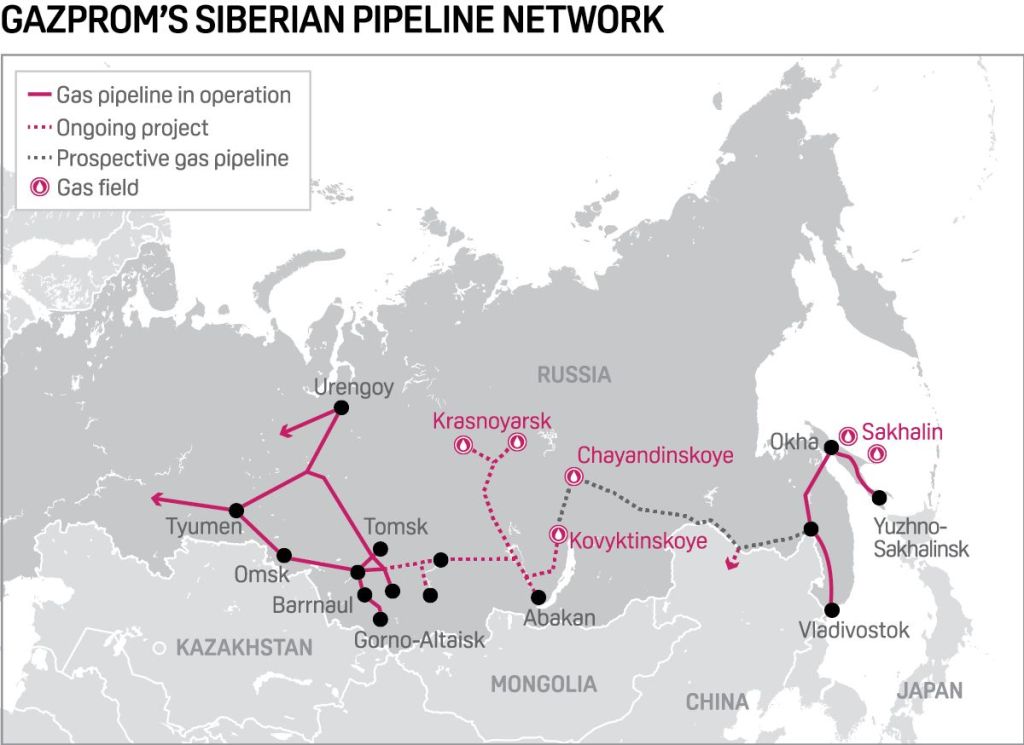
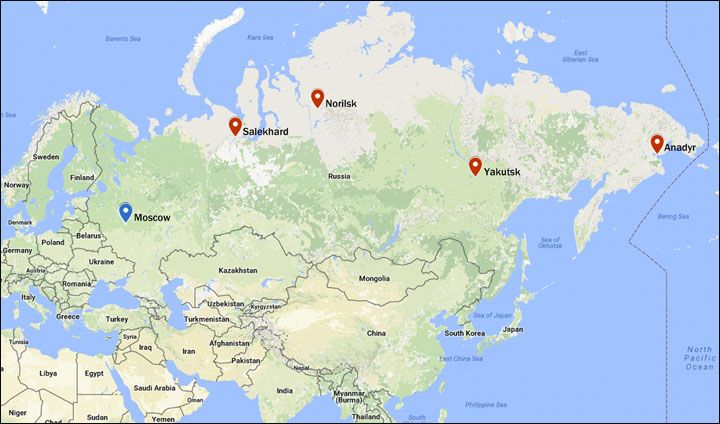


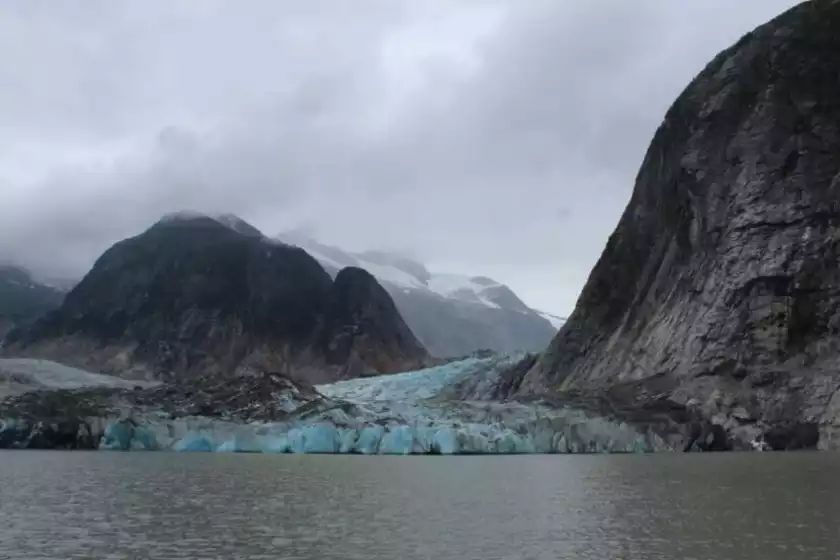




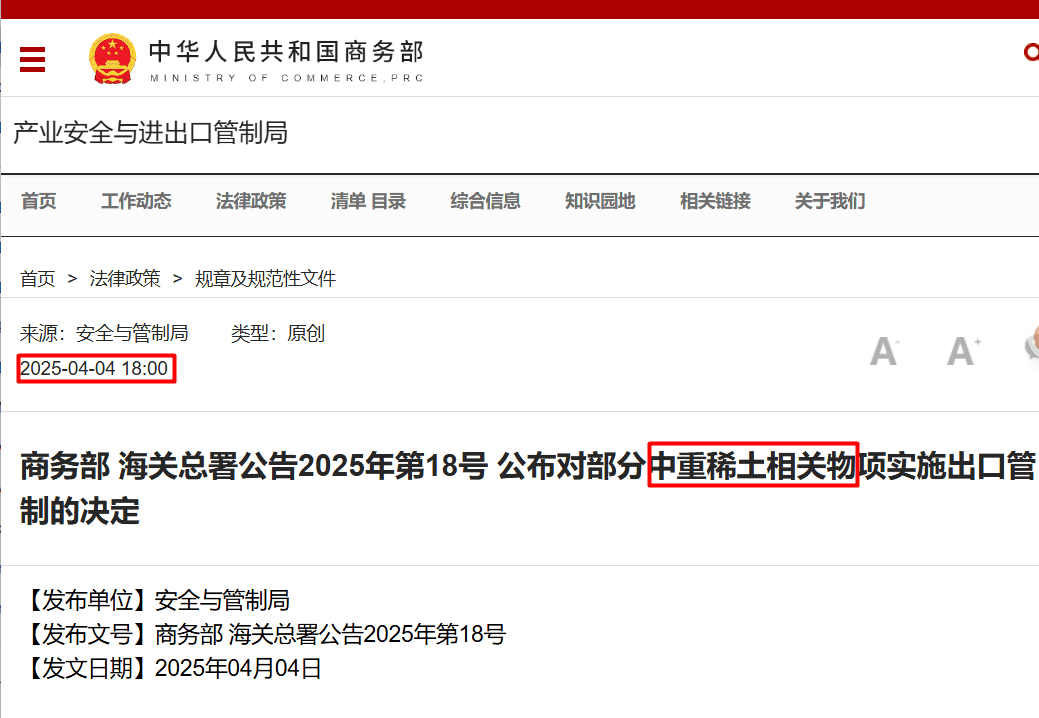


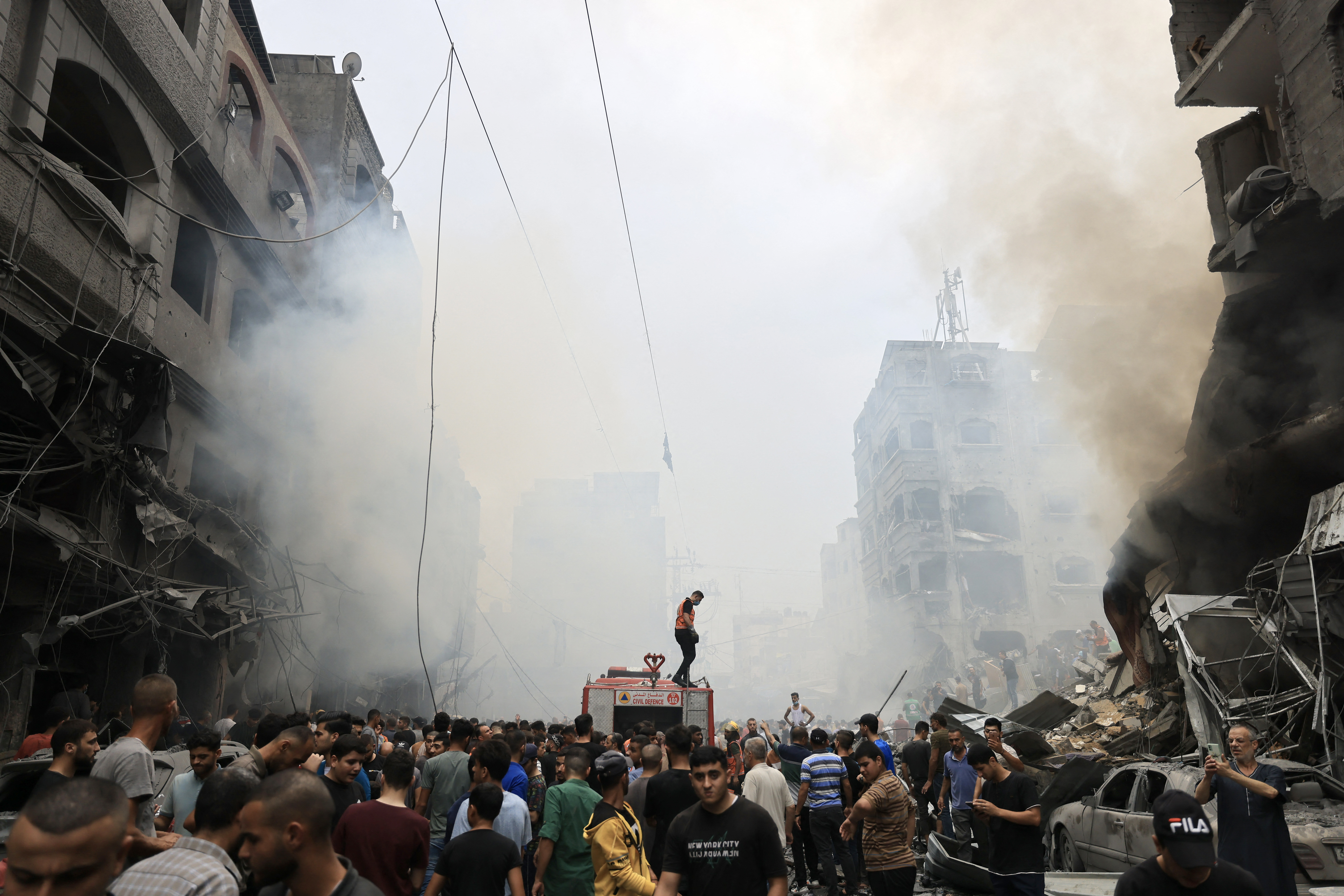


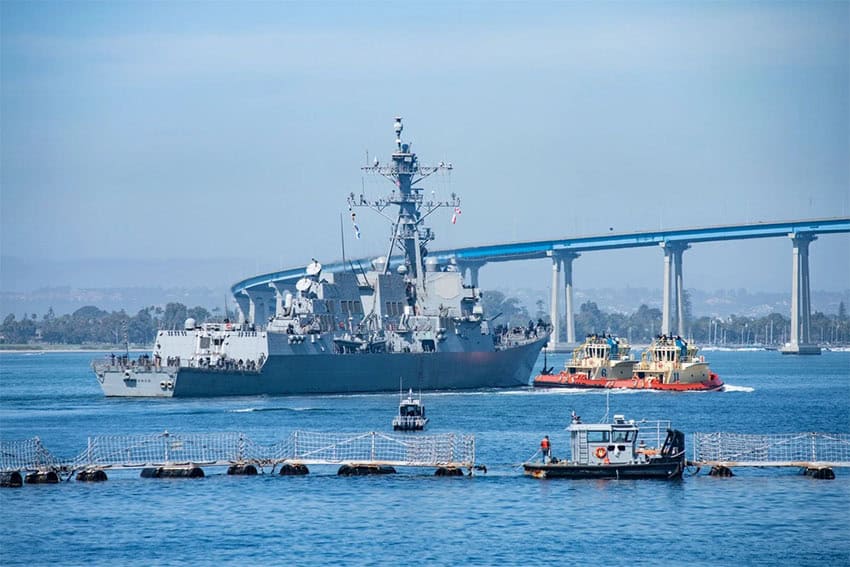





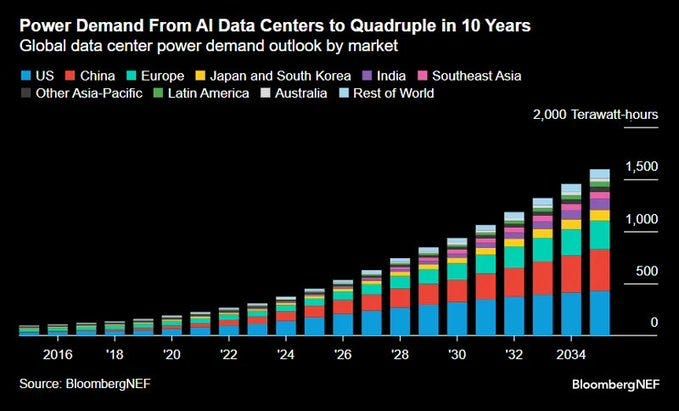



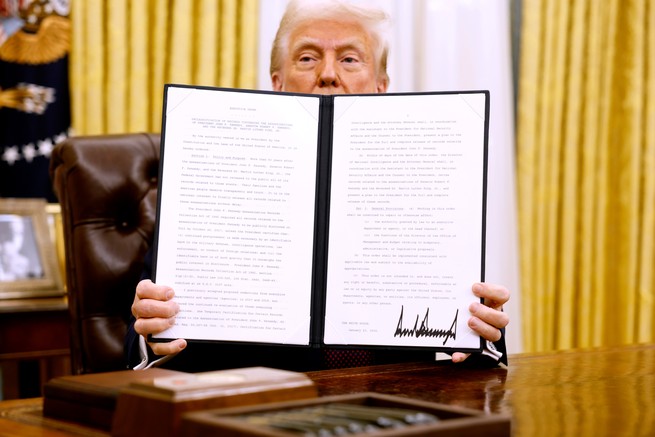
 borderslynn
You must be logged in to post a comment.