So now I’m reading ‘Burn Book’, by Kara Fisher. As I was passionate about computers in education back in 1981, this book has great resonance for me. Kara Fisher began as a journalist, intrigued by the young start-ups in Silicon Valley during the flourishing of the Internet. Here is an extract from the first pages of her book:
All these companies began with a gauzy credo to change the world. And they had indeed done that, but in ways they hadn’t imagined at the start, increasingly with troubling consequences from a flood of misinformation to a society becoming isolated and addicted to its gadgets. So had I, so much so that I had taken to joking at the end when I made speeches: “I leave you to your own devices. . . . I mean that; your phone is the best relationship you all have now, the first thing you pick up in the morning and the last thing you touch at night.” It always got a laugh, but by the time Trump was halfway through his term, it was much less funny and it was dead clear that I had underestimated how compromised the tech companies would become. “Facebook, as well as Twitter and Google’s YouTube and the rest, have become the digital arms dealers of the modern age,” I wrote in one of my first columns after I joined the New York Times as a columnist in 2018. “They have mutated human communication, so that connecting people has too often become about pitting them against one another and turbocharged that discord to an unprecedented and damaging volume. They have weaponized the First Amendment. They have weaponized civic discourse. And they have weaponized, most of all, politics.”
From those days in the 1980s when I worked as National Information Officer for the UK’s Microelectronics Education Programme, to now, when all my hopes for the future of our children have been smashed into fragments, I find myself greatly saddened in my final years of life at the present era of tech influence on us today.
We know there are huge positives from developments in technology, but we, the global population, are paying much too high a price.
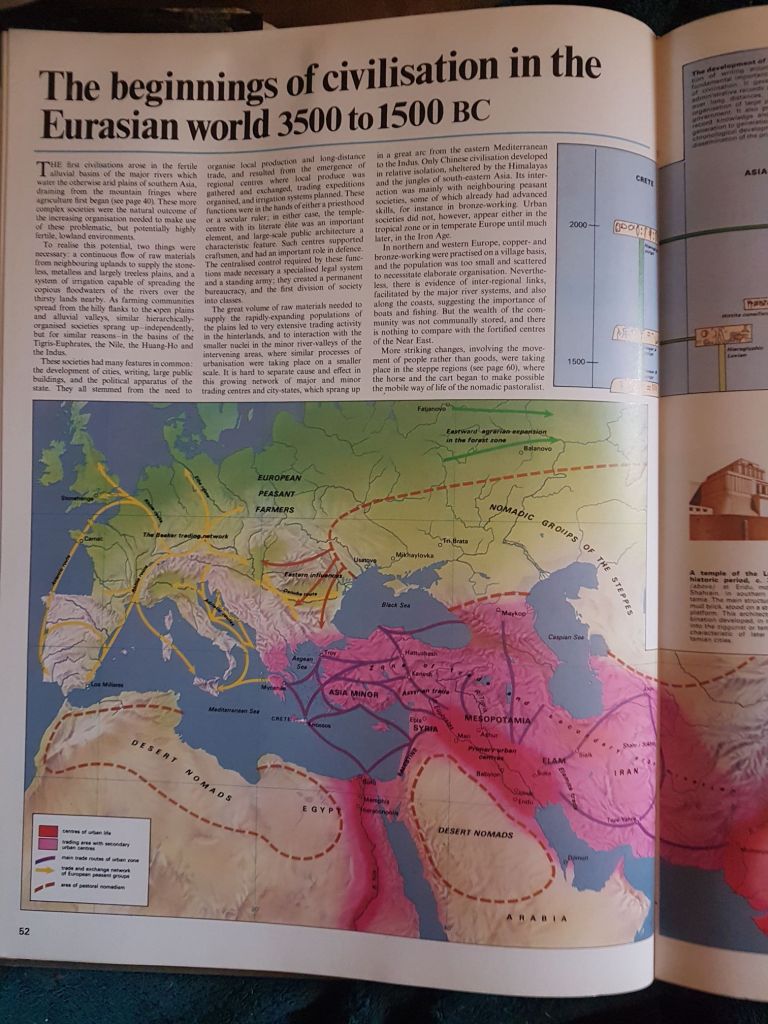
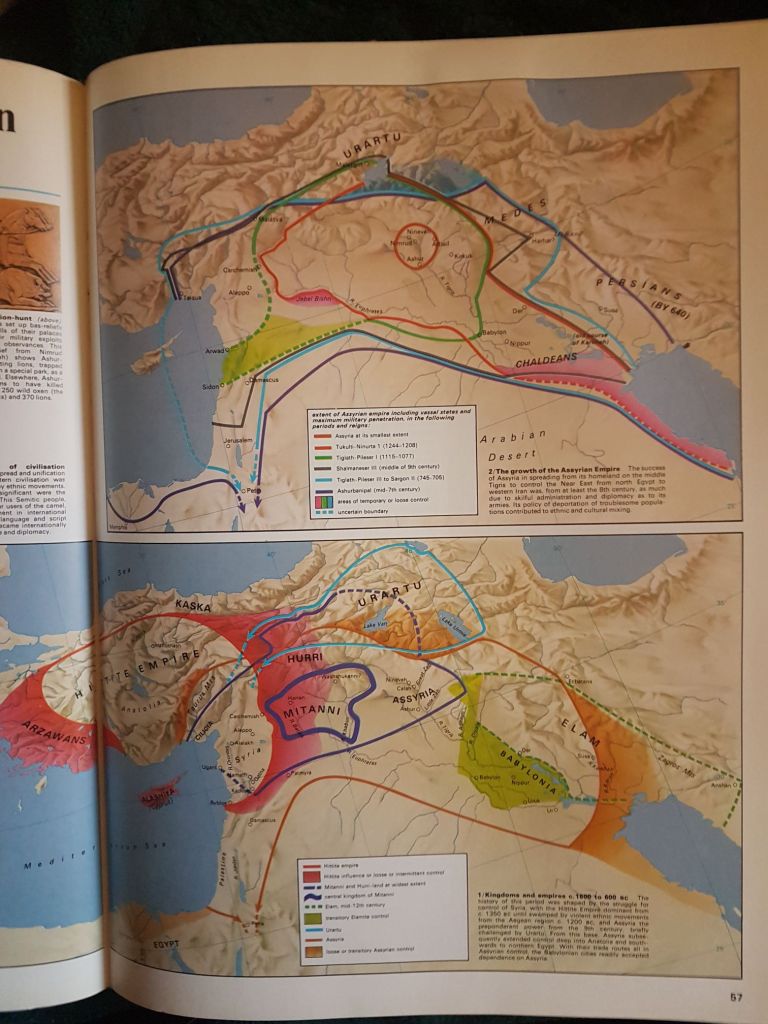
I have a 1978 copy of The Times Atlas of World History. I’ve taken these photos of some of its pages:
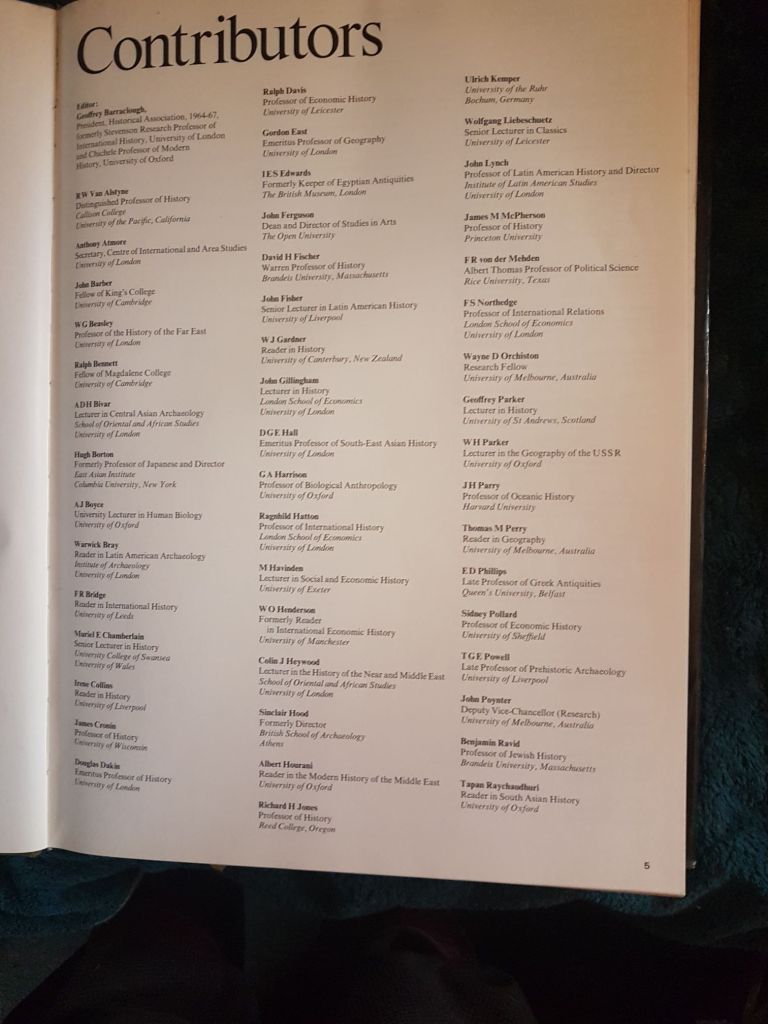
I treasure this book. Its then editor was Geoffrey Barraclough, formerly Stevenson Research Professor of International History, University of London and Chichele Professor of Modern History, University of London.
An interesting debate about genetics, ethnicity, faith and assigning names, which may cause confusion, can be read here:
After Assad fled, one news item stayed in my head. A warehouse filled to the ceiling with the drug, Captagon. The comment was that this was the favourite drug of Jihadists.
No doubt the “Captagon” used by ISIS or ISI, and other extremist groups, to enhance their soldiers abilities today is far removed from the Captagon of the eighties. Instead of just two main ingredients, illegal manufacturing likely combines several highly addictive stimulants with compounding actions into one destructive little pill. This “new age” Captagon, as with any highly addictive substance, is likely to cause irreversible changes in brain circuitry that govern impulse control and judgement, taking away a person’s ability to reason or think rationally.
Russia has been active in the Middle East for a while and only exited Syria when Assad’s government fell. RSF atrocities in Sudan have been done with the help of Russian Wagner mercenaries and UAE. Extremely barbaric slaughter has occurred in Sudan, and we all remember the butchery by Wagner troops in Ukraine.
ISIS attacks are so extreme and cruel and there is a deep psychopathic behaviour which was also active when Hamas extremists descended on the unsuspecting Israelis on October 7th, 2023.
If the brain circuitry is irreversibly damaged, this could be a drug administered to recruits (whether willing or forced) to turn them into psychopathic killing machines.
So who is manufacturing the drug, where are ingredients obtained and did Assad become wealthy from those purchasing it to spread terror and fear throughout the world?
I know my question has already been answered but do military motives outweigh motives to destroy all drugs which result in transforming a thinking, rational, responsible human being into a killing machine to work for some power hungry force?
Ronen Bergman, in his book, ‘Rise and Kill First’, tells us the history of extremist Israeli strategy against Palestinians. For example, in Lebanon, where fleeing Palestinians were living in flimsy refugee camps, that led to resentment from Christian extremists and some Israelis realized they could capitalize on that:
David Agmon was head of the Northern Command staff, one of the few who were in on Dagan’s secret ops. “The aim,” he said, “was to cause chaos amongst the Palestinians and Syrians in Lebanon, without leaving an Israeli fingerprint, to give them the feeling that they were constantly under attack and to instill them with a sense of insecurity.” In order to leave no Israeli fingerprints, Dagan and his crew recruited Lebanese locals, Christians, and Shiite Muslims, who detested Arafat and were infuriated by the way the Palestinians treated Lebanon and its people, as if it were their own land. Using those “operational squads,” as they were called, Dagan’s SLR began a series of targeted killings and sabotage operations in southern Lebanon.
In 1976 a massacre of Palestinian refugees occurred:
Sharon’s response was typical. Testifying behind closed doors before a 1982 Knesset oversight panel on the secret services, he read from a sheaf of classified documents about the massacre of Palestinians perpetrated by the Maronites at the Tel al-Zaatar refugee camp in 1976, when Rabin and Peres were running the country. Sharon dwelled at length on the horrendous slaughter of children, the blades that slashed open pregnant women’s bellies. Peres responded angrily, “Who knew [what was going on]?” Sharon replied, “The Red Cross reported that during those days of the massacre, our ships prevented the entry of vessels carrying medical aid. … You built the relationship and we continued it. … You also helped them after the massacre. We didn’t complain to you then. And I would not have raised the matter if you did not behave the way you behaved. … You, Mr. Peres, after Tel al-Zaatar, have no monopoly on morality.”
And a few years later, the link between militia taking drugs before committing atrocities was recorded:
Robert Hatem, Hobeika’s executioner, recalled that when the 350 Phalangists set out on their mission, “Hobeika told us, ‘Fuck everybody there. Erase the camp.’ We even took a D9 [bulldozer] to demolish everything.” The camp, Hatem said, “was made up of shacks, tin shanties. When we fired, everything came tumbling down. We shot in all directions. We didn’t check to see who was behind those walls.” The lion’s share of the damage was inflicted by a group commanded by Marom Mashalani. “Its members – including one of the commanders –” Hatem said, “took a lot of drugs, as much as it is possible to take. They didn’t distinguish between fighters and noncombatants or between men and women. They shot them all.” The result was a horrific massacre. The number of the dead is disputed—the Israelis say 700, and the Palestinians say 2,750. Sharon would later claim that “Lebanese forces [i.e., the Phalangists] would conform to the conventions of war when the IDF was controlling them, overseeing or coordinating their actions. … The terrible outcome is in the nature of an unanticipated and unexplained breakdown.” In other words, Sharon argued that he could not have foreseen what had happened. Classified IDF and Mossad documents, however, prove that the barbaric behavior pattern of the Phalange had long been known by the heads of the Israeli defense establishment. The prevalent assumption was that, straight after the evacuation of the PLO from Beirut, “the Phalange would find a way to move in, to settle scores—that murder would begin in Beirut from the first day.” Sharon himself had spoken with contempt about any possible military contribution the Phalange could make, asserting, “Forget about them. They won’t do a thing. Maybe later, when … it’ll be possible to loot, to kill, to rape. Yes, then they will rape and loot and kill.” The IDF and the Mossad didn’t contribute directly to the massacre, but the patronage they extended to the Christian forces and their failure to protect the occupied Palestinians tarred Israel’s name. As soon as the Israelis discovered what the Phalangists had done, they ordered them to cease and expressed their outrage. At the same time, however, they also began counseling the Maronite militia on what to tell the legions of journalists now covering the atrocity.
Religious differences within the Palestinian population have been exploited by their enemies.
And wherever there are differences of beliefs around the world, these are exploited by militia between factions causing continual suffering and strife. Drug use fuels the blind rampages of violence.
See also spread of drugs such as cannabis, opioids
The billionaires who profit in their illegal trade launder the proceeds at every stage of the supply chain:
The global illicit drugs trade is estimated to be worth at least half a trillion US dollars each year. Drugs such as cocaine, methamphetamine and heroin generate large revenues all along their supply chains, from where the products (and precursor materials) are grown or made – principally Colombia and Bolivia, China, Afghanistan, and the “golden triangle” of Myanmar, Laos and Thailand – to wherever the finished drugs are consumed.
Earnings in the illicit drug trade are variable. Few people will make the kind of money that once put the Mexican former cartel boss Joaquín “El Chapo” Guzmán on the Forbes list of global billionaires. But while drug “kingpins” are the industry’s biggest individual earners, they do not hold the majority of the drug money that is generated throughout the global supply chain.
Despite their frequent glamorisation in film and TV portrayals, drug cartels are basically international logistics companies. They work with distributors in different countries who deliver the drugs to regional wholesalers, who in turn supply the local retailers (dealers) who sell drugs to individuals.
Everyone along the supply chain takes their cut, with most people making much more modest incomes than the millionaire drug traffickers of narcocorrido lore. In our interviews with illicit drug entrepreneurs in the US and UK, we routinely spoke to sellers whose incomes ranged from pocket money to providing a moderately comfortable life.
Illicit drug use is damaging large parts of the world socially, politically and environmentally. Patterns of supply and demand are changing rapidly. In our longform series Addicted, leading experts bring you the latest insights on drug use and production as we ask: is it time to declare a planetary emergency?
Around 70% to 80% of the overall revenue generated by illicit drugs is shared among the many wholesale and street-level dealers in destination countries such as the UK and US, where the price per gram is at its highest. How this money moves and is used to sustain the illicit drug trade should be an important part of any worthwhile counter-narcotics strategy. But it rarely is.
Disinformation is dangerous. We fight it with facts and expertise
Professional money launderers
The people and organisations responsible for laundering drug revenues – that is, transforming them into untraceable money that can easily be spent, or into assets that can be held or sold – often exist under the radar of law enforcement and the media.
Yet the ways illicit drug money is laundered are hardly a mystery. Techniques include wire transfers to offshore bank accounts, investments in shell companies or deposits in cash businesses, and buying foreign currencies or (to a small extent) cryptocurrencies. In addition, the straightforward physical transportation of cash across national borders is an often-used method known as a “bulk cash transfer”.
The largest players in the illicit drugs industry, such as international cartels, national distributors and large-scale wholesalers, often use professional money launderers – some of whom have seemingly reputable jobs in the financial sector. In one recent case, US financial regulators fined TD Bank US$3 billion (£2.4 billion) – a record penalty for a bank – for facilitating the laundering of millions of dollars of drug cartel money.
Drug finance experts Mark Berry and R.V. Gundur have written extensively on the subject, and you can find an article about their findings in The Conversation.
As fierce and unprecedented wildfires bring calamity to thousands of people, thousands of gallons of toxic retardant are dropped from special air tankers on the racing fires below to try to stop the fires spreading to valuable property.
And, as the fire consumes homes like a great monster eating its way over acres of land, the tell-tale black smoke of the modern plastics and petrol based materials within the homes is rising against the grey smoke of burned vegetation.
Fire fighters are the frontline responders who suffer when exposed to buildings which have fossil fuel based materials within them:
Communities and first responders are traumatised but work as one to survive, saving as many lives as is possible
Reporters don fire retardant clothing and wear appropriate masks to protect them as they risk their health to report the current tragedy unfolding around them.
People talk of rebuilding on this contaminated land and groundwater. The air they breathe is toxic and all will suffer health problems, both psychological and physical.
After the curse of human activity induced climate change has gained momentum, how can any of us move forward whilst the fossil fuel industries double down?
There are absurd money making industries which override common sense and responsibility and attract fire disasters in poor countries who are not in a position to stop such inward investment – take Portugal.
Here the paper industry plant the Australian native eucalyptus tree as it grows easily, is invasive and supplies us, via them, with toilet rolls!
Industrial power could consider such impacts on whether to worsen resilience rather than assist our chances of surviving our ever warmer climate, made warmer by emissions from burning vegetation.
And if you lack fire trucks because of monopoly ownership through insurance, then you are without sufficient resources which is why LA suffered so badly:
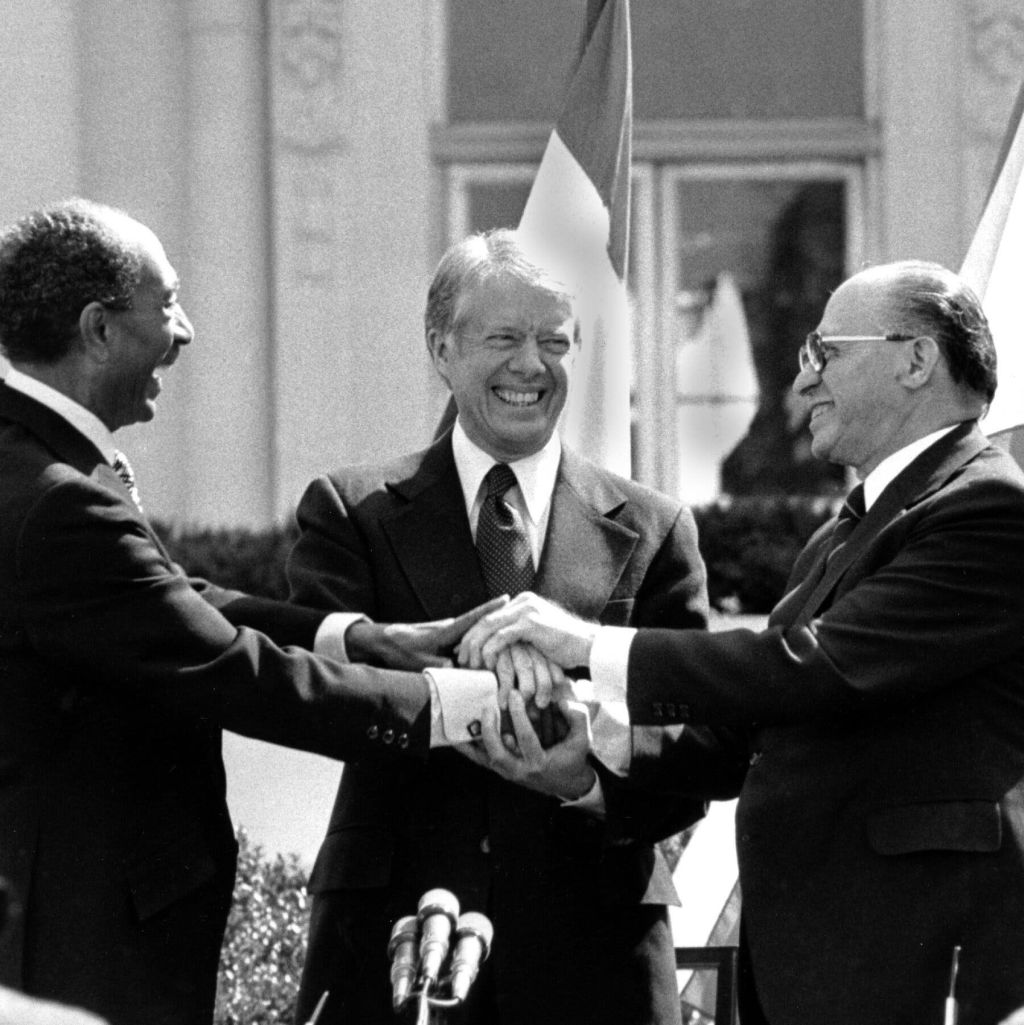
As flags fly at half mast for 30 days in mourning the death of Jimmy Carter, who lived to an amazing age of 100 years, we are being reminded through the media of his landmark successes as a President, and more substantially, of his achievements in his post presidential years.
But, as Palestinians endure collective punishment for the heinous acts against Israelis on October 7th, 2023, I watched the historical coverage of the Peace Accord between Egyptian President Anwar Sadat and Israeli PM Menachem Begin, signed at Camp David and persuasively argued for by President Jimmy Carter. Jimmy Carter brought humanity into the equation.
And here in the book by Ronen Bergman, “Rise and Kill First..” there is an extract about that historical moment:
IN MAY 1977, ISRAEL’S Labor Party, which had ruled the country since its establishment in 1948, lost a national election for the first time. It was defeated by the Likud, a nationalist right-wing party led by Menachem Begin, the former commander of the Irgun, the anti-British underground. A combination of various factors—the discrimination and humiliation suffered by Jewish immigrants from Arab countries, revelations of corruption in the Labor Party, the shortcomings of the Yom Kippur War, and the ability of the charismatic Begin to take advantage of these factors and ride a wave of populism—led to an upset that shocked both Israelis and observers abroad. Begin was viewed by many foreign leaders and local top officials as an extremist and a warmonger. Some of the chiefs of Israel’s military and intelligence agencies were convinced that they would soon be replaced by partisans of the new government. But Begin’s initial moves as prime minister surprised everyone, foreign and domestic. At a dramatic summit meeting with Presidents Jimmy Carter and Anwar Sadat at Camp David in 1978, he agreed to a breakthrough peace treaty with Egypt that provided for Israel’s eventual total pullout from the Sinai Peninsula, conquered from Egypt in 1967. The withdrawal of the army, the dismantling of settlements, and the relinquishment of oil fields and tourism facilities were bitterly opposed by Israel’s right wing. But Begin, risking his own political standing, forced his party to comply. He also greatly strengthened the security alliance with the United States and bolstered the overarching authority of the Israeli Supreme Court. Internally, there was no purge. Indeed, Begin even asked two men with strong ties to Labor—Shin Bet chief Avraham Ahituv and Mossad head Yitzhak Hofi—to remain in their jobs. “It was very strange for us,” Hofi said. The Labor Party was hard-boiled and pragmatic when it came to matters of the military and intelligence. “But for Begin,” Hofi said, “the army was something sacred.”
Begin knew of negative attitudes in the US to Jews who lived there, and no doubt wanted to persuade the US to learn to value the Jews in their midst:
The KKK and other segregationists bombed Southern synagogues and the homes of outspoken Jews in response to Jews’ support for the civil rights movement in the 1950s and 1960s. The “No Dogs, No Coloreds, No Jews” sign at the Baltimore Country Club in Maryland didn’t come down until 1970.
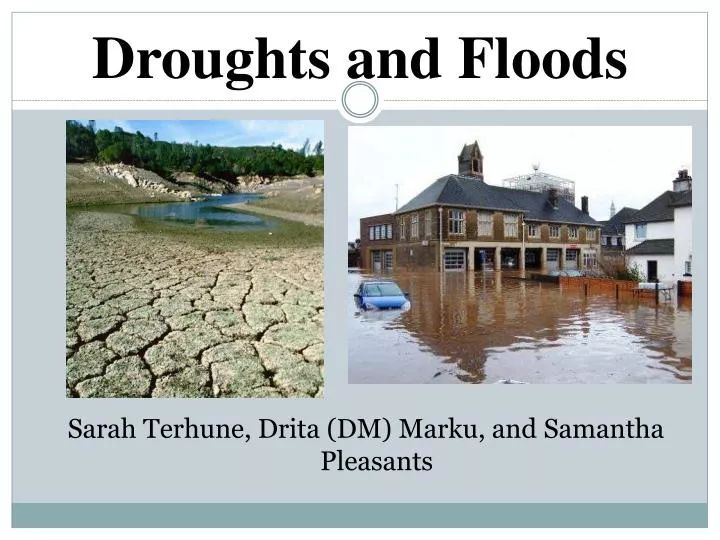
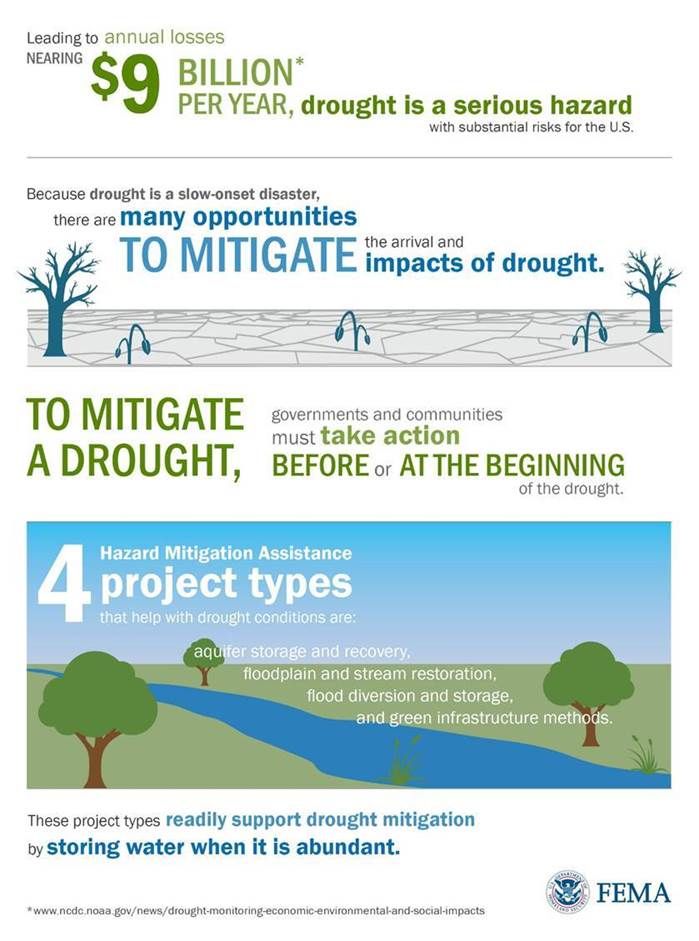
It is becoming common to have drought then flood as a repeating disaster, leaving no time for recovery or intervening built-in solutions.
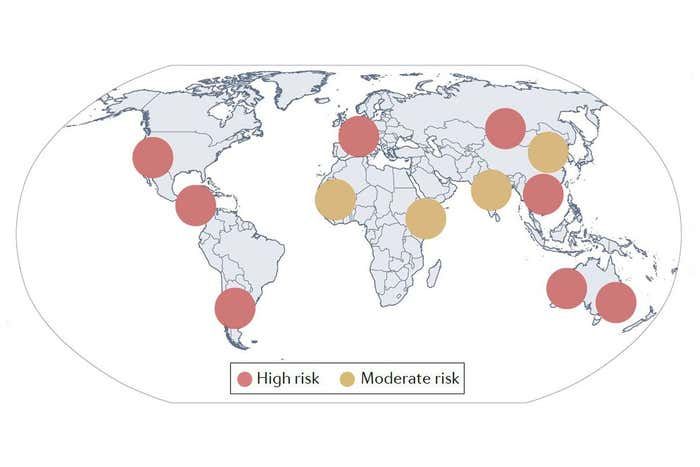
It is a bit late in the day, but research is appearing to analyse these dreadful events. The following is ‘multi hazard’ research which must be of global interest.
rapid-onset events with a more concentrated impact. Additionally, the review identifies commonalities between the two hazards, such as shared causes, cascading effects, mutually negative impacts, potential for joint management strategies, commonly affected sectors, geographical distribution patterns, frequently cited case studies, a growing focus on urban areas, and crucial knowledge gaps that require further investigation. Finally, the paper presents a novel framework for analyzing the interconnected risks of floods and droughts. This framework emphasizes the importance of comprehensive data collection, including risk factors, contextual information, drivers, impacts, responses, and historical event data. This holistic approach aims to improve understanding of these interconnected hazards’ combined causes and effects. The article argues for a paradigm shift in urban planning towards a multi-hazard, multi-sectoral, resilient, and adaptable approach that considers both floods and droughts in the context of climate change. The article concludes with suggestions for further research.
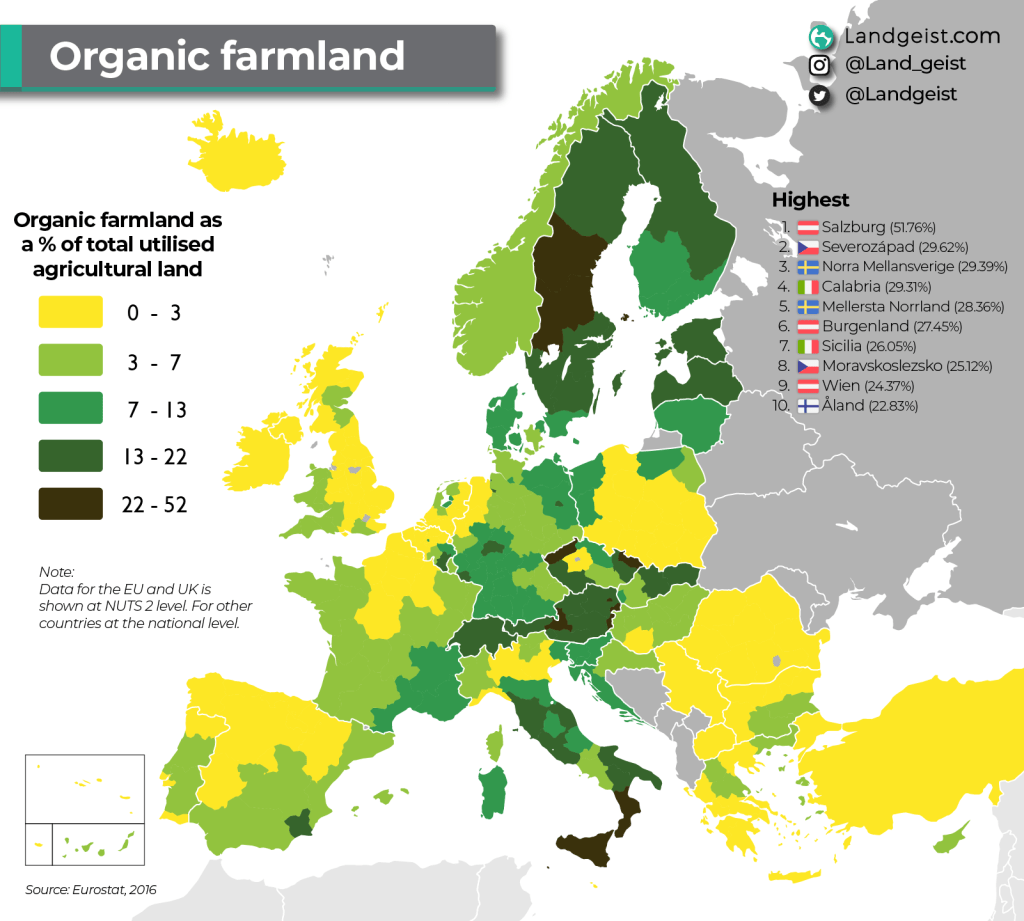
aims to improve the biological and physical quality of Sicilian agricultural soils, through the implementation and adaptation of conservative or ‘organic regenerative’ farming techniques and technologies (intercropping, minimum tillage, grassing) to the organic farming systems of the Sicilian region, particularly on the most commonly present rotational arable crops and tree crops. The project is implemented by a partnership composed of five Sicilian farms, one private research organisation and two consulting companies
But Sicily, this year, has experienced rainless months
Crops have failed, animals had to be prematurely slaughtered and Sicily and Sardinia did not have enough water for tourists. The result is economic catastrophe.
Investing in resilient infrastructure and water conservation will be necessary to adapt to a warmer climate on these Mediterranean islands.
But this action should have been put in place before this year’s drought period. We know how previous years have grown hotter and hotter due to increased ocean temperatures caused by global fossil fuel use.
Israel leads the world in desalination technology, modern irrigation processes and waste water systems linking its networks around Israel. Italy needs to try to utilise these systems before their land becomes an arid desert.
As farmers have to accept climate change is impacting them on many levels, they have worked to organise their farms to be more resilient. Here is an example of a flood plan in Wales, a country, more often than not, hit by flooding:
And farmers are trying to move away from livestock rearing to horticultural to reduce carbon emissions which exacerbate greenhouse gases which are warming the planet, leading to devastating weather events:
Since 2022, farmers are being encouraged to study the Soil on their land, the importance of worms and their processes.
Soil health is at its heart. The aim is to improve or restore soils that have been degraded by rebuilding soil organic matter and increasing soil biology.
Too much fertiliser harms plants. Restoring damaged soil by encouraging microbes to reinhabit the Soil through rotation of crops (which the Romans taught the Britons when they occupied parts of Britain) – see
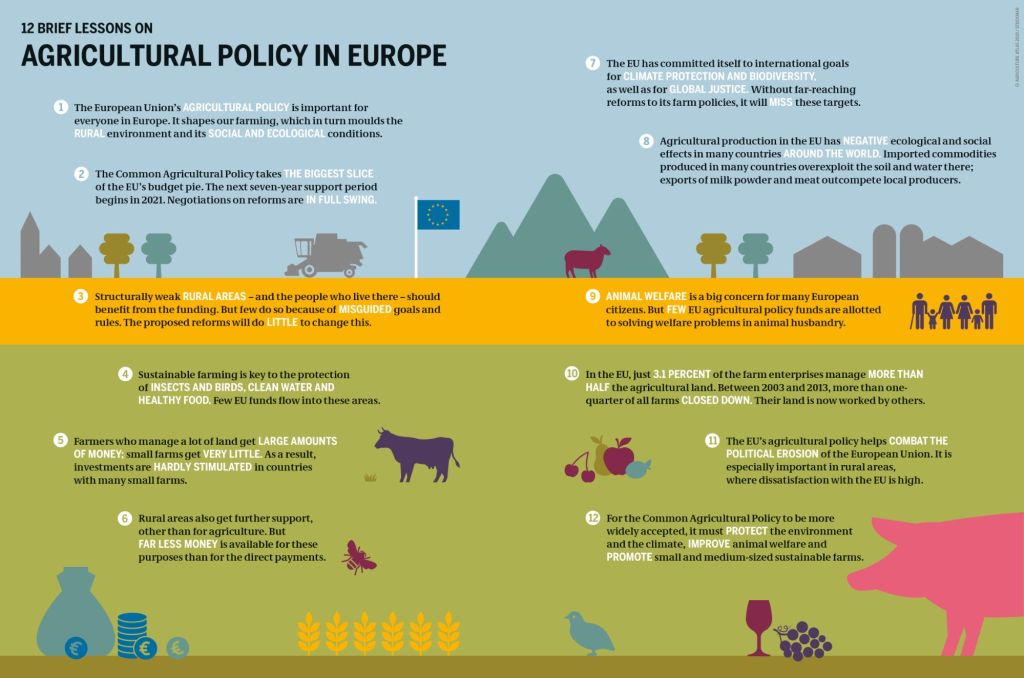
On reading the Soil Association report ‘ An agroecological Europe in 2050: multifunctional agriculture for healthy eating’, I am struck by the soundness of this 10 year effort in Europe to move to Agro-ecological methodologies to provide sustainable farming methods without harmful pesticides and fertilisers. The cost-benefit analysis ensures the outcome is healthy food grown in an ecologically balanced environment which follows a pre-industrialised approach to farming. The analysis, after 10 years of effort to transition to these methods, is assisting a strategy to increase food security for Europe.
It is common knowledge that diabetes, obesity and cardiovascular disease are increasing world wide. The way we produce and consume food is one of many factors causing this spiralling of health quality.
Agroecology offers cleaner environments, diversity of wildlife, cleaner water, less stress on the environment and thus people.
We will move to an understanding of food quality where we will eat less but gain all the nutrition we need from a range of foods we grow with the seasons within each of our countries. Farmers will no longer import soybean meal for their livestock. Farmers will not die prematurely from working with toxic chemicals on the farm. Farmers need not race to equip themselves with the latest expensive gadgetry and so reduce their energy use and stocking of pesticides in order to kill pests which are caught in the vicious cycle of becoming tolerant to the poisons.
Farmers will do more with less, by using inputs and resources more efficiently.
Support for small farms has not been the trend, instead they have been bought out to create corporate size farms. This trend goes against the guardianship of land where hedges, diverse plant life, trees and clean water infrastructure once existed and need to be restored to return the land to a balanced ecosystem to benefit community life.







 borderslynn
You must be logged in to post a comment.