Look back in recorded history and see the financial costs of war. While some are in a position to profit, most are broken nations. The domino effect was summarized neatly for the resulting economic cost to many of WW1 in the book I recommended in my previous blog:
After the First World War, in 1920, the League of Nations was set up to maintain world peace. Though it did initially have some successes, reaching fifty-eight member states in 1934, it is widely regarded as being ultimately unsuccessful due to the international failure to deal with war debts and how states interact, particularly their connections through currency exchange rates. In the aftermath of the war, Britain owed the US substantial sums of money, which it could not repay because it had used the funds to support its allies during the war. These allies could not pay Britain because they were so damaged by the war: thus there was a chain of debts. At the Versailles Peace Conference, the French, British and Americans agreed to make Germany pay these debts. War reparations were set at the equivalent of over US$400 billion in 2017 money. The scale of the reparations was unworkable and ultimately led to serious economic problems for Germany: in the end they were unable to pay. This meant that the long chain of expected financial flows from Germany to France, so it could pay back Britain, which in turn could pay back the US, failed to materialize. In addition there was a speculative boom in the US, so many of the ‘assets’ on bank balance sheets around the world were actually unrecoverable loans In 1929 the US saw the largest stock market crash in its history, with knock-on effects in London. In 1931 the UK crashed out of the ‘gold standard’ for its currency, ending its fixed exchange rate with gold and so devaluing sterling, with fears the US would follow suit. Credit flows dried up, culminating in a widespread banking crisis. While the causality and interactions are hotly debated, the international financial system was weakened and the 1930s saw a worldwide economic depression.
The Human Planet: How we Created the Anthropocene by Lewis and Maslin
Whilst wars rage around us today, as in Ukraine and the Middle East, humans strive to introduce possibilities as to how we might gain more and lose less if we reset our economic compass to save all of us and what remains of life on this precious Earth.
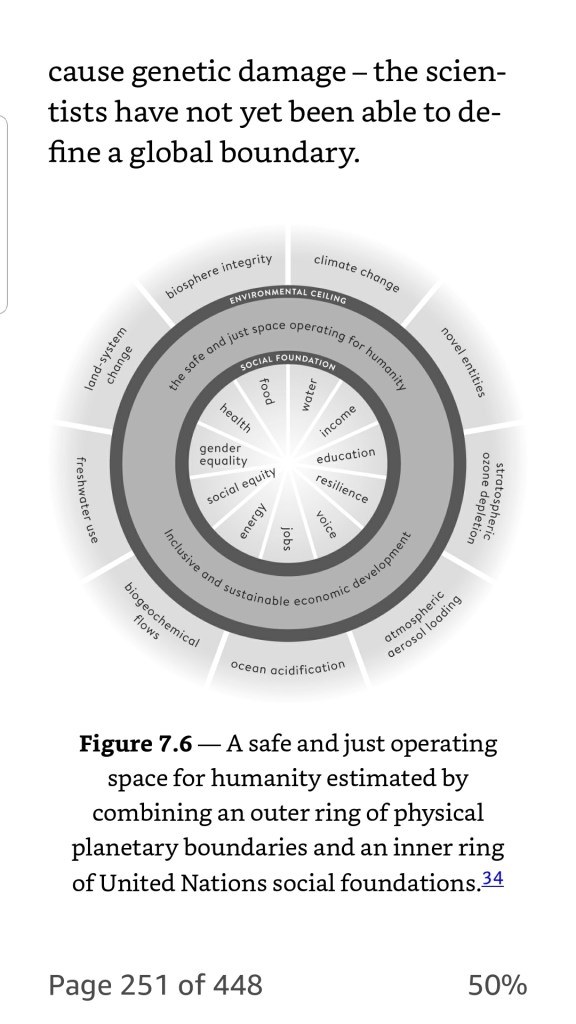
From the above same book, but referring to Kate Raworth’s book, ‘Doughnut Economics’ we should seek a safe operating space for human existence (and thus all living things):
The safe operating space for humanity relates to the physical environment. It has been suggested that an extension is required including health, nutrition and social wellbeing levels that nobody should fall below. Economist and development researcher Kate Raworth incorporates the planetary boundaries, which she refers to as an environmental or ecological ceiling, with key aspects of our ‘social foundation’ as a lower boundary, including water, food, health, income, education, employment and social equality. In between these two rings is the ‘doughnut’, what is called ‘a safe and just operating space for humanity’, seen in Figure 7.6. To live within this space, according to Raworth, requires inclusive, redistributive and sustainable economic development, which is becoming known as ‘doughnut economics’, but which might also be called Anthropocene economics.37
Inspired by:
Screen grab of diagram reproduced in The Human Planet
Let us not forget Maslow’s Hierarchy of Needs:
Psychologist Maslow presented this in 1943, during WW2
Wars are a sign of desperation, final grabs for finite resources driven by fear and mental stress.
We must work with empathy to care for ourselves in a more responsible way and stop all bloody and cruel destruction to our fellow humans. Join together for the sake of our precious planet which once teemed with diverse life forms before we arrived.
I do recommend you read The Human Planet: How we Created the Anthropocene as I find it enthralling. But anyone who has read any of my blogs will understand my enthusiasm for this material so well put together to provide evidence of scientific markers which only human endeavours could have made. So here are some extracts to whet your appetite:
…….In response, we present a simple method to arrive at a start date for the Anthropocene. Having established that Earth is moving towards a new state, we look to geological sediments to define an epoch, just as past epochs in Earth’s history have been defined. A specific chemical or biological change in a geological sediment needs to be chosen to signal the beginning of a new human-influenced layer of sediment. This marker must also be correlated with changes in other sediments worldwide. Called a ‘golden spike’, the marker says: after this point Earth is moving towards a new state. We sift through the various golden spikes that have been proposed. Our analysis concludes that the earliest date when these geological criteria are met is the year 1610, marked by a short-lived but pronounced dip in atmospheric carbon dioxide captured in an Antarctic ice-core, reaching its lowest level in this year. Called the Orbis Spike, from the Latin for ‘world’, it marks when the Columbian Exchange can be seen in geological sediments. Much of the drop occurred because Europeans carried smallpox and other diseases to the Americas for the first time, leading to the deaths of more than 50 million people over a few decades. The collapse of these societies led to farmland returning to forest over such an extensive area that the growing trees……..
The Human Planet: How we Created the Anthropocene by Lewis and Maslin
…………Creating a Super-Interglacial In Chapter 4 we saw that the conversion of natural vegetation to farmland adds carbon dioxide to the atmosphere, offsetting the expected decline in carbon dioxide through the Holocene as the interglacial continued. This provided unusual stability to Earth’s global average temperature and other climatic conditions. Farming delayed the onset of the next ice age and gave more time for complex civilizations to form……..
…………in Chapter 5 we saw that the cessation of farming across the Americas temporarily did the reverse, causing a century of globally cooler climatic conditions, with widespread adverse impacts on many cultures. These changes were modest compared to the rise in carbon dioxide following the increasingly widespread use of coal and other fossil fuels. The Industrial Revolution, over time, has created conditions that have not been experienced in the 200,000-year span of anatomically modern human existence. Fossil fuel use has created a super-interglacial……….
……..
During the Industrial Revolution carbon dioxide levels rose from about 280 ppm at its inception to 404 ppm in 2016, some 0.6 ppm per year, another order of magnitude increase. To put this in a wider geological context, the change in atmospheric carbon dioxide between the last glacial maximum and the beginning of the Holocene was about 80 ppm……..
Since the Industrial Revolution human actions have been changing the global carbon cycle faster than it changed coming out of an ice age, and since the 1950s, at ten or more times that rate. By adding 2.2 trillion metric tonnes of carbon dioxide to the atmosphere since the Industrial Revolution, from both fossil fuels and converting more farmland, there is now more carbon dioxide in the atmosphere than has been seen for at least 800,000 years, and possibly several million years. 28 The majority of these additions have been in the past fifty years. There is clear evidence that these anthropogenic greenhouse gases are changing our climate………
As some wind farms reach their expiry date they are being dismantled and recycled. At least most of the body of each turbine can be recycled, except the massive blades.
Mega lithium battery factories have been built. Different designs and components to build a less volatile battery proliferate, as dangerous toxic and difficult to extinguish lithium fires (runaway type) have been recorded.
putting forward ideas by Frenchman, Vincent Doumeizel. He is senior Adviser at United Nations Global Compact on Oceans and director for the Food Programme for the Lloyd’s Register Foundation. He is also guest editor of CNN’s Call to Earth series.
The programme reveals how the project pulls together food growers, researchers, cuisine explorers, and many others, to demonstrate how we might save the threatened seaweed microalgae from climate change impacts.
The highly nutritional seaweed could be cultivated in a safe and sustainable manner to create a fully nutritional food which could easily feed the world. It could also be grown in a protected environment along with other endangered species which feed on it, like certain fish and scallops.
A piece of research in 2019 explained the threats of contamination to this potential food source:
During the last decade, the interest on the use of seaweed as food or feed, which was before limited to certain European regional subpopulations, has experienced a significant increase in other regions of the EU. In fact, the growing awareness and interest on sustainable and alternative food sources, healthier lifestyles and changes on dietary patterns brought seaweed to the spotlight for the general worldwide cuisine. Due to their high biosorption and accumulation capacity, seaweed can be an important source of increased exposure to persistent and potential harmful elements, such as cadmium (Cd), lead (Pb), mercury (Hg) and inorganic arsenic (iAs), or even some micronutrients, particularly iodine (I), to which an antioxidant role as been described in seaweed. This concentration potential has raised the interest of several Food Authorities regarding the risk of increased exposure to these elements. Moreover, the European Commission requested the collection of monitoring data on their levels aiming to aid the performance of better risk assessments and potentially set maximum levels on the European Legislation. This work aimed to obtain levels of these elements in species of seaweed (Fucus vesiculosus, Fucus serratus, Fucus spiralis, Fucus evanescens, Saccharina latissima, ulva lactuca and Ccladophora sp.) cultivated and harvested in Denmark, following European Commission’s request. Additionally, a collaboration between Denmark, Ireland, France and the Netherlands was initiated to review and collect all the data available on scientific papers regarding the levels of these contaminants in seaweed worldwide. The final result of this work would be the publication of a review article. This Fellowship also provided on-the-job training on the evaluation of applications of new biocides and participation in the science based advises given to the Danish Food and Veterinary Administration, Danish EPA, the Danish Medical Agency and ECHA.
1 Introduction
Up to now, mostly used by specific subpopulations in Europe (namely in Iceland, Scotland, Ireland, Wales and France) (Mahadevan, 2015; Tiwari and Troy, 2015), seaweeds or macroalgae have recently experienced and increased interest regarding their use as food and feed. In fact, after being used for centuries as a staple food particularly in Asian countries, seaweeds are expected to become a relevant food and food ingredient in the European market. Seaweeds were brought to the spotlight in the Western world due to their marketing and perception as ‘superfood’, increased interest in healthier diets and lifestyles as well as on more sustainable food sources and production (Mahadevan, 2015; Mendis and Kim, 2011; FAO, 2018). As a result, a wide variety of seaweed-based or containing products is now more easily available to European consumers, from the traditional sushi to salads, breads pasta, chips and drinks (Bouga and Combet, 2015).
With high nutritional value due to the presence of important macro- and micronutrients including vitamin B12, omega-3 and -6 fatty acids, selenium, iodine and dietary fibre (Aguilera-Morales et al., 2005; Peña-Rodríguez et al., 2011; Gil et al., 2015), seaweeds are also studied as a source of several bioactive compounds with potential health benefits/applications (Holdt and Kraan, 2011; Brown et al., 2014). Seaweeds can also be a source of increased dietary exposure to potential harmful and persistent contaminants (such as inorganic arsenic, lead,l cadmium and mercury) as well as some nutrients, such as iodine. In fact, due to the specific characteristics of their cell wall and structure, seaweeds present a high concentration potential for minerals and trace elements present in the surrounding waters. As a result, the levels of these elements are on average several orders of magnitude higher in seaweed than in the water (Jadeja and Batty, 2013; Malea et al., 2015; Bonanno and Orlando-Bonaca, 2018). This concentration potential is behind the extended use of macroalgae in biomonitoring and bioremediation protocols, from where most of the knowledge on the uptake of contaminants by seaweeds has been gathered (Hamdy, 2000; Sheng et al., 2004; Chakraborty et al., 2014; Holan et al., 1993). So far, studies report high intra- and interspecies differences, as well as geographic and seasonal variability in the concentration of different elements in macroalgae (Brito et al., 2012; Ryan et al., 2012; Chakraborty et al., 2014; Malea et al., 2015; Chen et al., 2018).
Iodine is an essential micronutrient for the synthesis of thyroid hormones, which in turn are important for growth, development and metabolism, particularly vital during earlier stages of life (WHO, 2007). Iodine can cause the dysfunction of thyroid gland at high levels of exposure. This is the reason why in 2002, EFSA’s Scientific Committee on Food (SCF) suggested a tolerable upper intake level (UL) for adults of 600 μg iodine/day and adjusted this for the remaining age groups based on differences on body surface area (body weight0.75) (European Commission, 2002). Mercury, lead, cadmium, and inorganic arsenic are completely deprived of biological activity in humans and harmful even at trace levels (Bilal et al., 2018), being elements of greater interest for food safety authorities. Inorganic arsenic (IARC, 2012) is classified as carcinogenic for humans while methylmercury (MeHg) (IARC, 1993) and inorganic lead (IARC, 2006) have been classified as possibly carcinogenic for humans, besides being characterised by several other toxic effects in humans, e.g. neurotoxicity and nephrotoxicity.
The toxicological profile and the relative high exposure from other sources of these elements has raised the interest of several Food Authorities concerned with the exposure to excessive levels of these contaminants due to seaweed consumption (FSAI, 2015; Duinker et al., 2016; ANSES, 2018). However, maximum levels for heavy metals and metalloids have been set by the Commission Regulation No 1881/2006 (European Commission, 2006) as amended by Regulation No 629/2008 (European Commission, 2008), in a range of foodstuffs including seafood, seaweeds are not included on the list. Despite being more frequently performed, speciation of arsenic and mercury is still frequently not included despite its importance for the evaluation of the risk associated with consumption ad increase consumers’ protection. In conclusion, nowadays in Europe, there are no regulation on the maximum levels of these elements in seaweeds as food, besides a maximum limit level of 3.0 mg/kg wet weight for cadmium in ‘food supplements consisting exclusively or mainly of dried seaweed or of products derived from seaweed’ (European Commission, 2008). Recognising the emergent interest in seaweed and the lack of data on the levels of these contaminants in seaweeds available and or produced in the European market, monitoring data for the most common edible species of seaweeds have been requested by the European Commission to all member states during the period of 2018 to 2020 (European Commission, 2018). The final result of this monitoring action could be the setting of maximum levels for arsenic, lead, cadmium, mercury and iodine for seaweeds as well as providing more data to improve the risk assessments regarding the consumption of this food.
The seriousness of the food industry to cultivate and process seaweed has to address all the usual food safety standards.
At the same time, seaweed is like a canary in the mine as its cells accumulate levels of toxins which are absorbed from surrounding waters. These would be less easy to detect and analyse without having seaweed to analyse.
As a library, NLM provides access to scientific literature. Inclusion in an NLM database does not imply endorsement of, or agreement with, the contents by NLM or the National Institutes of Health. Learn more: PMC Disclaimer | PMC Copyright Notice
The use of seaweeds in the human diet has a long history in Asia and has now been increasing also in the western world. Concurrent with this trend, there is a corresponding increase in cultivation and harvesting for commercial production. Edible seaweed is a heterogenous product category including species within the green, red, and brown macroalgae. Moreover, the species are utilized on their own or in combinatorial food products, eaten fresh or processed by a variety of technologies. The present review summarizes available literature with respect to microbiological food safety and quality of seaweed food products, including processing and other factors controlling these parameters, and emerging trends to improve on the safety, utilization, quality, and storability of seaweeds.
Of concern is the antimicrobial resistance (AMR) in bacteria.
proposing a circular economy which can utilise microalgae to break down sewage waste into safe fertiliser for farmers fields; replace soya with nutritional food using microalgae; replace oil as fuel with microalgae created biofuel and so on.
Extract:
Microalgae – not to be confused with macroalgae (seaweeds) – are massively abundant in our seas, freshwater lakes and rivers. These tiny organisms are important “primary producers” on our planet, acting as biomass factories. They use sunlight through the process of photosynthesis to convert inorganic molecules (carbon dioxide, nutrients and water) into proteins, fats and carbohydrates, plus a host of other organic compounds that help them grow and survive. These tiny microorganisms support all life in our oceans and, with their high turnover rates, contribute to around 50% of the planet’s primary production.
Read about the dying lake, the biggest in the UK, suffering from lack of controls from agricultural and other pollution which has sounded the death knell for yet another vital freshwater supply in this troubled world.
Despite the major benefits of fertilizers, their use has caused excessive amounts of nutrients, particularly nitrogen (as shown in Figure 7.4) and phosphorus, to enter freshwater and coastal seas, damaging aquatic ecosystems via a process called eutrophication. This happens naturally when nutrients accumulate as lakes gradually age and become more productive; it usually takes thousands of years to progress. Anthropogenic eutrophication happens when excessive human-generated nutrients result in high growth rates in the algal population. When this algae dies, its decay depletes the water of oxygen. Such eutrophication may also give rise to toxic algal blooms. Both the low oxygen and toxicity cause animal and plant death rates to increase. At the coast, eutrophication can cause so-called dead-zones where little life survives. These near lifeless zones now span hundreds of locations and over 245,000 square kilometres of the world’s oceans.12 Aside from the numerous positive and negative impacts of the Haber–Bosch process, it is very energy intensive. Some 3 to 5 per cent of the world’s natural gas production, and around 1 to 2 per cent of the world’s annual energy supply, is consumed fixing atmospheric nitrogen for human use. This fossil fuel energy, with its effects on the global cycling of carbon, is also driving changes to the global cycling of nitrogen. The changes to the nitrogen cycle are arguably greater than our intervention in the carbon cycle: currently human activity fixes about the same amount of atmospheric nitrogen as all other natural processes put together. We have doubled the intensity of the nitrogen cycle.
The Human Planet: How We Created the Anthropocene
Human activity is the only cause of this tragedy. My blogs have listed many such activities we have feverishly deployed as if anxious to accelerate the sixth extinction.
I begin by quoting a paragraph from the newsletter of Butterfly Conservation:
Sadly, as our State of Butterflies 2022 reported earlier this year, 80% of butterfly species have decreased since the 1980’s – this drop is telling us that our wider natural world is in trouble.
newsletter: This is a cry for support of Ecuadorian and other protectors:
Ecuador: the fight has just begun
Ecuador’s successful referendum should protect vital biodiversity in the Amazon rainforest.
Millions of Ecuadorians took part in a nationwide referendum that will keep oil in the ground at the Yasuní National Park in the Amazon rainforest. This was accompanied by a ban on gold mining in the Chocó Andino de Pichincha, a fragile highland biosphere reserve near Quito, the capital city, writes Yasmin Dahnoun.
This article has been published through the Ecologist Writers’ Fund.
The ban on oil development in part of the Yasuní Amazon reserve passed with 59 per cent approval. The ban on mining in the Chocó Andino forest near Quito had 68 per cent support. This should result in the closure of 12 oil platforms and about 230 wells that produce approximately 57,000 barrels of oil per day in Yasuní territory, as well as six gold concessions in Chocó Andino.
The referendum revolved around the decision to halt oil operations in the Ishpingo-Tambococha-Tiputini (ITT) block, situated at the heart of Yasuní National Park. It was held after Ecuador’s electoral court validated more than 750,000 signatures amassed by the YASunidos campaign group almost nine years ago.
Biodiverse
Antonella Calle Avilés started campaigning at the age of 19 and has dedicated the last decade to the campaign. Her work has finally paid off.
Ecologist Newsletter
The article continues:
She told The Ecologist: “When YASunidos began collecting signatures in 2013, the then-president Raphael Correa dismissed 60 per cent of the signatures as fake. The group then embarked on a nine-year legal battle to authenticate the signatures.
“Ecuador has now set a precedent for the world by becoming the first country to leave petroleum untapped beneath the ground as a measure against climate change. This sends a message to the global population to stand up against the fossil fuel industry, rather than relying solely on politicians.”
Drilling in the national park began in 2016 despite the cries of local Indigenous communities and scientists, who described the region as “among the most biodiverse places on Earth, with apparent world richness records for amphibians, reptiles, bats, and trees.” They pointed out that Yasuní also protects a considerable number of threatened and local species.
Ecuador has now set a precedent for the world by becoming the first country to leave petroleum untapped beneath the ground as a measure against climate change. This sends a message.
And of particular note is an awareness of the hollow promises of benefits to local people if DRILLING is approved in pristine areas of the world:
“The notion that petroleum extraction would improve health care and education is a fallacy. Due to corruption, the revenue from fossil fuels rarely benefits society. The victory in the referendum signifies a turning point towards cleaner water and soil. Forests are no longer being felled, and a programme for nature regeneration has commenced.”
Throughout my 76 years of life I have become aware of tribal conflict which end in death. It may be two football teams which get over wound up and cause bloodshed in the streets, or it may be persecution of perceived, imagined enemies on religious grounds, skin colour, culture, gender or whatever has been conjured up by influencers who have hate in their hearts.
Currently, hate crimes are happening in many parts of the world and can happen in remote places or be linked to international cooperation to escalate the conflict into a campaign of war.
One is the example of the ancient Arakan Rohingya:
The Arakan Rohingya National Organisation said: “Rohingyas have been living in Arakan from time immemorial,” referring to the area now known as Rakhine.
The UN have said they are the most persecuted ethnic group in the world.
Erasing the real past legitimates the vision of an ethnically pure, virtuous past nation. Part of Myanmar’s ethnic cleansing of its Rohingya people is erasing any trace of their physical and historical existence. According to U Kyaw San Hla, a member of the security ministry of the Rakhine State, the traditional home of the Rohingyas, “There is no such thing as Rohingya. It is fake news.”9 According to an October 2017 report of the United Nations high commissioner for human rights, Myanmar security forces have been working to “effectively erase all signs of memorable landmarks in the geography of the Rohingya landscape and memory in such a way that a return to their lands would yield nothing but a desolate and unrecognizable terrain.” What was, before 2012, a thriving multiethnic and multireligious community in certain areas of Myanmar’s Rakhine State has been entirely altered to erase any memory of a Muslim population.
How Fascism Works, Jason Sanger
But their existence has been recorded by a Magnum Photograper:
And the rest of humanity cares about this persecution but not enough to challenge the jade rich trade bringing wealth to the junta running the country. Instead 13 countries provide the junta with materials to make weapons to use on the people of Myanmar.
Opponents of the coup, which ousted the elected government, have joined ethnic rebel groups in resisting military rule.
“An equally important factor, however, is the fact that Myanmar’s armed forces can produce, in-country, a variety of weapons that are being used to target civilians,” it says.
The firms named supply Myanmar’s military with raw materials, training and machines, the report says, and the weapons produced as a result are not used to defend its borders.
Those who knowingly supply the junta with the means to murder anyone who is opposed to their rule is an accomplice to the crime and should be called out as such. But no international court is calling them to account, and if the flow of money fills the coffers of the economy of those 13 countries, who will stop the genocide?
Once a madness swept the country identifying the ancient, harmless Rohingya farming communities as a group who should be purged from Myanmar. Even religious Buddhist monks joined in the carnage.
But once you kill a fellow human, torturing and burning them, you become a non-human. And when the military junta are voted out but they use their power to overturn the result, you will resist, having learned the cruel sport of murdering a perceived enemy.
So now the junta are up against a fired up opposition.
We cannot wring our hands about the suffering we inflict on one another without internalizing the lessons here.
Every time once peaceful neighbours decide one is the enemy of the other and incites hatred resulting in similar persecution, we must stop the action before it worsens.
Look behind the scenes and work out who are the puppeteers pulling our strings? Call out the lies, the smoke and mirrors, the propaganda and nonsense; we have seen it played out so many times in our history and only mass deaths follow, inflicted on innocents as always by bullies and cowards.
My blogs have covered troubling developments of human activity, and it is worth reading Simon Lewis and Mark Maslin book, Human Planet: How we created the Anthropocene wherein they say:
In narrative terms, the Anthropocene began with widespread colonialism and slavery: it is a story of how people treat the environment and how people treat each other.
Commenting in The Indian Express on the shocking violence, clearly green-lit by the government, Pratap Mehta wrote:
The targeting of enemies—minorities, liberals, secularists, leftists, urban naxals, intellectuals, assorted protestors—is not driven by a calculus of ordinary politics….When you legitimize yourself entirely by inventing enemies, the truth ceases to matter, normal restraints of civilization and decency cease to matter, the checks and balances of normal politics cease to matter.*2
The Indian Express, January 7, 2020
………fascist politics creates a state of unreality, in which conspiracy theories and fake news replace reasoned debate.
How Fascism Works, by Jason Stanley
When the truth ceases to matter, humanity is slipping into a quagmire of fear and loathing. Hate rhetoric becomes acceptable and feeds on itself. Speeches by people who would once have been despised suddenly are hailed as ‘truth evangelists’. Where safety and comfort should be the human response to frightened and fleeing migrants, instead there are cruel barbs and increased and continued hostility.
In America:
Wall Street gives billions in loans to facilitate the profits of companies who run detention centers; large companies make profits by selling their wares to them, and former high-ranking administration officials serve on their boards. On the local level, county jails bolster their budgets by housing those detained by ICE’s massively broadened mandate. The legal, material, and economic structure of these camps is evocative of Nazi Germany’s early concentration camps……….
ICE is a novel American institution—it was created in 2003 by the Homeland Security Act in the wake of September 11, at a time when rights and liberties took a back seat to concerns about safety. The same act created the Bureau of Customs and Border Protection, tasked with policing the border and staffing migrant detention centers. In ICE, we have a special force, created in an anti-democratic moment in American history, authorized with police-like power and directed at political outsiders inside our borders. The institution itself is tied politically to the country’s leader. Trump is the first president endorsed by a major union representing ICE’s employees, and Trump has repeatedly called himself its chief defender. ICE is an organization that is like the police but is not the police. The job of the police in a democratic society is to keep communities safe. In practice, ICE collaborates with conventional American criminal justice institutions, including local police departments, but often ends up working at cross-purposes with them by creating fear in immigrant communities, whose members become less likely to report crime. As a result, some police chiefs have aligned themselves against ICE raids. The goal of ICE is not to make communities safer. ICE’s mission is to reinforce a distinction between “us” and “them.”
How Fascism Works by Jason Stanley
Saudi Arabia has become a key ally of the US, but recently a horrifying report of Saudi security forces committing mass murder of migrants on its borders, has emerged:
Border guards in Saudi Arabia, armed and trained by the imperialist powers, especially the United States, have committed sadistic crimes against humanity, according to a report by Human Rights Watch (HRW) released Monday. The report documents the systematic murder of hundreds of migrants, mainly from Ethiopia, at the Yemen-Saudi border between March 2022 and June 2023.
Every day we hear of smugglers overloading inadequate boats with desperate humans which set off with hope in their eyes to either drown in the crossing of dangerous waters, be deported back to their homeland after reaching Europe or detained in overcrowded camps.
In 2015, 5 maps were drawn up to show migration routes:
Yet migration has always been a natural activity since we, as evolving humans, originally left Africa, and which I have referred to in many of my earlier blogs. Migration adds so much to our evolving knowledge and education. Hate subtracts. It reduces us to non human hating machines with brain reduction through lack of use.
The dangers of fascist politics come from the particular way in which it dehumanizes segments of the population. By excluding these groups, it limits the capacity for empathy among other citizens, leading to the justification of inhumane treatment, from repression of freedom, mass imprisonment, and expulsion to, in extreme cases, mass extermination.
I have written many blogs about the food industry creating ‘food’ in the loosest sense of the word, which has ingredients, often chemical in nature, which make the products addictive.
QUESTION: Why does it get approved for human consumption, though it has been proven to cause obesity, cancers, fatigue, muscular-skeletal chronic problems and so on?
ANSWER: because those products generate bucketloads of money and so makes shareholders very rich, whilst slowly decreasing the quality of life for each consumer. There is a revolving door between corporates and governments.
Drugs are consumed by addicts because they are designed to turn non addicts into addicts to create wealth for unscrupulous characters.
Here is one article (of many) to illustrate the revolving door for government officials being rewarded for service to a corporate whilst in office with a lucrative job in the corporate world after official job ended:
Example: Purdue Pharma and Sackler marketing ploy:
Model of planned addiction: patient to take OxyContin every 12 hrs, (Sackler knew withdrawal begins before 12 hours). Suffering withdrawal and experiencing dysfunction, many users would ask medical practioner for help, and the Purdue sales force had prepared the practioner to increase the dose (saying relief would last longer), but increased dose equalled more financial reward for salesperson and doctor.
An FDA official, Curtis Wright, refused to approve OxyContin until, after many months, the Purdue company used a form of persuasion which caused him to approve and accept a high paying job for the company. ‘Everyone’, so they say, ‘has a price’.
The price consumers paid was often premature death.
Laundered drug money is said to have saved the banks during the 2008 Global Financial Crash, providing much needed liquidity:
Drugs money worth billions of dollars kept the financial system afloat at the height of the global crisis, the United Nations’ drugs and crime tsar has told the Observer.
Antonio Maria Costa, head of the UN Office on Drugs and Crime, said he has seen evidence that the proceeds of organised crime were “the only liquid investment capital” available to some banks on the brink of collapse last year. He said that a majority of the $352bn (£216bn) of drugs profits was absorbed into the economic system as a result.
Although there are people working hard to track down and stop the criminal activity of supply, these efforts are not funded to match the ilegally gained massive profits and sophisticated global infrastructure which has grown over the past decades. Perhaps the answer lies in governments aquiescing to the threatening power of these entities which hide behind layers of shell companies, enabled by ‘respectable’ legal establishments?
The influence of power through illicit money deals corrupts all would be democratic processes designed to protect civilians from the violence these criminals inflict on their fellow humans.
Ecuador recently hit the news when a popular journalist and politician wanting to rid the newly established drug supply routes going through his country, was shot 3 times in the head after a rally in Quito.
The latest scourge is the painkiller Fentanyl. Efforts to stop the manufacture by dubious gangs in the first place is being formed but seems too hard to implement:
Placing the precursors of the most common synthesis routes used in illicit fentanyl manufacture under international control, gives governments the necessary legal base to seize illicit shipments of these chemicals. Moreover, governments can take stronger measures to prevent their diversion from licit industry and collaborate more closely across international borders. Consequently, more risk and costs for traffickers are involved to source these chemicals for their illicit business.
To assist the work of law enforcement, forensic drug testing and toxicology laboratories, UNODC provides analytical information on NPS in the UNODC EWA as well as assistance in the areas of quality assurance, provision of manuals and guidelines, field detection, and training.[ii]
Fentanyl is 50 times more powerful than heroin and is the cause of death of an alarming and increasing number of people across America. Yet the supply is multiplying and the future victims are easily found.
Manzanillo is home to Mexico’s largest port, the third busiest in Latin America – nearly 3.5 million containers from across the globe arrived there last year.
All sorts of cargo pass through, including the chemicals that come mostly from China and India that are used to produce organised crime’s most lucrative earners – synthetic drugs like fentanyl. As a result, the port has become the primary source of bloodshed and strife in Colima state.
In 2022, this small western state had the highest per capita murder rate in Mexico, with the Sinaloa and Jalisco New Generation cartels fighting for dominance.
A theory has been put forward why the transitioning from autocratic to democratic leadership opened up opportunities for drug cartels. This example is across Mexico:
Postauthoritarian elites did not reform the military, the police, and the judicial system and did not dismantle the gray zone of criminality. Electoral mechanisms thus became catalysts of criminal violence. Subnational alternation and the rotation of parties in the gubernatorial seat undermined informal networks of protection that had allowed Mexican cartels to thrive, so they created their own private militias to defend themselves from rival groups and incoming opposition authorities, and to conquer rival territory. We use in-depth interviews with the first opposition governments and new data on historical patterns of government repression to show that state-level police and judicial authorities were key to developing informal networks of protection, allowing cartels to become major players in the international drug trafficking industry in the late 1980s. Using time-series, cross-sectional, and synthetic control models, we show that party alternation in the 1990s and early 2000s caused inter-cartel violence
Scotland has yet to find a sensitive solution to this heartbreaking loss of people who could otherwise be valued and enjoy being part of society. The international drug trade has other plans.
Watching the evacuation of people around the world suffering climate change impacts such as flooding, landslides, wildfires – it occurred to me, how do these thousands of people arrive at a safe place and have access to sanitation?
Today, the United States has been so beleaguered by one climate change impact disaster after another, FEMA has had to declare its funds will run out this month as they try to help in the latest disaster, the Lahaina, Maui fireball which consumed the historic town.
Additionally, thousands of asylum seekers have fled to perceived safer areas of the world, but adding an additional burden on sanitation infrastructure. The barge docked in a Dorset, UK, port was found to have legionella infestation in the vital water system. The small number of inmates had to be removed after arriving a few days earlier. Sanitation preparedness is so important as more challenges occur around the world. They cannot be ignored.
Even Fulton Prison, Georgia, USA, in the news in the past week, was reported to be a new build in the 1980s but already rapidly deteriorating. There are twice as many prisoners housed there than it was designed for. Sanitation is primitive and prisoners get ill and die due to unsafe washing and toilet facilities.
The UN had urged us to be prepared for the danger ahead through lack of sanitary facilities for those who have been evacuated due to disasters. But there is a long history of inadequate sanitation for favelas, prisons, even hospital in the UK, and any place where the root cause is neglect and poverty. There are so many places where humans find themselves forced to be, yet in danger from unhygienic conditions:
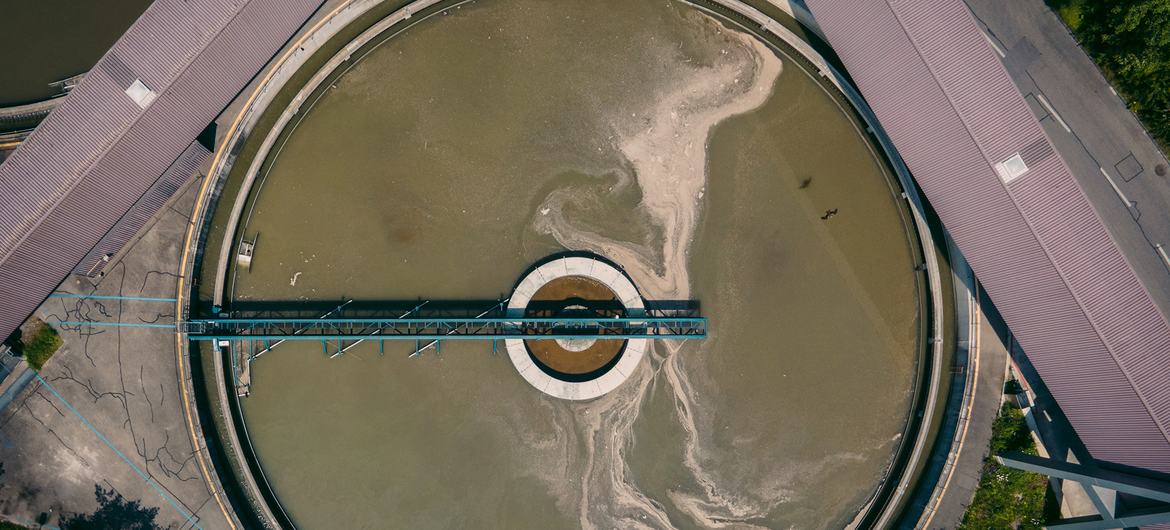
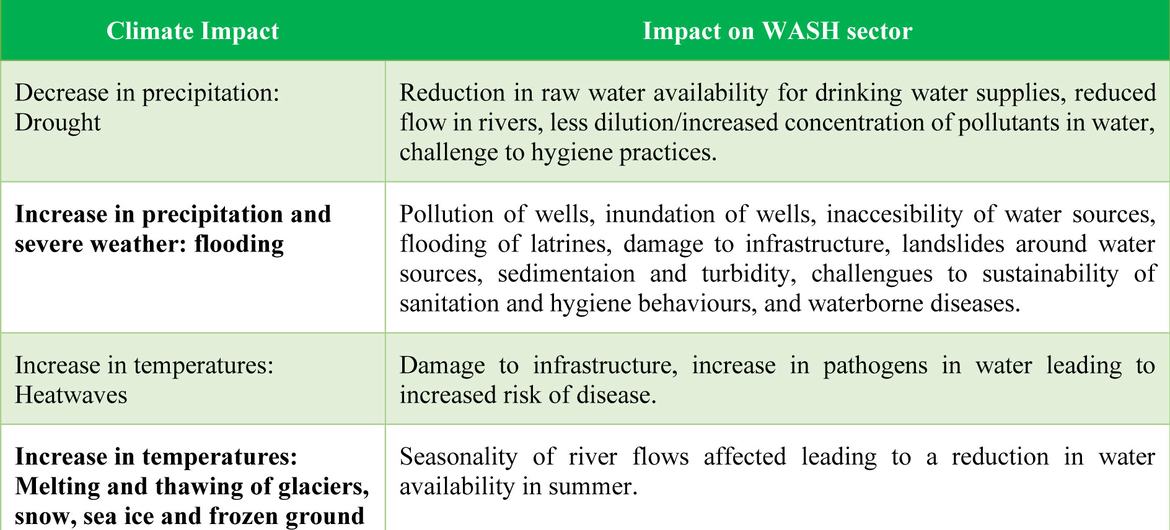
Climate change is set to increase pressure significantly on people’s access to water and sanitation unless governments do more to prepare key infrastructure now, the UN warned on Friday.
“Climate change is already posing serious challenges to water and sanitation systems in countries around the world,” said Thomas Croll-Knight, spokesperson for the UN Economic Commission for Europe (UNECE).
Rising risks
According to UNECE and the World Health Organization’s Regional Office for Europe (WHO/Europe), despite being a priority aligned with the Paris Climate Agreement, plans to make water access possible in the face of climate pressures, “are absent” in the pan-European region.
And “in most cases” throughout the region of 56 countries, there is also a lack of coordination on drinking water, sanitation and health, intergovernmental discussions in Geneva heard this week.
“From reduced water availability and contamination of water supplies to damage to sewerage infrastructure, these risks are set to increase significantly unless countries step up measures to increase resilience now,” warned Mr. Croll-Knight.
It is estimated that more than one third of the European Union will be under “high water stress” by the 2070s, by which time the number of additional people affected (compared to 2007) is expected to surge to 16–44 million.
And globally, each 1°C increase caused by global warming is projected to result in a 20 per cent reduction in renewable water resources, affecting an additional seven per cent of the population.
Dangers are real
Meanwhile, as governments prepare for the next UN climate conference (COP 27) in November and the UN 2023 Water Conference, UNECE painted a potentially grim picture moving forward in parts of Europe.
From water supply and sewerage infrastructure damage to water quality degradation and sewage spillage, impacts are already being felt.
For example, increased energy demand and disruption to treatment plants in Hungary are threatening significant additional operational costs for wastewater treatment.
And challenges in ensuring adequate water supply in the Netherlands have increased, while Spain struggles to maintain a minimum drinking water supply during drought periods.
Resilience
Despite water management adaptation initiatives in many Nationally Determined Contributions (NDCs) and National Action Programmes (NAPs) under the Paris Agreement, governance mechanisms and methods for integrating water and climate are absent, leaving the interface of drinking water, sanitation and health is worryingly unaddressed, in most cases.
Lacking adequate governance mechanisms, stepping up measures under the Protocol on Water and Health – a unique multilateral agreement serviced by UNECE and WHO/Europe – can play a key role
It can support developing more options for the inclusion of water, sanitation, and health in NDCs and NAPs and ensure that national and sub-national drinking water supply and sanitation strategies, integrate a clear rationale towards mitigating climate change, and risk analysis.
Humanity is “at a crossroads” when it comes to managing drought and accelerating ways of slowing it down must happen “urgently, using every tool we can”, said the head of the UN Convention to Combat Desertification (UNCCD) on Thursday, calling for a global commitment to support drought preparedness and resilience.
An urgent call to protect health and mitigate the climate crisis was issued by the UN health agency on Wednesday, to mark World Health Day on Thursday.





 borderslynn
You must be logged in to post a comment.