We eat to forget. Then we eat for relief.

The above title is from Michael Moss’s book ‘Hooked’ (p71).

Moss’s book explains how our bodies have evolved since ancestral hominids roamed the Ethiopian landscape. He then brings us up to date with the chemistry of modern processed foods. People in white coats work in labs to synthetically create ‘foods’ which are designed to appeal to our senses.

On p.104, he tells us how the technologists devise synthetic pumpkin spice. They combine at least eighty elements. ‘These include cyclotenes, a group of chemicals that deliver a toasted, maple-like smell; lactones, such as delta-Dodecalactone, which render a creaminess and buttery-like rich milk aroma, with a touch of light fruitiness; sulfurol with its custardy, eggy, creamy, and caramel-like notes; pyrazines with their brown, nutty, caramel-tinged flavor; and vanillin, or 4-hydroxy, 3 methoxybenzaldehyde, the aldehyde family version of real vanilla, creamy and sweet.’

The flavourists will work to provide so many varieties of flavour for industry, and these in turn can be deployed to seduce and trick the senses of consumers with their myriad of consequently addictive products. A product can be devised which has harmful ingredients, leading to a myriad of diseases, but they can taste and smell wonderful, thanks to the brilliance of the concoctions devised by the flavorists. These flavours might not trick an experienced chef or a person who took pride in their cooking from natural ingredients, but some would say the flavours are an improvement on what grows in our natural environment.

Even the undesirable scents of processed foods is masked by special scents devised to conceal the bad smells. The secretive nature of procuring the designed products are a matter of intellectual property and highly protected. Food regulators will not demand the chemical makeup be displayed on the box the consumer picks up. They may instead categorise all the compounds as ‘natural and artificial flavours’. Vanillin is the most seductive to date, being added to more than 18 thousand products, especially vanilla ice cream.

Those food manufacturers who know they are harming our health, target the ‘most vulnerable part of our psyche, where we act on instinct and rote rather than rationalization.’ The processed food industry is worth $1.5 trillion and they will do whatever it takes to snare us and finally hook us into addiction.

Vanilla Orchid
Vanilla Orchid Pods

Gourmets will know where to source the best vanilla pods and when they add the essence to their chosen dish, they will appreciate the care they have taken will impress their clientele. Read here for details of the most sought after Madagascan vanilla pods. Of course, if you have the right conditions at home you can grow your own, and if you succeed the taste will be good, but unlikely to compete with the best. But you have the satisfaction of knowing you have a real, home grown taste, and not a fake flavour made from chemicals, often based on petrochemicals. Even the anal glands of a beaver can be squeezed to produce what is needed to make vanillin. However, the sap of a certain tree is mostly used to procure the vanillin compound.

If the argument was simply about improving on nature and creating a range of tastes and smells in large quantities to meet demand, then we might say, as resources in farming diminish, this is a good ecological alternative. BUT, it is the creation of fake foods which are not healthy which have had these addictive tastes and smells added to make us eat the products compulsively, that is the main issue here.

None of us wants to know that we have been fooled into buying fake food, but since the 1980s the acceleration of fast foods (fake foods) in our supermarkets has increased from (US figures) six thousand to double that in the 1990s until today approximately thirty-three thousand items with a huge and varied range of chemically created tastes and smells to induce us into addictive eating.

The more that scientists could explain the responses the tandem process of brain and stomach to smell and tastes on the tongue and the olfactory bulb in the nasal cavity, the more information the food industry had to heighten the urge to purchase and endlessly consume their product offerings. The industry has also worked to imitate expensive foods and offer what seems a similar but much cheaper product, appealing to the consumer on both taste and price. Buying more for your money is another gratifying pleasure for most people.

The research arm of the food industry is the International Life Sciences Institute. Their website tells us:

Scientific Partnerships for a Healthier World

ILSI is a nonprofit, global organization whose mission is to provide science that improves human health, well-being and safeguards the environment. For more than 40 years, ILSI has specialized in convening scientists from academia, as well as the public and private sectors, to collaborate in a neutral forum on scientific topics of mutual interest.

At an annual meeting of the ILSI in 2014, Michael Moss writes, (on p.117 of his book ‘Hooked’) of a researcher who showed the industry how to exploit us in another way and offered ‘some insight into how they can overcome our free will to control our eating habits. Low price, convenience, and variety get a boost when another aspect of our biology gets exploited: our memory.’

She explained that if, whilst distracted when eating by, for example watching TV, that distraction will make us forget the meal we should have focused on and we will continue to eat now that our brain has not registered the food intake. By 2017 new research then found those who were distracted regularly became obese.

Moss states: ‘We eat what we remember, but as the food companies know, we eat more when we can be made to forget.’

We can read here a UK 2020 piece of research which explains the dangers from ‘Ultra-Processed Foods and Health Outcomes: A Narrative Review’. Here is an extract:

Of 43 studies reviewed, 37 found dietary UPF exposure associated with at least one adverse health outcome. Among adults, these included overweight, obesity and cardio-metabolic risks; cancer, type-2 diabetes and cardiovascular diseases; irritable bowel syndrome, depression and frailty conditions; and all-cause mortality. Among children and adolescents, these included cardio-metabolic risks and asthma. No study reported an association between UPF and beneficial health outcomes.

Ultra processed foods make us ill, so ill we are more likely to die prematurely. Our health systems cannot keep up. Our pharmaceutical industries constantly supply us with drugs to combat or manage these diseases. If we have less money to spend on food we will buy the cheaper ultra processed foods. As we get progressively ill, we will not be able to afford medical bills if we live in a country where ‘free at the point of need’ does not exist. If we do live in the UK, we can access the NHS for assistance but the NHS is underfunded and understaffed and overwhelmed, especially now due to Covid.

This graphic from https://forwardeating.org/ultra-processed-foods/ explains the differences:

The spread of processed foods has become global with major corporations opening up outlets in parts of the world who had pride in their slow and beautifully crafted, carefully sourced foods. Diabetes 2 has become an illness where it was unknown until the western diet penetrated their cultures. This illness makes people far more vulnerable to Covid, as we have seen in India this year.

When I was at school, because I was female, I was taught Domestic Science to prepare me for marriage and raising a family. Although it was an insult to women to think that was all we were good for, I do think that all children should be taught how to choose organic foods where possible and how to avoid ultra processed foods. Learning to create tasty meals carefully sourced yet on a tight budget, is a practical and healthy approach to self care when one leaves home.

Covid should have given us a ‘wake-up’ call to change the way forward and work out how to extinguish toxins from our environment which make us fall victims to so much illness unnecessarily.

So look for advice if you are unsure how to avoid Ultra Processed Food, for example here, and below an extract

Here are five easy ways to reduce your intake.

● Read ingredient lists carefully. The shorter, the better. Avoid anything that contains hydrogenated oils, artificial flavors or strange-sounding substances you don’t recognize that the manufacturer says are put there to maintain freshness. “All the ingredients should look like something you could make in your own kitchen,” Katz says. This is true even if it’s a seemingly healthy staple such as an energy bar, a protein shake or even a plant-based milk drink. These have all gotten a health halo though they can be ultra-processed foods, says Julie Stefanski, a nutritionist in Morrisville, N.C., and spokeswoman for the Academy of Nutrition & Dietetics.

● Make it yourself. It can be easier than you think to whip up your own staple items. “It takes less than a minute to stir together with a salad dressing with ingredients you have on hand, such as olive oil, balsamic vinegar, and herbs and spices,” Stefanski says. Instead of spending money on a premade protein shake, create your own with low-fat milk, frozen fruit and a tablespoon of natural nut butter. Instead of a sugary fruit-flavored yogurt, opt for the plain variety and sweeten it with fruit.

●Shop smartly. When you hit the supermarket, focus on the perimeter. That’s where most of the unprocessed fare — think to produce, legumes, nuts, dairy, meat, and fish — are located. Don’t shy away from canned or frozen fruits, veggies, broth or meats, either. Although these are considered “processed” foods, they weren’t associated with an increased risk of death or disease, Lawrence says.

●Skip creams and sweeteners in coffee or tea. Most powdered and flavored liquid creams are simply dried high-fructose corn syrup, Stefanski says. Lighten your drink with a splash of milk instead.

●Plan snacks in advance. Most of the time, we reach for processed foods because it’s convenient. Carry snacks such as homemade trail mix or fruit with nut butter with you, so you can nosh when hunger hits instead of attacking the vending machine.


 Source: Consumer Reports Inc.

Posted in anthropocene | Tagged , , , , , , , , | 1 Comment

Corporates Accessing Science, Perpetuating Conscious Disregard

I have just purchased this book, ‘Hooked’ by journalist Michael Moss. Another leading light in the effort to show we have been made ill by those who worship the mantra ‘profit before people’. Corporates employ scientists to find our vulnerabilities in order to ensure that what we put in our mouths will become addictive, generating sales ad infinitum if left unchallenged.

Michael Moss, a few pages into the book, mentioned the name of the great lawyer (in my mind) John Banzhaf. I never knew his name until I read this book, but my life quality has benefitted since he founded ASH. As a chronic asthma sufferer, the impact of his work has caused laws in the UK to change in order to prohibit smoking in public places. As a singer, I was able to perform in venues without developing an asthma attack if I tried to sing where smoking used to be allowed.

About John Banzhaf

He was the lawyer who inspired John Bilott (see my earlier blogs related to his work) to accelerate the class action he was working on.

Michael Moss tells us that ‘ in 1997, Banzhaf had helped engineer the legal assault which brought the tobacco industry to its knees. Rather than relying on individuals to sue the cigarette manufacturers for damaging their health, the new strategy involved states bringing lawsuits against the manufacturers for wrecking the budgets of the health agencies that had to care for sick smokers. This was a stroke of genius that frames the issue in dollars and cents instead of individual moral judgments, and in 1998, the tobacco companies caved. They agreed to curtail their worst marketing practices and spend $246 billion on measures to counteract the medical harm they had done.’

We may or may not choose to smoke a cigarette, and if we do, and we live in the US or UK, we are more than likely aware of the dangers to our health and the health of those around us.

But what of those who grow the tobacco? It is best grown in warm and dry climates.

In 2019 these were the leading tobacco growing countries:

According to this website:

While the China National Tobacco Corporation (CNTC) produces nearly half the world’s cigarettes, almost all of them have been consumed at home.

The article goes on to say:

The companies most often referred to collectively as Big Tobacco –– Philip Morris International (PMI), British American Tobacco (BAT), Imperial Brands and Japan Tobacco International (JTI) –– have all been hit over the years with scandals involving smuggling and unethical advertising.

In its expansion strategies, CNTC has taken a leaf from the playbook of its “Big Tobacco” competitors, according to Mackay, who advises the WHO on implementing the FCTC.

“As a template, you could argue this is just what China is doing now,” said Mackay. “It’s not different from what they’ve learnt from the rest of the world.”

And China Tobacco has done it well. According to a 2019 estimate by its largest competitor, PMI, China Tobacco controls about 45 percent of the global market of cigarettes and heated tobacco units. That’s a bigger share than PMI, BAT, JTI and Imperial Brands combined.

There is such a demand for cigarettes, that smuggling tobacco has and still is a major activity.

Reading about it here raises awareness of the supply and demand criminal trade.

‘Tobacco companies have facilitated the smuggling of their own cigarettes and roll your own tobacco for decades. Internal company documents reveal that in the 1990s smuggling was an integral part of tobacco companies’ business strategies. By the late 1990s and early 2000s, the tobacco industry’s involvement in smuggling had been exposed leading to public investigations, court cases and extremely negative publicity for the tobacco companies. Using a massive public relations drive, they claimed they had changed and were now the victims, not the perpetrators of tobacco smuggling. But contemporary evidence indicates significant ongoing tobacco company involvement in the illicit tobacco trade.12………………

The article goes on to say:

Major tobacco companies have an extensive history of facilitating the illicit trade. By the late 1990s, it was estimated that one third of global annual cigarette exports could not be accounted for via legal distribution routes.6 Despite the tobacco industry knowing that cigarette smuggling increased sales to children, documents from the Truth Industry Documents Archive and other evidence has shown the extensive involvement of the industry in facilitating smuggling by shipping huge quantities of cigarettes to ‘smuggling hubs’. The cigarettes were then forwarded via these hubs via the black market, often back to the countries from where they were shipped.

When corporates lose legal battles in litigious countries like the USA, they will find other routes to maintain their wealth and production.

This science article explains why it is so hard to quit smoking. Here is an extract:

This component of addiction is known as negative reward and is controlled in part by a region of the brain called the habenula. The neurotransmitters acetylcholine and glutamate are thought to influence nicotine dependence in the habenula, but the molecular details of this regulation are unclear.

This article describes where the habenula is and explains it is a relatively new area of the brain found by neuroscientists. The knowledge gained will no doubt benefit us all over time, but any scientists working for corporates may redirect the knowledge into more sinister avenues.

It is not hard to find stressed people in this world. The fact that nicotine is a poison should warn people that any form of liquid nicotine (as in e-cigarettes) can be lethal. Not only do stressed people take up smoking, but in trying to quit, will switch to e-cigarettes. Targeting stressed people with a poison is an even more abhorrent crime. They are not responsible for their cigarette habit, though they might think they are. They might think smoking makes them seem stronger, more independent. But they will lose their ability to taste healthy food and even any food will not be as important to them as the cigarette. This is a sad situation.

We now have transnational organized crime networks which are sophisticated and successful. They are successful because they have millions of addicted customers, who may smoke themselves to death and nobody cares.

The WHO tells us:

  • Tobacco kills up to half of its users.
  • Tobacco kills more than 8 million people each year. More than 7 million of those deaths are the result of direct tobacco use while around 1.2 million are the result of non-smokers being exposed to second-hand smoke.
  • Over 80% of the world’s 1.3 billion tobacco users live in low- and middle-income countries.

So far, Covid (according to Worldometer) has killed 3,918,881 to date (26th June, 2021) over the past 18 months. Many of those deaths, similar to those who die from smoking cigarettes, are people who live in low- and middle-income countries.

Tobacco growing and smuggling of tobacco is an act of Malice, Conscious Disregard of fellow human beings by those who are part of these transnational smuggling networks.

I had a great aunt who made cigars in a factory before she was married. Many of my family smoked, my father, especially, was totally hooked. During World War II, cigarettes were given to the members of the armed forces and many people at home. They were told it would help them feel less stressed. Cigarettes were promoted as ‘good for your health’. A pack of cigarettes could be exchanged for goods and favours. They were a mode of currency and still are. Like other poisons which gradually kill you, cigarettes seemed to de-stress people just as the adverts suggested. We now understand how that happens, thanks to neuroscience. But there was a point in history where scientists began to link nicotine to premature deaths, usually as a result of lung cancer. But even when that was known, the tobacco companies refused to take responsibility.

I am glad that raising awareness and bringing in laws to reduce the places where smoking is allowed has been shown to improve the life chances of many people in the UK. It is no longer seen as a sexy habit as it was in the movies until the law changed that kind of promotion.

An interesting selection of photos on the subject of smoking and tobacco is worth viewing with all the experiences around the world is here.

This is one of the pictures from the above collection:

Posted in anthropocene | Tagged , , , , , , , , , | 1 Comment

Conscious Disregard, continued……..

I previously wrote about the poison Chromium VI which has leached into the rivers and streams of Glasgow City since Shaw Chemicals once processed chemicals in the highly industrial 19th and 20th centuries. Later, in April, I wrote about Industrial Chromium.

Just last month GlasgowLive ran a feature on a horrific image of leaching of the poison into a local river.

What do SEPA (Scottish Environmental Protections Agency) say about it? Efforts to remediate such poisoned land and soil are under way. But how many people have died from being poisoned by Chromium VI since the Shawfield area was contaminated over at least 80 years?

The area is being remediated through a funding body, Clyde Gateway. They said:

Clyde Gateway also confirmed at the time that there were still significant areas of land in the Shawfield area that had not been remediated, with discussions underway with a number of stakeholders – including the Scottish Government – to secure funding to complete the essential work which would improve water quality in the area.

Glasgow, (a major conurbation in Scotland) perhaps not surprisingly, suffers a higher rate of cancer than other European countries. The Chromium VI alone has not been removed from the region, as in the US, it seems it leaches into the groundwater and expands over time.

People cannot be blamed for drinking bottled water, if they can afford it, rather than drink water straight from the tap. Plastic bottles which have contained water often find their way into the Oceans. Factories which produce the bottles also pollute with chemicals as we know so well.

The ongoing battle to give Americans safe drinking water, free of chemicals, especially Chromium VI.

In the 1990s, Erin Brokovitch worked for a small law firm in Hinkley, California. She was a single parent with three children and was highly motivated to earn enough to pay her bills, getting no financial help from anyone. She worked diligently as a law clerk, and she spotted something in the files which made her ask questions, and the busy firm allowed her to seek the answers.

This led to unearthing evidence that the local industry of Pacific Gas & Electric ( PG&E ) had, since the 1950s, used the highly toxic hexavalent chromium, also known as Chromium-6, to kill algae and protect the metal at its natural gas pumping station in Hinkley. Starting in 1952, the power company began mixing a toxic form of chromium with water to prevent rust at a new pipeline pumping station in Hinkley, a remote desert community united by a single school and a general store. PG&E dumped the chromium-laced water into a pond. The plume of contaminated groundwater has been growing ever since, and to the present day is still growing.

Hexavalent chromium is a highly reactive chemical that damages cells. The known health effects range from skin irritation to lung and stomach cancers. In the 1990s, hundreds of Hinkley residents claimed illnesses and other damages stemming from the contaminated water.

In 1996, Erin Brockovich helped more than 600 Hinkley residents win $333 million in settlements from PG&E for cancers and other illnesses they blamed on the chromium-tainted water from their wells. Their story was made famous in the 2000 movie “Erin Brockovich.”

Sadly, the American system will not risk losing industries and therefore impact the economy and accepts needless harm from polluters will kill their citizens as a price worth paying. In 2004 an article strongly refuted the claim that Chromium VI could have such serious impacts on human health.

You only need to look at the list of members to learn this is a lobbying group of all the leading chemical industry corporates.

The graphic below is from Science Direct.

Lawyers deliberately confused the public about Chromium in the water, only referring to the variations which are not toxic. Anyone can look up the benefits of Chromium III and read Chromium (III)(Cr3 +) is an essential trace element, which is required for normal protein, fat, and carbohydrate metabolism. It helps in converting glucose into energy, promoting healthy blood glucose and blood pressure levels, and enhancing lean body mass by suppressing appetite.

We cannot have industry scientists reporting to their employers that some life endangering chemical is being released into the environment due to the activities of the company, only for them to be ordered to stall the public knowledge of this finding – see below cover of this report.

For the past 60 years, water polluted with chromium (VI) has plagued Hinkley, Calif., the desert town made famous by the film “Erin Brockovich.” Although residents there won their lawsuit against the polluter, Pacific Gas & Electric Co., there’s still a debate over whether the compound causes cancer in drinking water. The Environmental Protection Agency says yes, but industry scientists disagree.

Miles O’Brien, PBS NewsHour

David Heath

INTRODUCTION

Key Findings

  • Tens of millions of Americans drink water contaminated with chromium (VI), a compound the Environmental Protection Agency was poised in 2011 to conclude likely causes cancer. That finding would set the stage for setting stricter drinking-water standards.
  • The National Toxicology Program, part of the National Institutes of Health, published a major rodent study in 2008 that concluded there was “clear evidence” chromium (VI) in water was a carcinogen.
  • The EPA’s assessment of chromium was delayed to wait for new studies paid for by the American Chemistry Council, the chemical industry’s main trade group and lobbyist.
  • Some of the same industry-paid scientists involved in past efforts to stall government action on chromium worked on the studies delaying the EPA.
  • After delays of nearly a decade, the California Environmental Protection Agency declined to wait for the industry studies and issued its own finding in 2011 that chromium was a carcinogen in drinking water.
  • The EPA initially planned to complete its chromium (VI) assessment in 2015.
  • After the Center for Public Integrity and PBS NewsHour started asking questions about the delay, EPA posted a revised timetable for completing the assessment this year.

Wikipedia Entry:

The American Chemistry Council (ACC), formerly known as the Manufacturing Chemists’ Association[1] (at its founding in 1872[2]) and then as the Chemical Manufacturers’ Association[3] (from 1978 until 2000[4][5]), is an industry trade association for American chemical companies, based in Washington, D.C.

You can read a study explaining the occurrence of toxic groundwater from ancient history to present day which explains additional toxins put there by human carelessness. In other words, the tendency to protest about ancient toxins rather than modern man-made toxins is often used as a dismissal of the corporate harmful product processes.

Those responsible for contaminating the water supply should fund a water filtration plant for all customers they have knowingly harmed.

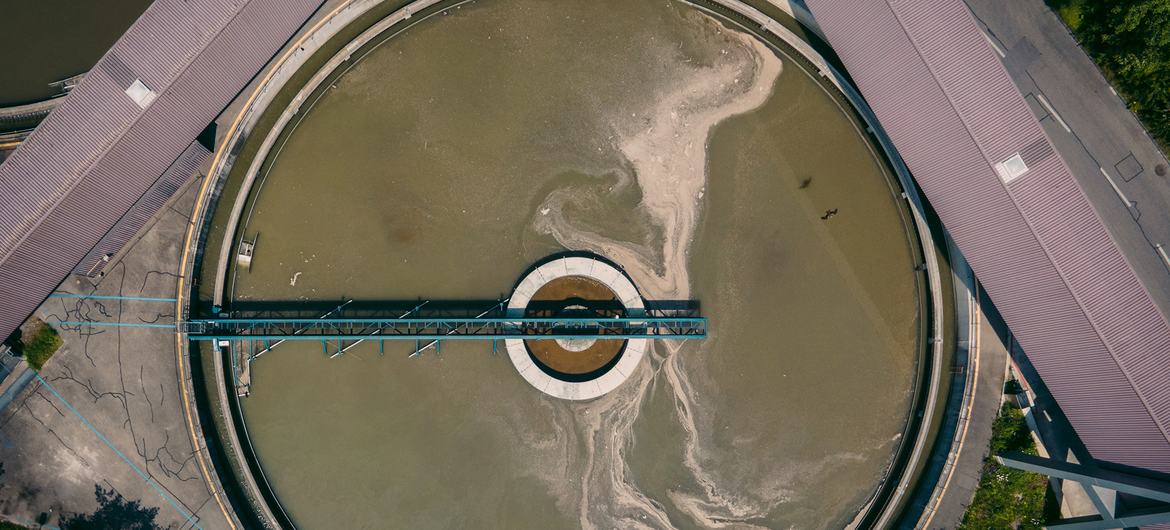
An example of such a plant is the more recently built $600 million Seymour-Capilano water filtration plant (the largest in Canada), or the Coquitlam Water Treatment Plant described below.

Erin Brokovich, in the image above, says she will always drink bottled water. We hope she can stop doing so to help save the planet from harmful effects of the bottled water industry, and ensure she adopts an in-home filtration system. Unlike many people, I think she can afford it.

The last thing we want is the desperate alternative of bottled water. You can read of the problems of plastic bottles polluting the planet, of water in bottles often coming from the same source as tap water, the depletion of aquifers by drilling down to them and so on. You can never be sure the bottled water you have paid for has no dangerous chemicals in it, like arsenic, chromium and others which water authorities have to continually test for in tap water.

People may choose a filtration system which fits in their own home which purport to provide UV filtration. An example is this company product. We must never be complacent about our consumption of tap water, but if a prestigious engineering project such as the Canadian example was a norm for all countries to implement as vital infrastructure, we would have no bottled water problems and no populations being poisoned by their local water supply.

Posted in anthropocene | Tagged , , , , , | Leave a comment

Conscious Disregard

If we are allergic to nuts we try to follow a diet which has no nuts in it, which is not easy, but anaphylactic shock can kill. When we see people bathing in one of the most polluted rivers in India, the Ganges, we know they are likely to get hepatitis A, typhoid, other acute gastrointestinal illnesses and dysentery. When we learn chemicals which cause cancer have been allowed to enter our drinking water over decades without our knowing, we know there was a conscious disregard of our life quality by those allowing this to happen.

Having allergies from certain foods like kiwi fruit, sesame seeds, shellfish, milk, eggs and a range of nuts limits the selection of foods available to those with such allergies. But there is an effort made by the food industry to raise awareness of ingredients, usually on the label ‘contains traces of nuts’; in the case of other foods, once an allergic reaction has been found, the person involved will work hard to stay safely away from the target foods. We have a system, and it saves lives.

If your religious beliefs are overwhelming common sense to cause you to bathe in a highly polluted river, then questions need to be asked of those perpetuating this ritual.

If your tap water is dangerous to you and your family, but you were never told all the years of your life, then trust in those who should be keeping you safe (that is, the authorities) is lost. Worse than that, they have acted in a way which has indicated your life is not of great value to them and if you die a premature, horrible and painful death as a result, they are not concerned. What does concern them is that the media will eradicate their ‘trusted brand’ reputation and so they must manage the media with lies upon lies and keep the ‘story’ limited in its influence.

In my March blog “Will we be Fishless? XI” I wrote of the shocking case Robert Bilott valiantly worked on to prove the chemical company, DuPont, emitted poisons via its Washington Works, Parkersburg, West Virginia. The resultant contamination was covered up for over 57 years.

Successive management were informed by their own scientists. They knew the chemical they were using in their products was harming their own workers and surrounding community. They used all means possible to cover up and deny the harm they had done until it was finally proven in court. This kind of crime goes by the term ‘Malice’, or Conscious Disregard.

Ultimately, it was found to have sent these poisons into the bodies of all living things.

One man’s dogged determination resulted in “one of the greatest victories for environmental law” See his book Exposure, a gripping read.

The extract below is from Ch 28 The Second Wave

August 2005, West Virginia, New Jersey and Minnesota

As the C8 Health Project was drawing blood, the debate over PFOA was drawing new scientists out of the woodwork. Our litigation had triggered an explosion of scientific interest in PFOA, and new research projects were beginning all over the world – studies that had no connection to our case or to DuPont. Our settlement had granted the Science Panel full discretion to consider relevant data from any of those studies, not just DuPont’s or 3M’s own self-serving studies or data collected through the C8 Health Project.

Adding to my sense of growing momentum, in June 2005, EPA’s Science Advisory Board- the agency’s mechanism for peer review-looked at the draft of EPA’s risk assessment. Based on data its members had seen, which was essentially all the data I had been sending, they recommended that EPA revise its risk assessment and upgrade PFOA from a “suggestive” to a “likely” human carcinogen. This was an important technical distinction that could impact regulatory requirements down the road. It also had another, more immediate impact; headlines suggested that EPA had earlier downplayed the cancer risk and its own advisory board was now calling it out.

While the science was mounting against PFOA, however, a controversial faction of the scientific community was publicly defending it. The American Council on Science and Health-a non profit “consumer education consortium” of scientists-was vocally saying that there was “not a shred of evidence” that either Teflon or PFOA posed any cancer risk whatsoever. It claimed that “junk science” was being used to set public policy. And it criticised EPA for trying to protect us from “canceer risks that do not exist”.

Scientists often disagree on a lot of things, but that group was a great example of why it’s important to trace the money behind the science. The innocuous sounding The American Council on Science and Health was founded in 1978 by a Harvard trained public health scientist as a counterpoint to advocacy groups such as the Environmental Working Group, which it accused of fearmongering with claims it said lacked scientific basis. The Council billed itself as an independent group of scientist aiming to debunk the bogus scientific findings it claimed were driving political decisions in public health and environmental policy.

But critics called the Council an industry front group” funded by corporate donors it refused to disclose. Leaked internal documents showed a donor line-up of household names in industries ranging from Big Tobacco to pharmaceuticals to petroleum and, yes, chemicals, including 3M. They were the same industries the group fiercely defended in the science wars that played out in the media.

We are all aware of our dependency on polymer producing companies to provide the material for much of the bio-persistent products we all use on a daily basis. They seemed miraculous when chemical companies first experimented with their creation.

You can see the 2021 top chemical companies here.

Headlines in the UK papers on 26th May, 2021 are about the shortages of construction materials which are hampering plans for a booming building sector. One major element is a shortage of polymers from Texas. Read here about polymer use in the construction industry.

Such polymers include plastics, adhesives, foams, and even sealants and paints. Look around your home, maybe you can see the extensive use of these materials.

The basic materials of plastics are organic macromolecules (polymers), which are composed of repeating units. Due to increasing environmental concerns related to bio-persistence of petroleum based polymers, research efforts have intensified towards developing biodegradable materials with equivalent performance properties. But no satisfactory replacements are yet in wide use.

In an efforts to circumvent the recent regulation to no longer use PFOA, PFOS in the manufacturing process, alternative chemical makeups have been introduced, but they do not have a good reputation either. They seem to be even more toxic.

PFOA & PFOS replacements under fire (perfluorooctanoic acid (PFOA) and perfluorooctanesulfonic acid (PFOS)

3M replaced PFOS with perfluorobutanesulfonic acid (PFBS) in its signature consumer product Scotchgard in 2003 and DuPont (and now Chemours) began manufacturing GenX. These replacements come under the umbrella name of PFAS. PFBS and perfluorohexanoic acid (PFHxA) have longer half-lives than PFOS and GenX could be a more potent liver toxin than PFOA.

Praedicat is now monitoring the biomedical science for 14 PFAS in addition to PFOA and PFOS.  This relative emphasis is motivated by the well-known phenomenon of “regrettable substitution.”  Although the science is immature for many PFAS on the market today, the chemical similarity of these replacement chemicals to PFOA and PFOS, their increasing production, and the intensity of scientific interest suggests heightened underwriting risk going forward.

Wherever industry scientists point to harm from the industrial process, the industry will spend high amounts of money to buy the services of environmental regulators to cover up the harm. The American Chemistry Council will lobby from its offices in Washington to ensure their industry stays strong, unruffled by allegations of poisoning Americans.

For industry to deliberately fund bodes such as the American Chemistry Council in order to use their pot of money to lobby and browbeat anyone who dares to expose their activities for what they are, is against humanity, against the planet we love and against all living things.

Giving no teeth to regulating bodies goes against common sense, unless we have a perverse incentive to give priority to providing high dividends for shareholders and keep the shareholders innocent of the harmful products being manufactured.

But shareholders can find out about the chemicals being used and carry out due diligence. They are careless if they remain ignorant about killing citizens with chemicals they are deriving wealth from. This is chemical warfare against citizens who are as innocent as the Jews were when led into what they thought was a shower chamber, but turned out to be a gas chamber.

Just because the poison takes years, like arsenic, instead of a few moments, there is no other difference. Poisonous substances have been spread throughout the globe due to the Chemical industry and people are dying prematurely as a result.

Science can only be of value if it lends itself to higher standards to safeguard all life on earth. The momentum for lower standards, allowing manufacturers to run amok and wreck the balance of nature, has reached a gruesome level of destruction.

Even today, the Summer Solstice, I read in the news of the US Navy testing a 40,000lb bomb, 100miles off Florida, shaking Daytona Beach, in order to check if an aircraft carrier’s structure could cope. This is a hideous example of insensitivity to the Atlantic Ocean’s marine life. There could be no justification that would convince me this was beneficial to the perpetuation of survival on earth. Simply another military complex test, like all the ‘tests’ since 1952 on Eniwetok atoll in the Pacific. We are in a constant cycle of hysterical destruction as if the accelerator is stuck on.

Posted in anthropocene | Tagged , , , , , , , , , , , | 3 Comments

O2

There is an excellent Forbes of India article on how oxygen is made for use by patients in hospital.

There are three different ways:

  1. Vacuum Insulated Evaporator: Storage system of liquid oxygen

2. Oxygen Cylinders: hold oxygen under pressure

3. Oxygen Concentrators: Concentrates from a gas supply (typically ambient air*) to supply an oxygen-enriched gas stream. NB. Ambient air is typically 78% nitrogen and 21% oxygen. The extra 1% is made up of a combination of carbon, helium, methane, argon and hydrogen. The closer the air is to sea level, the higher the percentage of oxygen.

Hospital oxygen supplies have run out when the medical facility has been overwhelmed with patients and the storage system has become exhausted. This has happened in many countries.

First, the oxygen has to be manufactured. An example of the industry is INMATEC.

Those administering oxygen to people with lung problems have to be careful of side effects. It has to be monitored to avoid harm.

Medical oxygen is used to: 

  • provide a basis for virtually all modern anaesthetic techniques
  • restore tissue oxygen tension by improving oxygen availability in a wide range of conditions such as COPD, cyanosis, shock, severe haemorrhage, carbon monoxide poisoning, major trauma, cardiac/respiratory arrest
  • aid resuscitation
  • provide life support for artificially ventilated patients
  • aid cardiovascular stability 

Contraindications/side effects

There are no absolute contraindications to the use of oxygen but the inspired concentration should be limited in the case of premature infants and those patients with chronic bronchitis and emphysema.  However guidelines have been published by the British Thoracic Society (BTS) on the safe therapeutic use of medical oxygen, which encourages proper assessment of the patient before use.

Compressed medical oxygen toxicity may manifest itself in the following ways:

  • retrolenticular fibroplasia in premature infants exposed to oxygen concentrations greater than 40%
  • convulsions appear after a few hours exposure to medical oxygen at pressures above 3bar(g)
  • retrosternal soreness associated with coughing and breathing difficulties, made worse by smoking and exposure to cold air after breathing pure medical oxygen at atmospheric pressure for several hours.

If all health provisions is free at the point of need in a civilised country, then planning has to be extensive to secure sufficient oxygen infrastructure for the population of that nation.

Where only private care is offered to a small percentage of the population, then if, in the event of running out of supplies due to excessive demand (never planned for) it will lead to huge criminal networks selling oxygen to the highest bidder.

This pandemic has laid bare the weaknesses in health care infrastructure in many countries. There have been thousands of preventable deaths as a result. Covid kills in a dispassionate fashion. Loved ones are torn apart by the sight of family members dying in such an ugly way.

I have experienced, first hand, what it is like to lose the ability to breathe and know I am near death. We have an NHS which supplied me with oxygen before I faded. I did not have a huge bill to pay. I trusted the medical professionals and was so, so grateful to them.

Poor health planning and elitist health support have led to the disadvantaged having no chance to survive as Covid caused their lungs to fill, and be blocked.

This situation, the Haves and Have Nots, is now stark to see and the Pandemic hits hard, allowing variants to mutate at will where the poorly served people are left to die in such dire misery. Covid will never be overcome, even with vaccines, if we continue to ignore our obligations to our fellow human beings.

Bodies buried in shallow graves along the Ganges by those who could not arrange proper cremation
Importance of CPAP in treating Covid patients (updated Aug 2021)
Posted in anthropocene | Tagged , , , , , , | Leave a comment

The Air we Breathe

In 2019 I collapsed and was taken to hospital. The paramedics put me on oxygen and took me to hospital. When I breathed that oxygen I thought it was like being in our Glen, standing next to the burn flowing through the fells. It was like a miracle as I had become unable to breathe on my own. I was diagnosed with numerous small blood clots filling my lungs. I was put on blood thinners and two days later was able to go home and begin my recovery, which took about 18 months.

I already suffered from chronic asthma. My father was a chain-smoker and the consultant at the hospital suggested his smoking had probably damaged my lungs whilst I was still in the womb. I was born after the war. Then I grew up in industrialised Yorkshire, England. I had constant bronchitis and had to go to school despite the dreadful cough. I was reprimanded if I coughed in Morning Assembly and was often sent out for disturbing the service.

My older sister was born during World War II and hardly saw my father until he came home when she was 5 years old. She never had a cough, yet grew up by my side in the same house, in the same soot laden city full of harmful chemicals in the air.

I now live in a remote part of Scotland where the air is fresh and clean. The daily pollution levels are usually nil, or low. Since smoking was banned in public places, I rarely meet smokers. The tobacco industry has a lot to answer for and I wish Sir Walter Raleigh had never brought a tobacco plant home to England.

I wish everyone could breathe the air I breathe now, a vast improvement on city living, or being near mining or other industrial activities.

No matter how fresh the air here is, the Covid virus can flourish if the circumstances are in its favour. Lockdown and living in isolation has been a good preventative measure. Not everyone has that luxury, and some do not want to do that anyway.

We now know Covid virus transmission is airborne, like many toxins such as the manmade chemical PFOA (see my blog in March) unseen and being breathed in by those who cannot see or feel it penetrating their body system. In confined spaces, the virus spreads easily. In open spaces it does not find its victims as easily unless people are pressed close to each other, or shouting and yelling.

Indoor hospitality, gyms, schools, community places and of course hospitals, health care premises and workplaces of all kinds would benefit from clean air filter machines operating 24/7 to ward off the virus and other lung threatening material in the circulating air. Older air conditioning systems simply send the same air back around the building and trap the virus with the people in their building spaces. When people retreat inside to escape from hot and sticky weather, seeking to benefit from their air conditioning, even in a car, if they are with other people and the virus has arrived in their midst, it can spread very quickly to everyone in the building.

Long before the Covid virus arrived, a ventilation engineer called Henrik Hendrikson from Denmark, developed an air purifier. He was motivated to make the Rensair air purifier to help his son, who suffered from severe allergies. He has set an industry standard with his design. Today he sells the machines world wide and the UKs NHS is one of his customers. The model “uses a powerful fan to push pre-filtered air down into the cylindrical shaped H13 HEPA (High Efficiency Particulate Arrestance – more commonly High Efficiency Particulate Air ) filter located in the middle of the unit”.

There are many other brands of Air Purifiers but the H13 filter is the one which sorts the wheat from the chaff.

You can read more about HEPA here.

The virus that causes COVID-19 is approximately 0.125 micron (125 nanometers) in diameter. It falls squarely within the particle-size range that HEPA filters capture with extraordinary efficiency: 0.01 micron (10 nanometers) and above.

The top HEPA filter suppliers are listed here. Many materials have been used since the last World War when they were trying to prevent dangerous substances being breathed in by members of the military in war situations.

Safe disposal of HEPA filters depends on the materials they have made them from. See here for an example where careful disposal is mentioned. Note they say: “

The frame consists of halogen-free plastic
and is exceptionally distortion-resistant,
moisture-resistant and fully incinerable.

If, like me, you have never heard of halogen-free plastic which was invented in response to such directives as WEEE, then read here for a useful lesson in what engineers devised.

Polypropylene, used in masks and PPEs, can filter out this dangerous coronavirus. You cannot safely incinerate polypropylene.

Everything we try to do to lessen the advantages for virus transmission we must do, but foolish human behaviour is the biggest threat to increased transmission. Passion plays a big part in throwing caution to the wind; sport enthusiasts, religious and music festivals, angry protests…….any big human gathering where people are closely together, singing, shouting and full of passion.

Since the pandemic began, we have seen many instances around the world demonstrating passion, overriding self protection. We have no filter to protect us from ourselves.

Posted in anthropocene | Tagged , , | Leave a comment

Quartz and Solar Panels

‘Clean Energy’, ‘Renewables’, ‘Alternative Energy’……….We can save the Planet! Well, can we do so without savaging the Planet and harming our health? Before we even attempt to create technologies to provide such solutions, we need to lay out the evidence which proves no harm.

The Quartz Group in the US, North Carolina, has been mining quartz since 1914.

They tell us:

The monocrystalline solar market is currently booming, and overtook multicrystalline technology in terms of market share in 2019. As a key supplier of high purity quartz to the solar market for crucibles and glassware, the QUARTZ Corp is dedicated to understanding this complex, dynamic market, and moving quickly to serve our customers’ needs.

To prove no harm we can look at research over the past centuries since mines became industrialized and created dusty conditions for workers.

It is a familiar story about silicosis. I have discussed it in many of my blogs. When humans suffer we get more interested than when wildlife suffers. By the time humans suffer, many other living things have died prematurely due to the harm done. Eventually humans die prematurely, and often compensation cases take so long the victims have died before payments arrive to assist their ailing bodies.

Some examples were reported in the media for N Carolina, such as in 2015 here. Trout were no longer surviving in the North River Toe since the local quartz mine facility was allowed a permit to extend its operations.

Once such harm is recorded it is already too late for all wildlife and humans to look forward to a healthy life in such an environment.

Geologists do not list common quartz as a deadly mineral. Indeed, there is such a demand for modern silica applications, that mines are increasing their capacity making big profits. Some details are found here.

The greater the demand, the more we mine. The more we mine, the more we destroy the environment. Destroyed environments shorten the existence of us all.

But the world now consumes nearly half a million metric tons of solar-grade polysilicon a year, making it a multi-billion-dollar industry.

Posted in anthropocene | Tagged , , , , , , , , , , , | 1 Comment

Disposing of Medical PPEs Safely, or NOT

Plastic Protective Equipment (PPE) has been manufactured during this Covid pandemic to meet demand at a rate of multiple millions of items needed every day, and will no doubt increase over the next few years.

This seemed to be the only solution for protective clothing for all health related workers, and it had to be single use.

As with all plastic, it does not biodegrade. We cannot burn it as it gives off poisons like arsenic when incinerated. Unfortunately, the technology has not yet been developed to avoid incineration of this plastic waste, and we have seen many devastating impacts to the oceans as a result of discarded plastic masks.

The Mediterranean Ocean, near the coast of Cannes, France was discovered to be dense with discarded masks. The reefs around the Philippines also full of discarded masks.

The global face mask market currently stood at $75 billion USD in Q1 of 2020 and will continue to rise perhaps by 53% by 2027.

In Wuhan, at the peak of the pandemic, the hospitals were producing more than 240 tons of single-use plastic-based medical waste per day. We can imagine since then what the tonnage must be worldwide by now.

We have a poor record of disposing of plastic safely. The extract below explains:

A plastic bottle takes 450 years to decompose. Some plastics take up to 1,000 years. Yet in Europe, only 32% of plastic is recycled. In some ways, we can feel good about plastic recycling. In the UK we now recycle over 370,000 tonnes of plastic bottles each year, compared to just 13,000 tonnes in 2000. But that’s not the full picture when we realise that we use around 20 times more plastic now than we did just 50 years ago. Indeed, in the UK, we produce around 76 kg of plastic waste per person per year.

This inevitable use of PPE has created a demand for solutions to dispose of medical waste without causing danger to the environment.

In the UK the government advises citizens:

If you need to throw away used face coverings or PPE, such as gloves:

  • dispose of them in your ‘black bag’ waste bin at home or at work, or a litter bin if you’re outside
  • do not put them in a recycling bin as they cannot be recycled through conventional recycling facilities
  • take them home with you if there is no litter bin – do not drop them as litter

In other words, the massive increase in use of single plastic is adding to the contamination of our rivers and seas and consequent destruction of habitats for all all living things.

Sadly, we could have been addressing the harms caused through chemical industrial processes since we first learned how they bio-persist. Instead, we praise and consume the attractive products which have become the global economic imperative leaders.

The University of Petroleum and Energy Studies has found a way to break polypropylene down using pyrolysis. This process uses 300-400 degree temperatures in a chamber without oxygen which converts the plastics into renewable fuels. But this idea has been criticised. Solutions seem to be all about keeping plastics going forever and a day, and we do not have time for that. We have neglected searching for ways to prevent plastic breaking down into nanoplastics.

Yes, plastic is hugely useful, but so is petrol and all products made from it. How can we live without it? I have no idea, but we must be prepared to do so as oil will not be available to us in 50 years.

At the same time, whilst we can, research must be funded at the highest level to negate further harm from petroleum based products, particularly when we are maximising single use plastics during this pandemic. This problem has been staring us in the face for at least the past 60 years, but we chose to ignore it. We always think we know better. “Make hay whilst the sun shines!” Many people have seen the financial benefits of developing plastic applications. It is so pervasive, it fills my home and litters our world.

The pandemic highlights the neglect to the plastic problem. The Planet is now very poorly due to industrialisation. So many poisons are now in the air we all breathe and the water we drink. The nanoplastics are consumed by all living things, they disturb brains of whales making them lose their sense of direction and cause carcinogens to grow in otherwise healthy bodies.

I believe technologists CAN come up with safe disposal machines for PPEs, ensuring the single mask usage disposal is not to landfill (and thus end up in our rivers then oceans).

A major investment is overdue in solutions which remove all plastic in all its forms in our environment and to only replace it with safe biodegradable material. It would have to be made without polymers from petroleum. A tall order, I know.

We have taken the easy route: use petroleum and when it runs out, use recycled plastics to create more plastics, and even create some kind of fuel out of plastic waste to replace petroleum………STOP! We cannot go on like this!

We could set time aside to list ways we might live WITHOUT oil BEFORE it runs out. We could share ideas and test them for soundness. We must not wait for solutions from the chemical giants. They are complacent and focused on their bottom line.

Our young people are not even being asked to imagine life without the items they use daily which have been made through industrialised chemical invention and have generated damaging impacts on all life on earth.

We need new industries to spring up to safely dispose of single use plastics in household as well as commercial plastic waste, without it going to landfill or incineration. It is so tragic to see the additional single plastic waste, resulting from health protective uses, floating in our seas and oceans. I have been saddened to read of hospital medical waste ending up in dangerous incineration..

We are adding to the trauma of disease with this toxic spread of discarded plastics.

Posted in anthropocene | Tagged , , , , , , , , , | Leave a comment

Rare Earth Elements and Balance of Power

I write these blogs for me. I ask questions and search for answers in books and, mostly, exploring the Internet.

Without Rare Earth Elements I would not be doing this.

When I was born just after World War II, if anyone had shown my parents a crystal ball view of what I am doing now they would have thought it was highly unlikely.

I, like many others, use modern technology which incorporates Rare Earth Elements, to create my blogs. These words reach the world via complex technology which depends on Rare Earths. Rare Earths are Rare, they are finite. We will run out of them as we will run out of oil and gas. There is a race on to find them, and once found, eco-destruction of the location follows.

Rare Earths

The Earth Sciences are fascinating to me, since they are explaining my life experience through the eyes of science. Today I learned about Rare Earths and how one of them, emporium was historically significant, especially boosting the finances of the US at the time:

“The demand for rare earth elements saw its first explosion in the mid-1960s, as the first color television sets were entering the market. Europium was the essential material for producing the color images. The Mountain Pass Mine began producing europium from bastnasite, which contained about 0.1% europium. This effort made the Mountain Pass Mine the largest rare earth producer in the world and placed the United States as the leading producer.

Molycorp Mountain Pass Rare Earth Mine, Mojave Desert, California

I was fascinated by the story of the mine being discovered in1949, through to its height as the lead producer of rare earths in the world in the mid-1960s, and on to its decline when China entered the market offering the same product much more cheaply by the 1990s. This led to the closure of the only rare earth mine in the US.

Mountain Pass mine
Graph from Geology.com

Extract below is from Defence.Capital

REMs are crucial and strategically indispensable due to their various applications such as catalysts, glass polishing, wind turbines, lasers, atomic batteries, fibre-optics, defence equipment, space satellitesnuclear energy and optical devices, automobiles, electronic chips, diode-pumped solid-state lasers and power generation.

So, the worldwide demand for REMs has soared materially in line with their expansion into strategic and hi-tech segments. Even futuristic technologies also count on these REMs due to their unique chemical, electrical, magnetic, heat-resistance, spectroscopic and phosphorescent properties that deliver significant performance and super strength characteristics.

In the defence segment, some of these vital metals are being used exceptionally in the building of advanced and futuristic military systems including night-vision and electro-optical sensors, precision-guided munitions, communication systems, Global Positioning System equipment, radar batteries and other critical defence electronics.

They are the pioneers for creating very tough and unique alloys used in military aircraft, armoured vehicles, jet engines and projectiles. These non-substitutable REMs are best suited for next-generation commercial and military systems.

The modern fifth generation fighter aircraft, modern-age nuclear-armed submarines (SSBNs) and nuclear-powered submarines (SSNs), warships, guided cruise missile, long-range ballistic weapons, and EO-IR sensors, but not limited to these, all these gears integrate REMs in considerable quantity. For example, new-age stealth fighter jets could utilise over 400 kg to 450 kg REMs, while an SSN could employ as much as around five tons of Rare Earths.

China has steadily dominated the market in supplying Rare Earths to the world, but it can limit supplies and push up costs, just as oil producers have done in the past. The ability to withdraw supplies if a country takes an action which offends China has made them unpopular to many of their major customers. Consequently, new sources are being mined around the world. Even close to the Chinese border, as in Myanmar, often carrying out illegal mining. But competition also is coming from Malaysia (at a cost to their tropical forests), and Russia.

RUSSIA ACCOUNTS FOR LESS THAN 2% OF GLOBAL PRODUCTION, BUT OWNS THE WORLD’S FOURTH-BIGGEST RESERVES, ACCORDING TO THE U.S. GEOLOGICAL SURVEY

High tech weapons today are designed utilising rare earth properties. To be a main player, just as with nuclear weapons, each country is ramping up its ownership of sophisticated modern tech weapons. See India’s perspective. Any country dependent on China for supplies of rare earth’s is beholden to China. Just as China also dominates the Active Pharmaceutical Ingredients supplies.

China, the US and Japan consume the most Rare Earth Supplies to provide certain technologies the rest of the world consumes.

Heavy Rare Earth Minerals (REMs) are sourced in China and some in neighbouring Myanmar. these are: YttriumEuropiumGadoliniumTerbiumDysprosiumHolmiumErbiumThuliumYtterbium, and Lutetium

China has the most reserves of light REMs. These are:

LanthanumCeriumPraseodymiumNeodymiumPromethium, and Samarium

Modern technology requires an essential ingredient, we cannot have many of our familiar new technological devices without it. Wind Turbines would not work without it. It is a Rare Earth mineral. China runs the mines on the edge of the Gobi Desert in Inner Mongolia. Its name is NEODYMIUM. Years ago I wrote a blog about it, again linked to my concerns about wind turbines production.

Farmers used the land before it was mined and suffered immensely since it was discovered. Their pastoral land was horribly poisoned as the mining developed. People who have witnessed the mining operations have been so shocked they have felt they must document it, such as ejatlas.org.

But all mines wreck the environment of those who used it for pastoral purposes historically. All countries give priority to the highest earning process, and farming cannot compete with mining minerals which are in high demand.

The Bayan Obo location is the largest rare earth deposit (REE) in the world. In addition there are deposits of niobium and iron.

But as nations seek the materials to create modern technology the land on which we live becomes a hostile place for all living things.

China now hosts 36% of the world’s total REE reserve base, and the Chinese REE production accounted for 63% of the total world production in 2019 [10]. 80% of the REE reserves in China are distributed in the Bayan Obo region, Inner Mongolia, Northern China [11]. The Bayan Obo open-pit mine contained approximately 1.4 billion tons of iron, 1 million tons of Nb2O5, and more than 40 million tons of REE minerals. Its production alone accounted for 45% of the total world REE production in 2015 .

Bayan Obo open-pit mine – View of one of the 3 Orebodies. Ren Junchuan/Xinhua Press/Corbis (https://www.bu.edu/cas/magazine/spring16/elements-of-conflict/ )

China is developing a massive business park in the region. See concerns over conflicts over rare earth production.

According to Klinger, rare earths make up almost one-fifth of naturally occurring elements, and are more than twice as abundant as copper in the Earth’s crust. And we don’t gobble them nearly as quickly as we have with copper. That’s because rare earths are to technology what baking soda is to chocolate chip cookies: a little goes a long way. According to a report from Adamas Intelligence, which publishes research on metals and mining, global consumption of rare earths was just over 120,000 metric tons in 2014, compared to copper at nearly 22 million metric tons.

Economic imperatives lead companies to continue to push for new mines, either in the United States or abroad, where environmental controls may be weaker And new projects are likely to move more rock, consume more energy and have longer-lasting impacts than those that preceded them.

Ensuring that mining operations are subject to effective oversight and long-term monitoring, and that companies are held accountable for environmental damages, is a long-term challenge wherever mining takes place. The best way to completely avoid the complications that come from mining more minerals is to reduce consumption of them, make mining processes more efficient and make it more economic to recycle industrial materials and rare earth metals.

This article is republished from The Conversation under a Creative Commons license.

If we go to war over access to REMs we will end ourselves sooner rather than later. We are already dying from massive contamination of this Planet, once a Paradise. We have the tools to put a brake on the harm we are doing and clean up the legacy of destruction – not with the odd project here and there but with superpower effort from all of us. Greenwashing away the truth is a cruel attempt to prevent action to save ourselves.

Posted in anthropocene | Tagged , , , , , , , , , , , , , , , , , , , | 2 Comments

Smelting non-ferrous metals: soil and air pollution

Non-ferrous metals are pure metals, mostly without traces of iron. They are more costly than ferrous metals.

They are light in weight, not magnetic, possess high conductivity.

The important ones today are aluminium, copper, lead, nickel, tin, titanium, zinc.

Mined ores are processed to concentrate the minerals of interest. In the case of metal ores, these mineral concentrates usually need to be further processed to separate the metal from other elements in the ore minerals. Smelting is the process of separating the metal from impurities by heating the concentrate to a high temperature to cause the metal to melt. Smelting the concentrate produces a metal or a high-grade metallic mixture along with a solid waste product called slag.

The principal sources of pollution caused by smelting are contaminant-laden air emissions and process wastes such as wastewater and slag.

Extract from Pollution issues

I used to live not far from the Alcan Smelter at Lynemouth, Northumberland. It was a feature of the North East coastline. It was closed in 2012 by Rio Tinto, part of the Canadian aluminium company Alcan. The reason given was that it was uneconomic.

1974 – 2012

In April 2010, the European Court of Justice said the emissions from the plant were exceeding limit values laid down in the 2001 directive. The UK government disagreed.

In older smelters, air emissions contained elevated levels of various metals. Copper and selenium, for example, which can be released from copper smelters, are essential to organisms as trace elements, but they are toxic if they are overabundant. These metals can contaminate the soil in the vicinity of smelters, destroying much of the vegetation. In addition, particulate matter emitted from smelters may include oxides of such toxic metals as arsenic (cumulative poison), cadmium (heart disease), and mercury (nerve damage).

Read more: http://www.pollutionissues.com/Re-Sy/Smelting.html#ixzz6tQszdxLf

Sudbury, in Ontario, Canada, is one of the world’s largest smelting complexes, with an international reputation as a highly polluted area that has been mined for more than one hundred years. The environmental impact was completely or partially denuded vegetation on over 46,000 hectares and 7,000 acid-damaged lakes. Smelting caused much of the ecological damage via acid rain and elevated levels of copper and nickel in the vicinity of the smelters. Efforts by government and industry since the 1970s have eliminated most of the sulfur dioxide emissions in the area, and there has been significant progress toward achieving sustainable ecosystems.

Read more: http://www.pollutionissues.com/Re-Sy/Smelting.html#ixzz6tQtgYYM0

Aluminium production accounts for 0.8% of global greenhouse gas emissions, yet demand for aluminium is rising. On the other hand, aluminium is easier to recycle than steel and makes lighter vehicles. In another year or two, new technology will be applied to reduce greenhouse gas emissions from the aluminium smelting process, but such emissions will still be great from the energy required to power smelters. This is often still coal.

China is moving away from coal-fired powered smelters to try to reduce carbon emissions, serious problems in that country. Shandong is China’s largest aluminium producing province. The whole production has moved from Shandong to hydro power rich Yunnan.

Here is a description of the harm a community can suffer when Aluminium Smelting companies arrive in their area:

Rio Tinto Alcan received a permit from the B.C. government in 2013 that allowed the company to increase production of aluminum at its smelter in Kitimat, leading to a 56 per cent increase in sulphur dioxide emissions. Currently, both the government and Rio Tinto Alcan are defending that permit in front of a tribunal acting for the B.C. Environmental Appeals Board in Kitimat.……….

Further extract:

Part of the problem, Stannus said, is that the aluminum plant is a major job provider for Kitimat.

“Without Alcan, Kitimat would be nothing,” she said. “Kitimat literally wouldn’t be here.”

Alcan, now owned by multi-national mining magnate Rio Tinto, used to be fondly referred to as “Uncle Al” by Kitimat residents.

The company created Kitimat as an artificial township in the 1950s to support a growing workforce. Although the planned city was originally created with 150,000 residents in mind, its current population is between 8,000 and 9,000 — about 1,400 of which rely on the smelter for employment.

“It’s like nobody would speak out if they worked for Rio Tinto Alcan,” she said. “You just wouldn’t speak up.”

……………Rio Tinto Alcan’s ability to reduce its sulphur dioxide emissions is central to the appeal hearings.

Giving testimony before the appeal panel, Ian Sharpe, director of environmental protection with the B.C. Ministry of Environment, said before granting the permit he required evidence Rio Tinto Alcan “could and would” install pollution reduction technology called scrubbers “should there be a need to have emissions lower than what they applied for.”

But rather than require the company to install scrubbers, which would prevent the increase of sulphur dioxide emissions, the province granted Rio Tinto Alcan a permit to increase its emissions for an indefinite amount of time.

Sharpe told the panel he decided not to impose sulphur dioxide limits on Rio Tinto Alcan because both B.C. and the federal government are considering updating their own standards in coming years.

Stannus said she doesn’t understand why the province will allow emissions to go up if the company has already prepared for the installation of scrubbers.

Corporates can move in with carrots dangling of employment, building a close knit paternal work-life community, attracting people from surrounding areas to form new lives with the new company. This can turnout to be a coercive trap, such as highlighted in my earlier blog about DuPont and the community of Parkersburg, West Virginia.

Trees Killed By Acid Rain is a photograph by Simon Fraser/science Photo Library which was uploaded on October 1st, 2018.

Health reports confirmed widespread over-exposure to toxic arsenic at Tsumeb smelter in Namibia

Following Bankwatch’s revelations about toxic pollutants at the Tsumeb smelter in Namibia, the smelter’s owner, Canadian mining company Dundee Precious Metals (DPM), contested our findings in Namibian news reports. Without substantiating its claims with facts, however, and in light of the results of local health surveys the company’s reassurances ring hollow and meaningless.

Genady Kondarev, Bulgarian campaigner  |  22 December 2015

Posted in anthropocene | Tagged , , , , , , , , , , , , , , , , , | 2 Comments