CAIRO (AP) — Under Gaza’s ceasefire deal, Israel freed dozens of doctors, nurses, paramedics and other medical personnel seized during raids on hospitals. But more than 100 remain in Israeli prisons, including Dr. Hossam Abu Safiya, a hospital director who became the face of the struggle to keep treating patients under Israeli siege and bombardment.
Despite widespread calls for his release, Abu Safiya was not among the hundreds of Palestinian detainees and prisoners freed Monday in exchange for 20 hostages held by Hamas. Abu Safiya, director of Kamal Adwan Hospital in northern Gaza, has been imprisoned without charge by Israel for nearly 10 months.
Health Workers Watch, which documents detentions from Gaza, said 55 medical workers — including 31 doctors and nurses — were on lists of detainees from Gaza being freed Monday, though it could not immediately be confirmed all were released. The group said at least 115 medical workers remain in custody, as well as the remains of four who died while in Israeli prisons, where rights groups and witnesses have reported frequent abuse.
West Bank Palestinians continue to be attacked, often fatally, by gangs of roaming aggressive Israeli settlers. The land generations of Palestinians call home is being stolen and built on by settlers:
Attacks by Israeli army, illegal settlers injure 36 in occupied West Bank
Journalists among the dozens of Palestinians wounded amid escalation in Israeli violence during olive harvest season.
Palestinians stand next to a burned vehicle after illegal Israeli settlers attacked olive pickers in the village of Beita, in the Israeli-occupied West Bank [Raneen Sawafta/Reuters]
By Farah Najjar and News Agencies Published On 10 Oct 202510 Oct 2025
At least 36 people, including journalists, were injured in attacks by Israeli military forces and illegal settlers in towns near Nablus in the occupied West Bank, according to the Palestinian Health Ministry. In a statement on Friday, the ministry said two people were wounded by live fire, while many others were injured as a result of beatings and physical assaults.
Protections for Palestinians in the West Bank must surely be a priority, not an after thought.
The biggest impediment to peace between Israelis and Palestinians has little to do with Gaza
While the IDF regularly kills children in the West Bank, any kind of stabilization will be impossible
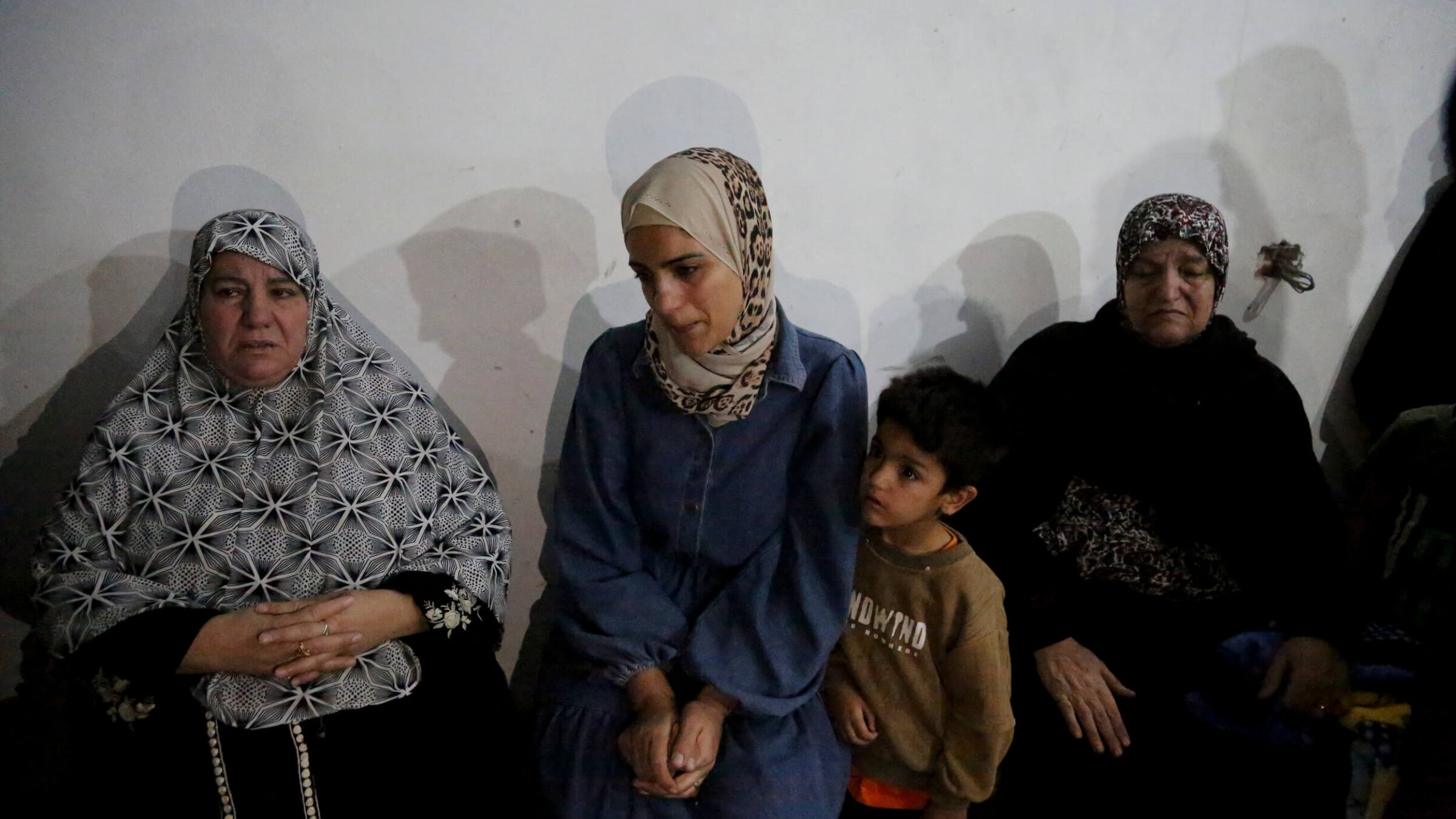
The mother of 10-year-old Mohammed Bahjat Al-Hallaq sits surrounded by relatives in the family home in the village of Al-Rihiyah, south of Hebron, on Oct. 16, after her son was killed by the Israeli army, according to local sources. Photo by Mosab Shawer/Middle East Images via AFP/Getty Images
The Gaza war may finally be over, and the idea of a Palestinian state has returned to the center of global discourse. But before it can become a reality, Palestinians will need to carry less suspicion and hatred toward Israel — which means Israel must give them fewer reasons to cultivate those reactions.
An investigation from last week by my former colleagues at The Associated Press helps show how distant we are from that outcome — not just in Gaza, but also in the West Bank.
The investigation found that, according to United Nations data that Israel does not dispute, live Israeli fire has killed at least 18 children under the age of 15 in the West Bank this year. It killed 29 children in 2023, and 23 in 2024.
Some were killed during Israeli military raids in crowded neighborhoods, others by sniper fire in calm areas. The army told the AP that its open-fire regulations prohibit deliberate targeting and that it had launched some investigations. But it did not say whether anyone had been punished. The families of the deceased children report receiving little information from the army about the circumstances of their deaths, or any consequences meted out in reaction to them.
UN rights office sounds alarm over ‘skyrocketing’ Israeli settler violence during olive harvest
Israeli settler violence and access restrictions prevented many olive farmers from harvesting their land. Two weeks into the start of the 2025 harvest, we have already seen severe attacks by armed settlers against Palestinians men, women, children, and foreign solidarity activists… Direct land destruction is escalating… New Israeli checkpoints and iron gates separated farmers from their farms, sometimes keeping farmers away until their crops failed.” – Ajith Sunghay, Head of @OHCHR_Palestine
Scott Borgerson’s net worth is estimated to be around $20 million to $25 million as of 2025, primarily derived from his role as the co-founder and former CEO of CargoMetrics, a Boston-based data analytics company focused on maritime trade and shipping. Founded in 2010, CargoMetrics was valued at approximately $100 million in 2020, reflecting its innovative approach to leveraging big data for global shipping insights. Borgerson’s wealth was bolstered by his leadership in securing high-profile investors, including Google’s Eric Schmidt and billionaire hedge-fund manager Paul Tudor Jones, connections reportedly facilitated through Maxwell’s elite social network. His financial portfolio also includes significant real estate holdings, such as a $2.4 million oceanfront mansion in Manchester-by-the-Sea, Massachusetts, and a $1 million property in Bradford, New Hampshire, purchased in 2019 under a shell company, where Maxwell was later arrested.
Borgerson’s financial dealings with Maxwell further complicate his net worth. In 2016, Maxwell reportedly transferred the majority of her estimated $20.2 million fortune into a trust controlled by Borgerson, a move that surfaced during her 2020 bail application. This trust, combined with their joint assets, was cited in a $22.5 million bail package, including $8 million in property and $500,000 in cash, underscoring their intertwined finances. Borgerson stepped down as CEO of CargoMetrics in October 2020, citing the need to avoid distracting from the company’s mission amid Maxwell’s legal troubles. While his current professional endeavors are less publicized, his strategic investments and past leadership suggest a sustained financial foundation, though his association with Maxwell has likely impacted his business prospects.
EXCLUSIVE: Ghislaine Maxwell’s husband finds new girlfriend as shamed wife spends Christmas in jail
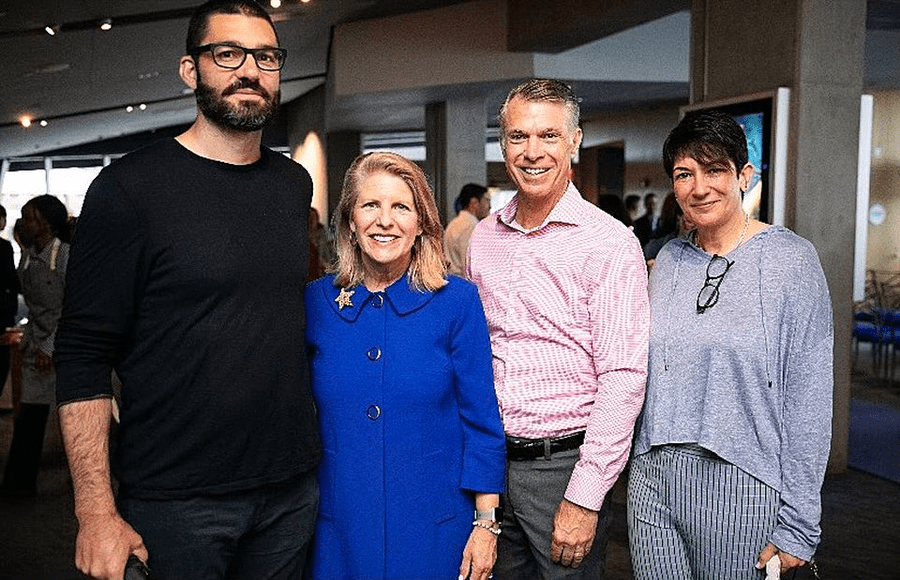
Ghislaine Maxwell’s husband Scott Borgerson, 47, is dating Kris McGinn, a 50-year-old journalist from Manchester-by-the-Sea, Massachusetts – his relationship with the sex trafficker ended in jail
Ghislaine Maxwell’s mysterious hubby Scott Borgerson, once seduced by her power, now MIA
By
Kerry J. Byrne
Published Dec. 11, 2021
Updated Dec. 13, 2021, 9:53 a.m. ET
………….
Now Scott Borgerson, who secretly married Maxwell in 2016, has left her to face the glare of international incrimination alone — while he jaunts around his exclusive coastal New England town in sports cars, often in the company of an attractive new female friend.
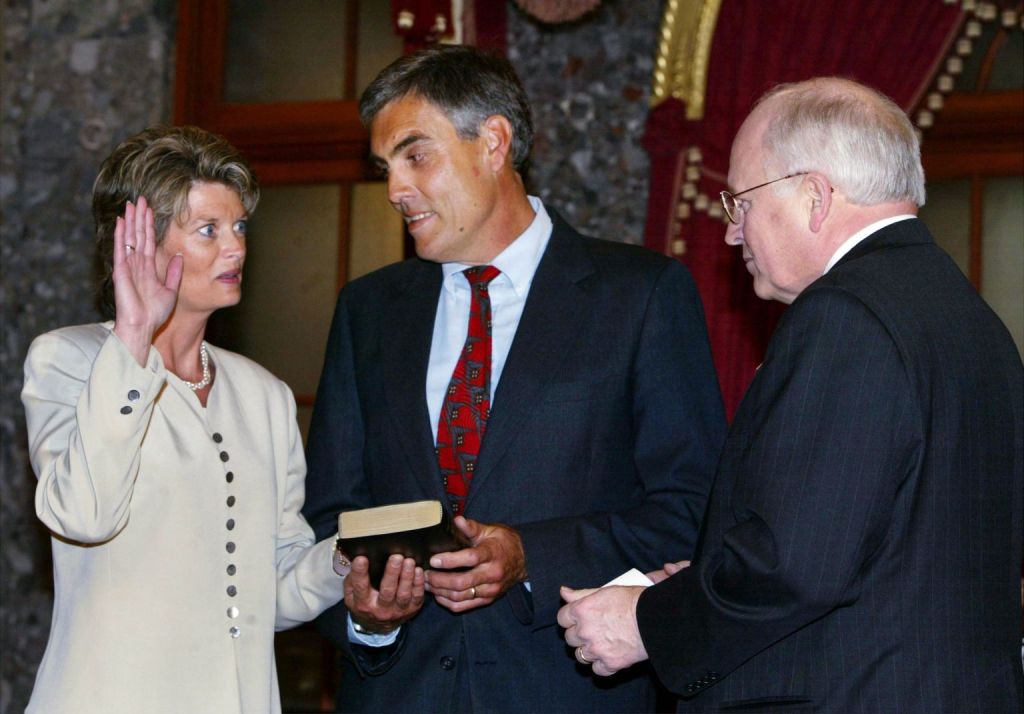
Scott Borgerson is the Chief Executive of CargoMetrics and has participated in discussions alongside Senator Lisa Murkowski, particularly on topics related to the Arctic and national security. Their collaborations often focus on the strategic and environmental challenges facing the Arctic region. institutenorth.org Council on Foreign Relations
And Lisa Murkowski voted:
lease of Epstein files
Sens. Lisa Murkowski and Dan Sullivan joined 49 other Republicans in blocking a vote aimed at forcing the Department of Justice to release its files on child sex offender Jeffrey Epstein.
Tara Palmeri has spoken to survivor, Alaskan Marijke Chartouni:
Part one of the series zeroes in on Epstein survivor and Alaskan Marijke Chartouni, who has turned her attention to Republican Sen. Lisa Murkowski (R-Alaska), the deciding vote on September 10 to block the release of the Epstein files. Chartouni uncovered Murkowski’s longstanding ties to Ghislaine Maxwell’s husband, Scott Borgerson, and the many occasions Murkowski appeared on stage with Maxwell at ocean-advocacy conferences. They were appearances that, intentionally or not, helped launder Maxwell’s name even as she was publicly linked to Epstein.
And this is another event in the news of a past lives possible link to Epstein and survivors:
BNY Mellon sued over alleged financial ties to Jeffrey Epstein
By Reuters
October 15, 20258:03 PM GMT+1Updated October 15, 2025
NEW YORK, Oct 15 (Reuters) – A woman who says she was abused by the late financier and sex offender Jeffrey Epstein sued Bank of New York Mellon (BK.N), opens new tab on Wednesday, alleging the bank processed $378 million in payments to victims of his sex trafficking.
The Mellon name is current as Timothy Mellon has donated 130 million dollars to Trump’s Pentagon, toward the 2 billion per month cost of paying troops whilst the government is shutdown:
Reclusive Billionaire Mellon Gave $130M to Pay Troops
And Virginia Guiffre’s book, No ones Girl has sold out, one reader on Substack discussed the following:
Giuffre stated that in 2002, when she was about 18 years old, Jeffrey Epstein flew her out to Little St. James (known later as “Epstein’s Island”), where hundreds of underaged girls would be trafficked in and out from all over the world for Epstein and his friends. On this occasion, however, he brought in a “well-known Prime Minister,” who “raped [Virginia] more savagely than anyone had before.” The man choked her until she passed out, then let go until she came to, over and over again. “He wanted violence,” she remembered, and laughed at her when she pleaded with him to stop, taking “pleasure in seeing [her] in fear for [her] life.” She says she came away bleeding from her mouth, and everywhere below, front and back, and for days struggled to breathe and swallow. When she begged Epstein never to see the man again, he said coldly, “You’ll get that sometimes.”
Virginia Giuffre in 1999 or 2000, as printed in her book
Do not forget Virginia, she symbolises wronged young women the world over.
An article about tge ‘common thread of abuse’:
From grooming gangs to Virginia Giuffre, this is the common thread in abuse
Datacenters, as I have pointed out in my earlier blogs, demand too much energy and water for this planet to sustain. Now the International Monetary Fund has been monitoring the global impact for sometime, purely on an economic basis:
Monetary Fund (IMF) has issued a stark warning to executives: financial uncertainty has become an inalienable feature of the modern economy.
Speaking in advance of the IMF’s annual gathering in Washington, D.C. next week, Kristalina Georgieva, the organisation’s MD, told audiences to “buckle up”.
“Uncertainty is the new normal and it is here to stay,” she added.
Her comments at the Milken Institute on 8 October arrive during a period of elevated market prices, especially with regards to AI.
Wanting to show support for Palestinians by sailing toward Gaza is not a crime.
Harming peaceful protestors is.
Greta Thunberg alleges torture in Israeli detention after Gaza flotilla arrest
By Reuters
October 8, 20258:06 AM GMT+1Updated October 8, 2025
STOCKHOLM, Oct 7 (Reuters) – Swedish activist Greta Thunberg alleged on Tuesday that she and other detainees of the Gaza flotilla were subjected to torture in the Israeli prison they were held.
Thunberg told a news conference in Stockholm that she and others were “kidnapped and tortured” by the Israeli military.
When she was about 11 years old, Greta Thunberg was diagnosed with Asperger syndrome, which is now considered an autism spectrum disorder. It is characterized by abnormalities in social interactions (as in classic autism) but with normal intelligence and language development. People with Asperger syndrome tend to focus deeply on one idea or interest, and Thunberg’s cause became climate change. While acknowledging that Asperger had hampered her in some ways, Thunberg also noted its advantages, at one point tweeting: “I have Aspergers and that means I’m sometimes a bit different from the norm. And—given the right circumstances—being different is a superpower.”
On July 20, 2025, Director of National Intelligence Tulsi Gabbard ordered all intelligence related to Russia-Ukraine peace talks compartmentalized as “NOFORN” (no foreign dissemination), cutting America’s closest intelligence partners out of information sharing that had operated seamlessly for decades, leading Western officials to conclude of the Five Eyes alliance: “I don’t think that’s reliable anymore.”
See Christopher Armitage List of Actions by Trump regime, Substack.
China no longer purchases soya beans from American farmers due to the current trade war between the US and China.
American farmers feel cheated:
American Soybean Farmers Sold Out by Trump While Argentina Gets Bailed Out
“The farm economy is suffering,” says the head of the American Soybean Association, “while our competitors supplant the United States in the biggest soybean import market in the world.”
Treasury Scott Bessent announced that the U.S. is DOUBLING its bailout of Argentina to $40 billion.
The bonding:
From Villa Urquiza to Washington: The tale behind Milei’s chainsaw gift for Elon Musk
President Javier Milei presents billionaire Elon Musk with a replica of the chainsaw he keeps at the Casa Rosada — how a tool manufacturer found a niche in the libertarian marketplace.
President Javier Milei gifts Elon Musk a chainsaw. | SOCIAL MEDIA
During his visit to the United States, Javier Milei surprised Elon Musk with an usual gift: a customised chainsaw.
The object was not chosen at random. For Milei, the chainsaw is the symbol of his libertarian agenda, representing the slashing of bureaucracy and shrinking the state. In the United States, Musk has been entrusted with the same task by President Donald Trump via the Department of Government Efficiency (DOGE).
The Milei-Musk was swiftly shared on government channels. First came images, then a video of the exchange. Accompanied by the song ‘Bad to the Bone’ by George Thorogood & The Destroyers, Argentina’s President strides in, his sister Karina Milei in tow, and declares: “I have a gift for you,” unveiling a sleek black box with a gleaming chainsaw inside.
Milei sees Musk as an ally in his war on red tape. He claims DOGE, which the billionaire leads, was inspired by his own Deregulation & State Transformation Ministry, headed by Federico Sturzenegger.
Then we follow Milei’s success then plummeting lows
Here is an analysis:
Despite impressive macroeconomic gains, Milei’s project proved fragile. The austerity measures that balanced the budget and tamed inflation created severe social consequences. Poverty levels surpassed 50% at one point during the year, and the economy contracted sharply in 2024.
A core vulnerability emerged from the government’s anti-inflation strategy: an increasingly overvalued Argentine peso. To stabilize prices, the government slowed the peso’s depreciation against the U.S. dollar. But with domestic inflation still running high, the real value of the peso soared, making it one of its strongest in decades when adjusted for inflation.
This policy had damaging side effects. It made Argentine exports expensive and uncompetitive, widened the trade deficit, and created a critical shortage of U.S. dollars needed to pay for imports and service foreign debt.
The situation came to a head in mid-2025. A series of political setbacks shattered investor confidence. Milei’s coalition suffered a major electoral defeat in Buenos Aires province. Corruption scandals involving his sister and close advisor, Karina Milei, began to surface. The opposition-dominated Congress overturned key elements of the government’s fiscal consolidation plan.
This combination triggered a classic run on the peso, a crash in the Merval stock index, and rapid depletion of the central bank’s dollar reserves as it desperately tried to defend the currency.
Rob Citrone at a charity dinner in New York City in November 2022.Jared Siskin/Patrick McMullan/Getty
Mother Jones from original research at Popular Information, Substack
Hunger in Argentina
Milei did improve life for the poor briefly, but this is what improvement looked like:
“The path of economic freedom and fiscal responsibility is the way to reduce poverty in the long term,” the government said in a statement after the poverty data was published.
There are still some 11.3 million people in poverty, INDEC said, with 2.5 million of those in severe poverty.
Some Argentines said that despite the slide in the headline figure, they still felt the pain,with some having to find thrown-away food to get by or taking informal low-salary jobs.
“There are more and more people rummaging through dumpsters here, foraging,” said Jorge Silvero, a Buenos Aires resident who survives by scavenging in the suburb of Tapiales.
“People coming to look and take a small bag of bagallo, as we say, some vegetables home. They have enough to eat, at least to take home. But there is a terrible hunger.”
There is hope that the worst hardship might be over.
“Now we have price stability, or at least macroeconomic stability and much lower inflation,” Agustin Salvia, director of the Argentina Social Debt Observatory at the Catholic University of Argentina, told Reuters.
He warned, however, that income levels for workers, retirees, and pensioners remained below what they were at the end of 2023, and that many people were taking on “more precarious, subsistence jobs, and informal work.”
Argentine real estate market has traditionally been a safe haven in times of economic instability. Investing in properties, whether for residential, commercial, or tourist use, offers the possibility of earning income in dollars or generating long-term appreciation.
One of the recent trends in the sector is the investment in Small apartments or studios in central areas of large cities such as Buenos Aires, Córdoba or RosarioThese properties are in demand for both temporary and long-term rentals, allowing for additional income generation. Furthermore, the supply of mortgage loans is limited, which maintains high demand for rentals.
For those looking for a medium or long-term investment, the purchase of land or early-stage developments It can result in significant profits upon project completion. However, it’s important to consider associated costs, such as taxes, maintenance, and real estate commissions, which can affect net profitability.
6. Investments in Precious Metals
Precious metals, such as gold and silver, are considered safe havens in times of economic crisis or high inflation. Gold, in particular, tends to maintain its value over the long term and is an effective hedge against currency devaluation. In Argentina, where the peso has steadily depreciated against the dollar, investing in gold has been a popular option.
Gold ingots or coins can be purchased through specialized houses, or invested in investment funds that replicate the price of the metalAlthough investing in gold doesn’t generate returns like financial assets, its ability to maintain purchasing power makes it an attractive option in highly uncertain scenarios.
7. Cryptocurrencies
Cryptocurrencies have gained popularity in Argentina as an investment alternative and protection against inflation. Bitcoin, for example, has been used both as a store of value and as a form of speculation. The volatility of cryptocurrencies can generate significant returns in a short period of time, but they also carry a high level of risk.
For those who wish to invest in cryptocurrencies, it is advisable to allocate a limited part of the total capital, as the risk is high. It’s also important to learn about the characteristics of each cryptocurrency and the exchange platforms to avoid scams or losses.
A strategy that has become popular is the dollar-cost averaging (DCA), which involves investing a fixed amount of money at regular intervals, regardless of the asset’s price. This helps soften the impact of volatility and reduce risk.
8. Startups and Private Equity
Investing in startups or small emerging companies can be very profitable, although it is also one of the riskiest options. The startup ecosystem in Argentina has grown significantly in recent years., with technology, fintech, and agribusiness companies leading the way.
Investing in startups can provide very high returns if the company manages to grow and scale its business model. However, it is important to consider that many startups do not survive the first few years, so Investing in several companies at once can be a way to diversify risk.
Some platforms allow you to invest in private equity or equity crowdfunding, making this type of investment accessible to people who don’t have large sums of money.
9. Dollar Accounts and External Debt Securities
Another way to protect your savings in Argentina is Keep a portion of your capital in dollar accounts or invest in sovereign bonds in foreign currency.Foreign debt securities, although volatile, can offer significant returns for investors willing to assume the risks associated with Argentine debt.
The Global Bonds 2030 or 2035 These are examples of dollar-denominated securities that can be purchased at significant discounts relative to their face value, allowing for high returns if the country achieves economic recovery. However, it’s important to be aware of the credit risk and the possibility of debt restructuring.
10. Knowledge Economy and Agroindustry
Argentina has highly competitive sectors that offer profitable investment opportunities. The knowledge economy, including software, IT services, and biotechnology, has shown significant growth in exports and foreign exchange earnings. Investing in companies linked to this sector can result in returns above the market average.
After the October elections:
Javier Milei’s victory in Argentina’s midterm elections is also a win for Trump
But as repayments mount, the burden will strain developing economies and divert resources from priorities such as health care, education and poverty reduction, the Lowy Institute wrote.
…………
What To Know
China accounted for about 5 percent, or $441.8 billion, of the $8.8 trillion in public external debt owed by all low- and middle-income countries, according to data from the World Bank’s 2024 report on International Debt Statistics.
The U.S. national debt is primarily owned by two groups: domestic investors, including private individuals and institutions, and foreign investors. As of recent estimates, about 75% of the debt is held domestically, while approximately 25% is owned by foreign entities, with countries like Japan and China being the largest foreign holders. Library of Congress nationalpriorities.org
The relationship between the US and Latin America has a long history, and China and the US interact in numerous ways, for example, the trade in Fentanyl:
How They Did It: The Pulitzer Prize-Winning Series Exposing Fentanyl’s Global Supply Routes
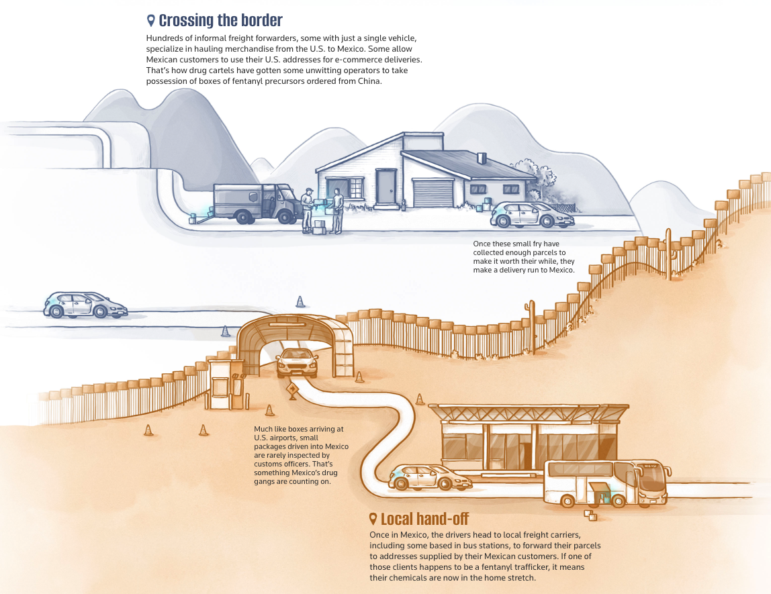
The diversity in delivery locations was intentional. “There has been — and continues to be, to some extent — a fairly simplistic narrative from some areas of government and law enforcement, that this stuff all just comes in and is produced in Mexico and is then consumed in the US, a very kind of binary narrative,” Eisenhammer said. “We really wanted to show that it’s not as simple as that, that these supply chains are incredibly complicated and actually the US plays a pretty important role.”
The Reuters team’s reporting showed that the US plays a key link in the supply chain of providing fentanyl precursors to illegal drug manufacturers in Mexico. Image: Screenshot, Reuters
We might all think locally, and base our perceptions of government decisions based on how they impact us, or members of our community.
There are many issues we have the option to look into more deeply, since investigative and reliable journalists are working hard to explain the global interactions which flow around us.
Some of these may pose threats we do not expect to arise from covert activities.
Instead we may be lazy and guided by rumour or misinformation. We can all look beyond social media or glib AI answers. Locating reliable information helps us protect ourselves and our communities.
Whilst Trump visits China and gets a deal which restores status quo to before tariffs, look what happened to US farmers since the start of the trade war:
Farm bankruptcies are soaring amid low crop prices, while Trump considers bailout of up to $14 billion
Historic Fox News settlementThe network has agreed to pay Dominion Voting Systems $787.5 million for its role in spreading lies…Show more
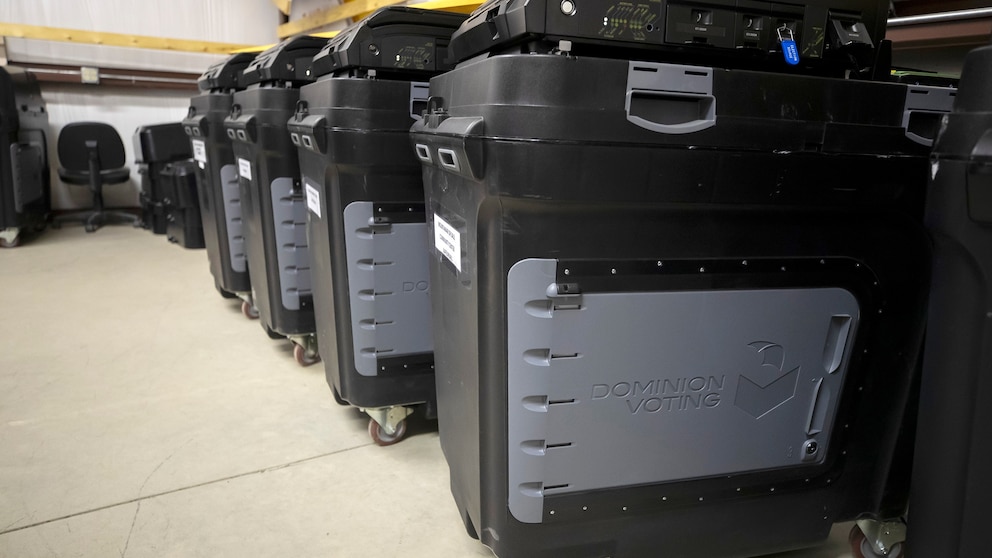
Dominion Voting Systems — the voting machine company at the center of false 2020 election fraud conspiracy theories — has been sold to a seemingly new election company run by a former Republican election official, according to a person familiar with the sale.
John Poulos, the former Dominion CEO, confirmed the sale in a statement.
“Liberty Vote has acquired Dominion Voting Systems,” Poulos said.
Voting rights advocates are sounding the alarm after Trump and House Republicans roll out sweeping changes to how elections are run, Alex Woodward reports
DOJ sues 6 states for private voter data, voting rolls
The abnormal request has previously been opposed by election officials in both parties.
Attorney General Pam Bondi speaks to reporters as President Donald Trump listens, June 27, 2025, in the briefing room of the White House in Washington. | Jacquelyn Martin/AP
The Department of Justice is suing six additional states to compel them to share their statewide voter registration lists with the federal government, an unusual request that has drawn pushback from election officials in both parties in the past.
DOJ’s Civil Rights Division filed federal lawsuits Thursday against election officials in California, New York, Michigan, Pennsylvania, Minnesota and New Hampshire claiming the states violated federal law by refusing to share voter rolls with the Trump administration.
Access to voting rolls varies state by state, but the rolls are generally released to the public and government agencies with voters’ private data — like driver’s license numbers or the last four digits of Social Security numbers — redacted.
The DOJ’s lawsuits demand the rolls with that data included. Similar requests have been rebuffed by election officials across the country, both recently and in past years, out of privacy concerns and opposition to federal encroachment in state elections. Some officials have also tied the effort to President Donald Trump’s long history of spreading election misinformation, including falsely accusing states of allowing noncitizen immigrants to vote en masse.
Last week, the DOJ filed similar lawsuits against election officials in Maine and Oregon, prompting sharp rebukes from each state’s top elections official.
“This is not normal,” Maine Secretary of State Shenna Bellows, a Democrat, said in a statement last week. “Trump’s DOJ is using its immense federal power to try to intimidate us into turning over protected voter data and changing our voting processes to fit President Trump’s whims.”
Reuters and others suggest there is so much misinformatiom around, we should Fact Check using reliable sources. They produced this example in February 2025:
February 27, 20255:54 PM GMTUpdated February 27, 2025
A video with actors pretending to be U.S. Immigration and Customs Enforcement (ICE) agents arresting a man inside a California barbershop is being shared on social media as authentic.
The video, opens new tab was shared online in February with the caption, “A criminal illegal alien was getting his haircut at this California barbershop when suddenly ICE showed up out of nowhere and detained him.”
U.S. President Donald Trump took office, promising to deport millions of undocumented immigrants living in the country.
However, the video shared on social media does not show a real arrest by immigration agents at the Hk Barbers, opens new tab in Perris, California.
The vests worn by the individuals read “Border Patrol Los Santos.” “Los Santos” is a fictional city featured in the video game Grand Theft Auto.
In response to an Instagram message, he said that he was the creator and that “the video is not real,” explaining it was created as “viral” content.
When asked about the @ggrockz1 video, an ICE spokesperson said the agency “strongly condemns the impersonation of its officers or agents. This action is not only dangerous but also illegal.”
ICE arrests spiked to around 800-1,200 per day during Trump’s first week in office, then fell off as detention centers filled up and officers sent to target cities returned home, Reuters reported.
VERDICT
False. A video appearing to show a man being detained by ICE agents in a California barbershop was staged, its creator confirmed.
This article was produced by the Reuters Fact Check team. Read more about our work to fact-check social media posts.
Reuters, the news and media division of Thomson Reuters, is the world’s largest multimedia news provider, reaching billions of people worldwide every day. Reuters provides business, financial, national and international news to professionals via desktop terminals, the world’s media organizations, industry events and directly to consumers.
Follow Us
LSEG Products
Workspace, opens new tabAccess unmatched financial data, news and content in a highly-customised workflow experience on desktop, web and mobile.
Data Catalogue, opens new tabBrowse an unrivalled portfolio of real-time and historical market data and insights from worldwide sources and experts.
World-Check, opens new tabScreen for heightened risk individual and entities globally to help uncover hidden risks in business relationships and human networks.
Gaza latest: If Hamas doesn’t disarm we will disarm them – ‘perhaps violently’, Trump warns
Donald Trump has told Hamas it must disarm under his Gaza plan. Meanwhile, Israel says the Rafah crossing into Gaza will stay shut over the group’s failure to return the remains of all 28 dead hostages. Listen to the Trump 100 podcast as you scroll.
Perhaps Hamas is witholding 24 deceased Israeli hostage bodies.
Or
Perhaps those bodies need to be dug out from under the rubble of a destroyed Gaza and that would take special machinery and skilled operators….so far no sign of them.
Or
Perhaps other non Hamas gang members are concealing the bodies but only Hamas is being blamed.
25 June 2025
Israel is arming gangs to fracture Gaza’s society from the inside
It is part of a strategy to spread chaos, make Gaza ungovernable, and continue starving the population.Palestinians gather to receive aid supplies in Beit Lahia, in the northern Gaza Strip, on 22 June 2025.
Armed criminal gangs have been unleashed on the Gaza Strip by Israeli policy. On 5 June, Prime Minister Benjamin Netanyahu publicly confirmed that Israel is arming these criminal factions and clans, admitting something us in Gaza already knew to be true. The goal? To reduce the number of casualties among Israeli soldiers – and to further fracture Palestinian society from the inside.
The results have been catastrophic. The presence of these gangs, many of whose members were imprisoned before this war for crimes against their own people, has added a new and terrifying layer to our suffering. We are no longer only afraid of the sky – but also of our neighbours, of the people walking among us. We don’t just fear hunger or bombs anymore. We fear betrayal.
A lot of attention has focused on Yasser Abu Shabab and his men, who Israel has armed to control territory in Rafah, in southern Gaza. But there are armed gangs everywhere now, controlling access to aid, even inside Gaza City.
The presence of these criminals among us has made us fearful of one another. My father has cautioned me to treat everyone around me like they are going to try to steal from me or are approaching to hurt me. My parents live in fear when I go out to report – not just because of Israeli bombs and bullets – but now also because of these gangs. As the looting has escalated, especially at the aid entry points, my parents told me to stop going out altogether, and I think they are right
Israel to open Rafah crossing in U-turn after Hamas returns more bodies – reports
Israel has reportedly decided to reverse its decision on keeping the Rafah crossing between Gaza and Egypt closed today.
According to Israeli public broadcaster Kan, Israel has now decided to open the crossing and allow the transfer of humanitarian aid into Gaza.
Yesterday, Israeli officials said the crossing would remain closed and aid flow into Gaza would be reduced after Hamas failed to hand over the bodies of all the dead hostages.
Four more bodies were handed over last night, meaning 20 others are yet to be returned.
A Middle Eastern diplomat has told The Times of Israel that Hamas has informed mediators it will transfer another four bodies later today.
At last, aid can return to the Palestinians via the Rafah crossing, but will we see it provided to those in desperate need?
And why is it still unsafe for aid to be properly distributed?
Oct 18th, 2025
Sky News reports more evidence of Israeli support for anti Hamas gangs:
Donald Trump insisted to reporters on Air Force One last night that the ceasefire in Gaza was still in effect, despite yesterday’s deadly strikes in the enclave.
The Israeli military said it struck Hamas targets across the enclave after an earlier attack killed two of its soldiers. The strikes killed at least 26 people, according to local residents and health authorities.
Trump said Hamas leadership may not be involved in the alleged violations that brought about yesterday’s violence.
“We think maybe the leadership isn’t involved in that,” Trump said. “Either way… it’s going to be handled toughly but properly.”
Trump said he did not know whether the Israeli strikes were justified. “I’d have to get back to you on that,” he said.
“We’re going to have to see what’s happening. We want to make sure that it’s going to be very peaceful with Hamas.”
The Hamas-run government media office in Gaza says Israel has killed 97 Palestinians and violated the ceasefire agreement 80 times since it began.
After the 20 country summit in Sharm l Sheikh, Egypt, to sign a document, the content of which we do not know,
Egyptian President Abdel Fattah el-Sissi’s office said the summit aims to “end the war” in Gaza and “usher in a new page of peace and regional stability” in line with U.S. President Donald Trump’s vision.
after which President Trump spoke thanking everyone in turn for their contribution to the event, an anxious looking President Sobianto of Indonesia (only in power since October 2024) ensured he caught a word with Trump before he left to board Airforce One.
He was caught on ‘hot mic’ trying to get one of Trump’s sons to visit regarding the tourism project they were running.
A sprawling “Trump Community” has been built since 2014 in this pocket of Indonesia’s most densely populated island, with a new toll road leading to it, located in Gunung Gede Pangrango, about 60 kilometers (37 miles) south of the capital, Jakarta, and is home to a new Trump golf course, which started offering membership last year.
It’s part of broader plans, including a huge theme park, that have alarmed conservationists who fear development will overwhelm habitats for some of the archipelago’s most threatened species.
The Environment Ministry said in a statement that mismanagement of rainwater at the resort had caused sedimentation in Lido Lake, making it shallower and halving the size of the body of water to 12 hectares (30 acres).
“The mismatch between environmental plans and physical implementation is a serious concern in efforts to preserve natural resources,” said Ardyanto Nugroho, the ministry’s director of environmental complaints, monitoring and law enforcement.
He said that his team was still waiting for laboratory test results to determine further steps in the environmental law enforcement process.
“We committed to preserving the environment and will take firm action against violations that impact the ecosystem and surrounding communities,” Nugroho said.
And the idea for this project which threatens one of the last remaining pristine rainforest areas in Indonesia is a friend of Donald Trump:
The 3,000-hectare (11.6-square-mile) project is the brainchild of Trump’s Indonesian business partner, billionaire and politician Hary Tanoesoedibjo, who attended Trump’s inauguration in Washington last month.
And Forbes tells us more about Hary Tanoesoedibjo:
His listed MNC Land in 2023 opened the Lido Music & Arts Center in Jakarta as part of the Lido City project, which will feature Trump-branded golf course and resort.
MNC Land is also building another Trump-branded golf resort in Bali.
His daughter Angela, who used to serve as Indonesia’s Deputy Tourism and Creative Economy Minister, became co-CEO of MNC Group in October 2024.
Apparently Indonesia are offering up to 20,000 troops to help with Peacekeeping in Gaza.
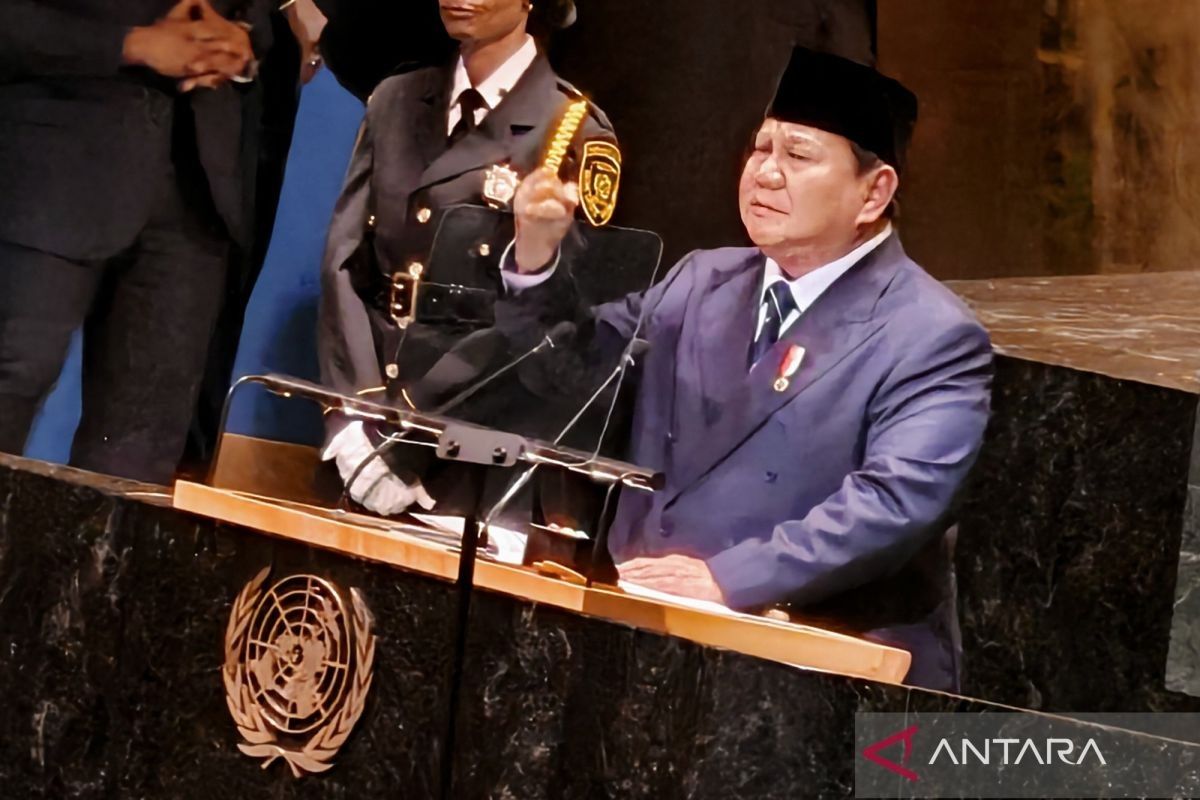
Indonesia’s Prabowo orders TNI to ready peacekeepers for Gaza mission
October 13, 2025 10:36 GMT+700
File photo – President Prabowo Subianto delivers a speech during the General Debate of the 80th United Nations General Assembly at the UN Headquarters in New York, the United States, September 23, 2025. (ANTARA FOTO/Fathur Rochman/bar)
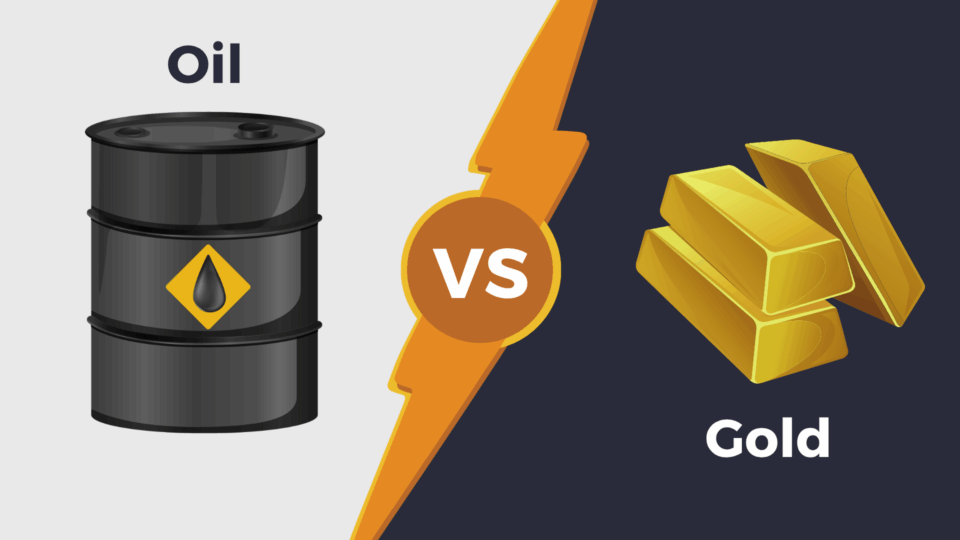
Gold and oil are the two most important commodities in the world. Tracking the gold/oil ratio is like watching the tug-of-war between Wall Street and Main Street.
The gold/oil ratio does much more than just compare commodity prices. It reflects how the market values the world’s top monetary asset (gold) versus the world’s top productive asset (oil).
When the economy hits a turning point, the gold/oil ratio rises. When the economy stabilizes and productive output becomes predictable, the gold/oil ratio falls.
The gold-to-oil ratio currently stands at 39.6 barrels per ounce, a historically extreme level that underscores significant market imbalances of Gold being high relative to oil. The ratio has typically ranged between 10 and 30 in most market conditions, with only a few instances of extreme spikes. The most notable peaks occurred during major economic crises, such as the 2008 financial crash and the 2020 lockdown oil price collapse, when the ratio surged as oil prices plummeted relative to Gold.
The current reading suggests that either oil is significantly undervalued or gold remains highly sought after as a safe-haven asset. This extreme level indicates a continued divergence between the energy and precious metals markets, which could be driven by a combination of weak global energy demand, geopolitical uncertainties, and persistent inflationary pressures. If historical patterns hold, such elevated ratios tend to be temporary, followed by a reversion as oil prices recover or gold stabilizes.
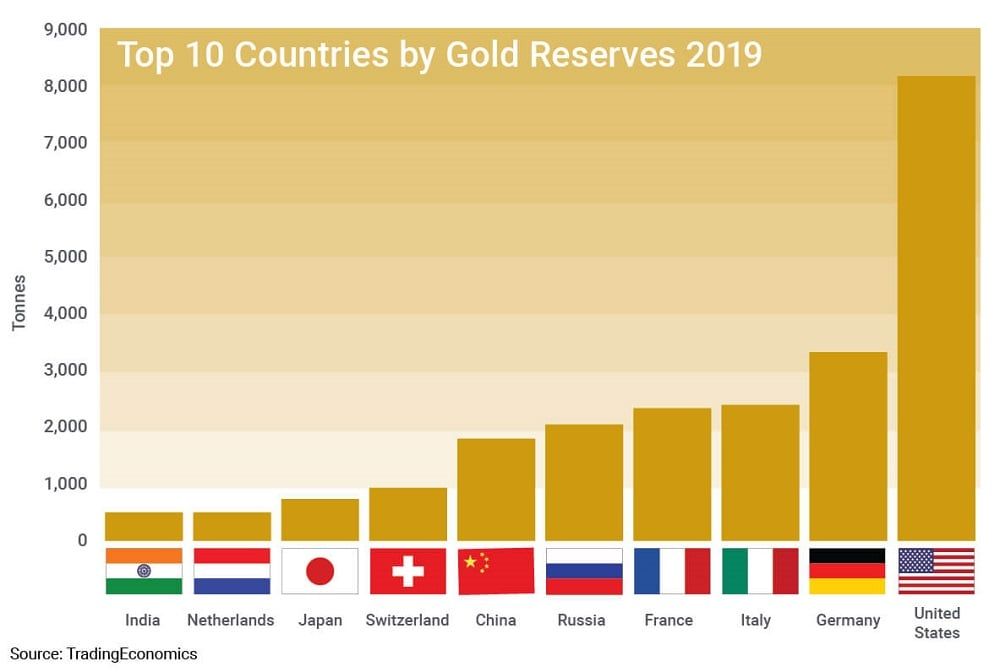
Our gold vaults hold around 400,000 bars of gold, worth over £200 billion. That makes the Bank of England the second largest keeper of gold in the world (the New York Federal Reserve tops the list).
As this video explains, the vaults provide safe-keeping for the country’s gold reserves and for overseas central banks:












You must be logged in to post a comment.