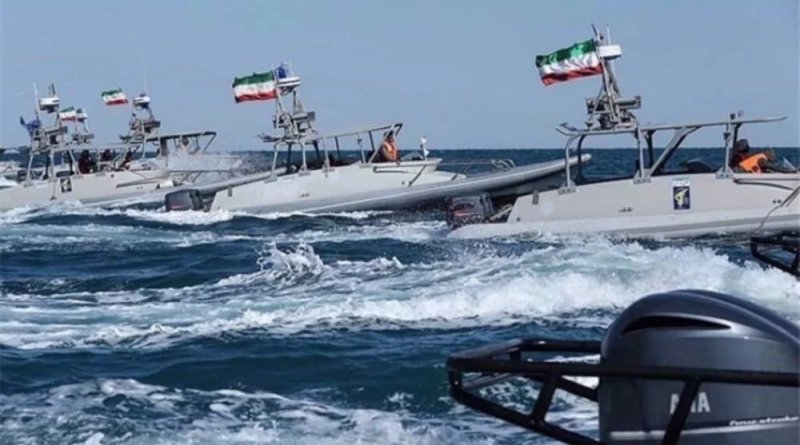
Iran’s Islamic Revolution Guards Corps (IRGC) Navy has claimed that its forces inflicted significant damage on US naval assets during a large-scale combined operation on Thursday evening, forcing three American destroyers to withdraw from the Strait of Hormuz.
In a statement, the commander of the IRGC Navy said the operation was launched in response to what he described as two provocative actions by the US military, News.Az reports, citing Iran’s English-language Press TV.
According to the statement, the first incident involved an alleged violation of the ceasefire through an attack on an Iranian oil tanker near the port of Jask. The second was the approach of US Navy destroyers towards the strategic Strait of Hormuz despite what the commander described as clear warnings from Iran.
The US and Iran exchanged fire late on Thursday in the most serious test yet of their month-long ceasefire.
Iran accused the US of violating the ceasefire by targeting two ships at the strait of Hormuz and attacking civilian areas, as the US insisted it struck in retaliation.
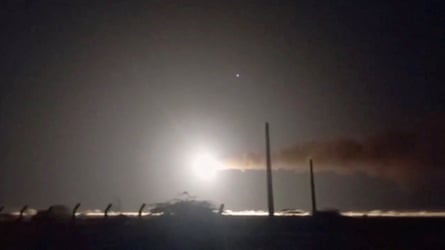
Screengrab from video footage of the Iranian navy firing a missile at an unknown location. Photograph: WANA/Reuters
The US military said it targeted sites responsible for attacking three US destroyers transiting the strait, in what it called “unprovoked” hostilities by Tehran. Iran’s Press TV reported that after several hours of fire “the situation on Iranian islands and coastal cities by the strait of Hormuz is back to normal now”.
The United Arab Emirates said it had intercepted Iranian missile and drone attacks hours after the US said it thwarted attacks on the USS Truxtun, USS Rafael Peralta and USS Mason.
The fresh skirmishes threw into question the viability of a shaky ceasefire that had largely held for the previous month. But Donald Trump, the US president, insisted it remained intact despite the strikes, which he described in an interview with ABC News as a “love tap”.
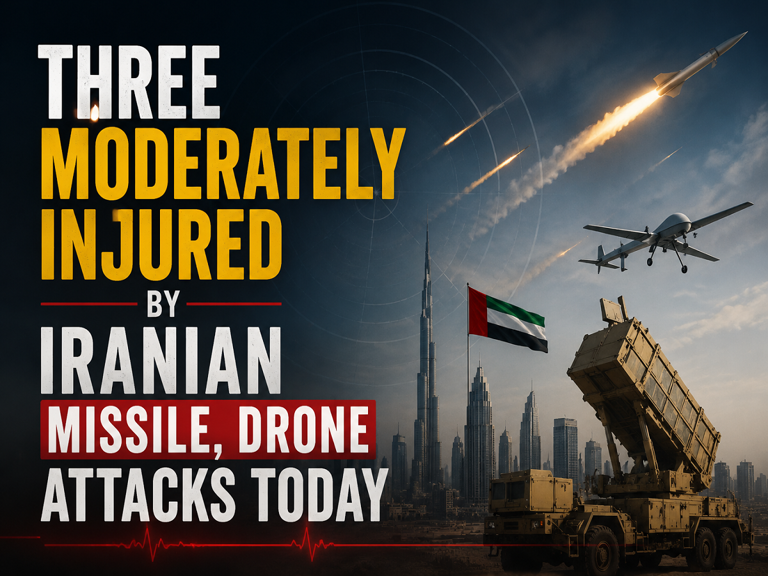
UAE attacked again: Missile, drone strike injures 3 in latest escalation in US-Iran war
Story by Sudeep Rawat
• 1h
UAE attacked again: Missile, drone strike injures 3 in latest escalation in US-Iran war
India, May 8 — On Friday, May 8, the UAE activated its air defence systems to respond to Iran’s attack. The UAE Defence Ministry issued a statement saying that the air defence system engaged two ballistic missiles and three Unidentified Aerial Vehicles (UAVs).
Israel sent laser system to UAE to help intercept Iranian missiles and drones — report
Sources say Jerusalem also sent a surveillance system and other weapons to the Gulf state, marking a major development in security cooperation with the Abraham Accords ally
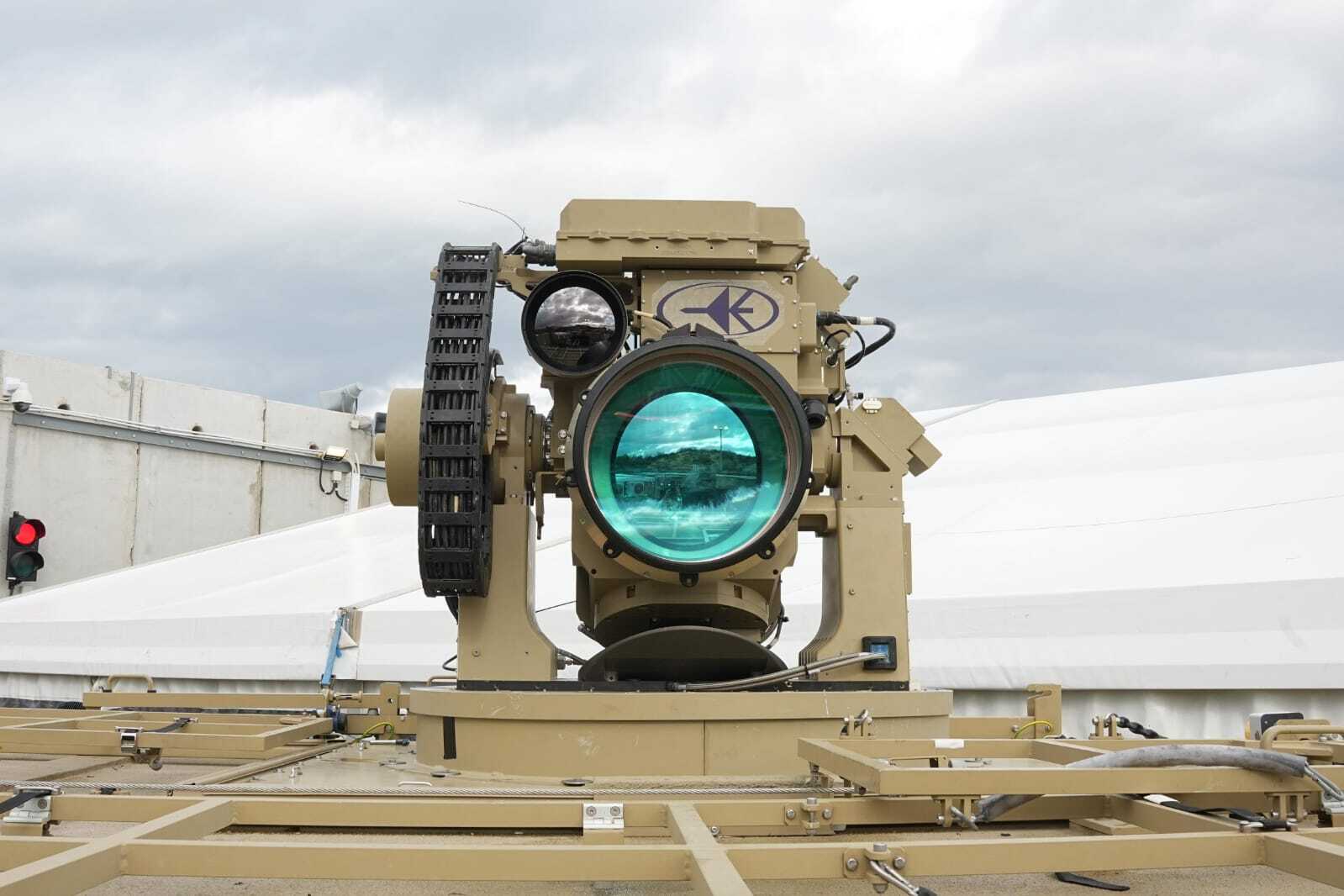
The IDF’s first operational Iron Beam high-power laser air defense system, displayed during a handover ceremony at a Rafael Advanced Defense Systems facility, December 28, 2025. (Defense Minister’s Office)
Israel dispatched a version of the Iron Beam laser-based air defense system to the United Arab Emirates during the recent fighting with Iran to help protect the Gulf nation from missile and drone attacks, according to a report on Thursday, in a significant step for the defense ties between the two countries.
According to The Financial Times, Jerusalem also sent over an advanced surveillance system known as Spectro to help the UAE detect Iranian drones from up to 20 kilometers (12.4 miles) away.
The report comes on the heels of a piece by Axios earlier in the week, which asserted that Israel deployed an Iron Dome Battery to the Gulf nation and sent several dozen troops to operate it.
Citing a source familiar with the matter, The Financial Times reported that Israel also sent additional, unspecified weapons systems to the UAE.
“It’s not a small number of boots on the ground,” the source said.
The newspaper reported that in addition to the equipment, Jerusalem also provided the UAE with real-time intelligence on missile launches from Iran heading toward the Gulf state.
Retired, living in the Scottish Borders after living most of my life in cities in England. I can now indulge my interest in all aspects of living close to nature in a wild landscape. I live on what was once the Iapetus Ocean which took millions of years to travel from the Southern Hemisphere to here in the Northern Hemisphere. That set me thinking and questioning and seeking answers.
In 1998 I co-wrote Millennium Countdown (US)/ A Business Guide to the Year 2000 (UK) see https://www.abebooks.co.uk/products/isbn/9780749427917