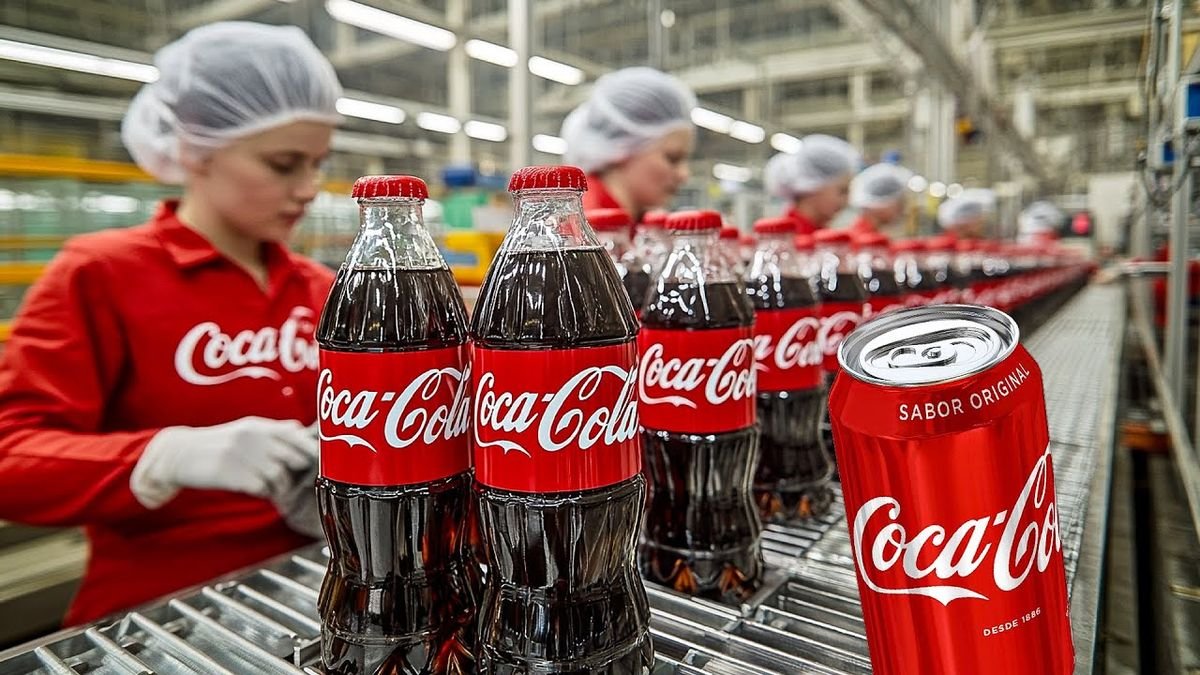
Huge foreign conglomerates like Coca-Cola, Nestle Waters, Sources Alma and Highland Spring are now extracting billions of litres of freshwater from aquifers around Britain to sell as bottled water, it has been revealed.
A freedom of information request by the Guardian found that Coca-Cola extracts the largest amount of resources of any drinks brand in England, with a permit to drain 1.59 billion litres per year from boreholes in Sidcup, Kent. It also has permits in place to extract 377 million litres for bottled water brands Abbey Well and Glaceau Smartwater from Morpeth, Northumberland.
In Scotland, meanwhile, one of the biggest players is Highland Spring, owned by Bahrain-born billionaire businessman Mahdi Al Tajir, also Scotland’s richest man.
The brand has a licence to abstract 1.85 billion litres per year from the Speyside Glenlivet estate in the Scottish Highlands, although it says that it only takes out 32 per cent of the permissible amount and it hasn’t detected any discernible impact on the environment as a result of this abstraction.
Although trade organisation the Natural Source Water Association says that abstraction for bottled water only covers a small fraction of total resources extracted in Britain, the issue – according to Pedro Arrojo-Agudo, UN special rapporteur for water – is that these companies are taking the best quality drinking water there is, putting public supply at risk.
Thousands in Kent still facing water supply issues
ITV News
Mon, 1 June 2026 at 11:20 am BST
Thousands of people in Kent are still facing water supply issues as the county enters its tenth day of disruption.
More than 100 households in Mereworth, a village near Maidstone, currently have no water.
South East Water says more than 3,000 customers may experience low pressure or an intermittent supply during the day in the Coxheath, Loose, Headcorn, Ulcombe, Benenden and Kemsing areas.
The problems began during the recent heatwave, affecting properties in Kent and Sussex, and people are being asked to use water for essential purposes only.
In a statement, South East Water’s Incident Manager, Mike Court, said: “Drinking water supplies are continuing to return to customers across Kent today.
“Currently there are around 117 households with no water in the Mereworth area due to low levels in our drinking water storage tank which supplies the area, however we expect supplies to be restored today.
Coca-Cola is the world’s most recognizable beverage brand, consumed in nearly every country. Its red logo and signature formula symbolize modern consumer culture. Yet beneath its refreshing image lies a long-standing controversy: water rights.
As a company whose primary ingredient is water, Coca-Cola has been accused of over-extraction, pollution, and exploitation of scarce water resources—particularly in developing countries. Communities in India, Africa, and Latin America have accused the company of depleting aquifers, contaminating local supplies, and prioritizing profit over basic human needs.
This article explores Coca-Cola’s water rights issues, tracing major controversies, corporate sustainability pledges, and the broader ethical and environmental dilemmas surrounding water as a commodity.
Why Water Matters
Water makes up 90–95% of Coca-Cola beverages.
Each liter of Coke requires multiple liters of water to produce, including agricultural use for sugar.
Water is not just a raw material but a human right, recognized by the United Nations.
As climate change and population growth strain water resources, corporations like Coca-Cola face scrutiny for how they access and use water.
Coca-Cola’s Global Footprint
Operates in 200+ countries with hundreds of bottling plants.
Relies on local water sources—often underground aquifers—for production.
Agricultural supply chains (sugar, fruit, etc.) further increase water demand.
This global reach means Coca-Cola’s impact on water rights is both widespread and deeply localized.
“Spitting, fuming, angry and powerless” is how Pat Prestage describes her emotions after a water outage that has affected thousands of homes in Kent during the heatwave.
On Wednesday, 8,000 South East Water customers in Whitstable lost water, with 14,000 more in Tankerton, Ashford, and its surrounding areas facing an intermittent supply or low pressure. South East Water’s incident manager, Matthew Dean, said on Thursday that 22,000 people had had water supply problems.
The company blamed increased demand in the hot weather and asked people to use water only for essential purposes.
Urgent concerns must now be addressed as these corporations drill boreholes in our aquifers;
Groundwater provides water even during periods of lower than average rainfall, when surface waters dry up. However, this resilient resource can still fail if rainfall is reduced over a long period. BGS is working to better understand how groundwater droughts occur and the effects they have on people and the environment.
Groundwater drought can have significant negative social and economic impacts on communities that are particularly reliant on groundwater.
Groundwater drought is the sustained and extensive occurrence of below average availability of groundwater.
Aquifers in the UK are usually replenished with water during the winter months, so groundwater droughts may develop if there is reduced rainfall over one or successive winters. Groundwater drought can be exacerbated by high demand for water during unusually hot or particularly dry summers.
Groundwater droughts are marked by lower than average water levels in aquifers, borehole and wells, and by reduced flows to groundwater-fed rivers and wetlands.
Why is groundwater important during surface water droughts?
Groundwater is an important part of the UK’s water supply. It is generally more resilient to drought than surface water due to the relatively slow response of groundwater to changes in rainfall.
At times of surface-water drought, groundwater becomes a critical national resource. As well as providing domestic, agricultural and industrial water supplies, groundwater supports ecologically important flows in many of our rivers during episodes of drought
Retired, living in the Scottish Borders after living most of my life in cities in England. I can now indulge my interest in all aspects of living close to nature in a wild landscape. I live on what was once the Iapetus Ocean which took millions of years to travel from the Southern Hemisphere to here in the Northern Hemisphere. That set me thinking and questioning and seeking answers.
In 1998 I co-wrote Millennium Countdown (US)/ A Business Guide to the Year 2000 (UK) see https://www.abebooks.co.uk/products/isbn/9780749427917

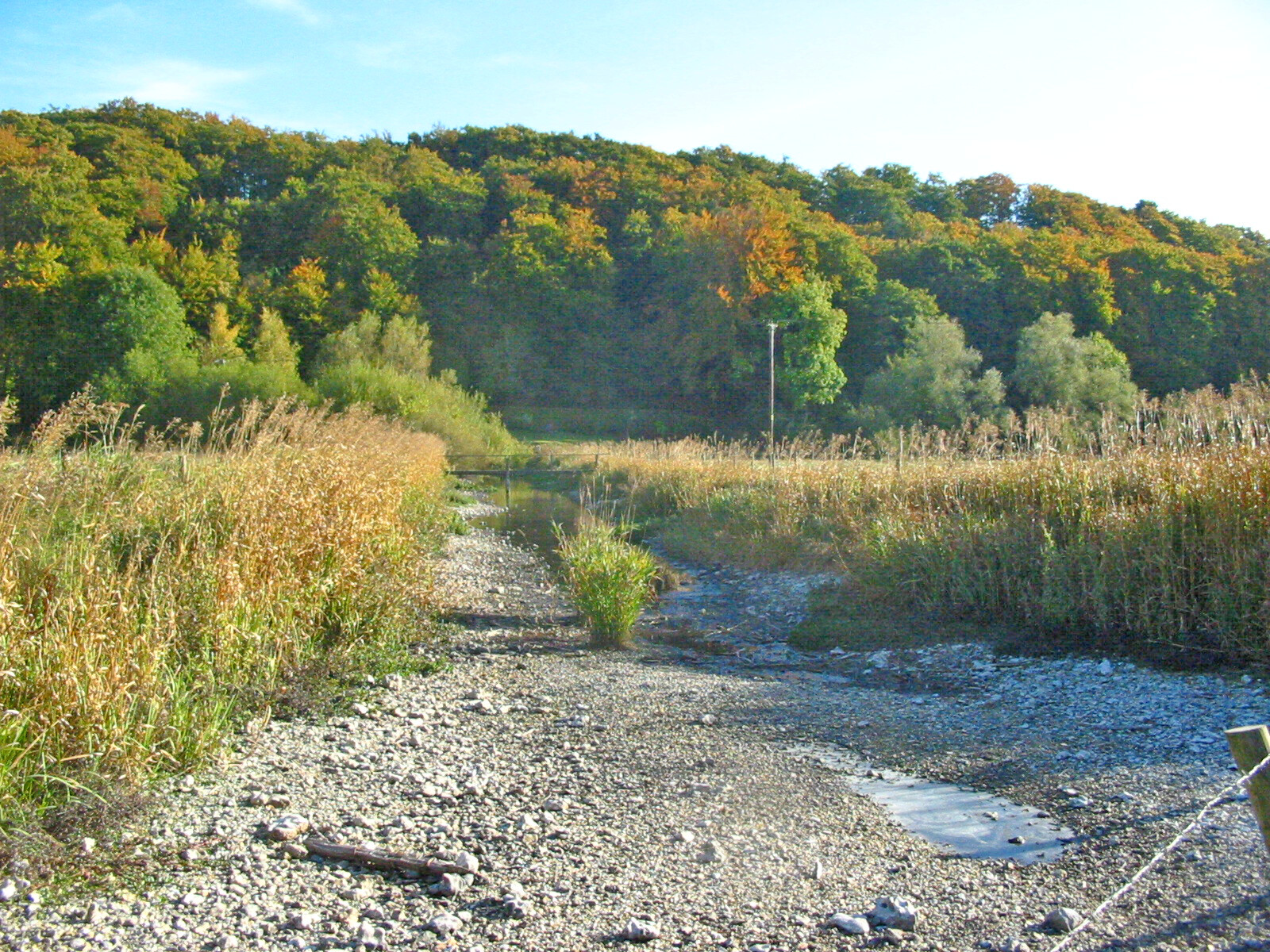
Dry stream bed of River Till, Berwick St James, Wiltshire, in 2004. BGS © UKRI.