
Understanding hydropower building approach:
Fundamentals
Hydropower, or hydroelectric power, harnesses the energy of moving water to generate electricity. It’s one of the oldest and most widely used renewable energy sources, relying on the natural water cycle to continuously replenish its fuel supply. Large dams and reservoirs are the most recognizable form, but hydropower also includes run-of-river systems that divert a portion of a river’s flow through a turbine.
The allure of hydropower stems from its high energy output and relatively low operating costs once a facility is built. Unlike fossil fuel plants, hydropower doesn’t directly emit greenhouse gasses during electricity generation, making it an attractive alternative in the fight against climate change. Moreover, hydropower facilities can provide a range of additional benefits, including flood control, water supply for irrigation and drinking, and recreational opportunities.
Awareness of glacio-hydrological situation in Nepal
Integrating glacio-hydrological and power grid models to assess the climate-resiliency of high mountain hydropower in Nepal
Author links open overlay panelKhem Gyanwali a
, Padam Adhikari b
, Sonu Khanal c
, Nawraj Bhattarai b
, Tri Ratna Bajracharya b
, Ryoichi Komiyama d, Yasumasa Fujii d
Highlights
- •Climate change impacts on hydro-dominated power systems in a high-mountain country.
- •Coupling of glacio-hydrological model and a high spatial-temporal power grid model.
- •Adaptation strategies for surplus electricity management are more critical in wet scenarios.
- •Storage hydro capacity needs drop by 7.2 in Cold-Wet & 6.8 GW in Warm-Wet scenarios.
- •Employing adaptation strategies results in cost savings of about 3.76 billion USD.
Abstract
Climate change significantly impacts hydrological systems resulting in hydropower generation uncertainties. In this study, a high-resolution glacio-hydrological model is coupled with an hourly-resolution power grid model to evaluate the climate change influences on hydropower generation across Nepal. Four climate future scenarios namely Cold-Dry, Warm-Dry, Cold-Wet, and Warm-Wet are developed to compare the changes in water availability and optimal power system with historical climate. The total flow increases for the wet scenarios (+11.4% under Cold-Wet for the Koshi basin), compared to the dry scenarios (−24.6% under Warm-Dry for the Karnali basin) for all the major river basins in Nepal. The results illustrate the distribution and magnitude of changes in total water availability and power generation are not proportional for dry and wet scenarios as a ∼20% reduction of water availability in the dry scenarios only results in a ∼2–3% decrease in electricity generation. The capacity requirements of hydro storage decrease by 7.2 GW for Cold-Wet and 6.8 GW for Warm-Wet scenarios compared to historical climate indicating higher capacity requirements in dry scenarios. Larger impacts observed at higher altitudes suggest more attentive adaptation strategies in developing climate-resilient hydropower systems. Results suggest that Nepal should not be entirely focused on exploiting its hydropower potential but rather diversifying the generation mix including solar PV and hydrogen technology. For the least-cost power system expansion, the Warm-Wet climate appears to be the most desirable and a cost savings of about 3.76 billion USD in hydropower development can be realized if better adaptation strategies are employed
https://www.sciencedirect.com/journal/renewable-and-sustainable-energy-reviews
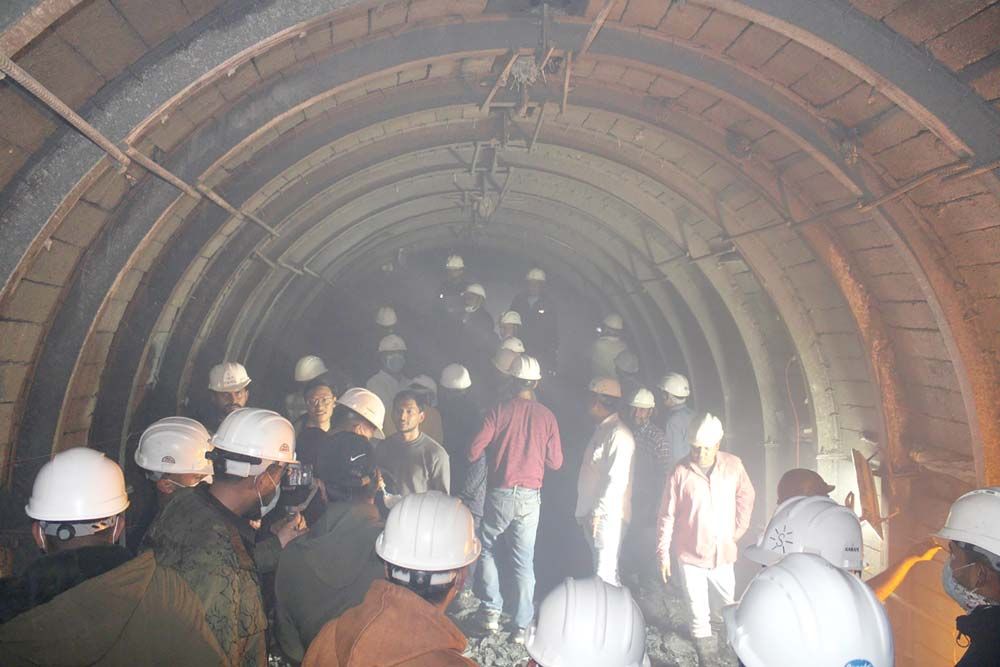
https://risingnepaldaily.com/news/39275
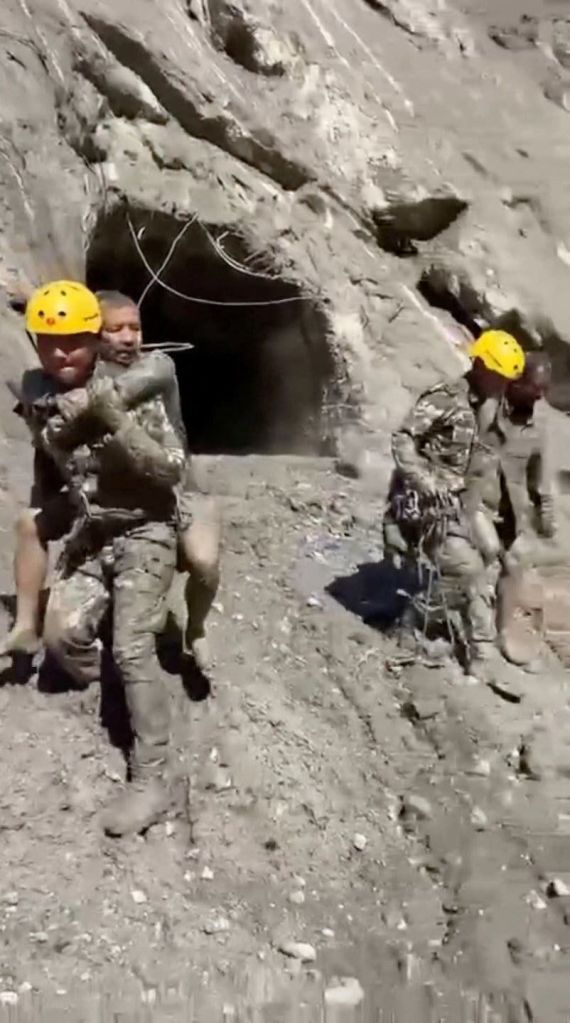
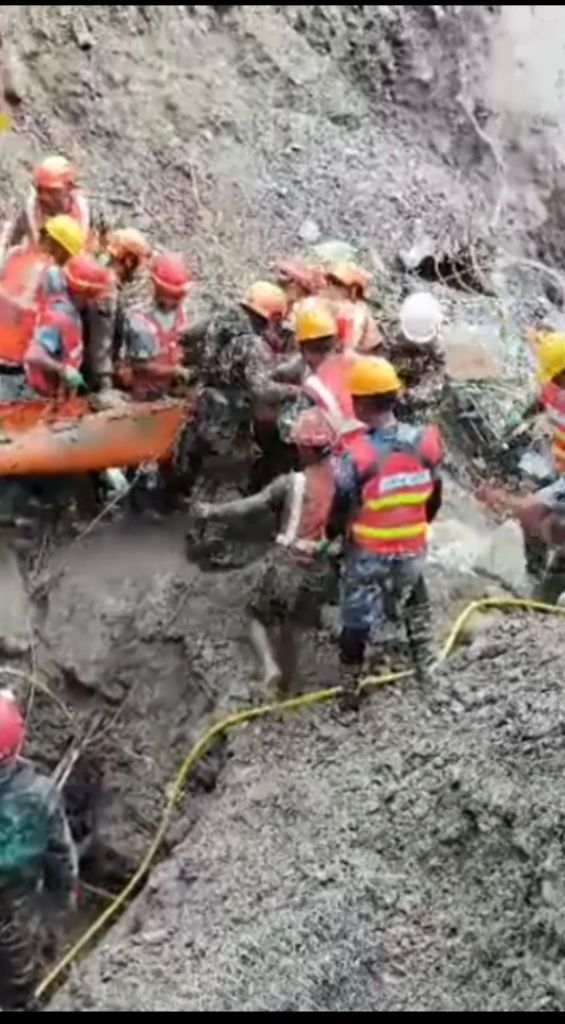
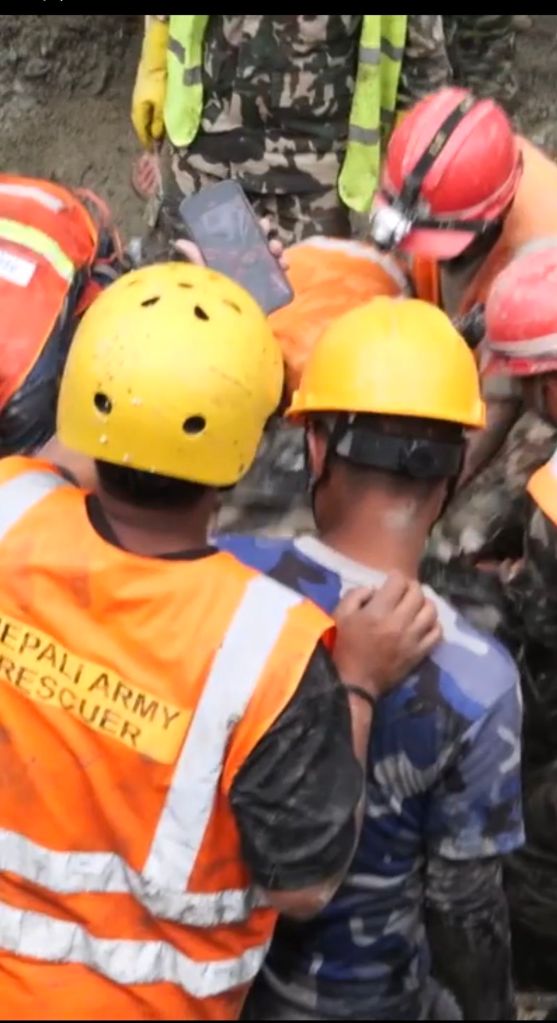
Rescues from workers by Nepal Army:
30 Aug 2026
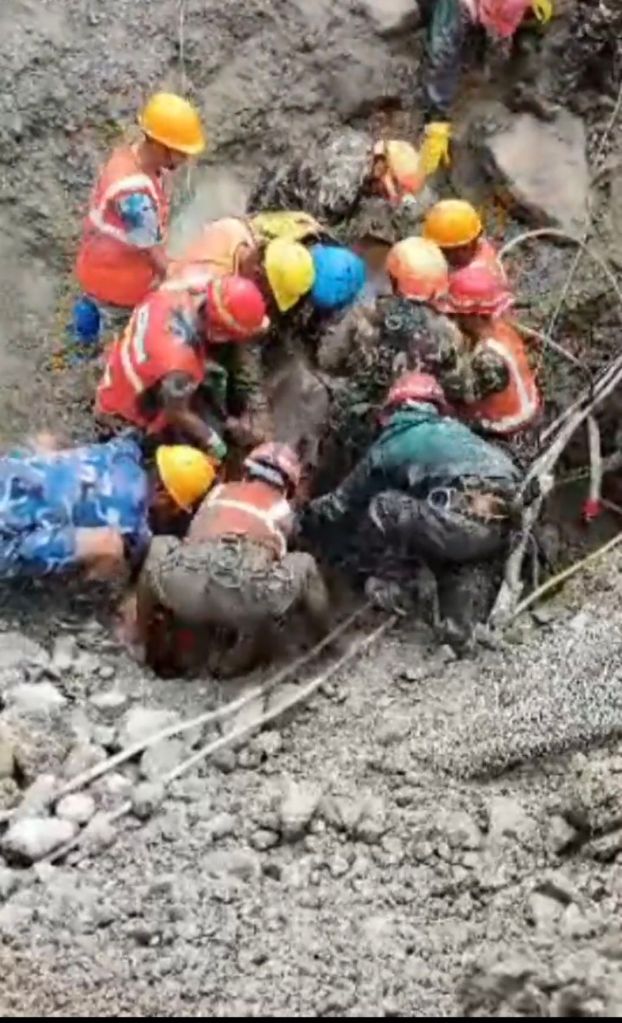
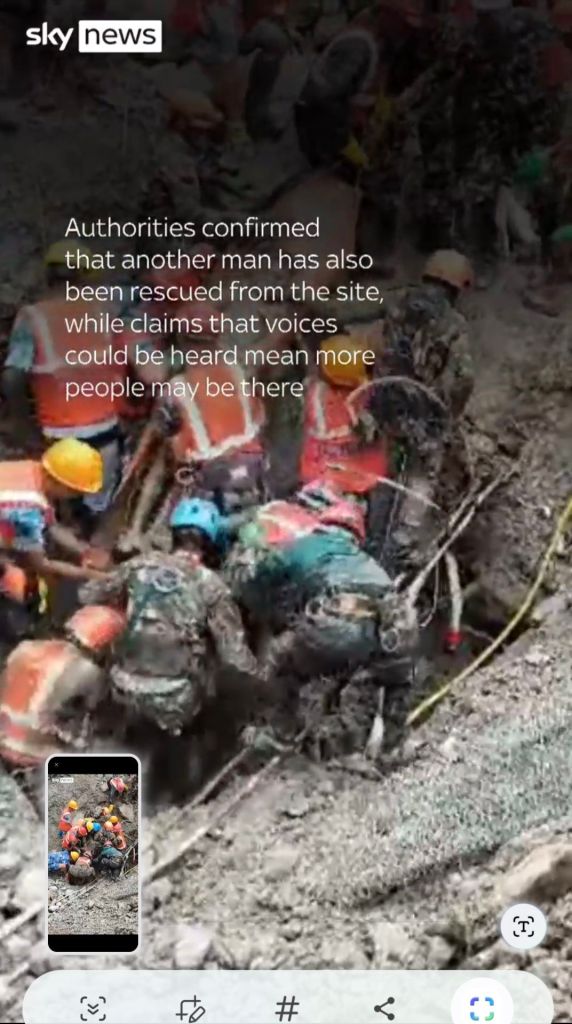
Nepali rescuers seeking to reach hydropower workers believed trapped in tunnels swamped by flood debris have resumed work after rain and rising river waters hampered efforts.
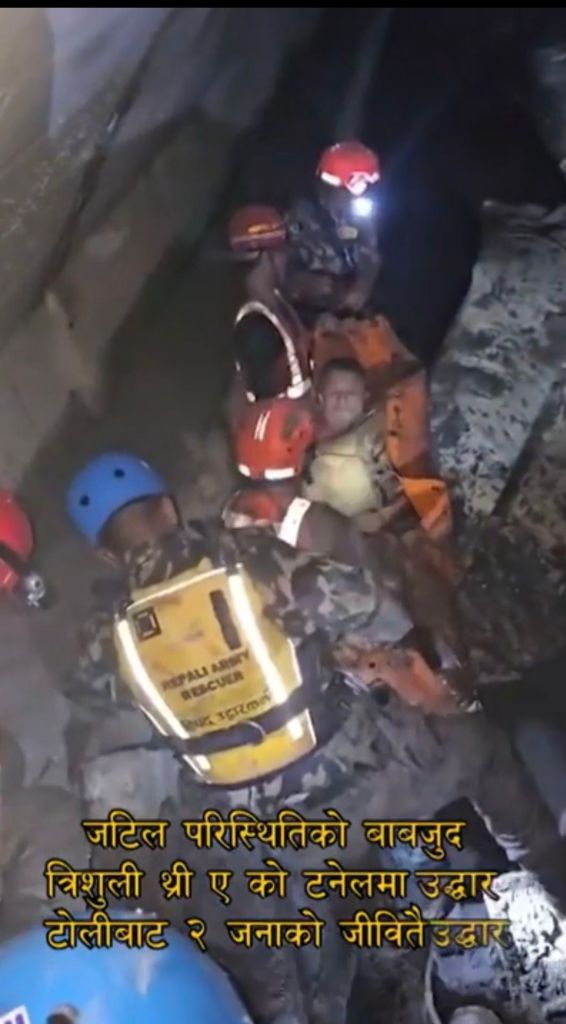
Nepal’s government says more than 100 workers may still be alive and trapped inside multiple tunnels at hydropower projects, with key rescue efforts focused on the Trishuli 3A and 3B sites.
Could have been 900 workers in the tunnels at the time of the flood.
Nepal flood disaster: 900-plus hydropower workers among 3,000 still missing
KATHMANDU Sun, 30 Aug 2026
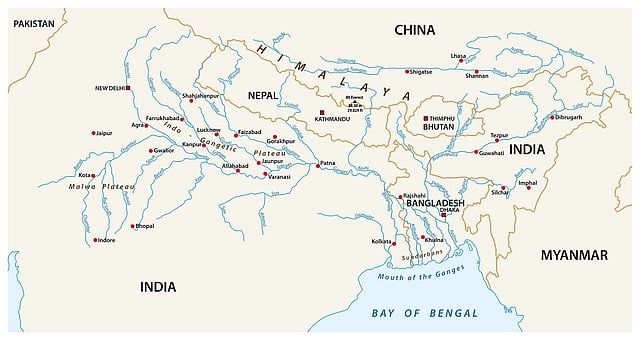
Nepal’s disaster authorities have identified 933 hydropower workers among those missing, with rescuers racing against time to reach workers believed to be trapped inside tunnels at several power projects in the Rasuwa and Nuwakot districts.
The number is particularly significant because many of the affected hydropower projects are either operational or under construction, and workers were inside tunnels and other underground facilities when the floodwaters and huge volumes of mud and debris struck.
At the Upper Trishuli 1 hydropower project, 350 of 576 people initially reported missing had been rescued by Saturday, while 93 remained unaccounted for at the Rasuwagadhi project. Another 42 were missing from the Langtang Khola project, 158 from Upper Trishuli 3B and 42 from Upper Trishuli 3A, according to information available to rescuers. Officials have warned that the actual number could be higher because some construction projects may have workers who were not formally registered.
The immediate priority is to determine how many of those still missing are alive inside the tunnels.
An 11-member Indian rescue and medical team, including specialists experienced in tunnel operations, has arrived in Nepal to support the effort. India has also been sending relief supplies and other assistance as the scale of the catastrophe has become clearer.
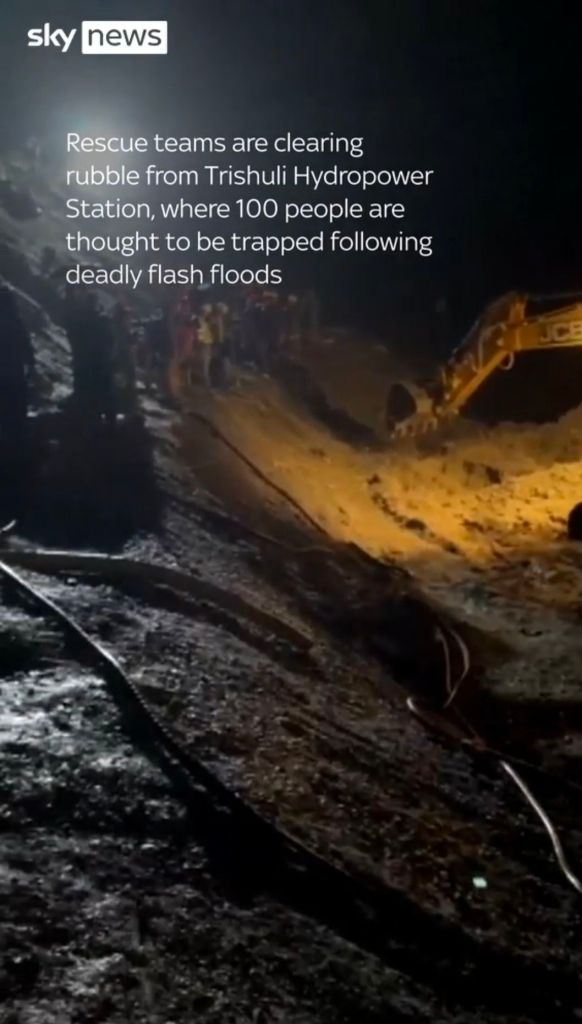
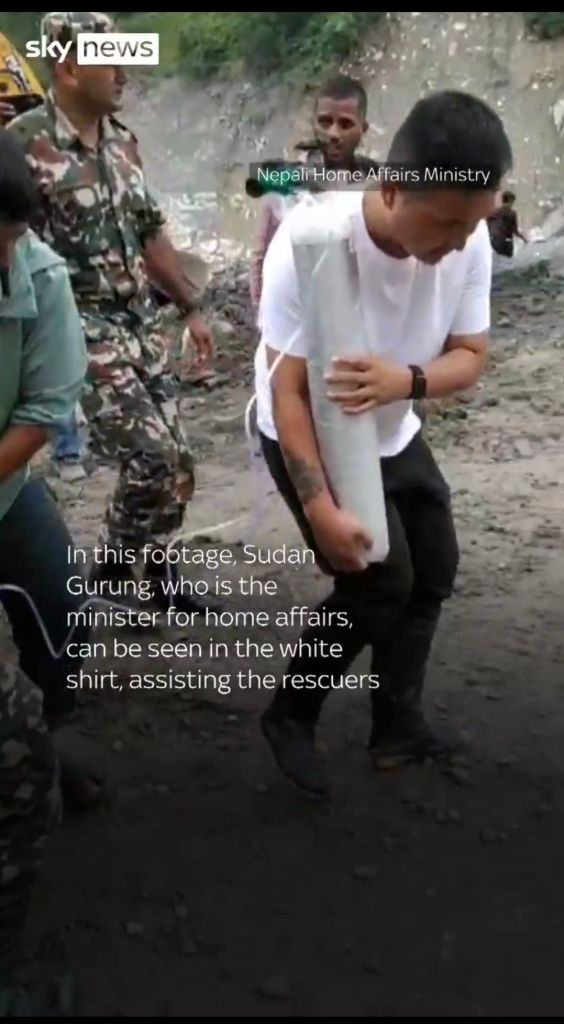
Rescuers determination has resulted in success:
The importance of early warning systems:
- The claim that the Trump administration’s Department of Government Efficiency cut funding for a U.S. Agency for International Development and NASA program in early 2025 that provided early warning for floods in Nepal is still under investigation.
- The rumor stems from X posts by Jeremy Konyndyk, a former Biden- and Obama-era USAID official, about the SERVIR program, which he wrote carried out “flood prediction, early warning, disaster readiness, glacier inventories, and mapping dangerous glacial lakes” in Nepal.
- According to the SERVIR program’s website in the Hindu Kush Himalaya region, which includes Nepal, the program had “concluded” in January 2025. Snopes could not independently verify whether the program ended because DOGE pulled USAID/NASA funding or for another reason.
Because the program ended before the deadly August 2026 floods, it’s impossible to say whether increased monitoring or an early-warning system could have enabled evacuations or saved lives.
https://www.snopes.com/news/2026/08/31/usaid-doge-cuts-nepal-flood/
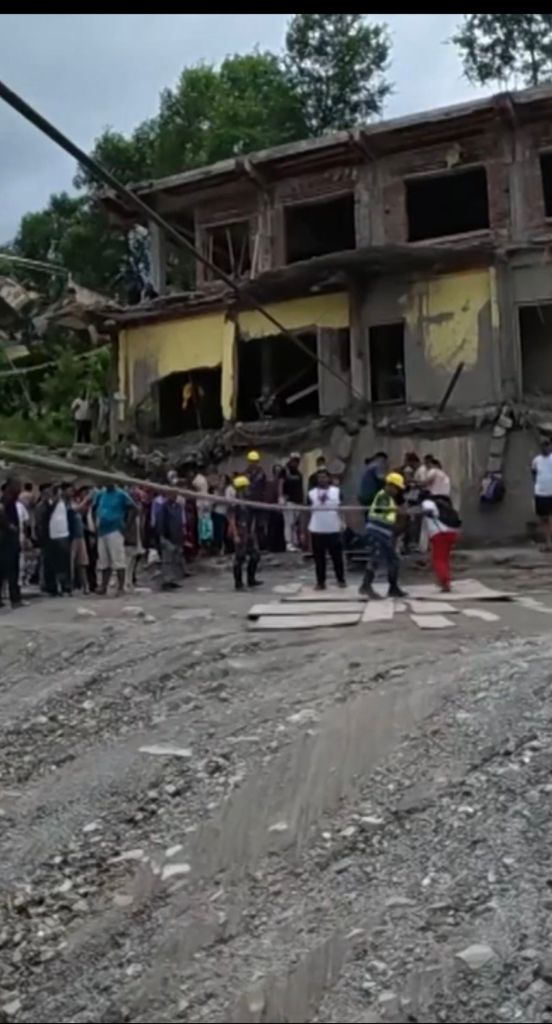
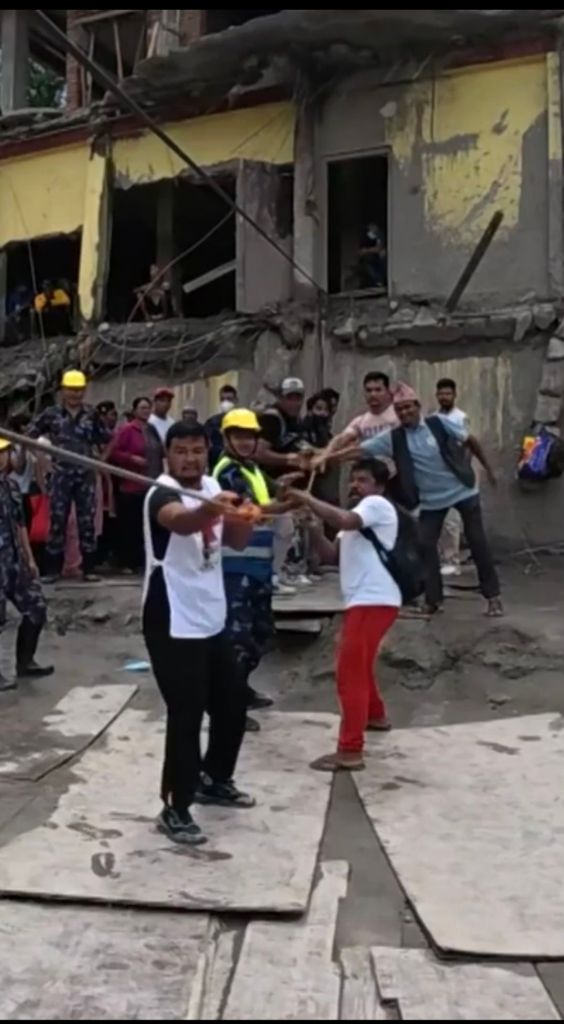
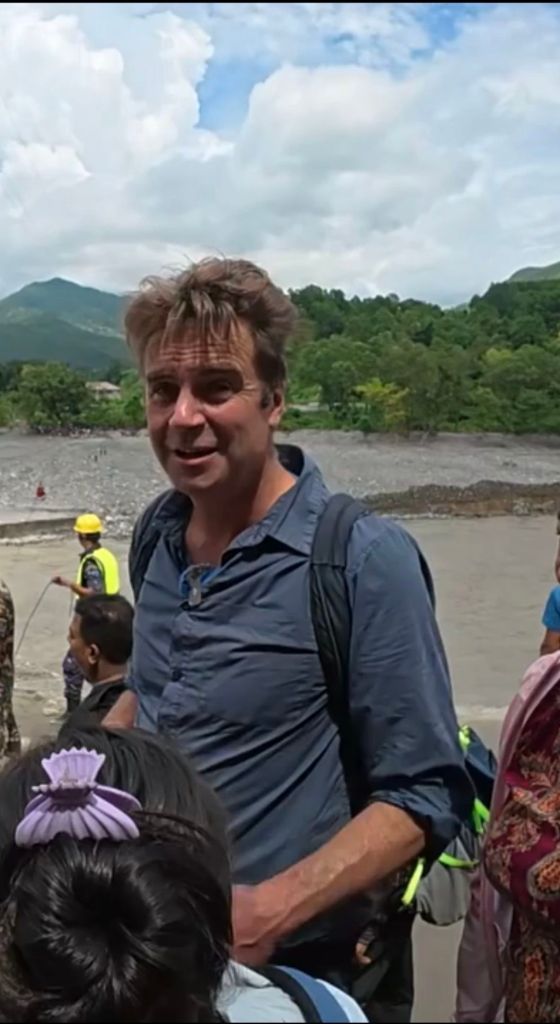
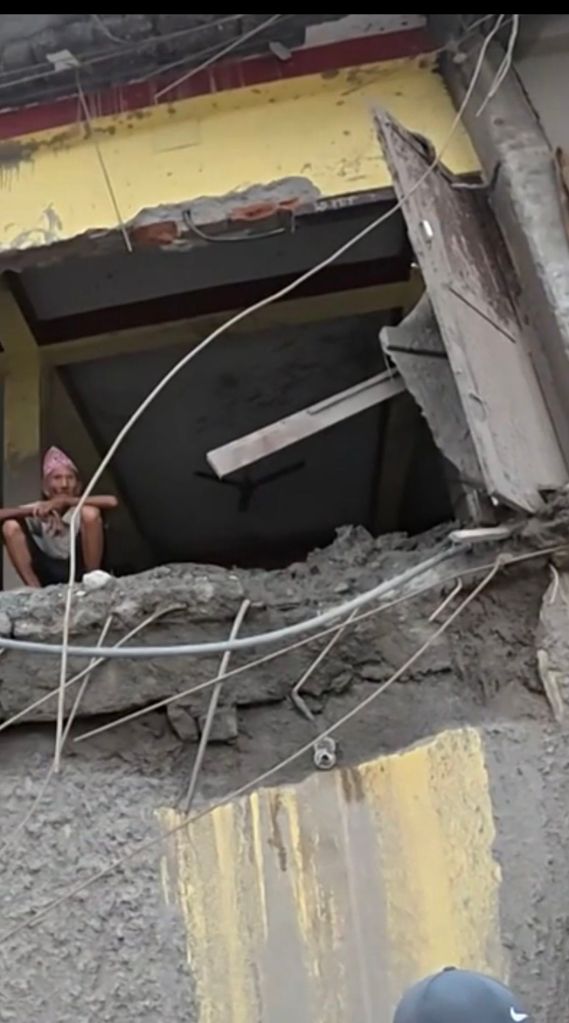
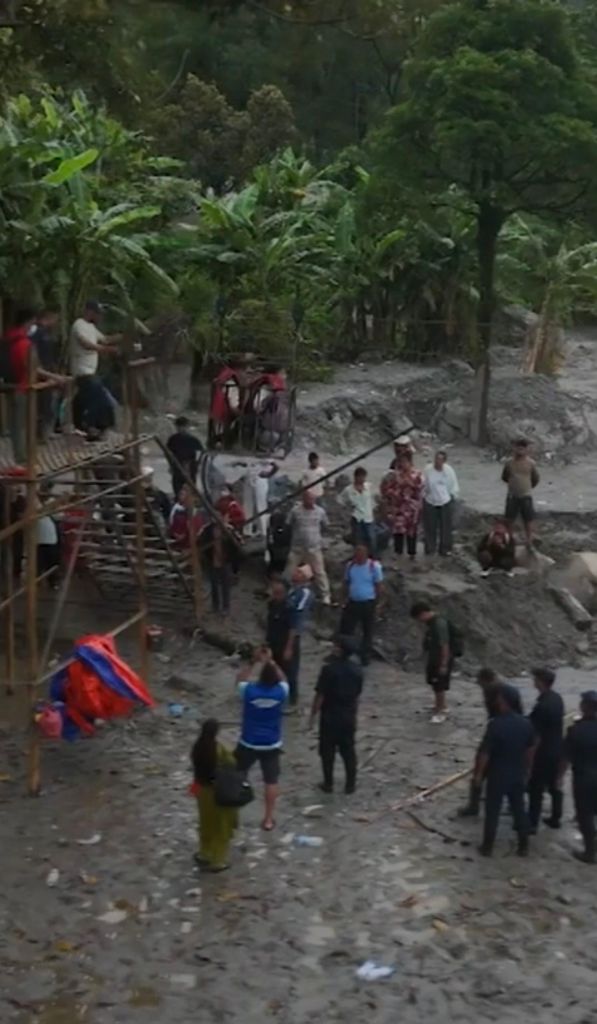
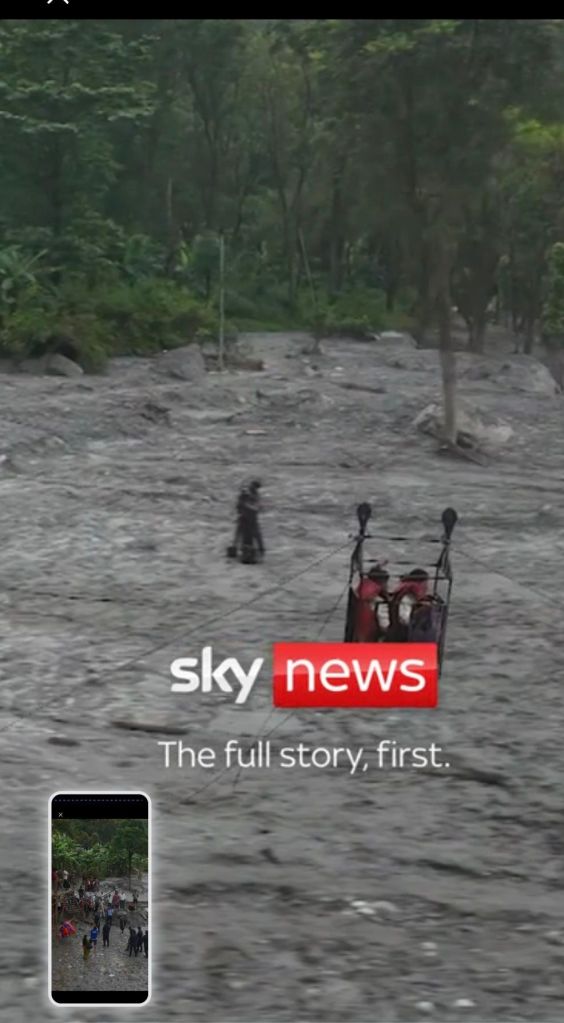
More images of courageous rescues and ingenuity using zip wire across forbidding water below:


You must be logged in to post a comment.