Mali: Russian mercenaries suffer major military blow
Mouhamadou Kane | Wendy Bashi07/30/2024July 30, 2024
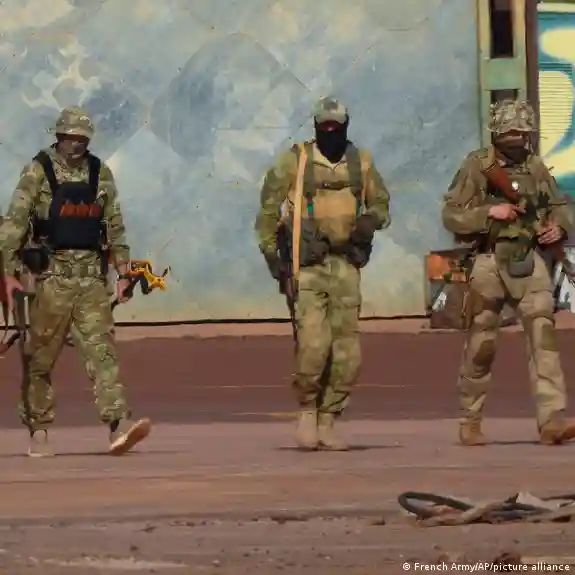
The Wagner Group has suffered one of its heaviest losses in Mali after Tuareg separatist militants reportedly killed or captured several dozen fighters from the Russian mercenary group.
Dozens of Russian mercenaries have apparently been killed in Mali by Tuareg separatistsImage: French Army/AP/picture alliance
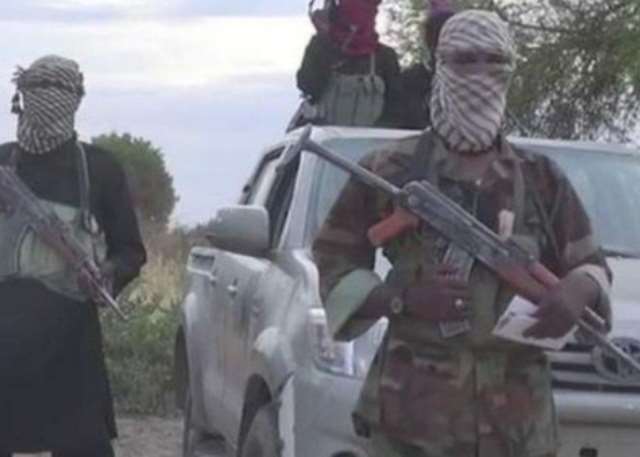
JNIM, Al-Qaeda, and the Tuareg FLA: Captured Malian Soldiers as Bargaining Chips
Disclaimer: “The views expressed in this article are the author’s own and do not necessarily reflect ModernGhana official position. ModernGhana will not be responsible or liable for any inaccurate or incorrect statements in the contributions or columns here.” Follow our WhatsApp channel for meaningful stories picked for your day.
In Mali, Tuareg rebels and the al-Qaeda-linked jihadist group JNIM attacked a convoy of mercenaries from the Russian Defense Ministry’s “African Corps,” along with Malian soldiers, AFP and Reuters reported.
The convoy escorting more than 200 Russian fighters and more than 100 Malian soldiers was heading toward the northern town of Anefis, according to Reuters. A contingent of Russian mercenaries and Malian troops continues to hold a military base in the rebel-held town.
Anefis is critical to holding the strategically important city of Kidal, located roughly 100 kilometers (62 miles) away and controlled by Tuareg groups, AFP said.
Russia’s “African Corps,” run by the Defense Ministry, supports Mali’s armed forces in their fight against Tuareg rebel groups, which have long sought to establish their own state in the north of the country.
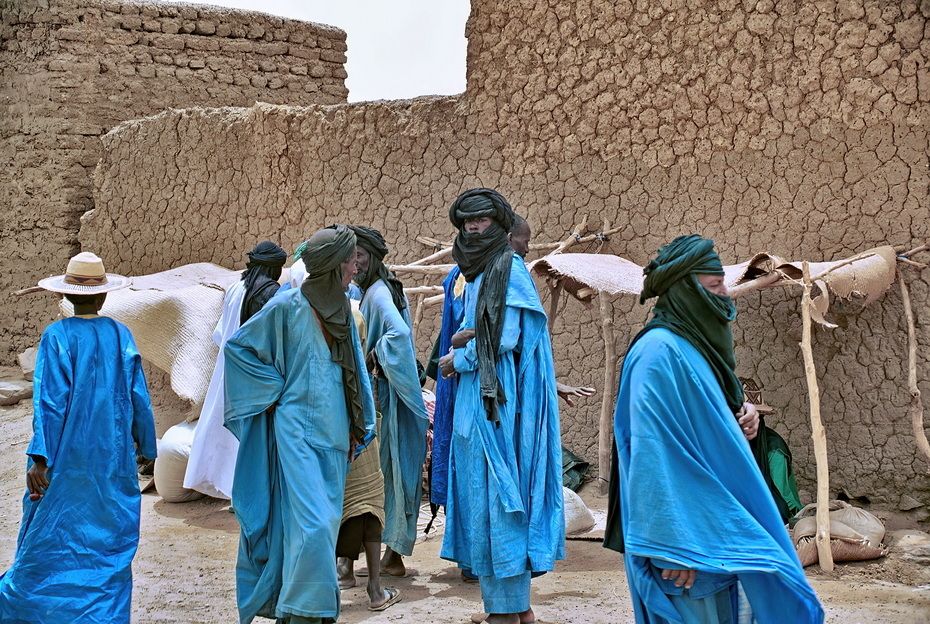
Tuareg, Berber-speaking pastoralists who inhabit an area in North and West Africa ranging from Touat, Algeria, and Ghadames, Libya, to northern Nigeria and from Fezzan, Libya, to Timbuktu, Mali. Their political organizations extend across national boundaries. In the 2010s there were estimated to be more than two million Tuareg.
The northern Tuareg live mainly in true desert country, whereas the southerners live primarily in steppe and savanna. The Tuareg consist of confederations including the Ahaggar (Hoggar) and Azjer (Ajjer) in the north and the Asben (Aïr Tuareg), Ifora, Itesen (Kel Geres), Aulliminden, and Kel Tademaket in the south. The southerners breed zebu cattle and camels, some of which are sold to the northern Tuareg. Raiding of caravans and travelers was important in pre-European times, as was caravan trading, which declined with the introduction of motor vehicles. Droughts across southern Mauritania, Senegal, Niger, Burkina Faso (Upper Volta), and Chad in the 1970s and ’80s both reduced the numbers of the southern Tuareg and eroded their traditional pastoral way of life.
July 21, 2026 (KHARTOUM) – Sudan said on Tuesday that the Yemeni Houthi group’s declaration of a naval blockade on Saudi ports poses a direct threat to Red Sea navigation, expressing full support for any security measures taken by Riyadh.
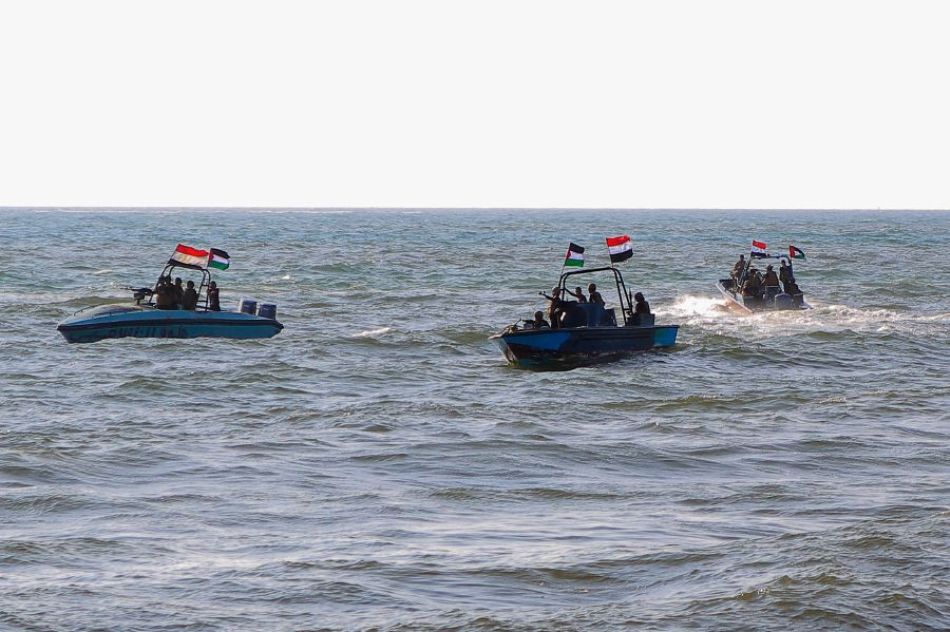
The Iran-aligned Houthis said on Tuesday that they forced six ships in the Red Sea to turn back after threatening to target vessels that fail to comply with their announced maritime ban against Saudi Arabia.
Houthi-run media quoted a military source saying six vessels turned around over the past 24 hours following warnings issued by the group amid escalating regional tensions.
Reuters reported that two oil tankers carrying Saudi cargoes bound for Asia altered course in the Red Sea on Tuesday following Houthi threats and headed toward the Suez Canal.
Sudan’s Ministry of Foreign Affairs said in a statement that the government is “deeply concerned regarding statements issued by the Houthi militia regarding the imposition of a naval blockade on Saudi ports, which poses a direct threat to Red Sea maritime navigation and harms the security and economic interests of coastal states.”
The statement reaffirmed Sudan’s full backing for Riyadh’s right to take all necessary security measures to ensure the safety and operation of its ports and safeguard Saudi national security.
The foreign ministry noted that the Houthi militia’s actions undermine security and stability in the Gulf region and Red Sea coastal states, carrying dangerous implications for broader regional security.
Sudan called on the Houthi movement to refrain from any actions targeting Saudi ports or other Red Sea coastal facilities.
It urged the regional and international community to exert further pressure and implement measures to combat and eliminate the activities of terrorist militias across the region.
The Red Sea is one of the world’s most vital maritime corridors, accounting for 10% to 15% of global sea trade alongside significant container and oil traffic, making disruptions a direct risk to international trade and energy markets.
Retired, living in the Scottish Borders after living most of my life in cities in England. I can now indulge my interest in all aspects of living close to nature in a wild landscape. I live on what was once the Iapetus Ocean which took millions of years to travel from the Southern Hemisphere to here in the Northern Hemisphere. That set me thinking and questioning and seeking answers.
In 1998 I co-wrote Millennium Countdown (US)/ A Business Guide to the Year 2000 (UK) see https://www.abebooks.co.uk/products/isbn/9780749427917






You must be logged in to post a comment.