As the US Treasury suffers a cybersecurity breach, its chief tech guy vibecodes a Civilization clone
Story by Lincoln Carpenter
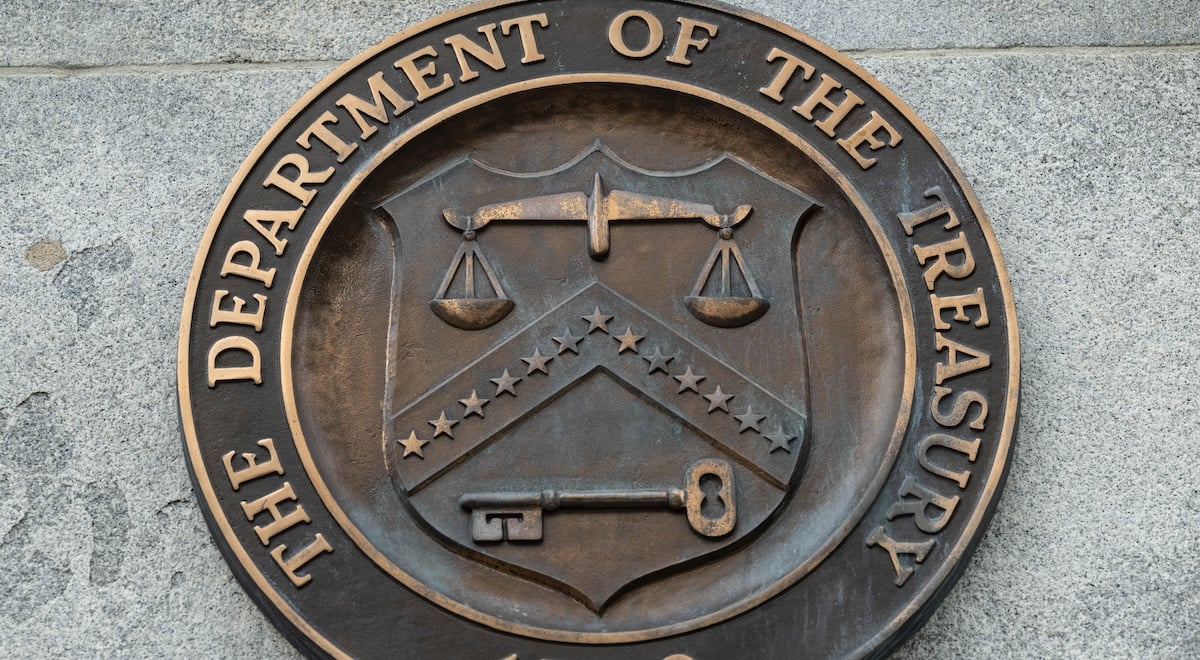
This week, amidst ongoing service disruptions, the US Treasury Department’s Financial Crimes Enforcement Network (FinCEN) disclosed that it is “investigating a cybersecurity incident that resulted in unauthorized access to a limited subset of its systems.” The bureau, which collects and analyzes transaction data to combat financial crimes, says it has taken some of its e-filing systems offline “as a proactive measure.”
And
Treasury CIO Is Vibe Coding a ‘Civilization’ Clone During Treasury Department Hack
Sam Corcos joined the U.S. Treasury Department in 2025 as a special adviser through DOGE and became its chief information officer. He previously co-founded Levels, a metabolic-health technology company. Wikipedia fedscoop.com
Hack of FinCen
The U.S. Treasury’s FinCEN is investigating unauthorized access to a limited subset of its systems and took some systems offline as a precaution. Its Bank Secrecy Act e-filing website remains operational, though some services may be unavailable; certain reporting deadlines were extended to December 30, 2026. federalnewsnetwork.com Yahoo
The Treasury and Crypto:
Last Updated: November 22, 2026
The CLARITY Act, formally the Digital Asset Market Clarity Act of 2025 (H.R. 3633), is a U.S. crypto market structure bill that would split oversight of crypto markets between the Commodity Futures Trading Commission (CFTC) and the Securities and Exchange Commission (SEC).
The House passed it on July 17, 2025, but on September 15, 2026 a Senate procedural vote to take it up failed 49 to 50, 11 votes short of the 60 needed. As of November 22, 2026, no new vote had been held, and the bill is not law. If it is not enacted before the new Congress begins on January 3, 2027, it would have to be introduced again.
Crypto investors often hear about the bill as a possible catalyst for tokens such as XRP. This guide explains what it would change, how it differs from the GENIUS Act stablecoin law, why the Senate vote failed and what could happen next.
Six senators push Treasury to protect state-regulated stablecoin issuers
Story by Natasha Ahmed
• 1w
treasury-sec-scott-bessent
The Treasury Department is being urged by six U.S. senators to provide state-regulated stablecoin businesses with the same regulatory safeguards that are suggested for businesses applying for federal permission.
Why rising T-bill yields could drive cash from stablecoins to tokenized funds
Story by Giuseppe Ciccomascolo
• 6d
Key Takeaways
Stablecoin supply has tended to fall as T-bill yields rise.
Tokenized money market funds offer Treasury income on-chain as they hold $17.1 billion in assets, equivalent to about 6% of stablecoin supply.
DefiLlama found a median yield of 4.07% across 98 pools, compared with 4.17% for three-month bills.
Higher US Treasury bill yields could pull cash out of stablecoins and into tokenized money market funds, giving crypto investors a way to earn interest while keeping their dollars on-chain.
Retired, living in the Scottish Borders after living most of my life in cities in England. I can now indulge my interest in all aspects of living close to nature in a wild landscape. I live on what was once the Iapetus Ocean which took millions of years to travel from the Southern Hemisphere to here in the Northern Hemisphere. That set me thinking and questioning and seeking answers.
In 1998 I co-wrote Millennium Countdown (US)/ A Business Guide to the Year 2000 (UK) see https://www.abebooks.co.uk/products/isbn/9780749427917





You must be logged in to post a comment.