With the effective closure of the Strait of Hormuz, I wondered how much the medical field could be impacted. Alter AI assisted with this inquiry.
The closure of the Strait of Hormuz in early 2026 has exposed the fragility of global health supply chains by highlighting how deeply key pharmaceutical and medical manufacturing inputs depend on this narrow maritime corridor. The Strait handles about 20% of global petroleum and liquefied natural gas flows, which serve as the chemical and energy backbone for pharmaceutical and medical supply manufacturing worldwide. Crude-derived intermediates such as naphtha, methanol, and other petrochemical feedstocks are refined into solvents, reagents, and packaging materials used to manufacture active pharmaceutical ingredients (APIs), excipients, and sterilization agents. With much of this petrochemical traffic now halted, production costs and logistics bottlenecks have surged across Asia and beyond.
India—responsible for nearly 40% of global generic drug supply—is acutely exposed: over six percent of its pharmaceutical exports traverse Hormuz-bound routes, and many of its key starting materials rely on petrochemical derivatives originating in the Gulf. Furthermore, the U.S. Pharmacopeia has reported that over 58% of key starting materials for U.S.-approved APIs are sole-sourced from one country, primarily China or India, magnifying upstream vulnerability when Gulf energy inputs are disrupted. In parallel, Asian chemical producers dependent on Gulf naphtha report 70–80% feedstock exposure through Hormuz, and several have declared force majeure. Even non-pharmaceutical healthcare goods—like sterile packaging, medical plastics, and lab reagents—are affected, as polymers and resins used in their manufacture rely on Gulf-origin hydrocarbons.
Collectively, analysts estimate that roughly one-fifth to one-quarter of the world’s pharmaceutical and healthcare manufacturing ingredients are functionally dependent on feedstocks, energy, or shipping routes linked to the Strait of Hormuz. This concentration of critical inputs in a geopolitically volatile region underscores a deeper structural hazard: that modern medicine’s material foundations still flow through a single chokepoint.
Now is a good time to take stock of your prescription drugs, supplements, and preparedness in the case of domestic emergency such as a storm or flood. Many are considering the comprehensive Field Kit from The Wellness Company as an important resource to have on hand in times of uncertainty.
15:36, Thu, Mar 19, 2026 Updated: 15:54, Thu, Mar 19, 2026
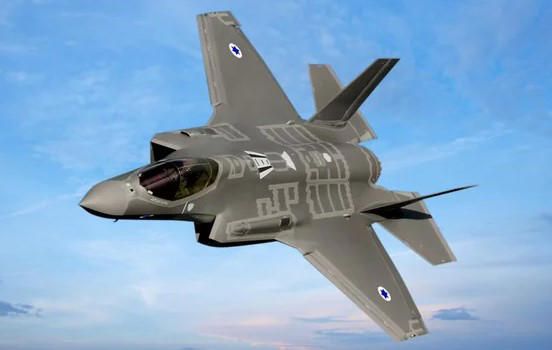
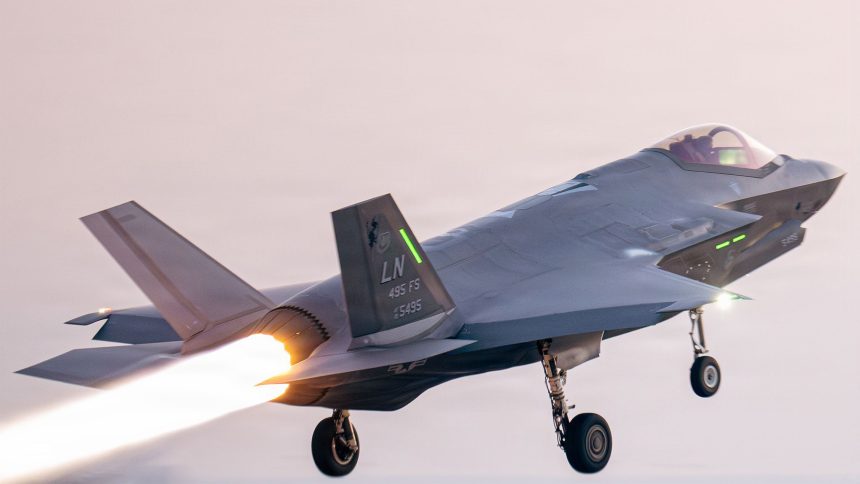
CNN’s Haley Britsky reports: “A US F-35 fighter jet made an emergency landing at US air base in the Middle East after it was struck by what is believed to be Iranian fire, according to two sources familiar with the matter tell me and CENTCOM spox Capt. Tim Hawkins confirmed that an F-35 made the landing safely after flying a combat mission over Iran and that the pilot is in stable condition.
Another report:
U.S. F-35 Makes Emergency Landing After Allegedly Being Hit by Iranian Fire – Reports
The initial cost of the F-35A varies depending on the number of aircraft purchased, the specific contracts negotiated, and any additional options or modifications that may be included. As of the latest data, the unit cost for a single F-35A is approximately $80 million.
The F-35A’s operational cost is estimated at approximately $30,000 per flight hour. This figure takes into account:
Fuel: The fuel consumption of an F-35A, which is significant due to its powerful engine and high-speed capabilities.
Maintenance: The ongoing maintenance and service that are necessary to keep the aircraft in top condition, including parts replacement, repairs, and software updates.
Personnel: The cost of the crew and support staff who operate and maintain the aircraft.
When compared to other fighter jets in its class, the F-35A’s operational costs are on the higher end, but its advanced technology and capabilities are designed to justify these expenses. Additionally, as the fleet grows and maintenance and operational processes become more streamlined, these costs are expected to decrease over time.
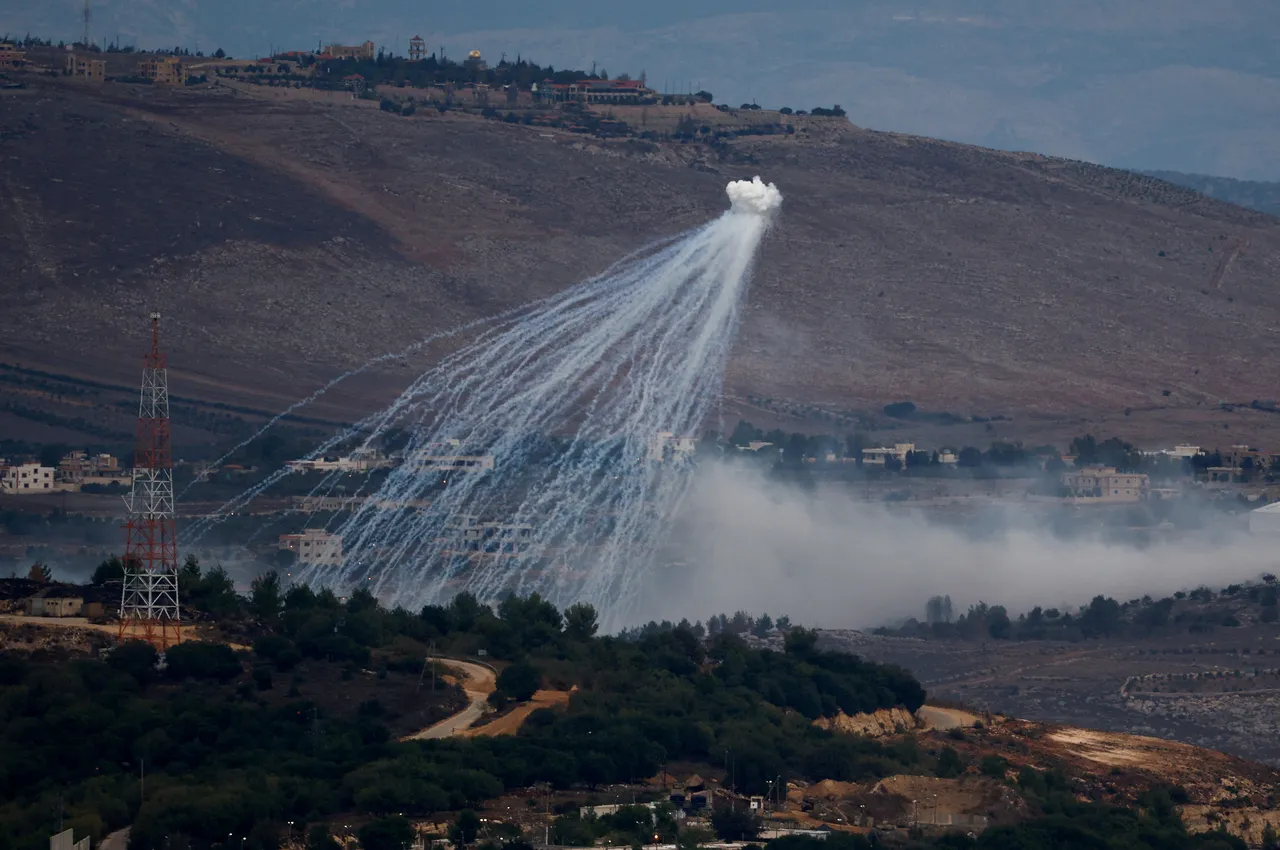
Israel’s unlawful use of white phosphorus in new Lebanon attacks ‘extremely alarming’: Rights group
Authorities have over the past years accused Israel of using controversial white phosphorus rounds, in attacks authorities say have harmed civilians and the environment.
ShareWhite phosphorus can be used to create smokescreens and to illuminate battlefields. / Reuters
March 9, 2026
Israel has “unlawfully” used white phosphorus over residential parts of a southern Lebanese town last week, according to a new report by Human Rights Watch/
“The Israeli military unlawfully used artillery-fired white phosphorus munitions over homes on March 3 2026, in the southern Lebanese town of Yohmor,” the New York-based rights group said in a report on Monday.
HRW added that it “verified and geolocated seven images showing airburst white phosphorus munitions being deployed over a residential part of the town and civil defence workers responding to fires in at least two homes and one car in that area”.
White phosphorus, a substance that ignites on contact with oxygen, can be used to create smokescreens and to illuminate battlefields.
But the munition can also be used as an incendiary weapon and can cause fires, horrific burns, respiratory damage, organ failure and death.
Increasingly we learn of strikes on hospitals after Gazan health centres were decimated by Israeli strikes.
Like an earthquake: Inside Israel’s deadly strike on medical centre
Story by Bel Trew and Rana Najjar
• 2d
The Independent
Medical centre destroyed by Israeli missile in Lebanon
Current Time 0:15
/
Duration 1:16
The Israeli strike on the healthcare centre was so huge that it felt like an earthquake. Without warning, the missile tore through the four-storey building in southern Lebanon, punching open concrete floors, eviscerating every wall, and gouging out a multistorey crater in the ground.
The dozen medics based there, whose job it was to respond to the injured across 20 nearby villages, were finishing dinner. There was nowhere to hide.
Israel’s intensified military operations continue to threaten an already weakened health system, amidst worsening mass population displacement and acute shortages of food, water, medical supplies, fuel and shelter.
Four major hospitals in Gaza (Kamal Adwan Hospital, Indonesia Hospital, Hamad Hospital for Rehabilitation and Prosthetics, and European Gaza Hospital) have had to suspend medical services in the past week due to their proximity to hostilities or evacuation zones, and attacks. WHO has recorded 28 attacks on health care in Gaza during this period and 697 attacks since October 2023.
Only 19 of Gaza Strip’s 36 hospitals remain operational, including one hospital providing basic care for the remaining patients still inside the hospital, and are struggling under severe supply shortages, lack of health workers, persistent insecurity, and a surge of casualties, all while staff work in impossible conditions. Of the 19 hospitals, 12 provide a variety of health services, while the rest are only able to provide basic emergency care. At least 94% of all hospitals in the Gaza Strip are damaged or destroyed.
01 July 2025, Port Sudan, Sudan – Since the conflict in Sudan erupted in April 2023, the health system has come close to collapse, leaving millions without care. Health facilities have been devastated and many medical staff forced to leave. Yet amid all the destruction communities and health workers continue to work on the frontlines, providing what services they can.
From January to June 2025, the World Health Organization (WHO), in partnership with Sudan’s Federal Ministry of Health and the United Nations Development Programme (UNDP), reassessed Sudan’s progress towards Sustainable Development Goal 3 (SDG 3) targets. The reassessment was funded by the secretariat fund of the Global Action Plan on Healthy Lives and Well-being for All and conducted in liaison with the WHO Regional Office for the Eastern Mediterranean.
Data from the Health Resources Availability Monitoring System (HeRAMS) paint a sobering picture: 38% of health facilities are non-functional and only 14% of hospitals remain operational. In Khartoum, which once provided 70% of national health services, many hospitals have been destroyed or repurposed for military use.
The impact is profound. More than 4.9 million children under 5 suffer from acute malnutrition. Immunization coverage has collapsed from 90% to 51%, leaving millions of children vulnerable to vaccine-preventable diseases.
“The war has had a profoundly negative impact on child health services in Sudan, leading to increased mortality and morbidity among children,” said Dr Humayun Rizwan, Health Policy Advisor, Universal Health Coverage, WHO Sudan.
Over 1 million pregnant women need reproductive health services, yet many cannot access even the most basic care. Maternal mortality has risen by 30%, and skilled birth attendance has dropped from 85.9% to 77%.
Health workers continue to serve in makeshift clinics, often without pay or protection. Community volunteers and local NGOs have stepped in to deliver basic medicines, nutrition support and maternal care. In Kassala and Blue Nile states, pre-existing community health networks help sustain outreach and education efforts.
Projecting Sudan’s health trajectory through to 2036, the reassessment posits 3 scenarios – worsening, static and improving. In the absence of urgent action – the worsening scenario –mortality figures will continue to grow and the health system faces long-term collapse. But with stabilization, scaled up investments and sustained humanitarian access – the improving scenario – Sudan could recover some lost ground by 2030.
Oil and gas are finite resources formed from the remains of ancient organisms, and their availability is decreasing due to high global demand. Estimates suggest that oil reserves could last about 40 to 50 years at current consumption rates, while natural gas may last around 50 to 60 years. energytracker.asia infinity-renewables.
What is South Pars? The huge gas field raising the stakes of Middle East conflict
Iran shares the world’s largest natural gas reserve with it’s neighbour Qatar
Mark Ireland The ConversationWednesday 18 March 2026 16:17 GMT
Independent
Now:
Strike hits South Pars gas field, halts output at key refineries
Story by Agencies
• 3h
TEHRAN — A US-Israeli airstrike hit gas storage tanks at Iran’s South Pars field in the southern city of Asaluyeh on Wednesday, halting production at two refineries with a combined capacity of about 100 million cubic meters per day, Iranian media reported.
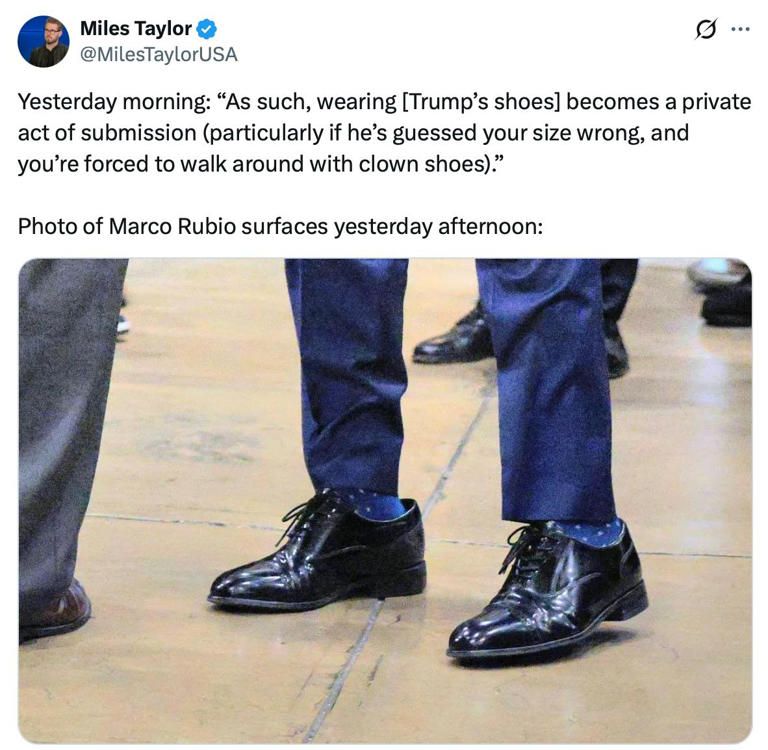
Marco Rubio roasted for wearing clown shoes Trump bought him
Story by Finn Hartnett
• 5d
Just one day after The Wall Street Journaldiscovered that Donald Trump was urging everyone in his presidential Cabinet to wear the same style of Florsheim shoes, Secretary of State Marco Rubio was caught red-footed in a pair of Florsheims about two sizes too big.
And Iran keeps its oil transiting from Kharg Island safely to its customers:
Iran still exporting millions of barrels of oil through Strait of Hormuz even as other traffic paralyzed
Story by Tim Lister, CNN
• 18h
If the United States assumed, before attacking Iran, that the major oil producer would be reluctant to close the Strait of Hormuz for fear of blocking its own oil exports, it miscalculated.
Ships near the Strait of Hormuz are broadcasting Chinese affiliations in an apparent bid to avoid attack, at a time when Iran’s new supreme leader vows to keep the strategic waterway closed.
If China sends ships to Strait of Hormuz (as requested by Trump) it will create safe passage because it will protect its friend, Iran.
Donald Trump has urged China, along with other nations, to send warships to the Strait of Hormuz to help secure this vital shipping route, which has been affected by Iran’s blockade. He emphasized the need for international cooperation to keep the strait open and safe for maritime traffic. Sky London Evening Standard
Depleting US stockpiles makes America vulnerable to those countries who hold larger stockpiles. Is this Putin’s long game?:
Trump administration and Democrats at odds over risk to US weapons stockpiles from Iran war
WASHINGTON (AP) — The U.S. and Israeli strikes on Iran have raised concerns among Democrats and others about diminishing American stockpiles of certain weapons, illustrating a long-standing production problem that some experts say could present challenges if another conflict emerges.
The Trump administration has repeatedly said American forces have all of the weapons they need to fight the Iran war, now in its second week. President Donald Trump posted Friday on social media that several defense contractors had agreed to quadruple production of weapons “as rapidly as possible,” although he did not detail the specific systems being manufactured.
Questions about the nation’s weapons stockpiles have grown as the U.S. campaign against Iran escalates, with many Democratic lawmakers arguing that Trump is waging a “war of choice.” Missile defense systems are under the most strain, according to experts, with Patriot and Terminal High Altitude Area Defense, or THAAD, interceptors in high demand in Ukraine and Israel, respectively.
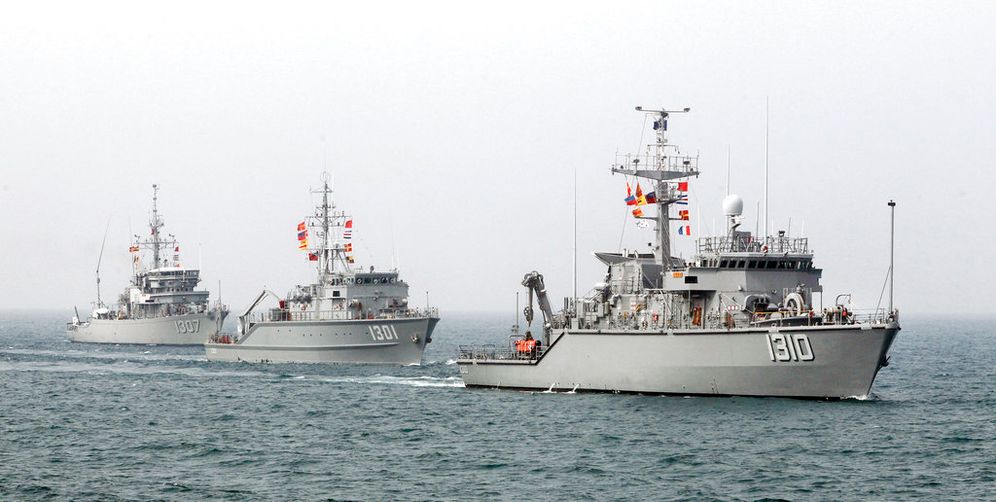
US Minesweeper ships were sent to Malaysia rather than stationed with US flotilla at start of Iraq war. This news gave Iran confidence to lay mines in the Strait of Hormuz.
US moves two Gulf-based minesweepers to Malaysia – report
Navy cites ‘logistical stop’ as concerns grow over Iran’s ability to disrupt key oil shipping route
i24NEWS
3 min read
March 17, 2026 at 05:10 AM
The US Navy said two of its three Gulf-based warships equipped with mine clearing capabilities have traveled roughly 4,000 miles to Malaysia for what it described as a “logistical stop,” according to a report by the Financial Times.
The redeployment comes amid growing concern over Iran’s ability to lay sea mines in the Strait of Hormuz, a critical maritime chokepoint through which about 20 percent of global oil exports pass. The risk of disruption to shipping in the waterway has raised alarm among governments and energy markets as oil prices soar and Iran threatens to continue using its control of the strait as economic leverage.
“The popular demand is to continue our effective defense and make the enemy regret. The lever of blocking the Strait of Hormuz must continue to be used,” said Iran’s new supreme leader Mojtaba Khamenei in a televised statement read out by an Iranian news anchor last week.
The vessels are part of a three-ship deployment assigned to the US Fifth Fleet in Bahrain. The ships were sent to the region last year to help secure maritime traffic and counter potential threats linked to tensions with Iran
Sobering thought: China could cut off supplies of essential metals for making US weapons:
Read distraction-free on Substack
America’s War on Iran Depends on Chinese Hardware
Missiles, fighter jets, drones, aircraft carriers, submarines—they all depend on critical metals controlled by Beijing.
Mar 12, 2026
4
3
America Is Waging War on Iran With Chinese Hardware
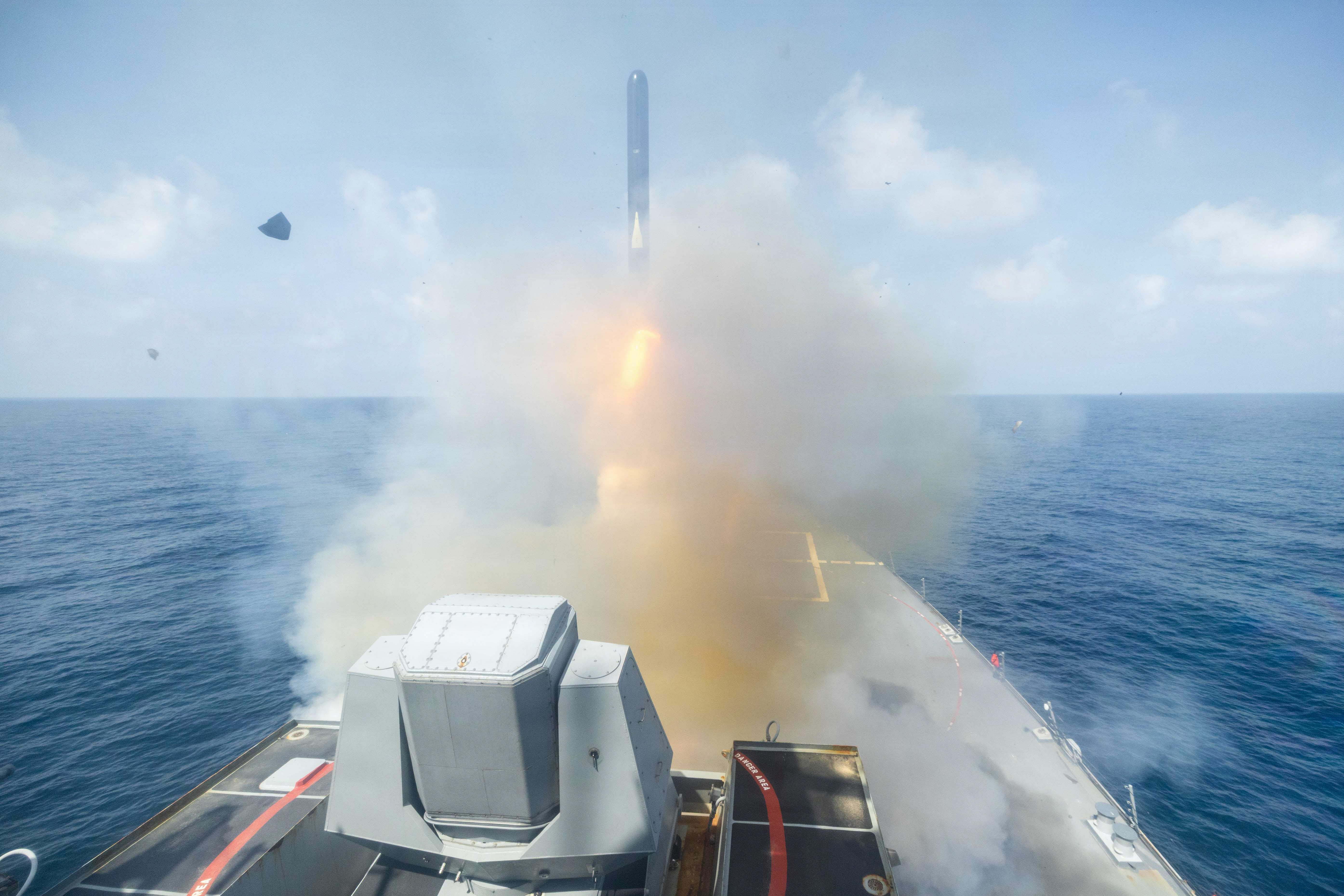
A Tomahawk missile fired at Iran from an American destroyer—loaded with Chinese components.
If you want to understand why critical metals are so important to the modern world, just look at the war on Iran. From fighter jets to missiles to drones, virtually every type of weapon the US is wielding—and the defensive systems it is using to thwart Iranian counterattacks—depend on components made with rare earths, lithium, nickel and other critical metals.
That fact, however, points up a major strategic vulnerability. Those components, and the metals from which they’re made, are almost all produced in a single country—and it’s not the United States, nor even one of its allies. As a recent report by Govini, an American defense analytics company, sums up: “From raw minerals to advanced weapon systems—from rock to rocket … America’s military superiority increasingly depends on China.”
There are countless Chinese-produced metals and parts embedded throughout hundreds of American weapons systems, but probably the most concerning are rare earth magnets. These bits of hardware perform a head-spinning variety of jobs in a wide range of weapons.
Missiles, whether offensive types like Tomahawk cruise missiles or defensive ones like those used in Patriot and THAAD interception systems, typically depend on rare earth magnets to move the control fins that steer the projectile to its target. “These magnets must be extremely powerful, compact, and resistant to heat and vibration,” notes Rare Earth Exchanges, an American research outfit. That means magnets made with the rare earth neodymium for strength, alloyed with dysprosium and terbium to increase resistance to heat and stress. Most precision-guided missiles also require neodymium magnets, or in some cases magnets made with samarium, another rare earth, for components used in target tracking and data-link stabilization.
Predator drones, Joint Direct Attack Munition ‘smart’ bombs, radar systems and other weapons also rely on rare earth magnets. So do the war machines that launch those weapons. According to the Pentagon, missile-firing destroyers, submarines, fighter jets, and bombers all require hundreds or thousands of pounds of rare earths.
Then there are good old lithium ion batteries, which are as ubiquitous in the military as they are in your own gadget-supported life. Many war-fighting drones, as I’ve written before, are powered by the same kind of batteries made of lithium, cobalt and nickel that are used in cell phones, laptops and dustbusters. So are military lasers, radios, night vision goggles and satellites.
A whole constellation of other metals are used in all manner of military gear. “Critical minerals such as aluminium, titanium, magnesium, and scandium form the structural backbone of drones,” says SFA-Oxford, a British consulting outfit. “Communication, electronics, and precise navigation systems depend on specialised materials like beryllium, gallium, germanium, and indium, whose unique properties ensure reliability, accuracy, and operational effectiveness.” According to Govini, “more than 80,000 parts across 1,900 weapon systems incorporate antimony, gallium, germanium, tungsten, or tellurium.” The list includes destroyers, aircraft carriers and nuclear missiles.
As I’ve said before: “You can probably guess why all of this is a problem. Who manufactures over 70 percent of the world’s batteries? Who makes more than 90 percent of the world’s rare earth magnets? Who produces most of the world’s gallium, indium, and other critical metals? China, China, and China.”
That means America’s war fighting capacity could be seriously hobbled if China were to cut off those supplies.
His resignation reflects unease within Trump’s base about the war and shows that questions about the justification for the use of force in Iran extend to the right of Trump’s base and to senior members of his administration.
A former political candidate with connections to right-wing extremists, Kent was confirmed to his post last July on a 52-44 vote (AP)
This is the letter in full:
President Trump,
After much reflection, I have decided to resign from my position as Director of the National Counterterrorism Center, effective today.
I cannot in good conscience support the ongoing war in Iran. Iran posed no imminent threat to our nation, and it is clear that we started this war due to pressure from Israel and its powerful American lobby.
I support the values and the foreign policies that you campaigned on in 2016, 2020, 2024, which you enacted in your first term. Until June of 2025, you understood that the wars in the Middle East were a trap that robbed America of the precious lives of our patriots and depleted the wealth and prosperity of our nation.
In your fist administration, you understood better than any modern President how to decisively apply military power without geting us drawn into never-ending wars. You demonsiratd this by killing Qasam Solamani and by defeating ISIS.
Early in this administration, high-ranking Israeli officials and influential members of the American media deployed a misinformation campaign that wholly undermined your America First platform and sowed pro-war sentiments to encourage a war with Iran.
This echo chamber was used to deceive you into believing that Iran posed an imminent threat to the United States, and that should you strike now, there was clear path to a swift victory.
This was a lie and is the same tactic the Israelis used to draw us into the disastrous Iraq war that cost our nation the lives of thousands of our best men and women. We cannot make this mistake again.
As a veteran who deployed to combat 11 times and as a Gold Star husband who lost my beloved wife Shannon in a war manufactured by Israel, | cannot support sending the next generation off to fight and die in a war that serves no benefit to the American people nor justifies the cost of American lives.
I pray that you will reflect upon what we are doing in Iran, and who we are doing it for. The time for bold action is now. You can reverse course and chart a new path for our nation, or you can allow us to slip further toward decline and chaos. You hold the cards.
It was an honor to serve in your administration and to serve our great nation.
Did Iranian missiles cause a fire on the USS Gerald R. Ford aircraft carrier? US Navy clarifies
The Trump administration had dispatched the USS Gerald R. Ford, the world’s largest aircraft carrier, from the Caribbean Sea to the Red Sea ahead of the initial strikes on the IR of Iran
After repeated plumbing issues, the USS Gerald R. Ford, the world’s largest aircraft carrier, has now reported a fire incident. The US Navy confirmed the incident but ruled out the blaze being caused in combat with Iran or its proxy groups.
Two US Navy sailors suffered burn injuries after the fire broke out on Thursday. The flames were detected and doused in the laundry section of the aircraft carrier. Neither sailor was seriously injured in the incident, US media reports quoted the Navy as saying.
A wise head gone:
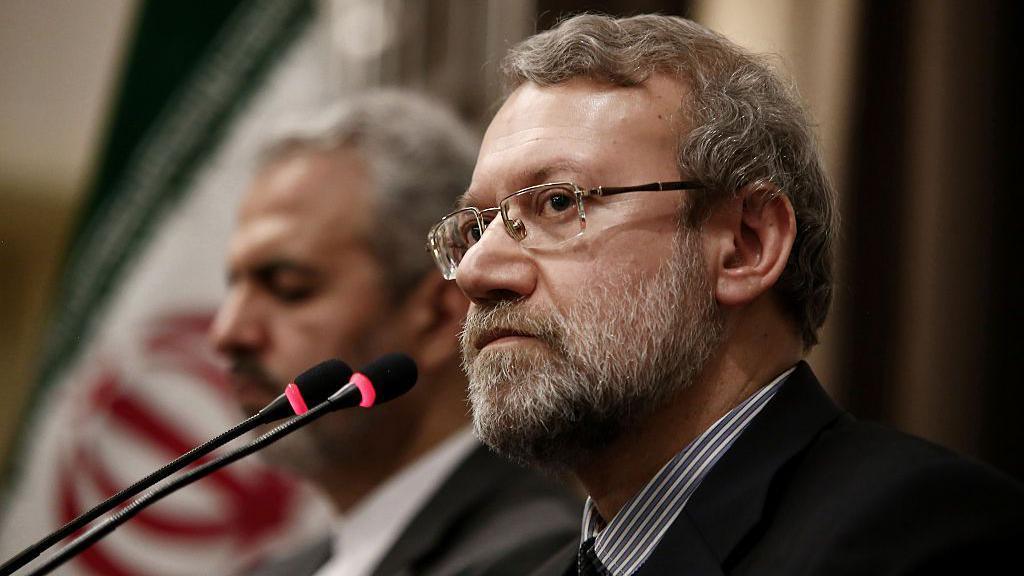
Death of Ali Larijani deepens crisis at heart of Iran’s leadership
Image caption,Larijani was viewed as one of Iran’s most influential political figures
ByAmir Azimi
BBC Persian
Published17 March 2026
Updated 4 hours ago
The Israeli air strike which killed Iran’s security chief, Ali Larijani, has removed one of the Islamic Republic’s most experienced and influential policymakers at a critical moment.
Larijani was not a military commander, but he was a central figure in shaping Iran’s strategic decisions.
As secretary of the Supreme National Security Council, he sat at the heart of decision-making on war, diplomacy, and national security.
His voice carried weight across the system, particularly in managing Iran’s confrontation with the United States and Israel.
After the killing of Supreme Leader Ali Khamenei on 28 February, Larijani struck a defiant tone, signalling that Iran was prepared for a long conflict.
His death, now confirmed by state media, comes amid a broader campaign in which several senior Iranian officials and commanders have been killed within a matter of weeks. This pattern suggests a sustained effort to weaken Iran’s leadership structure during wartime.
Despite his hardline stance against the West, Larijani was often described inside Iran as a pragmatist. He combined ideological loyalty with a technocratic approach, favouring calculated strategy over rhetoric.
He remained deeply sceptical of engagement with Western powers, but he was also involved in key diplomatic efforts, including acting as an envoy in Iran’s long-term co-operation agreement with China.
From BBC News
March 19, 2026, below is an extract from Substack,Michael D Sellers observation on recent Tulsi Gabbard hearing:
That is why Jon Ossoff’s exchange with Gabbard was so damaging. He did not let her hide behind procedural fog. He reminded her that she was at the worldwide threats hearing precisely to present the intelligence community’s assessment of threats, and he pointed out that her own opening statement said exactly that. When she insisted it was not the intelligence community’s responsibility to determine what is and is not an imminent threat, Ossoff answered with the obvious: “No, it is precisely your responsibility to determine what constitutes a threat to the United States.” Then he said what everyone watching could already see: she was evading the question because a candid answer would contradict the White House.
That is the real story of the hearing. Not merely that Democrats were angry. Not merely that there was a theatrical exchange. The real story is that the administration’s public legal-political justification and its intelligence presentation are no longer lining up cleanly in public view.
In fact, the contradiction was sharper than that.
Gabbard was perfectly willing to affirm two other points. She said it was the intelligence community’s assessment that Iran’s nuclear enrichment program had been “obliterated” by last summer’s strikes. She also said it was the intelligence community’s assessment that there had been no effort since then to rebuild that enrichment capability. But when Ossoff asked the obvious follow-up — if that was the assessment, then was it also the assessment that Iran nevertheless posed an imminent nuclear threat — Gabbard refused to answer.
That sequence matters because it strips away one common defense of the administration: that the truth is all hidden inside classified material the public cannot see. Wednesday’s hearing did not look like an official prevented from speaking. It looked like an official willing to make the statements that helped the White House and unwilling to make the one statement that would have tested the White House’s core rationale.
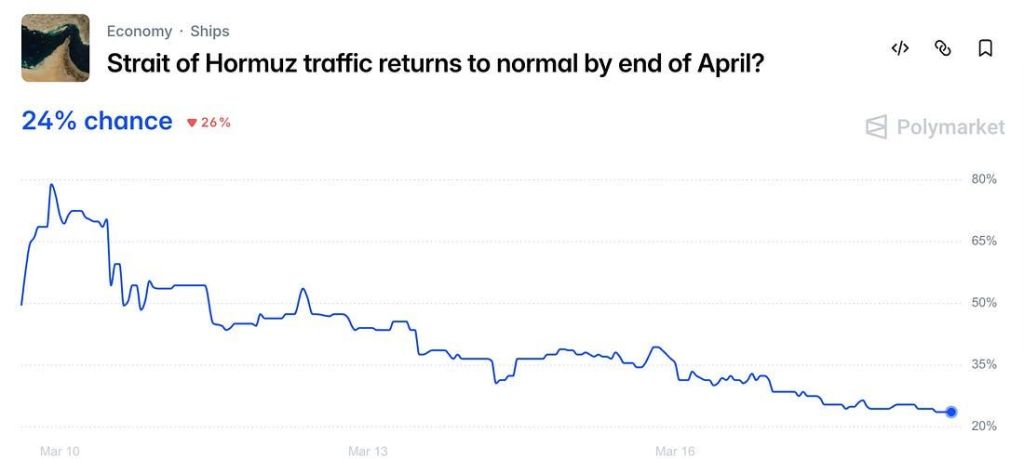
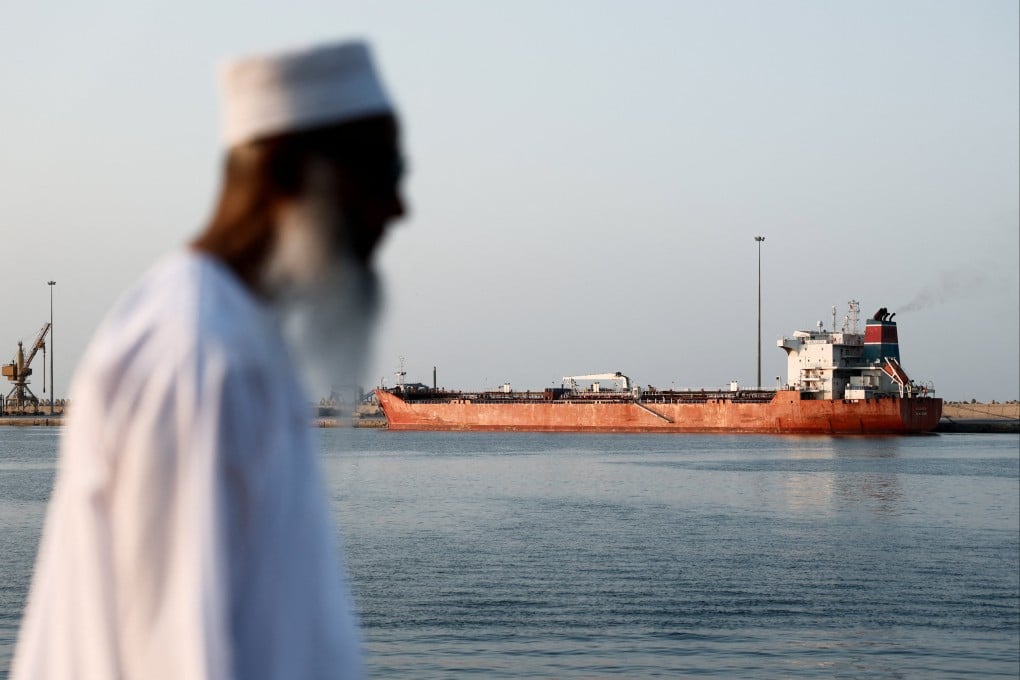
Iran effectively closed the strait to US and allied vessels starting March 2, 2026, following US-Israeli airstrikes on Iran. Iran is permitting selective passages for non-aligned nations (India, Turkey, China) while attacking Western-aligned vessels. Traffic has dropped to near-zero with only handful of transits daily.
Elsewhere reports:
Over 350 ships stranded as Hormuz crisis sparks global supply, inflation fears
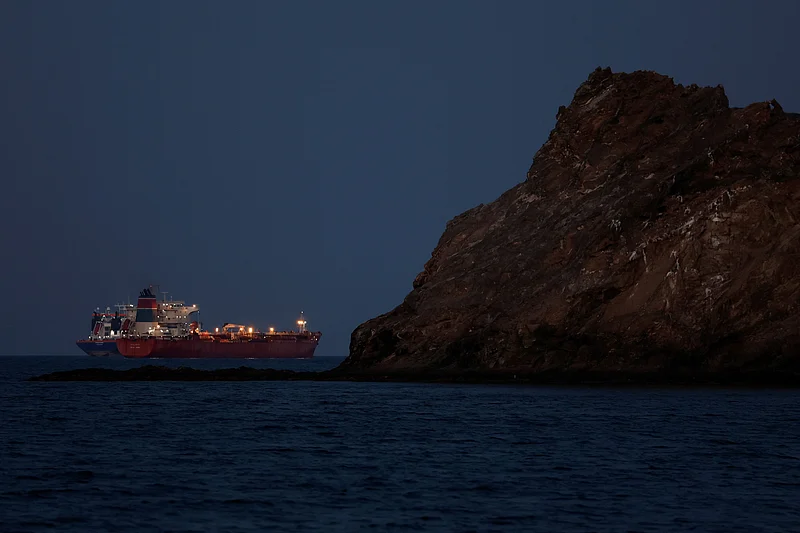
A tanker sits anchored as the traffic is down in the Strait of Hormuz, amid the U.S.-Israeli conflict with Iran, in Muscat, Oman.. Photo: Reuters
In the UAE, Jebel Ali Port has emerged as a temporary refuge for dozens of ships, while others remain anchored offshore awaiting security clearance or insurance coverage
Dubai’s flagship maritime gateway, Jebel Ali Port, remains fully operational despite a decline in inbound vessel traffic as regional maritime conditions continue to affect shipping routes through the Gulf.
Port operator DP World confirmed that the port’s infrastructure has not sustained damage and that operations across terminals are continuing normally.
However, incoming vessel calls have decreased as shipping lines adjust schedules and routing decisions amid ongoing regional tensions affecting maritime corridors.
Rerouting measures
DP World stated that contingency planning and operational adjustments are underway to ensure supply chain continuity despite reduced vessel arrivals.
Group CEO Yuvraj Narayan indicated that the company is implementing regional rerouting strategies alongside mitigation measures to maintain logistics flows across its network.
The operator explained that logistical and security considerations remain elevated for both port operators and shipping companies operating in the region.
Shipping lines have begun evaluating alternative routes and operational adjustments to reduce exposure to disruptions along major maritime corridors.
Ports outside the Strait of Hormuz, including Port of Khorfakkan and Port of Fujairah, provide alternative maritime access to the UAE.
However, their container handling capacity remains significantly lower than Jebel Ali’s throughput levels, limiting their ability to absorb large scale cargo diversions.
Strong financial performance
Despite the operational challenges, DP World reported strong financial results for the previous year. Profit attributable to company owners rose nearly 43% to $1.07bn, supported by robust performance across its global ports, terminals and logistics divisions.
Uncertainty:
Iranian missile strike shuts down Middle East’s largest container port
Dubai authorities say fire was a result of Iranian attack being intercepted
Smoke rises from the port of Jebel Ali following a reported Iranian strike on Sunday.
DP World’s Jebel Ali Port, the largest container port in the Middle East, was forced to close after being hit by missile debris.
The Dubai-based ports and logistics group said all four terminals there are now fully operational after a temporary “precautionary suspension” of activities on Sunday that is thought to be related to damage caused by Iran’s retaliatory strikes against Gulf countries.
Video footage posted on social media on Sunday showed an explosion believed to be inside the port that produced a giant fireball rising dozens of feet in the air.
TikTok Investors Set to Pay $10 Billion Fee to Trump Administration
What Happened: Investors backing a U.S.-controlled version of TikTok agreed to pay a $10 billion fee to the U.S. Treasury as part of a deal brokered by Trump officials. The unusually large payment was required for the White House to approve a transaction involving investors, including Oracle, MGX, and Silver Lake.
Why It Matters: The deal shows Trump again inserting the government directly into private corporate transactions. Forcing companies to pay massive fees for political approval blurs the line between national security oversight and pay-to-play schemes.
Silver Lake Technology Management, L.L.C., is an American global private equity firm focused on technology and technology-enabled investments. Silver Lake is headquartered in Menlo Park and New York City, and has offices in London, Hong Kong, and Singapore Continued in Wikipedia
Abu Dhabi Fund MGX Emerges As Key Player In Two Major Trump-Era Deals
ByZach Everson,Former Staff. Zach Everson is a staff writer at Forbes covering money in politics.
Oct 15, 2025, 01:24pm EDT
Topline
MGX, a state-backed Abu Dhabi fund, has surfaced in two of the most scrutinized deals in Donald Trump’s second term—it’s reportedly set to take a stake in TikTok’s U.S. business and used a Trump-linked stablecoin for a $2 billion transaction that may have benefited the president’s family financially.
Key Facts
The Abu Dhabi government created MGX in March 2024 as a technology investment company, tasked with “accelerat[ing] the development and adoption of AI and advanced technologies” through global partnerships, according to a launch announcement.
MGX was launched by Mubadala, Abu Dhabi’s sovereign wealth fund, and G42, an artificial intelligence holding company, in which Microsoft has invested $1.5 billion.
The fund targets semiconductors, infrastructure, software, tech-enabled services, life sciences and automation services, with past investments in OpenAI, Anthropic, xAI, Databricks, Altera and Binance.
Sheikh Tahnoon bin Zayed Al Nahyan chairs MGX’s board—he’s also the deputy ruler of Abu Dhabi, the United Arab Emirates’ National Security Adviser and chair of G42’s board as well as those of four other companies.
MGX’s CEO, Ahmed Yahia Al Idrissi, studied at MIT, worked in investment banking and previously oversaw private equity investments at Mubadala.
Asked about the TikTok talks, MGX chief communications officer Noelle Camilleri told Forbes, “On TikTok, we don’t have anything to share at this time.”
News Peg
In April 2024, President Joe Biden signed a bipartisan bill banning TikTok in the United States over privacy and data concerns, effective January 2025. The ban was never enforced, and on Sept. 25, Trump signed an executive order, “Saving TikTok While Protecting National Security,” that would allow the platform to remain available. The executive order paves the way for U.S. investors to take majority control, while the Chinese parent company ByteDance’s stake will drop to less than 20%. The new owners have not been confirmed but, citing unnamed sources, CNBC reported that MGX, Oracle and private-equity firm Silver Lake will be the main investors, owning a combined 45% of TikTok USA. Oracle and Silver Lake did not respond to inquiries. On Wednesday, MGX announced it was teaming with the Artificial Infrastructure Partnership and BlackRock to buy Aligned Data Centers in a deal that values the company, which has 50 facilities, at $40 billion.
Key Background
The TikTok deal is not the first time MGX has been tied to Trump’s administration. The day after his second inauguration, Trump announced Stargate, a $500 billion AI infrastructure initiative backed by MGX, OpenAI, Oracle and Japan’s SoftBank. And earlier in September, MGX joined Silver Lake in buying a 51% stake in Altera, Intel’s programmable-chip unit. The U.S. government owns 9.9% of Intel, after taking the extraordinary step of purchasing an $8.9 billion stake as part of the Trump administration’s semiconductor strategy.
Dubai Abu Dhabi news highlights: The Dubai Media Office said the authorities are currently responding to a fire from a drone-related incident in the vicinity of Dubai International Airport.
Wall Street Bankers Offered Lucrative Access to Join the Pentagon
What Happened: A recruiting presentation from headhunting firm Heidrick & Struggles pitched Wall Street bankers on joining a new Pentagon investment unit managing up to $200 billion in government funds. The pitch promised “unmatched access” to senior officials and suggested recruits could later leverage those relationships with sovereign wealth funds and foreign elites.
Why It Matters: The plan turns a Pentagon investment office into a pipeline for insider access, corruption, and private profit. It blurs the line between national security and Wall Street enrichment while distorting defense priorities.
Homeland Security Secretary Kristi Noem signed off on a massive border wall contract for a Texas construction company previously accused in court of smuggling migrants into the United States and arming them “to take part in a wild shootout,” according to the Daily Beast.
From Intersteller News, Substack – here is an extract from a long piece on the above topic:
The founders of SLSCO Ltd. — the Sullivan brothers — have donated hundreds of thousands of dollars to Republican political campaigns and causes. (The Daily Beast)
In American politics, that alone is not unusual.
Corporate political donations are common across industries.
Defense contractors donate to politicians who oversee military spending.
Energy companies donate to lawmakers who regulate drilling.
Construction companies donate to politicians who fund infrastructure.
The border wall economy follows the same pattern.
Companies seeking government contracts often support political leaders whose policies create those contracts.
Critics argue this creates a feedback loop.
Policy creates money.
Money flows back into politics.
Politics produces more policy.
In this ecosystem, immigration enforcement is not just a policy question.
It becomes an industry.
Here is the strange paradox at the heart of the story.
On one hand, the Trump administration’s immigration agenda has emphasized strict border enforcement.
Officials have repeatedly argued that human smuggling is one of the most dangerous criminal enterprises along the southern border.
In fact, the Department of Homeland Security has described smuggling networks as responsible for thousands of deaths and billions in illegal profits. (The Daily Signal)
Yet the company accused of participating in smuggling practices was still eligible to receive major federal contracts.
Supporters of the administration argue the allegations were never proven in court.
Critics argue the government should apply stricter scrutiny to contractors working on sensitive national security projects.
The disagreement reflects a broader divide in American politics.
How much evidence is enough to disqualify a contractor?
And how much risk is acceptable when billions of taxpayer dollars are involved?









 borderslynn
You must be logged in to post a comment.