As fierce and unprecedented wildfires bring calamity to thousands of people, thousands of gallons of toxic retardant are dropped from special air tankers on the racing fires below to try to stop the fires spreading to valuable property.
And, as the fire consumes homes like a great monster eating its way over acres of land, the tell-tale black smoke of the modern plastics and petrol based materials within the homes is rising against the grey smoke of burned vegetation.
Fire fighters are the frontline responders who suffer when exposed to buildings which have fossil fuel based materials within them:
Communities and first responders are traumatised but work as one to survive, saving as many lives as is possible
Reporters don fire retardant clothing and wear appropriate masks to protect them as they risk their health to report the current tragedy unfolding around them.
People talk of rebuilding on this contaminated land and groundwater. The air they breathe is toxic and all will suffer health problems, both psychological and physical.
After the curse of human activity induced climate change has gained momentum, how can any of us move forward whilst the fossil fuel industries double down?
There are absurd money making industries which override common sense and responsibility and attract fire disasters in poor countries who are not in a position to stop such inward investment – take Portugal.
Here the paper industry plant the Australian native eucalyptus tree as it grows easily, is invasive and supplies us, via them, with toilet rolls!
Industrial power could consider such impacts on whether to worsen resilience rather than assist our chances of surviving our ever warmer climate, made warmer by emissions from burning vegetation.
And if you lack fire trucks because of monopoly ownership through insurance, then you are without sufficient resources which is why LA suffered so badly:
As flags fly at half mast for 30 days in mourning the death of Jimmy Carter, who lived to an amazing age of 100 years, we are being reminded through the media of his landmark successes as a President, and more substantially, of his achievements in his post presidential years.
But, as Palestinians endure collective punishment for the heinous acts against Israelis on October 7th, 2023, I watched the historical coverage of the Peace Accord between Egyptian President Anwar Sadat and Israeli PM Menachem Begin, signed at Camp David and persuasively argued for by President Jimmy Carter. Jimmy Carter brought humanity into the equation.
And here in the book by Ronen Bergman, “Rise and Kill First..” there is an extract about that historical moment:
IN MAY 1977, ISRAEL’S Labor Party, which had ruled the country since its establishment in 1948, lost a national election for the first time. It was defeated by the Likud, a nationalist right-wing party led by Menachem Begin, the former commander of the Irgun, the anti-British underground. A combination of various factors—the discrimination and humiliation suffered by Jewish immigrants from Arab countries, revelations of corruption in the Labor Party, the shortcomings of the Yom Kippur War, and the ability of the charismatic Begin to take advantage of these factors and ride a wave of populism—led to an upset that shocked both Israelis and observers abroad. Begin was viewed by many foreign leaders and local top officials as an extremist and a warmonger. Some of the chiefs of Israel’s military and intelligence agencies were convinced that they would soon be replaced by partisans of the new government. But Begin’s initial moves as prime minister surprised everyone, foreign and domestic. At a dramatic summit meeting with Presidents Jimmy Carter and Anwar Sadat at Camp David in 1978, he agreed to a breakthrough peace treaty with Egypt that provided for Israel’s eventual total pullout from the Sinai Peninsula, conquered from Egypt in 1967. The withdrawal of the army, the dismantling of settlements, and the relinquishment of oil fields and tourism facilities were bitterly opposed by Israel’s right wing. But Begin, risking his own political standing, forced his party to comply. He also greatly strengthened the security alliance with the United States and bolstered the overarching authority of the Israeli Supreme Court. Internally, there was no purge. Indeed, Begin even asked two men with strong ties to Labor—Shin Bet chief Avraham Ahituv and Mossad head Yitzhak Hofi—to remain in their jobs. “It was very strange for us,” Hofi said. The Labor Party was hard-boiled and pragmatic when it came to matters of the military and intelligence. “But for Begin,” Hofi said, “the army was something sacred.”
Begin knew of negative attitudes in the US to Jews who lived there, and no doubt wanted to persuade the US to learn to value the Jews in their midst:
The KKK and other segregationists bombed Southern synagogues and the homes of outspoken Jews in response to Jews’ support for the civil rights movement in the 1950s and 1960s. The “No Dogs, No Coloreds, No Jews” sign at the Baltimore Country Club in Maryland didn’t come down until 1970.
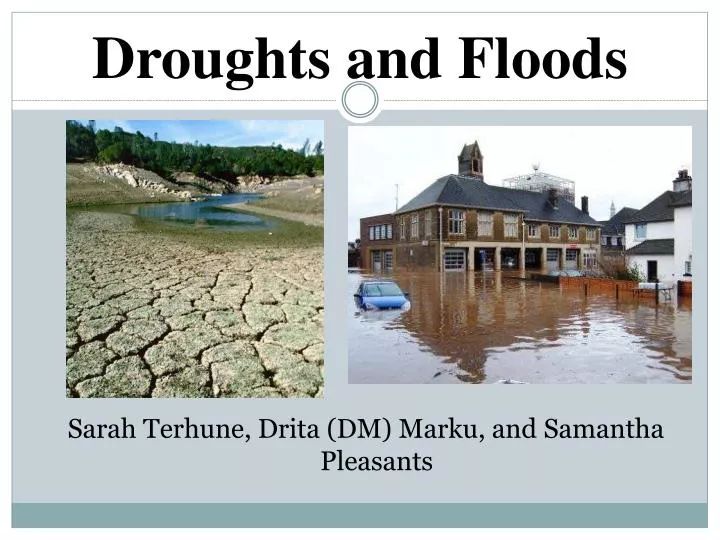
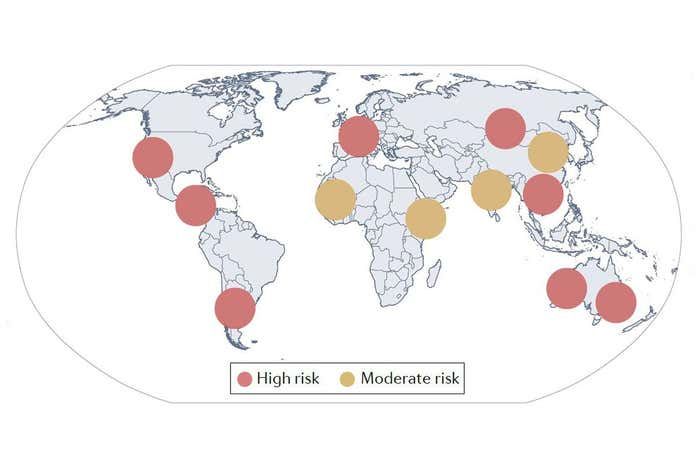
It is becoming common to have drought then flood as a repeating disaster, leaving no time for recovery or intervening built-in solutions.
It is a bit late in the day, but research is appearing to analyse these dreadful events. The following is ‘multi hazard’ research which must be of global interest.
rapid-onset events with a more concentrated impact. Additionally, the review identifies commonalities between the two hazards, such as shared causes, cascading effects, mutually negative impacts, potential for joint management strategies, commonly affected sectors, geographical distribution patterns, frequently cited case studies, a growing focus on urban areas, and crucial knowledge gaps that require further investigation. Finally, the paper presents a novel framework for analyzing the interconnected risks of floods and droughts. This framework emphasizes the importance of comprehensive data collection, including risk factors, contextual information, drivers, impacts, responses, and historical event data. This holistic approach aims to improve understanding of these interconnected hazards’ combined causes and effects. The article argues for a paradigm shift in urban planning towards a multi-hazard, multi-sectoral, resilient, and adaptable approach that considers both floods and droughts in the context of climate change. The article concludes with suggestions for further research.
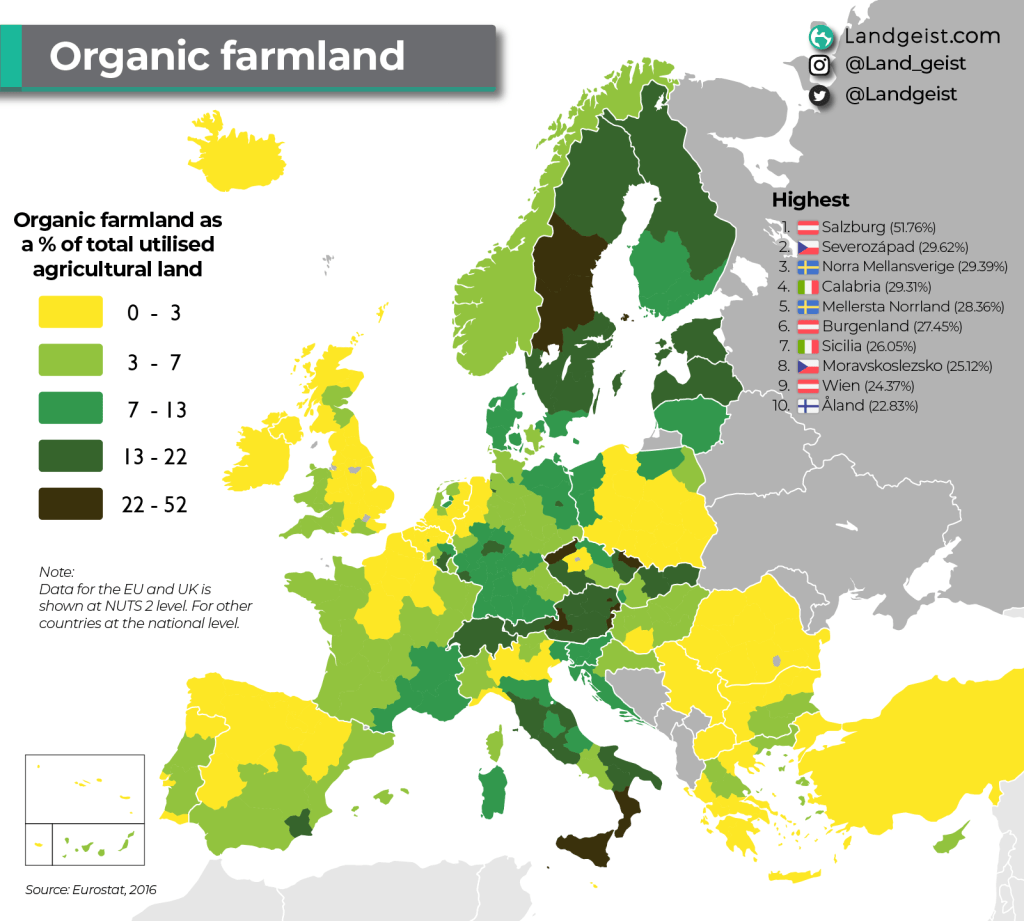
aims to improve the biological and physical quality of Sicilian agricultural soils, through the implementation and adaptation of conservative or ‘organic regenerative’ farming techniques and technologies (intercropping, minimum tillage, grassing) to the organic farming systems of the Sicilian region, particularly on the most commonly present rotational arable crops and tree crops. The project is implemented by a partnership composed of five Sicilian farms, one private research organisation and two consulting companies
But Sicily, this year, has experienced rainless months
Crops have failed, animals had to be prematurely slaughtered and Sicily and Sardinia did not have enough water for tourists. The result is economic catastrophe.
Investing in resilient infrastructure and water conservation will be necessary to adapt to a warmer climate on these Mediterranean islands.
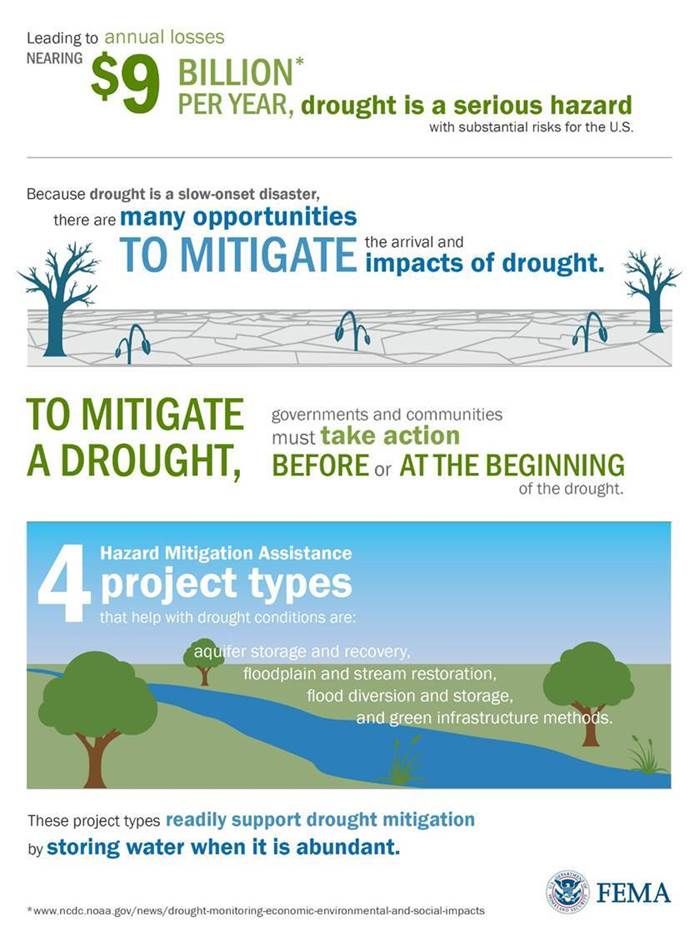
But this action should have been put in place before this year’s drought period. We know how previous years have grown hotter and hotter due to increased ocean temperatures caused by global fossil fuel use.
Israel leads the world in desalination technology, modern irrigation processes and waste water systems linking its networks around Israel. Italy needs to try to utilise these systems before their land becomes an arid desert.
As farmers have to accept climate change is impacting them on many levels, they have worked to organise their farms to be more resilient. Here is an example of a flood plan in Wales, a country, more often than not, hit by flooding:
And farmers are trying to move away from livestock rearing to horticultural to reduce carbon emissions which exacerbate greenhouse gases which are warming the planet, leading to devastating weather events:
Since 2022, farmers are being encouraged to study the Soil on their land, the importance of worms and their processes.
Soil health is at its heart. The aim is to improve or restore soils that have been degraded by rebuilding soil organic matter and increasing soil biology.
Too much fertiliser harms plants. Restoring damaged soil by encouraging microbes to reinhabit the Soil through rotation of crops (which the Romans taught the Britons when they occupied parts of Britain) – see
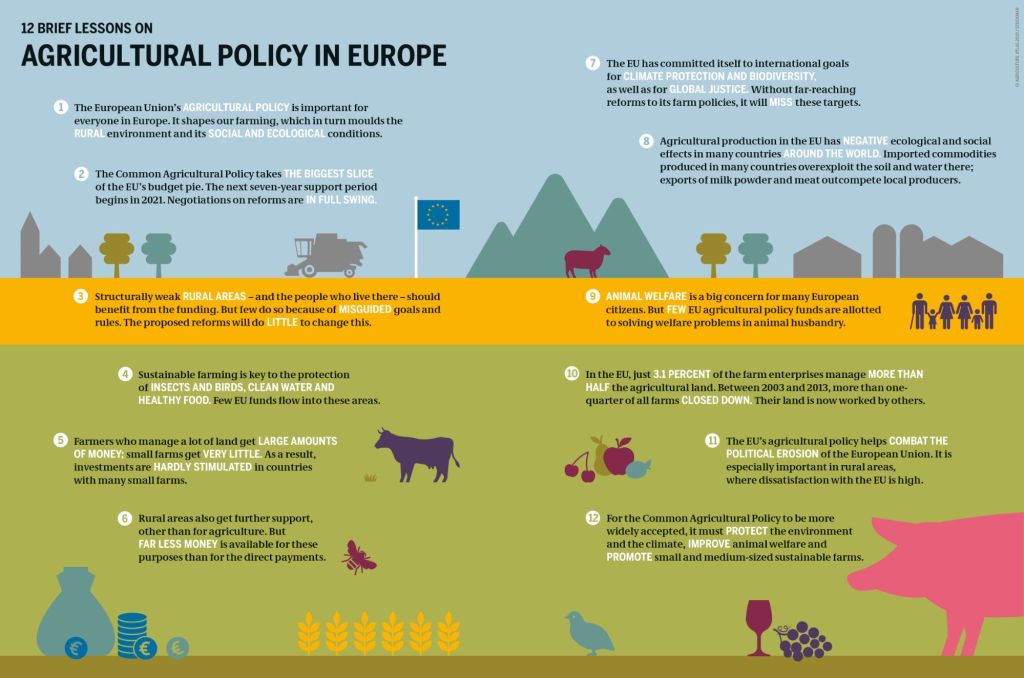
On reading the Soil Association report ‘ An agroecological Europe in 2050: multifunctional agriculture for healthy eating’, I am struck by the soundness of this 10 year effort in Europe to move to Agro-ecological methodologies to provide sustainable farming methods without harmful pesticides and fertilisers. The cost-benefit analysis ensures the outcome is healthy food grown in an ecologically balanced environment which follows a pre-industrialised approach to farming. The analysis, after 10 years of effort to transition to these methods, is assisting a strategy to increase food security for Europe.
It is common knowledge that diabetes, obesity and cardiovascular disease are increasing world wide. The way we produce and consume food is one of many factors causing this spiralling of health quality.
Agroecology offers cleaner environments, diversity of wildlife, cleaner water, less stress on the environment and thus people.
We will move to an understanding of food quality where we will eat less but gain all the nutrition we need from a range of foods we grow with the seasons within each of our countries. Farmers will no longer import soybean meal for their livestock. Farmers will not die prematurely from working with toxic chemicals on the farm. Farmers need not race to equip themselves with the latest expensive gadgetry and so reduce their energy use and stocking of pesticides in order to kill pests which are caught in the vicious cycle of becoming tolerant to the poisons.
Farmers will do more with less, by using inputs and resources more efficiently.
Support for small farms has not been the trend, instead they have been bought out to create corporate size farms. This trend goes against the guardianship of land where hedges, diverse plant life, trees and clean water infrastructure once existed and need to be restored to return the land to a balanced ecosystem to benefit community life.
An organically farmed Europe can feed a growing population a healthy diet
The ‘Ten Years for Agroecology in Europe’ report models a future where farming in Europe can respond to climate change, phase out pesticides and maintain vital biodiversity, whilst providing a sufficient and healthy diet for a growing population.
• feed the European population healthily • maintain the export capacity • reduce Europe’s global food footprint • result in a 40 percent reduction in agricultural greenhouse gas emissions • help to restore biodiversity and to protect natural resources
A transition to a fully agroecological Europe will require dietary change, particularly a shift towards ‘less and better meat’, with diets reorientated around plant-based proteins and higher welfare grass-fed livestock.
The Government must support the transition through The Agriculture Bill by establishing agroecology as the underlying principle of farming in England, rewarding farmers for employing agroecological systems such as organic.
Farmers – especially those already pioneering agroecological farming, from conservation agriculture to agroforestry and organic – should be given a seat at the table in the debate around land-use, climate change and biodiversity.
Biodiversity impacts, imported emissions, and the need to reduce or eliminate pesticide and fertiliser use, should be given greater weighting in the next Climate Change Committee land-use report. The UK’s response to climate change must be coherent with broader ecological objectives.
Watch Helen Browning, Soil Association CEO, talk about agroecology
Helen talks about how agroecology could drive improvements to human and environmental health at a European Level.
TYFA is based on the assumption that, in order to address biodiversity and climate change issues, a transformation of European patterns of production and consumption is inevitableIDDRI, TYFA Report
AuthorsTen Years for Agroecology in Europe was written by IDDRI, a French, independent policy research institute in collaboration with consultancy firm AScA and a council of researchers. Soil Association has worked with the authors to bring the English translation of this ground-breaking research to the UK.Download full report
I am now reading Ronen Bergman’s book, ‘Rise and Kill First: The Secret History of Israel’s Targeted Assassinations’. It is an illuminating book. So much to learn about how we humans damage each other beyond repair until we yearn to ‘Rise and Kill First’ to avoid being ‘lambs to the slaughter.’
Here is an extract from an early section of the book:
Ben-Gurion foresaw that a Jewish state would soon be established in Palestine and that the new nation would immediately be forced to fight a war against Arabs in Palestine and repel invasions by the armies of neighboring Arab states. The Haganah command thus also began secretly preparing for this all-out war, and as part of the preparations, an order code-named Zarzir (or Starling) was issued, providing for the assassination of the heads of the Arab population of Palestine. WHILE THE HAGANAH SLOWLY stepped up the use of targeted killings, the radical undergrounds had their killing campaign in full motion, trying to push the British out of Palestine. Yitzhak Shamir, now in command of Lehi, resolved not only to eliminate key figures of the British Mandate locally—killing CID personnel and making numerous attempts to do the same to the Jerusalem police chief, Michael Joseph McConnell, and the high commissioner, Sir Harold MacMichael—but also Englishmen in other countries who posed a threat to his political objective. Walter Edward Guinness, more formally known as Lord Moyne, for example, was the British resident minister of state in Cairo, which was also under British rule. The Jews in Palestine considered Moyne a flagrant anti-Semite who had assiduously used his position to restrict the Yishuv’s power by significantly reducing immigration quotas for Holocaust survivors. Shamir ordered Moyne killed. He sent two Lehi operatives, Eliyahu Hakim and Eliyahu Bet-Zuri, to Cairo, where they waited at the door to Moyne’s house. When Moyne pulled up, his secretary in the car with him, Hakim and Bet-Zuri sprinted to the car. One of them shoved a pistol through the window, aimed it at Moyne’s head, and fired three times. Moyne gripped his throat. “Oh, they’ve shot us!” he cried, and then slumped forward in his seat. Still, it was an amateurish operation. Shamir had counseled his young killers to arrange to escape in a car, but instead they fled on slow-moving bicycles. Egyptian police quickly apprehended them, and Hakim and Bet-Zuri were tried, convicted, and, six months later, hanged.
But, as the author then goes on to say, many more atrocities against the British ensued, and the perpetrators were named as “a new group of gangsters” by Churchill.
As India obtained independence from the British Empire, so finally the costs of maintaining a Palestinian Protectorate became too costly and the role of the British in Palestine was replaced with the new state of Israel. The armed forces and intelligence community sprang out of ‘ the men who fought that bloody underground war – guerrillas, assassins, terrorists.’
A surprising (to me) piece of history was how during WW2, the Nazi presence replaced the British through the existing German Templer sect who had settled in Palestine in the late 1800s. See:
Their presence was eliminated by those Jews who went to Europe and witnessed the atrocities of the Holocaust.
And those who have been slaughtered like lambs will now ‘Rise and Kill First’.
I have been trying to understand this perpetual cycle where people living peacefully somewhere on earth find themselves rounded up and slaughtered by others they never knew and for reasons they don’t understand. Once the bloody tale is related, others rise up to seek revenge and the killing cycle continues as it has throughout human history.
This seems to be an inbuilt mechanism triggered by an emotion we recognise as hatred. But it is also a disgust in that part of us which simply seeks to live in peace and love our fellow man.
Nature’s Decline Deepens: Insights from the Living Planet Report 2024
29 October 2024
The Living Planet Report 2024 reveals that wildlife populations have dropped 73% on average since 1970. It warns that national governments are failing to meet biodiversity targets and calls for an urgent need to transform our current economic and food systems, but it only skirts around the issue of continued global population growth. Campaigns and Media Officer Madeleine Hewitt dives into the report.
Every two years WWF, in collaboration with the Zoological Society of London (ZSL), publishes an updated Living Planet Report. This is compiled from the Living Planet Index which monitors the size of wildlife populations and how they have changed since 1970.
The Living Planet Report can provide an overall outlook on how biodiversity – a measure of the variability of species on land and in marine environments – is faring on the planet.
WWF’s Living Planet Report 2024 estimates that we have lost 73% of all vertebrate wildlife populations since 1970. That’s nearly three-quarters of all birds, mammals, reptiles, amphibians and fish. Gone in just 50 years. During that time, our population has more than doubled, increasing from 3.7 billion to over 8.1 billion today.
Failing Biodiversity Targets
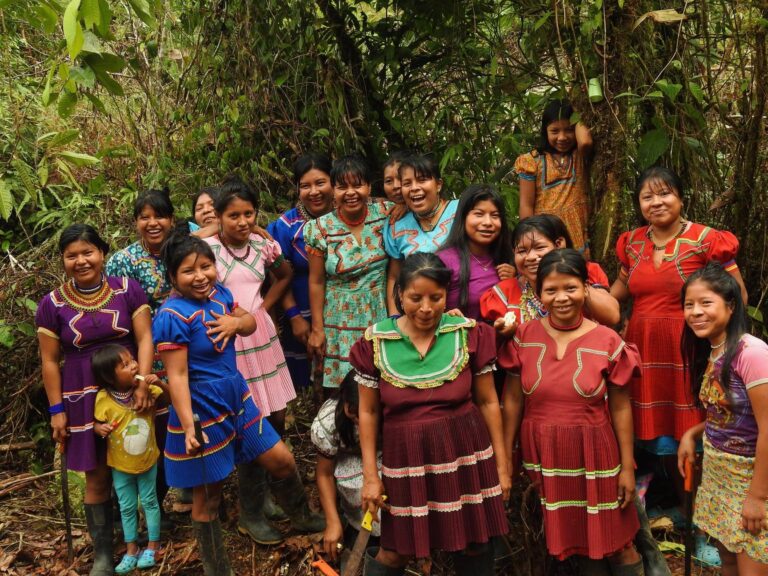
We recently sponsored our partner, Women for Conservation, to attend COP16 in Cali, Colombia. Governments were tasked with reviewing their commitments to the Convention on Biological Diversity, an international treaty signed by almost 200 countries, including the UK, to halt and reverse biodiversity loss by 2030.
However, according to the Living Planet Report, national commitments are falling far short of what’s needed to protect nature.
Currently, over half the Sustainable Development Goals targets for 2030 will be missed. And national biodiversity strategies and action plans are inadequate and lack support.Women for Conservation Team at COP16
Failing biodiversity targets pushes the world toward dangerous ‘tipping points’ as ecosystems reach their natural limits.
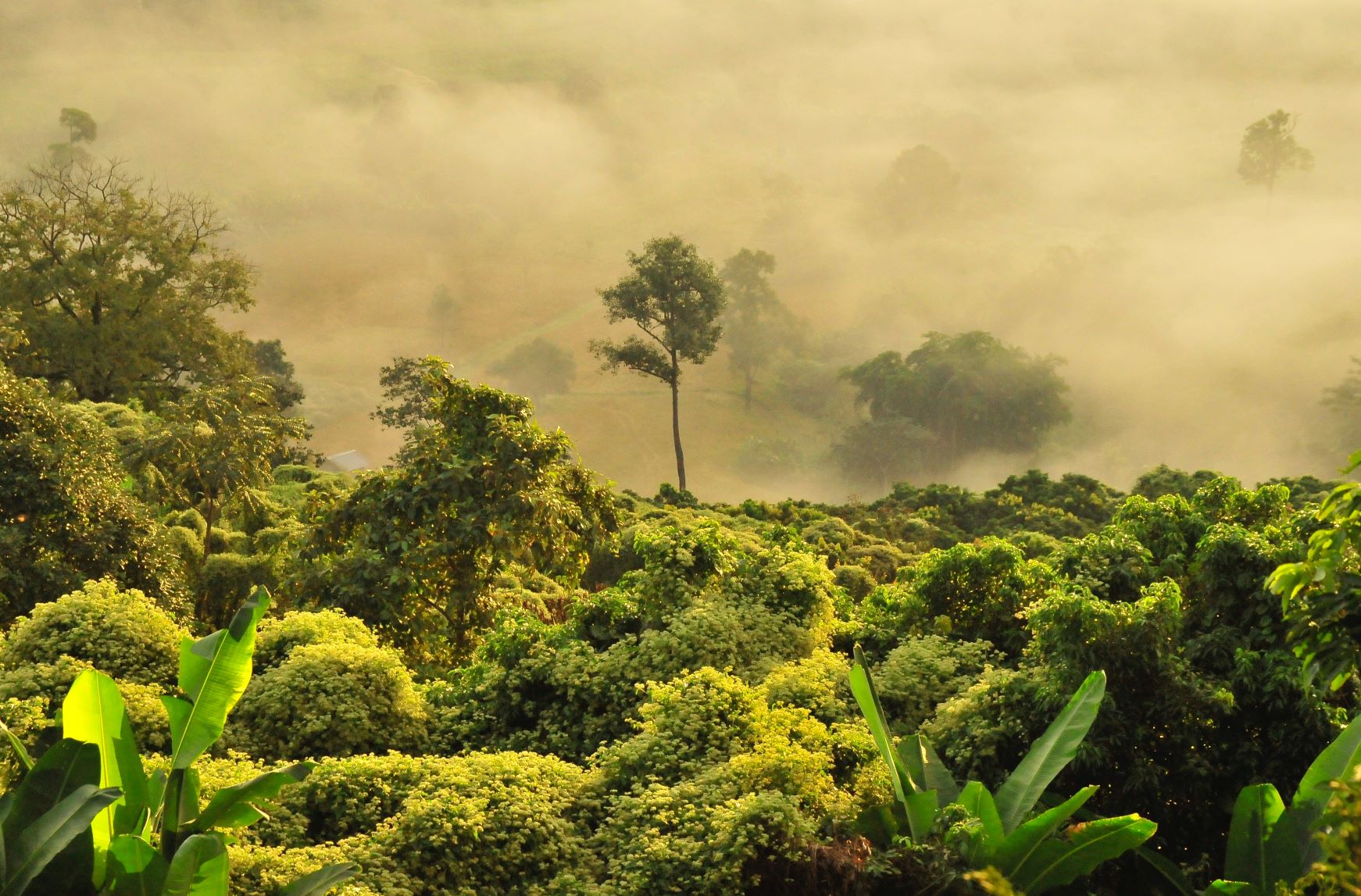
For example, the Amazon Rainforest is considered one of the most important areas for biodiversity in the world. But the Amazon is under threat from climate change and increasing deforestation causing reduced rainfall, destabilising the wet conditions needed for a tropical rainforest.
A tipping point looms if humans clear just 20–25% of the Amazon rainforest – dangerously close, with an estimated 14–17% already deforested. Crossing the Amazon’s tipping point would be disastrous for the millions of people and species dependent upon the rainforest.
Governments are also failing to meet their climate commitments to limit average global temperature rises to 1.5°C above pre-industrial levels. Existing national climate commitments would lead to an average global temperature increase of 3°C. This will have catastrophic effects for people and the planet.
Unsustainable Food Systems
Experts identify food production as one of the main drivers of nature decline. It’s the leading cause of habitat loss – with forests, wetlands, and other biodiversity hotspots cleared for agriculture.
Humans use over 40% of habitable land for food production. Crop production accounts for 70% of freshwater use. And the entire food sector is responsible for over a quarter of greenhouse gas emissions.
Our current food systems are environmentally destructive, unsustainable, and plagued by structural inequalities. Despite record food production, 735 million people still go hungry, whilst obesity rates rise elsewhere.
Continued global population growth places even more pressure to intensify and expand agriculture causing further nature loss.
The Living Planet Report 2024 includes a bold call to action for the world to re-examine its current economic systems. To move away from economic systems focused on the extraction and overexploitation of natural resources for profit to a system that values nature.
In recent weeks, we’ve been exploring alternative economic models that move away from GDP as the sole marker of economic success. We have looked at many models that prioritise people’s well-being and the environment instead.
The Living Planet Report 2024 joins many alternative economists in urgently calling for a better economic system that benefits both people and the planet.
Different approaches to economic growth will be necessary to address the global goals depending on a country’s economic status. We need to move beyond economic wealth and GDP as the principal measures of progress, toward a well-being economy that promotes sufficient shared prosperity and living in a way that regenerates nature and stabilizes the climate.Living Planet Report 2024
What about population?
Frustratingly, the Living Planet Report only includes a fleeting reference to population growth as an underlying cause of continued nature decline.
…the root causes of nature degradation. These include consumption and production patterns, human population dynamics and trends, trade, technological innovations, and inadequate or failed local to global governance.Living Planet Report 2024
Even though population growth underpins multiple drivers of habitat loss including:
More people need ever more food. Land clearing and pesticide run-off from intensive agriculture causes up to 80% of extinction threats to mammal and bird species.
More people need ever more space. Damaging human activity continues to encroach on natural environments, with humans expected to expand into 50% more land by 2070 – increasing human-wildlife conflict and nature loss.
More people need more things. Our population’s relentless consumption of resources such as timber, oil and minerals is continuing to destroy natural habitats around the globe.
The continued reluctance to address population growth as a driver of biodiversity loss only further stalls progress. It is especially frustrating when the positive solutions available to address population include the holistic Population Health Environment (PHE) approach. PHE improves health outcomes for the local community and protects natural habitats.
For this reason, we’re proud to have sent our partners, Women for Conservation, to COP16 to promote the benefits of the PHE approach. And we’ll continue our work to emphasise why population matters when it comes to protecting biodiversity.




















You must be logged in to post a comment.