
What Iran Claims To Have Captured
Iran’s Islamic Revolutionary Guard Corps Navy said it had intercepted and captured an American unmanned underwater vehicle at the entrance to the Strait of Hormuz following what it described as a “complex intelligence and operational action”. Iranian state media released photographs of the vehicle and portrayed it as a sophisticated piece of American military technology.
……….
The Dive-LD is roughly 5.8 metres long, about two metres in diameter and weighs around three tonnes. It is designed to operate without a crew inside it and can undertake extended underwater missions. Naval News, which analysed the photographs released by Iran, said several physical features appeared to match the Dive-LD design.
The US, however, has sought to significantly reduce the importance of the incident. According to reports, the Pentagon confirmed that an underwater drone had malfunctioned during regional operations more than a day before Iran announced its capture. US officials described the vehicle as an older system and said it did not contain classified equipment. Anduril also confirmed the loss, pointing out that such systems are designed to operate in high-risk environments where losing a vehicle is an accepted possibility.
For Tehran, the incident is evidence that Iran can detect and seize sophisticated American technology operating in waters it regards as strategically vital. For Washington, it was essentially the loss of an expendable, malfunctioning unmanned platform rather than the capture of a sensitive US submarine.
What Does The ‘Robot Submarine’ Do?
Calling the Dive-LD a “submarine” can be slightly misleading. Unlike a conventional submarine, it does not carry a crew. It is an autonomous underwater vehicle, meaning it can navigate underwater and perform programmed missions without sailors physically operating it from inside.
That makes systems such as the Dive-LD attractive to militaries because they can perform dangerous missions without putting human crews directly in harm’s way.
The platform can be used for several types of missions, including mine countermeasures, seabed mapping, intelligence and surveillance, and inspection of underwater infrastructure. It can reportedly dive to depths of up to 6,000 metres and remain operational for as long as 10 days, according to reports. Each vehicle costs roughly $2.5 million.
The mine-hunting capability is particularly relevant in the Strait of Hormuz. The narrow waterway connecting the Persian Gulf with the Gulf of Oman is one of the world’s most important energy chokepoints. Any military mine placed along shipping routes can force commercial vessels to slow down, reroute or wait for clearance.
The US has been conducting a high-risk mine-clearing operation around Hormuz involving Navy SEALs, robotic boats and underwater systems. The operation has involved detecting and neutralising mines in and around shipping lanes.
That means an autonomous underwater vehicle operating in the region can have an important role even if it never fires a weapon. It can map the seabed, look for mines, monitor underwater activity and potentially gather information about maritime infrastructure
The DIVE-LD
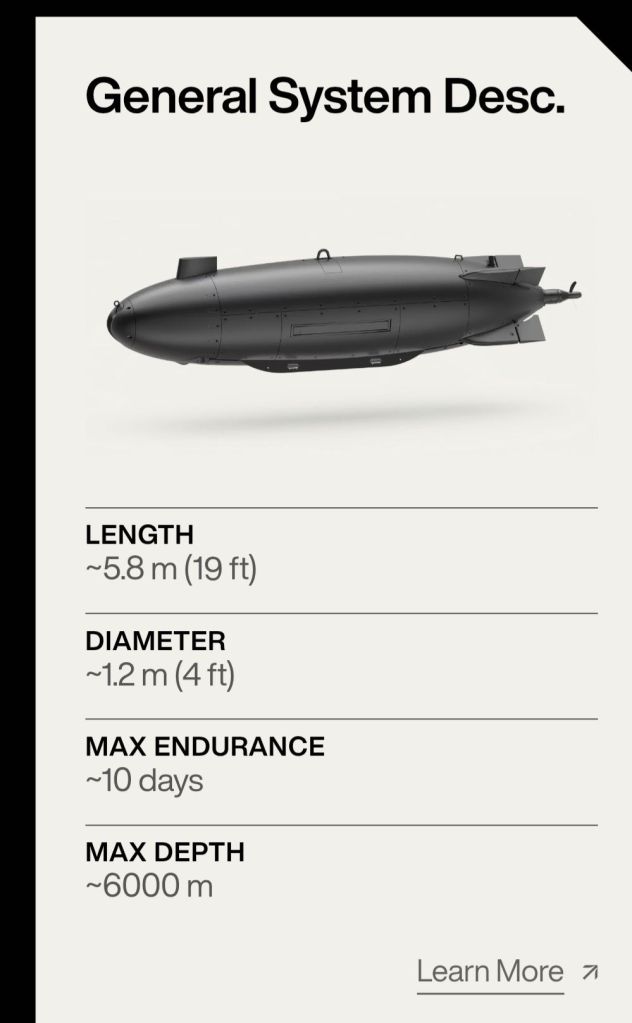
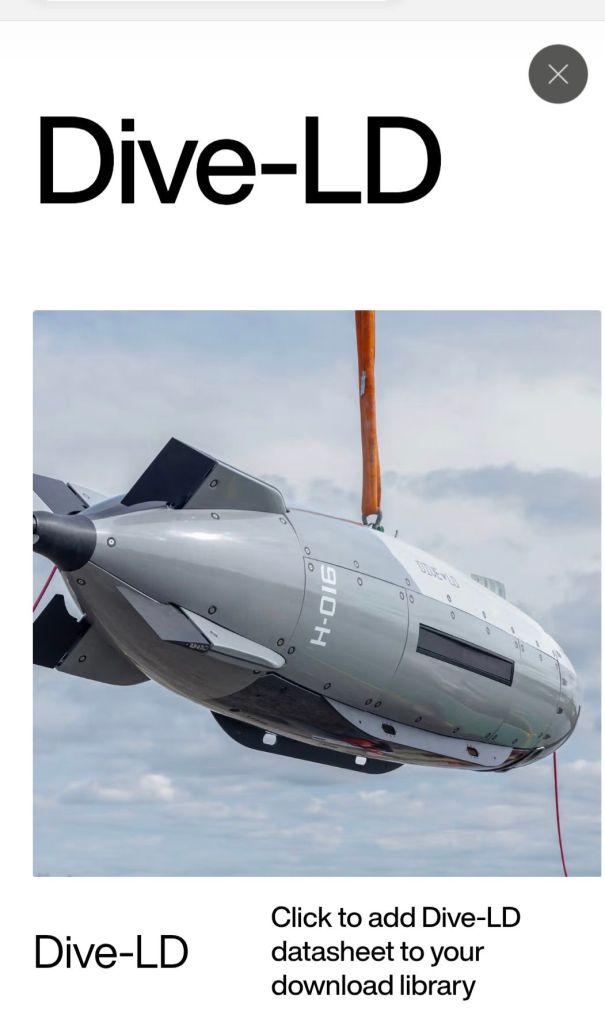
https://armory.anduril.com/products/dive-ld
As oil prices rise due to illegal Israeli-US war on Iran:
Oil prices rise above $100 a barrel for first time since July as Iran war escalates
Brent crude up by more than 2% after latest fire between US and Iran in Gulf and Houthi attacks on Saudi cities.
Lauren Almeida and Mark SweneyWed 9 Sep 2026 10.27 BSTShare
The price of oil has risen above $100 a barrel for the first time since July as the escalating conflict in the Middle East threatens further disruption to global supplies.
Brent crude, the international benchmark for oil prices, rose 2.1% past the milestone after tensions increased in the Gulf amid the latest tit-for-tat exchange of fire between the US and Iran.
The US military said it had “destroyed” multiple Iranian tankers, after Tehran attempted to strike a US navy warship with ballistic missiles. The exchange came after Iran-backed Houthis attacked four cities in Saudi Arabia the previous night, wounding more than 70 people and setting oil installations ablaze.
On Tuesday the Bank of England governor, Andrew Bailey, said the latest rise in oil prices was putting pressure on inflation and interest rates.
“The risks, I’m afraid, are on the upside,” he told MPs. “And that’s really the risks coming from energy prices.”
The oil price has jumped by a quarter since early August as hopes for a permanent resolution to the six-month-old war faded and as fighting flared again.
The climb in costs has hit UK motorists, with petrol at the pump reaching an average of 166.2p a litre on Tuesday, the highest level in four years, according to the motoring body the AA.
The AA said diesel hit an average of 187.7p, a price it last reached in May. Prices per litre of petrol have risen 4.4p since the August bank holiday, with diesel up 4.1p.
Brent is up more than 60% this year, and has risen above the $100 mark for three periods so far in 2026.
China, the world’s largest importer of crude, has increased purchases in recent days, after a hiatus that had been a factor keeping oil prices somewhat in check in the early part of the conflict.
“For the direction of crude prices, we are also monitoring Chinese crude imports as a key indicator,” said Giovanni Staunovo, a commodity analyst at UBS Global Wealth Management, in a note.
“Chinese crude imports recovered to nearly 9m barrels per day in August, up from the June low of 7.15m, but still lower compared to the [pre-conflict] February imports of 12.6m. It looks like the recovery trend could continue.”
Also:
Goldman, Bank of America and HSBC have all raised their crude forecasts in the past few days, and the IEA already expects global oil supply to fall by 4.3 million barrels a day this year, about 4%, even with the United States, Canada, Argentina pumping more.
Merchant News, Substack
The Conversation:
Iran’s threat to cut undersea cables in Strait of Hormuz poses a serious threat to Gulf states
Published: September 15, 2026 12.25pm BST


You must be logged in to post a comment.