Renewable Technology: Scars of Battle

Some of the metals that are forecast to be in the highest demand in the future for electronics and technology are tin, lithium, cobalt, silver, nickel, gold, tungsten, vanadium, graphite, niobium, zinc, PGM (platinum group of metals) and salt (for autonomous and electric vehicles, advanced robotics, renewable energy, advanced computing and IT, and so on). (See Better Meets Reality)

We have billions of items which have been used and discarded over the past hundred years which have not been fully recycled. This should be our first priority: recycle metals from existing discarded products and create another industry which helps meet demand for these metals.

But investors put their money in taking from the exhausted Earth and trading in metals is an old trade.

The History of Mining is described here:

The earliest known mine for a specific mineral is coal from southern Africa, appearing worked 40,000 to 20,000 years ago. But, mining did not become a significant industry until more advanced civilizations developed 10,000 to 7,000 years ago. In early times, the only metals available were those found in a metallic state in nature. The most abundant was copper. But, gold, silver, and mercury were also found and prized. The application of fire to mined materials became a technological breakthrough and proved to be one of the critical advancements of civilization. In fact, excavated elements transformed themselves by the application of heat. As a result, pottery hardened to last more than a season. Especially relevant, metals could be melted and formed into objects.

Present day uses:

Metals that might be classified as technology type metals are generally used in:

The mass production of miniaturized electronics and associated devices;

Advanced weapons systems and platforms for national defense;

The generation of electricity using ‘alternative’ sources such as solar panels and wind turbines;

The storage of electricity using cells and batteries.

– techmetalsresearch.com

In terms of wind, solar and energy storage batteries … metals which could see a growing market include aluminum (including its key constituent, bauxite), cobalt, copper, iron ore, lead, lithium, nickel, manganese, the platinum group of metals, silver, steel, titanium, zinc, and rare earth metals including cadmium, molybdenum, neodymium, and indium.

At Wikipedia we can see the list of countries involved in mining metals.

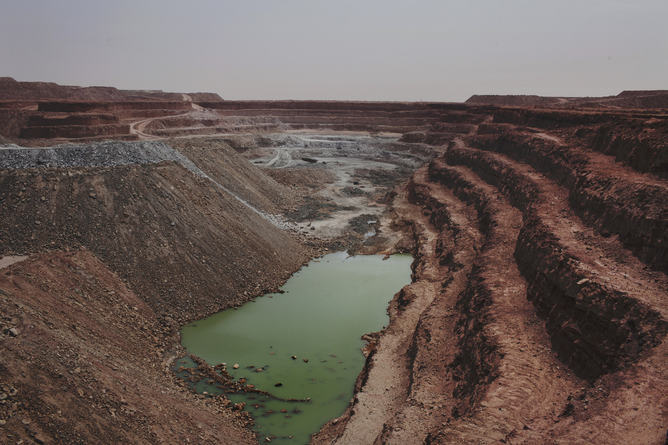
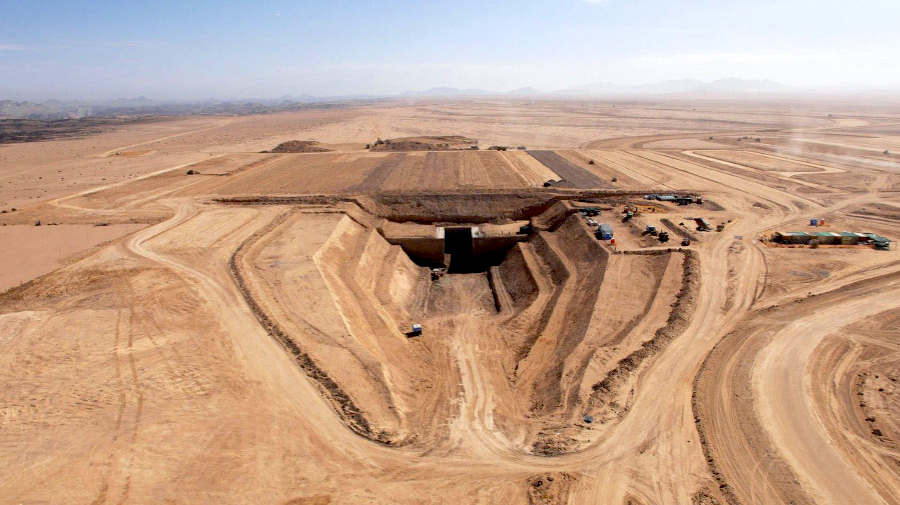
Here are some images of the battle scarred environments as we pat ourselves on the back for humanity enabling such a ‘civilised’ existence.

China is the lead producer of Aluminium,

Chinese bauxite for aluminium, mine

China also leads in production of Bismuth, Gold, Mercury, Mica, Tin, Titanium and Zinc.

Australia leads in mining Bauxite,

Bauxite mine in Tasmania

Bauxite flouride is mined and used as an ingredient for aluminium.

Australia also leads in mining Iron Ore

and Lithium

Chile leads in Copper

South Africa leads in Chromium, Manganese

Indonesia leads in Nickel

Indonesia tropical nickel mine

Brazil leads in Niobium

Russia leads in Palladium

Mexico leads in Silver

Posted in anthropocene | Tagged , , , , , , , , , | Leave a comment

Generic Drug Supply and Raw Materials Supply

In March 2021, Boris Johnson, Prime Minister, announced the UK was acquiring 10m doses from the Serum Institute of India, the world’s largest vaccine manufacturer and the key source of doses for Covax, a vaccine-sharing agreement on which poor and middle-income countries are relying.

In a short time, India became overwhelmed with Covid 19 cases, and this tsunami is killing the population of India at a rapid rate. Millions had turned out for the annual Hindi festival and elections, there was no social distancing and few people wore masks; such was the confidence that they were done with Covid. Now they need the rest of the world to step up and help control this devastating situation.

In the US, 90 percent of drugs are generic and supplied by Indian Pharmaceutical companies, according to an April 2020 study by the Confederation of Indian Industry (CII) and KPMG. Most of the world, including the UK relies on Indian generic drug supplies, and in turn, India relies on China for the raw materials Active Pharmaceutical Ingredients (APIs).

1979: The Indira Ghandi administration passed the Patent Act of 1970, which granted legal protection only to the processes used to make a drug, not a drug’s content.. This was in response to its huge population being unable to afford imported patented drugs, and needed to find a solution.

Indian companies excelled in reverse engineering big-name drugs and launched copycat versions — legally.

Around the mid1980s, regulatory changes allowed the US market to be more open to cheap copycat drugs, too.

Naturally, the pharmaceutical giants, which had invested millions of dollars in creating new drugs, pushed back.

1995: the World Trade Organization (WTO) introduced an agreement giving drug patents 20 years’ protection — and companies were given 10 years to comply.

But when the HIV/AIDs crisis hit during that 10-year transition window, it was clear that poor countries needed cheap drugs

1999: the most common cause of death in sub-Saharan Africa, where many people couldn’t afford antiretrovirals, was HIV/AIDs.

The WTO conceded that member states could grant licenses to manufacturers to make generic versions of patented medicines needed to protect public health.

In 2001, an Indian pharmaceutical company, Chemical, Industrial and Pharmaceutical Laboratories (Cipla), reverse-engineered several brand-name drugs, and combined them in a revolutionary anti-HIV drug cocktail. African countries and aid groups were offered the drug for $1 a day, a discount of more than 96% on brand-name versions.

2020: Chemical, Industrial and Pharmaceutical Laboratories (Cipla), has worked to reverse engineer three drugs being tested to fight Covid-19 — Remdesivir, Favipiravir and Baloxavir.

The supply of raw materials from China to Indian Pharma has never been as high as it was pre the Pandemic. When the current wave of Covid struck, there was insufficient API’s in stock.

During the 1990s the Chinese government initiated the growth in becoming world leaders in API plant facilities. They have 7000 API manufacturers and India has 1500. China can use economies of scale to keep costs down. But if they have to shut down, as in lockdowns, the supply chain slows right down. Thus the world’s dependency on China and India for supplying the world during a pandemic, grinds to a halt. Drug costs then soar.

Investments in Mega Pharma Parks in India had to be shelved back in 2008, but now Bulk Pharma Parks are planned as part of a $1.3 billion package to boost domestic production of bulk drugs and exports.

This dependency on China and India at such a critical time has made the penny drop finally as richer countries prepare to become more self-sufficient. This will not be the last Pandemic.

According to the US FDA, as of August 2019, only 28% of manufacturing facilities making APIs for the US market were based in America. The rest were in the EU (26%), India (18%), China (13%) and elsewhere (15%).

But there is no quick fix and China will remain dominant in the supply chain for many years to come. We humans must work together to save ourselves, otherwise, all is lost.

I have put together many blogs which have highlighted how we have industrialized much of the world, and in so doing, robbed it of its resources, and extensively contaminated the air we breathe, the water we drink, the soil in which we grow food. As chronic illnesses are identified as a result, the Pharma Industry grows to meet the demand. Billions of dollars accumulate in the hands of those who invest. Science is hailed for saving lives with its contributions to medical breakthroughs.

Yet we would not be ill if we had not destroyed the ecosystem balance. We are now at the ‘Last Chance Saloon’. Connect the dots. Stop this incessant wheel of harm we do to ourselves. Even procuring raw materials to manufacture drugs creates more harm.

We cannot reverse the harm we have done, but we can use our creative abilities to care for our fellow human beings. We can ensure everyone has clean water, good sanitation, decent homes and access to free healthcare at the point of need. This would be the intelligent solution since it would decrease disease dramatically, then we should not need all these drugs or so much medical intervention.

But those caught up in the Pharma Industry only want it to grow and tell us it is for our sakes. If so, why not run a parallel experiment and make life cleaner and healthier for all. If we succeed we could find ways for the Pharma products to rebalance the ecosystem and then we have a Win-Win solution.

We are a bit late to take the steps to stop Bolsonaro from destroying the Rainforest. But a decade ago scientists were finding thousands of new plants and animals and documenting their existence. The Pharma Industry could have stepped in and stopped the destruction and saved the Rainforest for careful and responsible exploitation of plants which would have helped with creating more vital drugs. But they did not and now 98% of the Brazilian Rainforest is beyond rescue.

So many chances we have had to genuinely put the Planet first. Profit before people, and certainly before the Planet. This wonderful Planet. Watching more plants and animals go extinct is a precursor to our own extinction. Voices are raised as they defend their portion of the ecosystem from the threats, and corporates silence those voices. So many activists have been murdered. For why? For the consumption of what little there is left to grab, use and discard. We humans are in a sorry place.

Posted in anthropocene | Tagged , , , , , , , , , , , , , , , , , , , , , , , , , , , , , | Leave a comment

Concrete. Industrial Contamination

You cannot build a wind turbine without using concrete. Indeed, for each turbine, requires 900 tons of steel, 2500 tons of concrete and 45 tons of plastic.

The above image is in a design manual.

Concrete seems to have been developed using a mixture of mud and straw to form bricks and used gypsum and lime to make mortars when the Egyptians built their pyramids 5000 years ago. The Romans developed it into a form quite similar to the concrete of today. In 1824 Portland Cement was invented by an Englishman, Joseph Aspdin of Leeds, Yorkshire.

Alvord Lake Bridge was built in 1889 in San Francisco, CA. This bridge was the first reinforced concrete bridge, and it still exists today, over one hundred years after it was built!

In 1891, the first concrete street in American was built in Bellefontaine, Ohio. Today, pervious concrete is being advocated as the best, and most environmentally friendly, surface for streets.

Gradually the use of concrete was used extensively for homes and infrastructure.

The Making of Cement today

Cement is manufactured through a closely controlled chemical combination of calcium, silicon, aluminum, iron and other ingredients.

Common materials used to manufacture cement include limestone, shells, and chalk or marl combined with shale, clay, slate, blast furnace slag, silica sand, and iron ore. These ingredients, when heated at high temperatures form a rock-like substance that is ground into the fine powder that we commonly think of as cement.……….

The most common way to manufacture portland cement is through a dry method. The first step is to quarry the principal raw materials, mainly limestone, clay, and other materials. After quarrying the rock is crushed. This involves several stages. The first crushing reduces the rock to a maximum size of about 6 inches. The rock then goes to secondary crushers or hammer mills for reduction to about 3 inches or smaller.

The crushed rock is combined with other ingredients such as iron ore or fly ash and ground, mixed, and fed to a cement kiln.

The cement kiln heats all the ingredients to about 2,700 degrees Fahrenheit in huge cylindrical steel rotary kilns lined with special firebrick. Kilns are frequently as much as 12 feet in diameter—large enough to accommodate an automobile and longer in many instances than the height of a 40-story building. The large kilns are mounted with the axis inclined slightly from the horizontal.

The finely ground raw material or the slurry is fed into the higher end. At the lower end is a roaring blast of flame, produced by precisely controlled burning of powdered coal, oil, alternative fuels, or gas under forced draft.

As the material moves through the kiln, certain elements are driven off in the form of gases. The remaining elements unite to form a new substance called clinker. Clinker comes out of the kiln as grey balls, about the size of marbles.

Clinker is discharged red-hot from the lower end of the kiln and generally is brought down to handling temperature in various types of coolers. The heated air from the coolers is returned to the kilns, a process that saves fuel and increases burning efficiency.

After the clinker is cooled, cement plants grind it and mix it with small amounts of gypsum and limestone. Cement is so fine that 1 pound of cement contains 150 billion grains.  The cement is now ready for transport to ready-mix concrete companies to be used in a variety of construction projects.

Although the dry process is the most modern and popular way to manufacture cement, some kilns in the United States use a wet process. The two processes are essentially alike except in the wet process, the raw materials are ground with water before being fed into the kiln.

Figures listed at 2014 for producers of cement here:

China has the largest cement industry in the world. Thus it has contributed to massive environmental pollution. India is the next biggest producer. The United States is the third on the list of main producers, 34 American states have cement manufacturing plants, also they have two plants in Puerto Rico. The brands are CEMEX, Lehigh Hanson Inc., Texas Industries Inc., and LafargeHolcim.. Fourth on the list is Iran, the largest provider in the Middle East. There are other countries manufacturing cement, but by far, China is has the greatest output.

This site explains how cement is made. Here is a graphic from that site:

Since we humans began farming, we developed recipes for making meals from food we cultivated. It was an obvious step to then experiment with materials and explore the skill of metallurgy by mixing resources from the environment. All science experiments manipulate natural resources to obtain, sometimes by accident, some production which brings amazement, pride and power to those who invented and marketed it to their fellow humans.

This is the basic recipe for cement:

The most common raw rock types used in cement production are:

  • Limestone (supplies the bulk of the lime)
  • Clay, marl or shale (supplies the bulk of the silica, alumina and ferric oxide)
  • Other supplementary materials such as sand, fly ash/pulverised fuel ash (PFA), or ironstone to achieve the desired bulk composition

There is a massive amount of plant required in the cement production industry. The machines alone, and their maintenance, are a major investment.

The hammer mills and crushing process is extensive and primary to the task of making cement.

Those working in the construction industry around the world will know the hazards of silica dust and the danger it poses to their health. Some will be protected by their employer, many will not. This site offers solutions and understanding of the issues.

Silica Dust in Construction Industry
graphic from iqpowertools.com

In America they have regulated for adequate protection of construction industry workers. The new OSHA PEL was approved in 2016, with employers in the construction industry required to comply by June 23, 2017.

Not only do workers suffer, but many quarries are close to residential areas, such as the one in Leith, Scotland. The dust is airborne in the process of quarrying and transporting.

Leith’s Group Quarry, Scotland
Blackhills aggregates, Leith’s Group, Scotland

The well known disease, silicosis, is caused by breathing in the airborne silica dust, and is killing millions of workers and nearby members of communities, around the world. It is a slow and horrible way to die.

The UK has been, and still is, a major supplier of aggregates for the construction industry.

Where possible, tight regulations are brought in to protect workers and others in the vicinity of a quarry, as described in this document.

HSE, Ireland document

There is a legacy of dumped cement kiln dust too. See www.exponent.com and people are exposed to illegal dumping of waste in many parts of the world, which often involves dust.

Scottish Borders Magnificent Landscape

In creating windfarms, we are taking beautiful, wild areas of land (Scotland is known for its wild magnificent landscapes). As we speak, one of the biggest windfarms in Scotland is proposed close to where I live. Thus, it prompted me to investigate the environmental costs of wrecking this mostly wild landscape with tons of cement, steel and plastics. These monstrous turbines will never biodegrade. They contribute tiny amounts of electricity to the Grid, yet are so hyped by marketing that people are being told they can now buy 100% renewable electricity right into their home.

The industries who supply the basic materials, whilst making great profits from the hype of the windfarm industry, are damaging the health of all those they employ, right down through the supply chain. There is nothing Green about windpower, but we constantly suffer Greenwashing hype.

But employment is held as the carrot dangled before workers in the construction industry, and many see no other option but to take on these dangerous occupations. There is little regard for the health of miners or construction workers who seem forgotten when these clean looking monsters rise up. Pictures of windfarms are taken in the bright sun to present gleaming images. The truth is hidden by lies and deceit, as always.

And after all that use of resources, damage to the environment and billions of pounds spent, still, these concrete foundations can fail and bring 33 turbines crashing down.

cracked foundation

Posted in anthropocene | Tagged , , , , , , , , , , | Leave a comment

Chromium. Industrial Contamination

To make a wind turbine, which is 78% steel, the Earth must yield up coal for coking plants to provide coke for furnaces to burn red hot to smelt iron ore. When the Earth yielded up iron ore, sulphuric acid entered the once clean groundwater. Nickel was next to be yielded, and the poisonous slag heaps grew higher and were not safely controlled. Tailings filled dams, and sometimes dams burst and rivers ran toxic red and sometimes there was thick red sludge which covered villages beneath the dams.

Next we have Chromium, used in the process of making steel less prone to corrosion.

This website explains:

Chromium is a chemical element which is denoted by the symbol Cr and its atomic number is 24. It is a steel-gray, radiant, hard metal that show cases a high polished surface and has a high end melting point. It is also odorless, bland, and pliable.

During the 1800s chromium metal was mainly utilized as a element of paints and in leather tanning salts but now metal combinations sum up for 85% of the usage of chromium. The remnants are used in the chemical manufacturing, refractory and foundry industrial sectors. Chromium was given the name such after the Greek word that spells “Chroma” that means color, for the reason of the many colorful compounds made from it.

Chromium is mined as chromite (FeCr2O4) ore. About 2/5ths of the chromite ores and concentrates in the world are fashioned in South Africa, while Kazakhstan, India, Russia, and Turkey are also sizeable producers. Unexploited chromite deposits are plentiful, but geographically resolute in Kazakhstan and southern Africa.

This site tells us about the role chromium has in the making of stainless steel:

Chromium is the most important alloying element in austenitic stainless steel.

What is the role of Chromium in stainless steel? The corrosion resistance of austenitic stainless steel is mainly due to the fact that chromium in stainless steel promotes the passivation of steel and maintains the steel in a stable and passive state under the action of meeting material.

The effect of chromium in stainless steel structure

In austenitic stainless steel, chromium is an element that strongly forms and stabilizes the ferrite, narrowing the austenite zone, as the content of the steel increases, ferrite (δ) can appear in the austenitic stainless steel Organization, research shows that in chromium-nickel austenitic stainless steel, when the carbon content is 0.1% and the chromium content is 18%, in order to obtain a stable single austenite structure, the minimum nickel content is required, about 8%. In this regard, the commonly used 18Cr-8Ni chromium-nickel austenitic stainless steel is the most suitable one for chromium-nickel content.

And the importance of chromium in protecting against corrosion, essential for a wind turbine high in the sky, open to all the elements, this site provides a description of how it works:

Chromium steels are types of steel, with which iron can be alloyed with chromium. Colloquially the term is often used interchangeably with the word stainless steel. In principle, chromium does not have to be necessarily contained in stainless steel, but chromium is one of the most common alloying elements in stainless steel grades and is contained in most commercially used stainless steel grades. Chromium is one of the key elements used to increase the resistance to corrosion. This fact explains the usually synonymous uses of the term.

Wikipedia lists the countries where Chromium is predominantly mined.

This website illustrates the dangerous consequences of mining Chromium where doing so is unregulated.

Chromium is unstable in an oxygenated environment and, when exposed to air, immediately produces an oxide layer which is impermeable to further oxygen contamination.

Transport of Chromium into the Environment

Chromium enters the environment through both natural processes and human activities. Increases in Chromium III are due to leather, textile, and steel manufacturing; Chromium VI enters the environment through some of the same channels such as leather and textile manufacturing, but also due to industrial applications such as electro painting and chemical manufacturing. Groundwater contamination may occur due to seepage from chromate mines or improper disposal of mining tools and supplies, and improper disposal of industrial manufacturing equipment.

Bioavailability

Chromium can affect the air quality through coal manufacturing, which eventally can lead to water or soil contamination. Water contamination is fairly limited to surface water, and will not affect groundwater because chromium strongly attaches to soil and is generally contained within the silt layer surrounding or withing the groundwater reservoir. Water contaminated with chromium will not build up in fish when consumed, but will accumulate on the gills, thus, causing negative health effects for aquatic animals; chromium uptake results in increased mortality rates in fish due to contamination.

When consumed by animals, the effects can include “respiratory problems, a lower ability to fight disease, birth defects, infertility and tumor formation.” (LennTech)

Impacts on Human Health

This pathogen is a mutagen, carcinogen, etc. It is concentrated in bone, blood, organs….

What are the tolerances? What is toxic, what is lethal?

Chromium VI (hexavalent chromium) is considered carcinogenic only to animals in certain circumstances at this point; chromium in general is currently not classified as a carcinogen as the OSHA and is fairly unregulated, but is considered toxic, level 3. While chromium III is essential for regular operation of human vascular and metabolic systems as well as combating diabetes, too much chromium III may result in severe skin rash, or other more serious symptoms.

Chromium VI is the most dangerous form of chromium and may cause health problems including: allergic reactions, skin rash, nose irritations and nosebleed, ulsers, weakened immune system, genetic material alteration, kidney and liver damage, and may even go as far as death of the individual.

There is, however, no established limit for human consumption of chromium III. Individulals have been recorded as consuming 1000mg daily for elongated periods with no negative effects; but, as with all minerals our body needs, too much consumption may result in poisoning.

Chromium Mining
South African Miners

The above image is from an article about the damaging affects of mining dust on local communities, such as those in South Africa.

The image of sleek and clean wind farms here in Scotland conceals the terrible harm to those who live amongst the mining communities, who suffer horrible deaths from breathing in harmful dusts. Silicosis was a familiar disease amongst UK miners and, when eventually meagre compensation was finally awarded to the sufferer, he was usually dead by the time the funds reached his bank. Similarly, in south Africa, until very recently, no miner was allowed to complain of ill health and request compensation. But now thousands are allowed to claim and are owed huge amounts – but will the money reach them in time to help the sufferer or whole families who are ill too., living so close to contaminants?

Posted in anthropocene | Tagged , , , , , , , , , , | 1 Comment

Nickel. Industrial Contamination

I am trying to uncover what goes in to making a wind turbine. I now know they are made up of around 70% steel, and to make steel iron ore is a major component in the processing. Nickel is mixed with iron ore to strengthen the product. Nickel is mined mainly in Canada, Russia, the Philippines, Indonesia and Australia. It is now in huge demand as lithium batteries need nickel in their build. The electric vehicles are coming on stream to reduce the reliance on petrol based combustion.

The alloying element which makes steel ‘stainless is chromium; however it is the addition of nickel that enables stainless steel to become such a versatile alloy. From The Nickel Institute.

Nickel is the fifth most common element found on Earth, and has been known to be used by humans as far back as 3500 B.C. Nickel was used by the Chinese in naturally occurring nickel-copper alloys for over two thousand years. Nickel is found as a constituent in most meteorites and often serves as one of the criteria for distinguishing a meteorite from other earthly minerals. Iron meteorites, or siderites, may contain iron alloyed with from 5% to nearly 20% nickel. Meteorites provided a source of metal for sword blades used by warriors in China, Persia and Northern Europe.

Nickel (Ni) was not recognized as an element substance until 1751 when Swedish chemist, Baron Alex Frederic Constedt, isolated the metal from niccolite ore. It was not until 150 years later that nickel was first extracted on a commercial scale.

Nickel is ferromagnetic, that is, it is attracted to a permanent magnet. It takes a high polish, and does not easily tarnish or rust. Nickel can be hammered into thin sheets or drawn into wires. One pound (0.4 kilogram) of pure nickel could be drawn into a wire 80 miles (130 kilometres) long.

When the Canadian Pacific Railroad was built in 1883, the nickel mines of Sudbury, now world famous, were discovered. Thanks to U.S. capital and strategic technology, the mines were developed to become leading suppliers to the world, but mostly to the United States.

WWII Poster

NS Energy put up a list of the 5 most productive nickel producing companies in 2020. These are No 1

No 1: Vale – 208,000 metric tonnes

Formerly called Companhia Vale do Rio Doce, Vale is a diversified multinational metals and mining company founded in 1942, and headquartered in Rio de Janeiro, Brazil;

No 2: Norilsk Nickel – 166,265 metric tonnes

Established in 1993 with headquarters in Moscow, Russia’s Norilsk Nickel is a diversified mining company producing nickel and palladium – as well as silver, gold, platinum, rhodium, cobalt, sulfur, selenium, tellurium, iridium and ruthenium;

An article in the Guardian said: The company has a lot of ground to make up – its home city of Norilsk is rated one of the most polluted cities in the world, thanks largely to the 350,000 tonnes of sulphur dioxide emitted annually by the city’s nickel factory, which was decommissioned last year. In 2016, Norilsk Nickel made headlines when an overflow of oxidised nickel waste turned the city’s Daldykan river red.

No 3. Jinchuan Group – 150,000 metric tonnes

Founded in 1958 and based in Gansu, Jinchuan Group International Resources is China’s top nickel producer and comes third in our list of world’s top nickel-producing companies.

With a large-scale international presence, Jinchuan is a diversified mining company whose major operations include mining, milling, smelting and chemical processing;

No 4. Glencore – 121,000 metric tonnes

Switzerland-based commodity trading and diversified mining company Glencore was established in 1974.

Fourth in our list of leading nickel producers, Glencore has assets in Europe, North America and Australia. It runs about 150 operations globally, which include mining, metallurgical and oil production sites. It also produces some of the world’s purest nickel.

No 5. BHP Group – 87,400 metric tonnes

Previously known as BHP Billiton, Melbourne-headquartered, Anglo-Australian diversified mining company BHP Group increased its nickel production from 70,000 metric tonnes in 2017 to 87,400 tonnes in 2019.

All its nickel operations―whether open-cut or underground mines, concentrators, smelters or refineries – are located in Western Australia.

In the Philippine islands, there are many mining companies. Since these activities became so harmful to the workers and local population, some of these have been forced to close.

An article in the Guardian said: observers can see “plumes of sulphur dioxide choking the skies, churned earth blanketed in cancerous dust, rivers running blood-red – environmental campaigners have painted a grim picture of the nickel mines and smelters feeding the electric vehicle industry.” See Guardian article, 2017

Philippines Nickel Reserves, 2010

But China has a need for nickel and have persuaded the Philippine government to supply nickel despite attempting to ban mining to save the environment.

Miners struggling with low nickel prices have welcomed rising demand from an industry that the International Energy Agency estimates will deploy up to 70m electric vehicles by 2025 (pdf).

One of the waste materials is slag. It can accumulate over the life of the mine and It needs to be disposed of carefully, burying it somehow or covering it with clay. This is costly and often not regulated.

South32, which spun-off from BHP Billiton in 2015, runs the Cerro Matoso mine in Colombia, where residents of nearby communities and mine workers have reported elevated rates of deformities and respiratory problems associated with exposure to pollution generated by nickel mining and smelting (pdf).

Cerro Matoso

A BHP Billiton spokesperson told the Guardian all the company’s projects met environmental approval requirements.

Dr David Santillo, a senior scientist at Greenpeace Research Laboratories, says : “The mining of nickel-rich ores themselves, combined with their crushing and transportation by conveyor belt, truck or train, can generate high loadings of dust in the air, dust that itself contains high concentrations of potentially toxic metals, including nickel itself, copper, cobalt and chromium.

“We have to get smarter at recovering and reusing the vast quantities that we have already extracted from the earth, rather than relying on continued pursuit of new reserves of ever poorer quality and at substantial environmental cost.”

French carmaker Renault, producer of the Zoe, Europe’s best-selling electric vehicle in 2016, said that it recycles almost 70% of the battery weight, although did not specify what proportion of nickel is recycled.

Tesla claims that the nickel in its vehicles is 100% reusable at the end of life, but refused to disclose to the Guardian where the nickel in its car batteries is sourced from.

In a statement a Tesla spokesperson said suppliers were “three or four layers removed from Tesla. It is obviously quite difficult to have perfect knowledge about everything that happens this far down in the supply chain, but we’ve worked extremely hard to gather as much information as possible and to ensure that our standards are being met.”Robert Baylis, from the mining consultancy Roskill, says entering the electric vehicle supply chain will see nickel miners attract additional scrutiny over carbon emissions.

A 2009 study published in PLOS One concluded that the global warming potential of mining and processing nickel was the eighth highest of 63 metals over the previous year. However, a 2016 Union of Concerned Scientists study (pdf) found that the manufacture and operation of electric vehicles produced less than half the carbon emissions of comparable petrol and diesel-powered vehicles.

Russian mining giant Norilsk Nickel has responded to pressure on carbon emissions and claims to have reduced its use of coal-fired energy by 49% in 2016 (pdf).

“It is of strategic importance to us as a key player in the supply chain that is enabling the growth of electric vehicles and clean energy solutions,” says Larisa Zelkova, vice-president at Norilsk Nickel.

Andy Whitmore of the London Mining Network, a coalition of anti-mining campaign groups, says nickel producers should sign up to international standards such as the Initiative on Responsible Mining Assurance.

There is no momentum to reverse the damage of mining, no desire to be the first to close down these environmentally dangerous mines and perhaps focus on recycling existing nickel in a responsible manner. Human greed has damned us all.

Posted in anthropocene | Tagged , , , , , , , | Leave a comment

Iron Ore. Industrial contamination

In the previous blog, I was finding out about the environmental price of making wind turbines. They are made up of around 70% steel. Steel is made from a process whose basic ingredient is iron ore.

During mining, some harmful chemicals like cyanide are used. Cyanide is used to separate gold from ore, and sulphuric acid is used in iron mining. The leakage of mining chemicals affects groundwater. It is a similar case in the Santa Cruz aquifer, which is filled with leached chemicals. From The Water Filter.

Sulphuric Acid is used in iron mining. In nearly all metal mines, and some coal mines, acid drainage occurs because of the oxidation of iron ore found alongside precious mineral deposits. Uncovered by the mining process, the iron reacts with the air and releases sulphuric acid into the water. This process can last centuries. Spills from cyanidation waste are more short-lived, but more highly toxic than acid mine drainage occurring through iron oxidation.

Acid drainage is a little-known global crisis. The UN has even labelled it the second biggest problem facing the world after global warming. In the US, an estimated 22,000 kilometres of streams and 180,000 acres of freshwater reservoirs are affected by acid mine drainage. Rivers and lakes in Arizona, Patagonia, Guangdong in China, Ontario, Papua New Guinea, and at Rio Tinto in Spain, to name just a few, have all been polluted by acid mine drainage. In South Africa, the problem is chronic. Above two paragraphs are extracts from an article published on The Conversation (theconversation.com) by Stephen Tuffnell, who is an associate professor of modern US history at the University of Oxford.

In the US, acid pollution from the late 19th century on Iron Mountain is testimony to the harm we do to our Planet, which we have plundered. Here is an extract from a US environmental agency:

The environmental consequences of mining Iron Mountain became apparent only a few years after the start of open mining in 1896. Fish kills in 1902 in the Sacramento River, near the city of Redding, were the first documented effects, and shortly thereafter, several private lawsuits and an injunction from the U.S. Forest Reserve (precursor to the Forest Service) were served against Mountain Copper Company for severe air pollution from open-air heap roasting (1897-98) and smelters (1898-1907) at the site, which denuded the vegetation for 14.4 km south, 5.6 km north, 3.6 km west, and at least 8 km east of the smelters at Spring Creek. As the years passed and as operations continued, acid mine drainage and contaminated sediment deposits were added to the list of environmental effects. As a result of acid mine drainage, large quantities of contaminated sediments were deposited on the bottom of Spring Creek and the Spring Creek Arm of Keswick Reservoir threatening fish and other aquatic organisms downstream. More recent concerns arose during remediation activities in 1990, when water samples taken from the seeps in the Richmond Mine revealed negative pH values, making the water some of the most acidic water ever sampled. Prior to clean-up operations by the Environmental Protection Agency, acid mine drainage from Iron Mountain was among the most acidic and metal-laden anywhere on Earth.

We have invented wind farms and sold the idea of renewable energy as if this is a benign contribution from the engineering community. Consider what the real cost of sourcing the materials to build these.

Worldometer today:

We look back now on our time on Earth and sometimes we feel proud of our intelligence as we leave our mark with our drive to create our perfect lifestyles which no other creature has attempted. We have become farmers, metallurgist, chemists, scientists. If we find a problem, we are certain we will come up with a solution.

Currently we created Wind Turbines to convince us we can capture energy from the wind and replace existing energy sources from oil, gas and coal, and thus they seem benign.

To me, we seem absurd, with our childish and dangerous imaginations, which have manifested into destructive behaviours. We have created problems with our ill thought out manipulation of natural resources, and we create more problems when selling the ideas of solutions as benign when we know they are not. We have conmen amongst us who sell lies and deceit. We often place them in areas of influence because they tell us what we want to hear.

It is time we all agreed we are guilty, one way or another, of being complacent and not demanding conclusive evidence that every solution we create from now on really is benign and leaves no harmful legacy. We are not engaging our brains fully to combat the lies and deceit from the conmen. We have been lazy and indulgent, playing with all the toys and entertainment made available to lull us into silence. We all know the clock is ticking and we do not deserve any favours, but we owe it to ourselves to push for clarity.

Posted in anthropocene | Tagged , , , , , , | 1 Comment

Making Steel to Meet Demand. Industrial Contamination

To make a Turbine, a modern renewable technology, we need steel (71-79% of total turbine mass); fiberglass, resin or plastic (11-16%); iron or cast iron (5- 17%); copper (1%); and aluminium (0-2%). So to reduce the use of coal to provide energy, we build turbines as a solution. Let us look at the use of Iron and Steel, major components of building a turbine.

Iron

The Iron Age began around 4000 years ago, between 1200 BC and 600 BC following the Bronze Age and Stone Age. It didn’t happen at the same time globally of course.  Iron smelting was first developed by the Hittites and Africans in Termit, Niger around 1500 B.C. Improved iron working from the Hittites became wide spread by 1200 B.C. Metal making secrets were carefully guarded by the Hittites and the civilizations in Turkey, Iran and Mesopotamia. Iron could not be shaped by cold hammering (like bronze), it had to be constantly reheated and hammered. The best iron has traces of nickel mixed in with it. About 1400 B.C., the Chalbyes, a subject tribe of the Hitittes invented the cementation process to make iron stronger. The iron was hammered and heated in contact with charcoal. The carbon absorbed from the charcoal made the iron harder and stronger. The smelting temperature was increased by using more sophisticated bellows.

Heather Pringle wrote in a 2009 article in Science: “Controversial findings from a French team working at the site of boui in the Central African Republic challenge the diffusion model. Artifacts there suggest that sub-Saharan Africans were making iron by at least 2000 B.C.E. and possibly much earlier–well before Middle Easterners, says team member Philippe Fluzin, an archaeometallurgist at the University of Technology of Belfort-Montbliard in Belfort, France. The team unearthed a blacksmith’s forge and copious iron artifacts, including pieces of iron bloom and two needles, as they describe in a recent monograph, Les Ateliers d’boui, published in Paris. “Effectively, the oldest known sites for iron metallurgy are in Africa,” Fluzin says. Some researchers are impressed, particularly by a cluster of consistent radiocarbon dates. Others, however, raise serious questions about the new claims. [Source: Heather Pringle, Science, January 9, 2009]

Gradually iron ore was mined in many parts of the world. Today we create casts to mold iron into products for making things like manhole covers, cast iron pipes, valves and pump bodies in the water industry, guttering and drainpipes, cylinder blocks in car engines, Aga-type cookers, and very expensive and very heavy cookware.

An explanation of uses of iron is here.

Wrought Iron is iron that has been heated and then worked with tools.

Wrought iron worker

Cast Iron is iron that has been melted, poured into a mold, and allowed to solidify.

In 2015 world production of iron castings was about 75 million tonnes per year.

Steel

We need iron ore to make steel. We also add a small amount of carbon (from coal) in the process of making steel. Oxygen furnaces are used in the making of steel, thus expending other energy sources.

Let us not forget, steelmaking is one of the most carbon emission intensive industries in the world. As of 2020, steelmaking is estimated to be responsible for 7 to 9 per cent of all direct fossil fuel greenhouse gas emissions.

Mild steel is used for lots of things – nails, wire, car bodies, ship building, girders and bridges amongst others. High carbon steel is used for cutting tools and masonry nails (nails designed to be driven into concrete blocks or brickwork without bending).

Special steels such as those shown below where iron is alloyed with other metals. 

To heat the furnace to be able to extract the molten iron ore, we have historically burned coke. We have to make coke by burning coal.

Governments are aware of the dangers of industrial applications such as these which have been with industrial nations for centuries.

Coke oven emissions come from large ovens that are used to heat coal to produce coke, which is used to manufacture iron and steel. The emissions are complex mixtures of dust, vapors, and gases that typically include carcinogens such as cadmium and arsenic. Chemicals recovered from coke oven emissions are used as raw materials for producing items such as plastics, solvents, dyes, paints, and insulation.

Workers at coking plants and coal-tar production plants may be exposed to coke oven emissions. Occupational exposures can also occur among workers in the aluminum, steel, graphite, electrical, and construction industries. The primary routes of potential human exposure to coke oven emissions are inhalation and absorption through the skin.

Exposure to coke oven emissions increases the risk of lung cancer and, possibly, kidney cancer.  

Only competition with cheaper products made abroad caused the coke works of Britain to begin to close. Example, see Wikipedia:

Monckton Coke Works (formerly the Monckton Coke and Chemical Company Ltd)[1] was a coking plant near Royston in South Yorkshire, England. The plant opened in 1884 and was closed 130 years later in 2014, being one of the last remnants of the coal industry in Yorkshire. In the 21st century, it was known as being the last independent coke works in the United Kingdom. For many years it was known for its high-quality coking coal, even being exported to coal-rich South Africa for use in steelmaking. However, in 2013/2014, the market was swamped with cheap imports from the Far East, spelling the demise of Monckton due to it being uneconomical.

Note, it was not health concerns which caused the closures. Nowadays, we have Health and Safety reports which spell out the danger of developing cancers through employment exposure, but do we stop those employments because of the risk?

IGBR website proudly boasts the management of the coke supply chain:

IGBR has access to high quality metallurgical coke from China, Russia and USA. IGBR manages the entire supply chain – procurement ex-factory, on-road transportation, port handling, financing and storage. Our supplies are authenticated by independent assayers and the entire loading process is overseen by our inspectors at the loading regions.

IGBR image

The demand for quality steel is very high for obvious reasons. The UK was a major player, but has lost out finally to competition abroad. Below, the now closed, once iconic, Redcar Steelworks on the North East Coast, Teesside, UK.

A Tyneside Industry, UK

In 2001 the legacy of contamination from the iron and steel industry was studied.

Former iron and steel works sites are significant in terms of their size, number, degree of contamination, and their wide distribution in the United Kingdom. They are likely to have become chemically contaminated with a wide range of substances from the manufacture of iron and steel, and the many associated processes. Associated processes include coke-production, metal refining and finishing. Contamination by metals, inorganic and organic compounds, acids/alkalis and asbestos is common on such sites. The aim of this research was to draw together information on the contamination of former iron and steel works through a review of current literature and by the use of examples and case studies from the UK. The style of the paper is loosely based on an Inter-departmental Committee for Research in Contaminated Land (ICRCL) style guidance note, with case studies and examples.

The industrial uses of asbestos in these industries is an added danger. But asbestos was used everywhere in UK society and I have friends and family who have died from mesothelioma. One was my cousin, a teacher, another was a neighbour who had worked at a power station. It is yet another horrible way to die and the legacy of harm is throughout our society.

Posted in anthropocene | Tagged , , , , , , , , , , , , , , | 1 Comment

For Now I See Through a Glass Darkly

We humans have successfully reproduced until we have covered this Planet with our 7 billion plus persons, and despite many threats we still persist. However the dinosaurs lived millions of years and only died because of an extinction event; whereas we have lived for only tens of thousands years in comparison.

As we emerged from Africa and began to migrate across the world over these thousands of years, one of the diseases which predates any link to animal disease (such as bovine) is Tuberculosis (TB). Mycobacterium tuberculosis complex (MTBC) has been defined by the recent work of molecular genetics researchers. We have blamed animals for our diseases and, until recently in the UK, hundreds of innocent badgers were blamed for causing bovine TB and they were slaughtered. The fear was that the cattle could pass TB to us through their milk.

Hippocrates in Book 1, Of the Epidemics (410-400 BCE) described a disease of “weakness of the lung” with fever and cough which he referred to as phthisis. Phthisis was described as the commonest disease of the period and usually as being fatal. This term was often seen on death certificates of British citizens in the 18th and 19th centuries when such records were beginning to be recorded.

Many diseases have travelled with us and continue to kill us despite great advances in understanding the diseases and developing treatments and vaccines where possible.

By the mid seventeenth century it was recorded in the London Bills of Mortality that one in five of the deaths in the city was due to consumption (another word for TB). From the seventeenth to the nineteenth century in England, like the other great towns and cities of Europe and America, it swept on in a continuing epidemic of such monstrous proportion, the disease was called the White Plague of Europe. But the history of TB is that in the later part of the 17th century Tuberculosis mortality slowly decreased.

In 1650 doubts had been expressed as to the contagiousness of phthisis, by the faculty of Paris. Soon TB spread over Northern Europe. Northern physicians seem to have been led to believe that the disease was due to a constitutional hereditary defect rather than due to contagion by the fact that it was particularly common and severe in certain families.

In 1679 Sylvius de la Boe, an Amsterdam physician, in his work Opera Medica, was probably the first to use the term tubercles in phthisis of the lung which he called tubercula glandulosa. In addition Sylvius described the association between phthisis and a disease of the lymph glands of the neck called scrofula.

TB in the 18th Century

Tuberculosis mortality probably peaked in England in 1780, at a death rate of one thousand, one hundred and twenty for each one hundred thousand living people each year. This means that one and a quarter percent of the entire population died of the disease each year.11 It is not known how many people got TB but survived it in the 18th century. By the end of the 18th century one in every four deaths in England was attributable to the disease. Then a major reversal occurred and death rates began to fall.

At this time knowledge of disease was derived almost exclusively from its symptoms. But dissatisfied with vague explanations of the disease physicians started to search for more concrete knowledge by dissecting the bodies of dead patients. In 1700 John Manget was carrying out such an autopsy when he observed tubercles so small as to resemble “millet seed” present in all parts of the body. This type of disseminated disease is now called “miliary” tuberculosis.

History of TB in the 19th Century

Around the turn of the 19th century, the death rate worldwide was estimated at 7 million people a year, with 50 million people openly infected. London and New York were two of the worst affected cities. Consumption was probably the most common killer of American colonial adults. It accounted for more than 25% of deaths in New York city between 1810 and 1815.13

In 1891,my Great Granddad Thomas, a tailor, died of TB. He and his wife and her family lived in Halifax, Yorkshire, England after they were married. They later moved nearer York, to be nearer his family. York was a hell hole in Victorian times.

Slums in York

Nearly 3,000 families lived in what Rowntree classed as sub-standard housing, many in slums.  These were cramped, cold and dirty without proper water supplies and with overflowing privies shared by many households.

Thomas’ father, Robert, had died when he was 54 years old, near York. Thomas’ brother Alfred (a waiter) died when he was 52. Another brother, Robert, (a Publican) died when he was 42. A sister, Louisa, died when she was 20. I have no more information on Thomas’s other siblings and their cause of death, but no doubt his 8 siblings lived and worked in cramped conditions due to the oppressive existence during this toxic industrial era.

The main employers in Yorkshire when Thomas died were mill owners. Yorkshire was full of mills creating cloths to meet demand around the world. My Great Granddad would have been sewing locally made cloths into outfits for the wealthy mill owners and their families, no doubt.

The mill workplaces were like prisons, and the homes the workers went back to were even more grim. Yorkshire is a place of undulating landscape where streams and rivers proliferate. It was ideal to locate water hungry industry there, especially for processing cloth. By the time Thomas died, the mills would have steam driven machinery. The machinery was so loud, older workers became deaf. The minute fibre fragments in the air also caused lung diseases. Before 1844 people could die in the machinery until it was fenced off under regulation. It was mostly women who toiled in these factories. Before 1833 there was no restriction on hours people were forced to work.

Thomas died nearly into the 20th century, and he was only 30. He was a father to two boys and two girls, the last born just two years before he died. My Great, Great Grandmother, Thomas’ mother, Sarah, died in 1905. She outlived many of her children, but was living in Scarborough on the East coast by then. One of her daughters, Clara was living there with her husband and four children in 1901. They had escaped the confines of the mill town existence. But many who suffered from tuberculosis believed the sea air would heal them. See details of the famous novelist, Ann Bronte who went there but died of TB nevertheless.

A description of a workers revolt is found here:

Many of us will have similar sad stories about losing members of our family to tuberculosis. It is the case that many people die from tuberculosis because they are made vulnerable to it if they suffer similar risk factors to my ancestors. Usually they are in a poverty trap surrounded by wealthy industrialists.

In the 1900s, the unfairness made them sufficiently angry they would revolt, as in Todmorden. Life was very hard for the weavers and they were oppressed with little dignity left. But the mills also suffered from peak output then slump, and there was no safety net when workers were left without income. By the 1914 War the mills were past their peak, goods being made more competitively priced abroad. Men enlisted and we know we never saw many of them return. One of the causes of death whilst at war was TB, contracted whilst in some foreign trench fighting a hopeless and dismal battle against equally miserable enemies.

Those days of the industrial British Empire taught people bitter lessons about class structure . They learned that to be powerful one had to be a ruthless master. Controlling one’s workers required the tactic of making strong people powerless and unable to fight back meaningfully, using the law to entrap them if they tried to rise up. This process made workers feel hopeless. Their diet was poor because they had little nutritious food available now the generations before them had been forced to leave the farmland and made to work in the mills.

This technique would then be adopted by those who enlisted and were sent abroad to fulfil some order to ‘tame savages’ in Africa and such-like. It has been a template ever since, to perpetuate a sense of hopelessness amongst those who have become a target for the colonisers. The colonisers arrived like a disease to infect their innocent victims and, in the 21st century, we see that we have not redeemed ourselves.

South Africa in early 20th century colonization

Present Day

In 1993 the World Health Organisation (WHO) declared Tuberculosis to be a public health emergency. In 1994 WHO announced a new strategy called DOTS, for the global control of TB. The WHO TB report for 2019 showed that the world is not on track to reach the 2020 targets of the END TB Strategy.

People already in the at risk groups will also be susceptible to other diseases, such as Covid 19. All diseases spread when people are in a powerless situation, such as becoming homeless but without a social care safety net. Or they might be fleeing their homes from war, persecution, climate change driven economic stress and unable to find shelter except in crowded refugee camps. They might live in poverty shacks such as Favelas, crowded in on each other. HIV could be rampant in the area where they live, reducing their immune system’s ability to fight TB. 98% of TB cases are in Africa. The very place from which our original human ancestors first became bipedal. But we have neglected our birth place and placed untold industrial theft on this once magnificent continent. The population has been brutalised through slavery, led by colonial corruption into a mire of greed and an abuse of power.

There are 22 countries which share the highest burden of TB.

Top 20 by estimated absolute number (in alphabetical order)

Angola, Bangladesh, Brazil, China, DPR Korea, DR Congo, Ethiopia, India, Indonesia, Kenya, Mozambique, Myanmar, Nigeria, Pakistan, Philippines, Russian Federation, South Africa, Thailand, UR Tanzania, Viet Nam

Additional 10 by estimated incidence rate (in alphabetical order)

Cambodia, Central African Republic, Congo, Lesotho, Liberia, Namibia, Papua New Guinea, Sierra Leone, Zambia, Zimbabwe

Posted in anthropocene | Tagged , , , , , , , , , , , , , | 1 Comment

Will we be Fishless? XI

Atmosphere around us on this planet is divided into five layers:

  • Troposphere
  • Stratosphere
  • Mesosphere
  • Thermosphere
  • Exosphere

The ozone layer is found at about 15 – 30 km above the Earth’s surface, in the stratosphere. It is a  naturally occurring gas which protects all life on earth from harmful ultra violet rays from the sun.

Due to our common usage of Chlorofluorocarbons (CFCs) in our recent past, we have a legacy of harm inflicted on the ozone layer.

An article explaining the finding and explanation of the damage to the ozone layer tells us:

A hole in the ozone layer, covering an area larger than the Antarctic continent, was discovered in 1985 by Joe Farman and his colleagues on the British Antarctic Survey. They discovered a general thinning over the whole globe – a 3% decrease since 1969, but with greater depletions in middle and higher northern latitudes in winter. Every winter the ozone layer was thinning by up to 8% over Europe.

You can observe daily incoming data and view annual charts on the Antarctic’s ozone layer and ozone hole on this NASA website.

The largest the hole has become so far was recorded on 24 September 2006 at 29.6 million km².  The 2014 mean ozone hole size was 20.9 million km².

Why the Antarctic?

In some areas the ozone layer has deteriorated by 20%, but above the Antarctica, this can be up to 65%!  Since about 90% of the chlorine in the atmosphere was emitted by industrialized nations, you would expect that any hole would be over one of those countries!  However, ozone depleting chemicals (ODCs) are non-reactive which means that they can remain in the atmosphere for decades.  It is only when they are hit by UV light in the stratosphere that they break apart and do their damage.  By this stage they may be in totally different places from where they began.  The extreme lower temperatures in the Antarctic can speed up the rate at which the CFCs are converted into chlorine.

Antarctica is the coldest place on earth – at times colder than Mars!  During the winter time, the sun doesn’t rise over the continent, while temperatures can drop below minus 78 degrees centigrade for up to six months.  This extreme cold is responsible for the formation of special ice clouds known as “polar stratospheric clouds” on the surface of which chlorine gas is created.  Though chlorine is stable and does not react with ozone, it is easily broken down by UV light into chlorine radicals, which break down ozone.   

When temperatures rise in the spring, ozone depleted air that had been concentrated over Antarctica moves over other countries in the southern hemisphere such as Australia, New Zealand, and South America.

At times there is also a smaller hole over the Arctic but the colder temperatures necessary for the formation of the polar stratospheric clouds may only last a month or two.  However experts have found concentrations of chlorine there 50 times greater than expected. A rare and record ozone hole  formed over the Arctic in March 2020. An opening in the ozone layer appears each spring over the Antarctic, but the last time this phenomenon was seen in the north was in 2011.

In order to safely dispose of these harmful chemicals, countries have had to implement hazardous waste treatments.

One of the most well known refrigerant gases has the DuPont brand name Freon.

it has only been since 2017 that new cars in the UK have to use a replacement gas for their air conditioning unit. But anyone with a car built before that date will need to use the ozone damaging gas, Freon R134a.

As of 2017, a new type of air conditioning gas is required by law for all new vehicles.

The gas, called HFO-1234yf, replaces previous refrigerants, as it produces 98% fewer climate-damaging pollutants than its predecessor, R134a. 

On this website, tests are being reported on the new gas.

From 2017, a change in the law required the introduction of a new refrigerant – HFO-1234YF (also known as R-1234YF) – in air-conditioning systems of vehicles, replacing the widely used R134a. This has implications for automotive engineers and HVAC technicians, particularly when it comes to using appropriate gas leak detectors.

What has led to the switch?

The move to HFO-1234YF as a refrigerant for automotive air-conditioning is required by law, as set out in European Directive 2006/40/EC, published all the way back on 17th May 2006. Due to concerns about the polluting potential of vehicle air conditioning and the newly adopted Kyoto Protocol on climate change, this directive set out a number of requirements for vehicle air-con.

Notably, these included limiting polluting refrigerants with a global warming potential (GWP) over 150, retrofitting air conditioning systems, and, most importantly, banning the sale of new vehicles with air conditioning systems using a refrigerant with a GWP over 150 from 1st January 2017, effectively outlawing R134a.

Awareness of this important subject is just one of the areas the citizens of this world require assistance in order to responsibly replace their existing air conditioning systems in cars made before 2017, to accommodate the recommended HFO-1234YF. As the climate warms, more and more people will require cars and home to be cooled by their air conditioning, but if they use old stocks of R134a they will risk damaging the ozone layer.

Solutions to this crisis have been slow in coming. Manufacturers are legally required to adapt their products but this has economic implications and that is why it has taken 11 years for the rules to change just in Europe.

We do not have time to prevaricate in this way.

Here the EPA explain about refrigerants:

What are the environmental concerns associated with the disposal of refrigerated household appliances?

Refrigerant: Household refrigerators and freezers manufactured before 1995 typically contain chlorofluorocarbonchlorofluorocarbonA compound consisting of chlorine, fluorine, and carbon. CFCs are very stable in the troposphere. They move to the stratosphere and are broken down by strong ultraviolet (UV) light, where they release chlorine atoms that then deplete the ozone layer. CFCs are commonly used as refrigerants, solvents, and foam blowing agents. The most common CFCs are CFC-11, CFC-12, CFC-113, CFC-114, and CFC-115. The ozone depletion potential (ODP) for each CFC is, respectively, 1, 1, 0.8, 1, and 0.6. A table of all ozone-depleting substances (http://www.epa.gov/ozone/science/ods/index.html) shows their ODPs, global warming potentials (GWPs), and CAS numbers. CFCs are numbered according to a standard scheme (http://www.epa.gov/ozone/geninfo/numbers.html). (CFC) refrigerant. Many window air-conditioning units and dehumidifiers contain hydrochlorofluorocarbon (HCFC) refrigerant. CFCs and HCFCs are ozone-depleting substances (ODSODSA compound that contributes to stratospheric ozone depletion. ODS include chlorofluorocarbons (CFCs), hydrochlorofluorocarbons (HCFCs), halons, methyl bromide, carbon tetrachloride, hydrobromofluorocarbons, chlorobromomethane, and methyl chloroform. ODS are generally very stable in the troposphere and only degrade under intense ultraviolet light in the stratosphere. When they break down, they release chlorine or bromine atoms, which then deplete ozone. A detailed list (http://www.epa.gov/ozone/science/ods/index.html) of class I and class II substances with their ODPs, GWPs, and CAS numbers are available.) that, if released to the environment, destroy the ozone layer. Moreover, CFC and HCFC refrigerants are also potent greenhouse gases. Their release contributes to global climate change.

We have a massive uphill struggle to CLEAN UP our environment after innocently using CFCs extensively. We must each take personal responsibility for assisting in locating any such items which may still be found littering our home environments. We must get them to the government provided hazardous waste disposal sites as soon as possible.

Here is another extract from the EPA:

The ozone molecule (O3) is harmful to air quality outside of the ozone layer.

Ozone can be “good” or “bad” for health and the environment depending on where it’s found in the atmosphere. Stratospheric ozone is “good” because it protects living things from ultraviolet radiation from the sun. Ground-level ozone, the topic of this website, is “bad” because it can trigger a variety of health problems, particularly for children, the elderly, and people of all ages who have lung diseases such as asthma. Learn more about ground-level ozone.

The above picture, headline and extracts below are found here.

Ground level ozone has been found to have a harmful reaction with particles off tyres which have been enhanced with 6PPD.

6PPD: one of several p-phenylenediamine (PPD) additives used in rubber materials, is an organic chemical used as an antiozonant and antioxidant in the rubber industry. It is used almost universally in the manufacture of tires to help them last longer and resist cracking, but is also found in other products such as the seals of pressure cookers, conveyor belts, hoses, and cables.

An article by Erik Stokstad, Dec. 3, 2020 , in online journal Science published breakthrough findings explaining the previous mystery of deaths of coho salmon in the U.S. Pacific Northwest. Researchers led by Kolodziej report the primary culprit comes from a chemical widely used to protect tires from ozone, a reactive atmospheric gas.

This is now named 6PPD-quinone .

Looking at the likely reactions suggested a breakdown product of N-(1,3-dimethylbutyl)-N’-phenyl-p-phenylenediamine, or 6PPD. 6PPD can comprise up to 2% of vehicle tyres, being added to help stop the rubber degrading in reactions with ground-level ozone. 6PPD, whose formula is C18H24N2, reacts with ozone to make a substance with a formula of C18H22N2O2, which the team calls 6PPD-quinone. The team then checked waters from Los Angeles and San Francisco, and found 6PPD-quinone in them too.

A manufacturer proudly describes their product: rubber antioxidant IIRCO 6PPD has got an excellent property of protection against fatigue and flexible cracking.

But researches have only this year reported:

Particles that erode from tires wash into streams used by coho salmon.

For decades, something in urban streams has been killing coho salmon in the U.S. Pacific Northwest. Even after Seattle began to restore salmon habitat in the 1990s, up to 90% of the adults migrating up certain streams to spawn would suddenly die after rainstorms. Researchers suspected the killer was washing off nearby roads, but couldn’t identify it. “This was a serious mystery,” says Edward Kolodziej, an environmental engineer at the University of Washington’s (UW’s) Tacoma and Seattle campuses.

Online today in Science, researchers led by Kolodziej report the primary culprit comes from a chemical widely used to protect tires from ozone, a reactive atmospheric gas. The toxicant, called 6PPD-quinone, leaches out of the particles that tires shed onto pavement. Even small doses killed coho salmon in the lab. “It’s a brilliant piece of work,” says Miriam Diamond, an environmental chemist at the University of Toronto. “They’ve done a tremendous job at sleuthing out a very challenging problem.”

Manufacturers annually produce some 3.1 billion tires worldwide. Tire rubber is a complex mixture of chemicals, and companies closely guard their formulations. Because tire particles are a common component of water pollution, researchers have been examining how they affect aquatic life.

After Kolodziej arrived at UW’s Center for Urban Waters in 2014, he joined the effort to solve the coho salmon mystery. The group created a mixture of particles from nine tires—some bought new, others provided by two undergraduates who moonlight as mechanics—to mimic what might wash off typical highways. They found several thousand unidentified chemicals in the mixture. Postdoc Zhenyu Tian spent more than 2 years narrowing down the list, separating the molecules based on their electrical charge and other properties. By May 2019, he had narrowed the focus to about 50 unknown chemicals, and then further work revealed the chemical formula of a prime suspect. “If you’re looking for an unexplained toxicant that’s killing fish, we had the perfect instruments and expertise,” Kolodziej recalls.

But what was it? A 2019 report from the Environmental Protection Agency on chemicals in recycled tires mentioned 6PPD, which has a similar formula. The final clue was buried in an industry report from 1983, which contained the exact formula of 6PPD-quinone, the molecule created when 6PPD reacts with ozone. The team synthesized 6PPD-quinone and found it was highly lethal to coho salmon.

Now, the team is working to understand how the chemical kills fish. Kolodziej and colleagues say other species of fish should also be evaluated for sensitivity. Because you can’t buy the molecule, Kolodziej’s team is making it. “My lab might even be the only place that actually has this,” he says.

The researchers suspect the compound is present on busy roads everywhere. They’ve found it washes off pavement and into streams in Los Angeles and San Francisco, for example. The simplest solution might be for tire manufacturers to switch to an environmentally benign alternative. But Sarah Amick, vice president of environment, health, safety, and sustainability at the U.S. Tire Manufacturers Association, says it’s too early to discuss alternatives. “It’s important that additional research be done to validate and verify these results.”

Another way to protect salmon is to filter stormwater through soil, but installing enough infiltration basins to treat road runoff before it reaches spawning streams would be very expensive, says co-author Jenifer McIntyre, an ecotoxicologist at Washington State University’s Puyallup Research and Extension Center. In the meantime, Kolodziej says he “can’t walk along a street without staring at all the skid marks,” thinking about tire chemicals, and “wondering what’s there.”

Whilst no quick solution is being invented by our science community, death is certain for life in streams where road runoff carrying 6PPD-quinone is arriving. What use are trips to Mars costing billions if we cannot solve these daily contamination problems?

And another tragic finding but one with a happy ending by 2021:

Humans Accidentally Created a Death Trap for Bald Eagles

Now, in an extraordinarily exhaustive new study, scientists have pinpointed the cause of death for those bald eagles in Arkansas. No wonder the mystery took 25 years to solve: The birds died because of a specific algae that lives on a specific invasive water plant and makes a novel toxin, but only in the presence of specific pollutants. Everything had to go right—or wrong, really—for the mass deaths to happen. This complex chain of events reflects just how much humans have altered the natural landscape and in how many ways; unraveling it took one scientist the better part of her career. “It’s just an amazing story,” says Gregory Boyer, a biochemist at the SUNY College of Environmental Science and Forestry, who was not involved with the study.

Susan Wilde, an aquatic scientist at the University of Georgia and a lead author on the new study, began looking into the mysterious deaths in 2001. By then, the cause of death had a name, at least—avian vacuolar myelinopathy, or AVM, which refers to empty spaces or vacuoles found in the brains of these dead birds. This brain damage is why the afflicted bald eagles seemed blind and uncoordinated.

Man-made lakes were filling with an invasive plant called Hydrilla verticillata.

Wilde had written her doctoral dissertation about one of the lakes before it was invaded by hydrilla; she returned to find dense mats of the hardy plants.

They could thrive in the man-made lake, whose waters were too nutrient-poor for native species. She saw spots on their leaves too, which she investigated under a fluorescent microscope. “The light shone down on the leaves and I said, Wow, the leaves are covered with this species I’ve never seen before,” Wilde told me. She recognized the spots as a new species of cyanobacteria, or blue-green algae, and she immediately thought they had to be important. This was 2001.

A series of experiments began to confirm her hunch. Ducks or chickens in the lab fed hydrilla without the cyanobacteria did just fine. Those fed hydrilla with the cyanobacteria got brain lesions like the eagles.

The conditions that led to the original eagle deaths—a man-made lake, an invasive plant, bromine pollution—were an accidental confluence of many human choices that engineered the environment. 

Bromine found its way into the lakes that

 could be from coal plants that use bromine to remove mercury or, ironically, from herbicides used to kill the invasive hydrilla.

But a solution was forthcoming after 25 years of mystery and dogged work from researchers to find out how AVM was occurring and leading to terrible deaths of smallest to largest wildlife using the 10 lakes.

The solution:

In Arkansas, where this all started, biologists stocked DeGray Lake with sterile grass carp, as well as a fly native to Pakistan whose larvae eat hydrilla. Those measures, along with a yearslong drought, wiped out the hydrilla completely. Bald eagles there are no longer afflicted by AVM. And bald eagles across the country are no longer endangered, thanks to decades of conservation efforts including the elimination of *DDT. Scientists are now trying to restore the native vegetation at DeGray Lake, this time without hydrilla and its associated toxin-producing cyanobacteria.

*DDT link to increasing polio cases see https://youtu.be/rZMn7oapJD4

This bumper sticker was an attempt to warn people of the dangers

Posted in anthropocene | Tagged , , , , , , , , , , , , , , , , , , | 3 Comments

Will we be Fishless?: Part X

Humans have thought themselves so clever when using their brains for scientific endeavour. Indeed, we marvel at what chemical inventions have taken place, creating products which were meant for human consumption without any thought that they might be harmful. The companies always conveyed to us a belief in their positive contribution to humanity.

Let us briefly study the timeline through history of inventions which took place during the industrial revolution when we believed we were capitalising on being the brightest creatures on earth. Certainly that word ‘capitalising’ is the right word to apply. For generating income for company profits was now a legal obligation since the law would treat a company as a ‘person’ with human and civil rights after the law abolishing slavery.

Monsanto and Bayer

We will go back a century to industries in the USA. Let us look at a familiar name to us all. Monsanto.

 Founded by:

John Francis Queeny, a thirty-year pharmaceutical pro. The company, Monsanto Chemical Works, was named after his beautiful wife, Olga Mendez Monsanto. Founded in 1901, Monsanto’s first chemical invention was saccharin, an artificial sweetener. Incorporating saccharin into their beverage formulas, Coca-Cola was the first company to jump on board with Monsanto’s toxic influence. The U.S. government had evidence of saccharin’s toxicity and even ventured to sue Monsanto, but the government lost. This only emboldened Monsanto for many years to come.………………….

1920s

Monsanto scientists knew about PCB toxicity in the beginning, but saw a great global business opportunity nonetheless. PCBs are oils that don’t burn nor degrade and therefore can be used as lubricants, hydraulic fluids, cutting oils, waterproof coatings and liquid sealants. Approximately 50 years after PCBs hit the market, prosecutors had enough evidence to show that Monsanto hid PCB toxicity from the public. PCBs cause reproductive, developmental, and immune system disorders. Today PCBs are banned but they can still be detected in animal and human blood tissue around the world.

1940s

In the 1940s the corporation was conscripted by the government to enrich uranium and work for the Manhattan Project. Monsanto had its hands on the world’s most nefarious invention, the first atomic bomb, which was ultimately used to burn the populations of Hiroshima and Nagasaki into shadows on the concrete.

1950s

Monsanto was also the brainchild behind the insecticide DDT, used from 1944 to 1957. In those days, benign childhood infections such as polio became serious nervous system disorders in large part because DDT was liberally sprayed throughout communities and directly on children to combat mosquitoes. DDT not only was banned because it destroyed ecology, but it also imposed serious immune system issues in humans. Dr. Morton S. Biskind’s brave scientific work showed how DDT destroyed the central nervous system, causing damage to the cerebellum and spinal cord.

DDT to Roundup

In the 1940s, Monsanto began manufacturing dioxins. Their marketing team concealed dioxin’s presence in several mass-produced products. Pesticides that contained dioxins poisoned both the food and the water supply for years, creating a geno-toxic nightmare for humans. Dioxin was a concealed ingredient in Agent Orange, the chemical that was sold to the government and used on soldiers in Vietnam. The courts initially sided with Monsanto’s research on dioxin, but it was later revealed to be an effective, deadly poison. Legislation to prevent dioxins from being dumped in the water supply ultimately failed in the 1990s. Monsanto survived countless lawsuits proving that dioxins cause disease in plant workers. Hundreds of thousands of birth defects are the result of Monsanto’s dioxins: $100 million settlements became routine for Monsanto. Flush with billions of dollars in profit, these settlements are just the cost of doing business for Monsanto.

See 50 years on continuing suffering as a result of Agent Orange harm.

Read of the victims today in Vietnam.

Today, it’s only fitting that Monsanto has merged with Bayer, a company that manufactured and sold the chemicals that were used to kill Jews in Nazi Germany. Bayer, along with BASF and Hoechst, originally merged as IG Farben and contributed heavily to Adolf Hitler. In return, Hitler relied on the chemical manufacturers to create Zyklon B, a chemical weapon used in Auschwitz and other concentration camps to exterminate the Jews who were too old, too small, or too weak to work. The Monsanto-Bayer merger provides perpetual funds to settle upcoming cases on glyphosate.

To protect their image and appeal to the next generation, Monsanto partnered with Walt Disney Company in the 1960s and constructed several attractions at Disney’s Tomorrowland. Praising chemicals and plastic, Monsanto introduced the world to some of the most non-biodegradable, hormone-disrupting plastic fibers ever to be invented. Made of indestructible plastic fibers, the “House of the Future” was viewed by 20 million people in a ten year span at Disney, but it eventually had to be torn down piece by piece with choker cables because Monsanto lied about the plastic’s degradability and toxicity. Monsanto would go on to mass produce styrene, introducing yet another hormone-disrupting chemical to humans and the environment.

Polystyrene

When a company is finally seen for what it is, it will do a brand change. However, in this case Monsanto and Bayer simply use the brand Bayer as if that name doesn’t have similar negative connotations. As long as the profits roll in and maybe Bill Gates adds his name to their promotional strapline of ‘Feeding the World’ as their global reach extends daily.

Maybe the fact that Bayer are famous for providing us with Aspirin is enough to gain good PR traction.

An article suggests:

Monsanto’s takeover by Bayer could create a GMO juggernaut too powerful for Europe to resist, while conveniently “disappearing” a tarnished brand, critics say. Concerns abound over concentration in the seed market.

Do we really need to see more harm, such as headlines like this?:

Bayer and NFU battling to overturn neonicotinoids ban

………...The ban covered the use of three active ingredients, Bayer’s imidacloprid and clothianidin and Syngenta’s thiamethoxam, for use on flowering crops considered attractive to bees, such as oilseed rape, maize and sunflowers.

………...In May 2018, Bayer and Syngenta launched a legal challenge against the ban, but the EU General Court threw out the challenge and ruled that the commission had correctly applied its “precautionary principle”, which “gives precedence to the requirements relating to the protection of public health, safety and the environment over economic interest”.

PFOA and DuPont

Then we have DuPont, the chemical giant which dominated employment for West Virginians, they gave us PFOA.

DuPont merged with Dow Chemical in 2015.

There is a very sad story retold in a recent movie ‘Dark Waters’. The story dramatizes Robert Bilott’s case against the chemical manufacturing corporation DuPont after they contaminated a town with unregulated chemicals.

I urge you to buy this book by Robert Bilott. We do not have enough strong characters like this man to help us fight mighty corporates when they do immense harm to our world. Here is an extract from the beginning of the book:

Earl had sought help, but no one would step up. After contacting the West Virginia Division of Natural Resources and the West Virginia Department of Environmental Protection, he felt stonewalled. The state vet wouldn’t even come out to the farm. He knew the folks at the DNR, because they gave him a special permit to hunt on his land out of season. But now it seemed they were ignoring him.

“It don’t do you any good to go to the DNR about it. They just turn their back and walk on,” he told the camera. “But you just give me time. I’ll do something about it.”

Thing was, time was running out. It wasn’t just his cattle dying. Deer, birds, fish and other wildlife were turning up dead in and around Dry Run. He had stopped feeding his family venison from the deer he shot on his land. Their innards smelled funny and were sometimes riddled with what looked to him like tumors. The carcasses lay where they fell. Not even buzzards and scavengers would eat them.

Hunting had been one of Earl’s greatest pleasures. He had carried a rifle as he went about the farm, always ready to shoot dinner. He was an excellent marksman, and his family had always had enough meat to eat. His freezer had brimmed with venison, wild turkey, squirrel and rabbit.

Now it was filled with specimens you might find in a pathology lab.

Many of us do not get worried until we see other humans suffering a disproportionate amount of cancers in our community.

But when we humans suffer, as well as animals, we get increasingly concerned. We trusted those who provided our water. If there was a danger in our environment, we trusted those whose job it was to monitor health risks, to do their job and protect us. We expected the law to back up those protections with stringent and tightly adhered to processes.

But deregulation, corporate profit before people, has reduced that trust over time until we now know we are all dying of preventable illnesses caused by our own human actions to poison our Planet.

Here is another extract from Bilott’s book:

.……”the friend mentioned that her granddaughter, five or six years old, was having problems with her teeth. They were turning black, and no one knew why.

A week after that, Joe learned that a friend across town had been diagnosed with testicular cancer. Wasn’t that a rare kind of cancer?  Then he learned that his next-door neighbour, a young woman who was also a teacher, was fighting another type of cancer. Come to think of it,cancer had been making its way through the neighbourhood dogs. The folks across the street had recently found both their dogs riddled with tumours. Coincidence? Joe Kiger thought about that letter in with the water bill. It had said something about chemicals in their drinking water.”

Wildlife are the ‘canary in the mine’

Wildlife and animal livestock should be a major prior concern, if we recognise their suffering as a signal to us to act, not prevaricate, but ACT DECISIVELY. Locate the cause, close down the offender, and do not allow lobbying, corporate influence or social media lies to allow them to continue to put the Planet in danger.

Here is a useful article which discusses cancer in animals:

Cancer seems to affect all animals, from anteaters to zebras.  Much less is known about the cancers that affect wild animals, in part because it is hard to study. Animals move around and may not be easily observed for long periods of time.  The cancers that have been studied are very interesting and will certainly prove useful in the study of human cancer.  As an example, Tasmanian devils have a type of cancer that can be spread from animal to animal by biting!


But we humans and many animals have been poisoned by man made chemicals. 99% of us have levels of PFOA in our blood. We are all victims of a toxin which has pervaded our environment and it is only now, after 60 odd years of suspecting it might be harmful, do we begin to find tools to analyse the harm it has done to all living things.

What is PFOA, you ask? Answer: Perfluorooctanoic acid. Is is known coloquially as C8.

It is an industrial surfactant in chemical processes and as a material feedstock, and is a health concern and subject to regulatory action and voluntary phase-outs

It is cancer inducing

Perfluorooctanoic Acid (PFOA), Teflon, and Related Chemicals

What are Teflon and PFOA? Where are they found?

Teflon® is a brand name used for a group of man-made chemicals, the most common of which is polytetrafluoroethylene (PTFE). PTFE has been in commercial use since the 1940s. It has a wide variety of uses because it is extremely stable (it doesn’t react with other chemicals) and can provide an almost frictionless surface. Most people are familiar with it as a non-stick coating surface for pans and other cookware. It is also used in many other products, such as fabric protectors.

Teflon was invented by DuPont.

Here is an article about Teflon and consequent poisoning of consumers.

It states:

One of the key ingredients in DuPont’s Teflon was C8, a toxic, man-made chemical created by Minnesota Mining and Manufacturing Company, better known as 3M, to make Scotchgard. The chemical, also known as PFOS or PFOA, is what gave Teflon its non-stick properties.

Both 3M and DuPont were well aware of the health hazards associated with C8. But that didn’t stop DuPont from dumping the toxic chemical into local waterways, where it made its way into public drinking water and subsequently sickened thousands of people, and ultimately killing many of them.

You could watch this YouTube about this notorious and heinous crime here.

Efforts are at last being made to reduce our reliance on oil based industrial applications. See this research paper.

It explains:

In the modern world, dependency on petroleum-based polymers has extensively increased over the years. Synthetic polymers like polyethylene (PE), polypropylene (PP), nylon, polyester (PS), polytetrafluoroethylene (PTFE), and epoxy (commonly known as plastic) are derived from petroleum hydrocarbons [1]. These polymers are an incredibly versatile group of compounds—so versatile, in fact, they can be found in all sorts of unexpected places. Society uses synthetic polymers because many of them have highly desirable properties, such as strength, flexibility, resistivity, chemical inertness, and so forth [2–4].

All petroleum-based inventions have been shown to be non biodegradeable. Currently they are likely to last forever, we can only recycle them and hope one day we can end their immortality. Their harm dominates our lives, our environment, our World.

In the UK there was a massive petrochemical fire in Buncefield, Hertfordshire. The fire brigade doused the fire in a PFOS related foam. This was later found to have seeped through the ground and contaminated the water table.

In 2019, an attempt was made to ban any further use of PFOS related use. Sadly the Treaty had exemptions which make it near to meaningless.

I am not sure we have time, but we must create the infrastructure to prioritise the threat, just as we have with Covid, and only reward Corporates when they stop lying to us and prove they exist only with the safety of life on earth as their mission statement.

Posted in anthropocene | Tagged , , , , , , , , , , , , , , , , , , , , , , , , , , , , , , , , , , , , , , , | 2 Comments