The ‘elephant in the room’ hardly surfaces when searching for the cause of toxic levels of salt reaching our waterways. But this article clearly exposes the process. Above is a diagram and text below is an extract:
The reason road salt works to de-ice roads is pretty simple. Sodium chloride — or NaCl, the ionic compound that makes up both table salt and pure road salt — is very soluble in water. When it dissolves, it breaks apart into two distinct ions (Na+ and Cl-). These particles disrupt water’s ability to form crystalline ice, lowering the freezing point in proportion to the number of ions floating around. This keeps going until the salt concentration hits about 25%, at which point the freezing temperature of the solution cannot go any lower. Different ionic compounds can be used (calcium chloride is a popular choice when it’s too cold out for sodium chloride to do its thing effectively!), but rock salt has proven cheap and readily available. While this is great for improving driving conditions, it’s unfortunately not so great for the environment.
Rock salt is loaded at a facility near Detroit, Michigan; the city has its own rock salt mine. PHOTOGRAPH BY PAUL SANCYA, AP. Via National Geographic.
When salt is on the road, birds often mistake the crystals for seeds or grit, resulting in toxicosis and death. Deer are also attracted to roads to eat the salt crystals, leading to higher incidents of vehicular accidents and wildlife kills. As warmer temperatures arrive and snow begins to melt, salt splashes and sprays off to the side of the road, entering the soil. Through ion exchange, sodium (Na+) stays within the soil and releases other ions such as Calcium (Ca), Magnesium (Mg), and Potassium (K) into the groundwater, damaging foliage. Runoff washes down storm drains and into reservoirs, endangering sensitive aquatic communities and reducing species diversity.
Although road salt pollution is usually a bigger issue for the surrounding environment and (non-human) organisms that live in it, it can become a real problem for human beings when it comes up against our infrastructure. Chloride (Cl-) from dissolved salt accelerates corrosion, eating away at bridges, power line utilities and parking garage structures — or in the case of Flint, the plumbing that carries their drinking water.
Many countries in the Northern Hemisphere suffer from snowfall and ice which cause many threats to the economy, car crashes, transportation issues of all kinds and danger to life. The cheapness of rock salt to make life easier and safer has been an attractive solution. But now we see we have an anthropogenic action which has caused major crises to our infrastructure, our water supplies and the health of our environment in general.
The ‘best’ sources of quality rock salt production are found in China and the US. Many countries export rock salt, but do not need it themselves, such as Egypt. Germany and Austria have the longest history of salt production. Quebec and Ontario in Canada are big producers. Some countries in South America, such as Brazil are also producers of rock salt. It is a big earner.
A seller of rock salt provides an idea of costs when wishing to procure some for home or city wide use. It may be a country with a high need can produce its own supply, such as Canada. Here in Scotland, where there can be a reasonably high need in winter, there are companies who provide rock salt who compete for contracts with local councils. Here is an example in the UK.
It is about time we phased out the use of rock salt. I realise the loss of income to some economies will be a problem, but it is like supplying arsenic to kill ourselves.
People are trying to address the problem. Read here for example:
Why You Should Consider Using Rock Salt Alternatives
It’s true that millions of tons of rock salt are used each year, but that doesn’t mean that it should be the first item you reach for when looking for a way to improve safety around your home or business.
There are many other products that are even faster acting and more efficient at breaking down snow and ice than traditional rock salt. Because they work so quickly, less of the material is actually needed, leaving less of a footprint on the environment and saving you money.
Even when these other options are combined with rock salt you will be making a positive impact.
But these alternatives have problems all of their own. States in America are trying to find alternatives as the understanding of the disastrous use of rock salt is made apparent on a daily basis.
North America is trying here, but we are a long way from a world wide solution.
Few cities anywhere in the country have as challenging a confluence of winter conditions as Duluth, where steep hills, heavy snowfalls and lake-effect wind and moisture test road maintenance crews.
The Minnesota Department of Transportation has been experimenting with potassium acetate as an alternative to road salt on some of the area’s most heavily used bridges, tunnels and traffic routes near downtown Duluth.
Chris Cheney, maintenance operations superintendent for the department’s Duluth district, said the chemical has shown some promise. It’s better at melting ice in cold temperatures, he said. Salt isn’t effective at melting ice when the temperature falls below about 15 degrees.
Potassium acetate is a liquid solution and costs about three times as much as road salt, Cheney said. But crews are using much less of it than they do road salt, so the cost ends up being about the same, he said.
The environmental impacts of potassium acetate are still unclear. Unlike chloride, the chemical eventually breaks down in the environment, Asleson said, but lab tests have shown it’s toxic to aquatic insects. She said more research is needed.
Connie Fortin, a consultant who trains maintenance crews on smart salting techniques, said there’s no “silver-bullet” de-icer that will replace road salt.
“I think our biggest savings will be in just waste reduction,” Fortin said. “So don’t overapply. Apply it so that it stays on the road.”
We spend billions landing the Rover on Mars, but we cannot allocate appropriate amounts to this urgent problem which has been highlighted by the Flint unfolding story.
If we read their document we learn about the importance of a chloride safe balance. Because we still have lead pipes from the industrial era of the 19th and 20th century, we have realised, too late, that salt can corrode these pipes and thus cause leakages.
Chloride increases the electrical conductivity of water and thus increases its corrosivity. In metal pipes, chloride reacts with metal ions to form soluble salts (8), thus increasing levels of metals in drinking-water.
An example of negligence leading to serious health harm happened not too long ago in Flint, Michigan, USA.
The chemistry of Flint River water was known to be highly corrosive to lead plumbing as well as iron pipe due to its high chloride content, which was about eight times higher than the chloride content in the DWSD water.
Michigan releases updated fish consumption guidelines relating to PFAS in Lake St. Clair, Flint River
FOR IMMEDIATE RELEASE: April 3, 2018
CONTACT: Lynn Sutfin, 517-241-2112
LANSING, Mich. – As part of the State of Michigan’s effort to address the emerging contaminant, perfluoroalkyl and polyfluoroalkyl substances (PFAS), the Michigan Department of Health and Human Services (MDHHS) has issued Eat Safe Fish guidelines for fish caught from Lake St. Clair and the Flint River in Genesee, Lapeer and Saginaw counties.
Fish in Lake St. Clair were tested as a result of the state’s PFAS effort, but guidelines have been set as a result of elevated levels of perfluorooctane sulfonate (PFOS), polychlorinated biphenyls (PCBs) and/or mercury. Guidelines have previously existed for Lake St. Clair relating to mercury, PCBs and dioxins. While there are three municipal drinking water intakes in Lake St. Clair, they were found to have detectable but very low levels of PFOS, well below the U.S. Environmental Protection Agency Lifetime Health Advisory Level of 70 parts per trillion.
Although Flint River fish consumption guidelines have been in place since 1993 for mercury and PCBs, PFOS was first included for fish in 2015 in the Flint River. Additional fish were collected from the Flint River in 2016 and analyzed in 2017 resulting in updated guidance. The Flint River is not a source of drinking water.
The Eat Safe Fish guidelines are set to be protective for everyone including children and pregnant and breastfeeding women. They are also set to be protective for people with existing health problems such as cancer or diabetes. Eat Safe Fish guidelines are provided as MI Servings. One MI Serving for adults is 6-8 ounces of fish (about the size of an adult’s hand). For children, one MI Serving is 2-4 ounces of fish (about the size of an adult’s palm).
The Limited MI Serving category is a special guideline used to describe fish that should only be eaten once or twice per year, at most, due to higher levels of chemicals. However, people who are under the age of 15; have health problems, such as cancer or diabetes; are planning on having children in the next several years; or are breastfeeding, should avoid eating all fish listed as Limited. The 2x indicates the number of MI Servings can be doubled when fat is cleaned away and fish is cooked so more fat can drip away.
The scandal of the negligence of the water treatment company causing a devastating impact on the local population seems to not have influenced the sport of fishing in the Flint River.
Yet, doctors found high levels of lead in the blood of children in 2015 and alerted the authorities. Perhaps that lead has already damaged the brains of those who continue to consume fish caught in the Flint River. They cannot have missed the intensity of global coverage of this infamous situation occurring in the United States of America.
This crisis should be a warning to all of us to assess the state of our drinking water and trace it back to the water sources from which we draw it. We must look at the infrastructure and give priority to the design and implementation of keeping our rivers safe. That is no small order, but we MUST put it to the top of our list.
Fish and aquatic animals are exposed to pesticides in three primary ways (1) dermally, direct absorption through the skin by swimming in pesticide-contaminated waters, (2) breathing, by direct uptake of pesticides through the gills during respiration, and (3) orally, by drinking pesticide-contaminated water or feeding on pesticide-contaminated prey. Poisoning by consuming another animal that has been poisoned by a pesticide is termed “secondary poisoning.” For example, fish feeding on dying insects poisoned by insecticides may themselves be killed if the insects they consume contain large quantities of pesticides or their toxic byproducts.
Farming practices are controlled in some countries and less regulated in others. Sales of pesticides are worldwide. Responsible use requires education and understanding of environmental consequences. Some governments lack concerns, economic prosperity is linked to turning a blind eye to often devastating consequences for wildlife and soil health.
.……..any additional phosphorus applied to the land will run off into waterways, where it is a known cause of harmful algal blooms and deoxygenation leading to fish death.
……..as the use of glyphosate increases — the past two decades alone have seen global use increase 15-fold — the herbicide’s relatively small phosphorus content starts to add up, reaching levels comparable to other sources, like detergents, that have attracted regulators’ attention in the past.
This new studyargues that the recent and rapid rise in glyphosate use has magnified its relative importance as a source of anthropogenic phosphorus, especially in areas of intensive corn, soybean and cotton cultivation
And from a 2014 article, an awareness of the tiny creatures we are not all aware of that fill the living underwater environment:
Little “Bugs” Can Spread Big Pollution Through Contaminated Rivers
APRIL 10, 2014 —
When we think of natural resources harmed by pesticides, toxic chemicals, and oil spills, most of us probably envision soaring birds or adorable river otters. Some of us may consider creatures below the water’s surface, like the salmon and other fish that the more charismatic animals eat, and that we like to eat ourselves. But it’s rare that we spend much time imagining what contamination means for the smaller organisms that we don’t see, or can’t see without a microscope. The tiny creatures that live in the “benthos”—the mud, sand, and stones at the bottoms of rivers—are called benthic macroinvertebrates. Sometimes mistakenly called “bugs,” the benthic macroinvertebrate community actually includes a variety of animals like snails, clams, and worms, in addition to insects like mayflies, caddisflies, and midges. They play several important roles in an ecosystem. They help cycle and filter nutrients and they are a major food source for fish and other animals. Though we don’t see them often, benthic macroinvertebrates play an extremely important role in river ecosystems. In polluted rivers, such as the lower 10 miles of the Willamette River in Portland, Oregon, these creatures serve as food web pathways for legacy contaminants like PCBs and DDT. Because benthic macroinvertebrates live and feed in close contact with contaminated muck, they are prone to accumulation of contaminants in their bodies. They are, in turn, eaten by predators and it is in this way that contaminants move “up” through the food web to larger, more easily recognizable animals such as sturgeon, mink, and bald eagles. The image below depicts some of the pathways that contaminants follow as they move up through the food web in Oregon’s Portland Harbor. Benthic macroinvertebrates are at the bottom of the food web. They are eaten by larger animals, like salmon, sturgeon, and bass. Those fish are then eaten by birds (like osprey and eagle), mammals (like mink), and people.
Some of the macroinvertebrates which live in the Benthos
An excellent presentation of river wildlife is here. The above illustration is from the pages.
We can all play our part in working toward ensuring our rivers are cherished and all the life that lives within is healthy and untainted.
A recent study has illustrated that even Mother Nature with her volcanoes (there are approximately 1,500 known, active volcanoes worldwide) is adding higher levels of mercury than she has to date. There are an unknown number of volcanoes on the ocean floor.
Mercury is a toxic, trace metal that bioaccumulates with a long atmospheric life cycle. Volcanic mercury exists as gas, as well as particulate matter. Volcanoes are the only natural sources of direct mercury emission into the troposphere and stratosphere, and are the principal natural sources of reactive and particulate mercury in the soil and water.
The researcher suggests that if you are living near volcanic ash you try and get a reading off a hair sample to be sure you have not absorbed the mercury internally.
We have been aware, through the news, of recent Mount Etna eruptions, producing amazing visuals. Scientist have measured 2 tons of mercury in the resultant gas production.
When this element makes its way into the ocean, it becomes highly reactive with organic matter and is readily taken up by phytoplankton, which mollusks then eat.
Mercury is a naturally occurring element that is found in air, water and soil.
Exposure to mercury – even small amounts – may cause serious health problems, and is a threat to the development of the child in utero and early in life.
Mercury may have toxic effects on the nervous, digestive and immune systems, and on lungs, kidneys, skin and eyes.
Mercury is considered by WHO as one of the top ten chemicals or groups of chemicals of major public health concern.
People are mainly exposed to methylmercury, an organic compound, when they eat fish and shellfish that contain the compound.
Methylmercury is very different to ethylmercury. Ethylmercury is used as a preservative in some vaccines and does not pose a health risk.
The WHO goes on to say:
Generally, two groups are more sensitive to the effects of mercury. Foetuses are most susceptible to developmental effects due to mercury. Methylmercury exposure in the womb can result from a mother’s consumption of fish and shellfish. It can adversely affect a baby’s growing brain and nervous system. The primary health effect of methylmercury is impaired neurological development. Therefore, cognitive thinking, memory, attention, language, and fine motor and visual spatial skills may be affected in children who were exposed to methylmercury as foetuses.
The second group is people who are regularly exposed (chronic exposure) to high levels of mercury (such as populations that rely on subsistence fishing or people who are occupationally exposed). Among selected subsistence fishing populations, between 1.5/1000 and 17/1000 children showed cognitive impairment (mild mental retardation) caused by the consumption of fish containing mercury. These included populations in Brazil, Canada, China, Columbia and Greenland.
A significant example of mercury exposure affecting public health occurred in Minamata, Japan, between 1932 and 1968, where a factory producing acetic acid discharged waste liquid into Minamata Bay. The discharge included high concentrations of methylmercury. The bay was rich in fish and shellfish, providing the main livelihood for local residents and fishermen from other areas.
For many years, no one realised that the fish were contaminated with mercury, and that it was causing a strange disease in the local community and in other districts. At least 50 000 people were affected to some extent and more than 2000 cases of Minamata disease were certified. Minamata disease peaked in the 1950s, with severe cases suffering brain damage, paralysis, incoherent speech and delirium.
Note: Acetic acid, systematically named ethanoic acid, is a colourless liquid organic compound with the chemical formula CH₃COOH. When undiluted, it is sometimes called glacial acetic acid. Vinegar is no less than 4% acetic acid by volume, making acetic acid the main component of vinegar apart from water
Since coal naturally contains mercury, it is released when we burn it. But, according to an article in Forbes, 2015, we do not need to worry about how much mercury we release when burning it to generate electricity as it releases only small amounts of mercury–far less than natural sources of mercury such as volcanoes, wildfires, dust and the oceans.
This article states:
Mercury, like any substance, is toxic in certain forms and doses and harmless in others. The form of mercury that is of particular concern to human health is called methylmercury (or monomethylmercury), a combination of mercury, carbon and hydrogen. Discussions of “mercury poisoning” are misleading, because mercury only becomes methylmercury under certain conditions, and methylmercury can only be absorbed by human beings in relevant quantities under certain conditions (for example, the element Selenium seems to prevent the absorption of methylmercury).
The main reason we are closing coal burning power stations and trying to reduce burning coal generally is, as most of us know, due to CO2 emissions;
………...prior to the Industrial Revolution, emissions were very low. Growth in emissions was still relatively slow until the mid-20th century. In 1950 the world emitted just over 5 billion tonnes of (CO2) – about the same as the US, or half of China’s annual emissions today.
By 1990 this had quadrupled to 22 billion tonnes. Emissions have continued to grow rapidly; we now emit over 36 billion tonnes each year.
Emissions growth has slowed over the last few years, but they have yet to reach their peak.
The risk of mercury poisoning (exampled in the Minamata instance) are described in this article:
They explain humans can consume too much mercury in foods. That is why we must limit our intake of fish now we know some fish contain more than others. Pregnant humans must be particularly careful. The food chain may also have higher mercury levels where toxic fish have become fishmeal for use in animal feeds. See
The analytical approach employed with Hydra-C is supported by EPA Method 7473 which is approved for both laboratory and field analysis for mercury in solids and liquids using Thermal Decomposition Amalgamation and Atomic Absorption Spectroscopy. Typical applications of the Hydra-C Mercury Analyzer are: Animal Tissues, Tobacco, Food byproducts, Marine Tissues and Vegetation.
……..Fish get mercury from the water they live in. All types of fish contain some amount of mercury. Larger types of fish can have higher amounts of mercury because they prey on other fish that have mercury too.
Sharks and swordfish are among the most common of these. Bigeye tuna, marlin, and king mackerel also contain high levels of mercury.
It’s also possible to develop mercury poisoning from eating too much seafood. In small amounts, the following types of fish are okay to eat once or twice per week:
albacore tuna
anchovies
catfish
grouper
pollock
salmon
shrimp
snapper
Though these options contain less mercury overall, you’ll want to take care in how much you eat.
What we eat, and how we eat, can be a major factor in determining everyday interactions such as with vinegar:
The “recycling” of anthropogenic mercury also raises levels of mercury in the environment. Recycling takes place when mercury in water volatizes and contributes to the increase of atmospheric mercury concentrations.
In 1995, it was estimated that forty percent (32 metric tons (t)) of mercury deposited form the air onto U.S. water and soil came from the global mercury reservoir. The other sixty percent came from anthropogenic sources in the U.S. There is uncertainty at this time as to how long some forms of mercury persist in the atmosphere.
In the past, mining was a substantial source of mercury in some areas. For example, the hydraulic placer-gold mines of the Sierra Nevadas released several thousand tons of mercury to the environment from the 1860s to the early 1900s. The U.S Geological Survey (USGS) believes that high levels of mercury in fish, amphibians, and invertebrates downstream of hydraulic mines are a result of historic mercury use.eu
This technique has poisoned fish in rivers ever since the Romans learned to apply it after seeing their conquered European tribes carrying it out. So humans have been causing mercury poisoning into rivers and seas ever since.
Whatever we humans do to counteract something which is troublesome, we seem to end up in a cycle of harm which we never intended.
Glasgow’s main river is the Clyde. Glasgow has been the location for heavy industries since the start of the industrial revolution. The population live with harmful pollution.
“Poisons in the ground dumped by a former chemical factory are leaking into the river and urgent action is required, a regeneration agency has said.
Cancer-causing chromium-VI has been found flowing into the river, especially when it rains, from the site of the former Shawfield Chemical Works that has been closed for more than 50 years.
Contaminated land under Clydeside poses an immediate risk to human health because of toxic waste leaking into the River Clyde, politicians have been warned.”
The story of the aforementioned industrialist dynasty is here. As with all inventions during this age of invention, the White family flourished and became wealthy and highly respected. Throughout Britain their story can be replicated amongst many rags to riches industrialist endeavours. They did not know or understand anything other than the perceived benefits to mankind, not the future painful deaths caused by the contamination their works left as a legacy. We know better now, or we should. We have no excuse for such ignorance.
The Upper Clyde is so contaminated that fish can only be caught in sections of the lower Clyde. Atlantic Salmon were once plentiful:
“Current status The River Clyde and its tributaries cover a large catchment area, and support a substantial Brown Trout fishery. They were also known for large numbers of migratory Sea Trout and Atlantic Salmon, but many decades of pollution from local heavy industries eliminated these fish from the upper Clyde system. With the decline of heavy industry and the introduction and enforcement of legislation to improve the environment the Atlantic Salmon has returned to the river. The following plan, whilst largely concerned with Atlantic Salmon will also serve to facilitate the Sea Trout (Salmo trutta).
The Atlantic Salmon has, over the last 30 years, re-colonised parts of the Clyde catchment in increasing numbers, due to improvements in water quality and environmental management work. Whilst declining Atlantic Salmon stocks in northern Europe and North America are cause for international concern, in the Clyde catchment there has been an increase in the numbers being reported. Most river habitats are used but salmon require clean headwater streams with suitable grades of gravel bed for successful spawning which takes place mainly in the autumn and early winter. There do not appear to be any spawning grounds reported within the Glasgow City area.”
From the World History Project:
On 13th March, 1941, 236 Luftwaffe bombers attacked targets in the Clydebank area.
These included the shipyards, Dalnottar tank farm and large factories which were involved in making munitions, such as Singer’s Sewing Machine factory.
On 14th March, 1941, 203 bombers returned. This time they also attacked targets in the Glasgow area where there were shipyards and the important aero engine factory, Rolls Royce, in Hillington Industrial Estate.
During two devastating Luftwaffe air raids in 1941, the town of Clydebank in Scotland was largely destroyed. Over two nights, the 13th and 14th of March, the town suffered the worst destruction and civilian loss of life in all of Scotland. 528 people died, 617 people were seriously injured, and hundreds more were injured by blast debris.
Out of approximately 12,000 houses, only seven remained undamaged — with 4,000 completely destroyed and 4,500 severely damaged. Over 35,000 people were made homeless.
Clydebank’s production of ships and munitions for the Allies made it a target (similar to the Barrow Blitz). A total of 439 bombers dropped over 1,000 bombs. RAF fighters managed to shoot down two aircraft during the raid, but none were brought down by anti-aircraft fire.
Many wars have taken place around the world since WWII. Every weapon used leaves contamination. Unexploded devices continue to be found. The more wars, the more the contamination. Many Military areas used for training purposes leave contaminated land, rivers, seas and oceans. World Peace is a far off dream, ever receding. Contamination is ever increasing.
Troops ordered to clean up old weapons get personally contaminated.
Knowing who owns land in Scotland would help us track and trace uses and abuses of this beautiful country. But land ownership details have long since become hidden from the enquiring mind and even campaigners have not yet been successful:
The public deserve access to information about who owns Scotland. It’s time to end the secrecy and the costs and open up all information (environmental, planning, valuation, tenure, ownership) in an accessible manner which is free and easy to use by the citizen.
Over the coming months, I invite those with an interest to join me in campaigning for greater transparency and openness in land information. Contact me at andy.wightman.msp@parliament.scot
Knowing who owns the land, seas, oceans, rivers on this Planet is of interest. Do the owners buy land in order to exploit it when they invest? Do they buy it to clean it up? What do you think?
Here in Scotland we have plenty of rivers and lakes, whose beauty renowned the world over. The Scottish Environment Protection Agency keeps residents informed of the quality of water in the country. Here is an extract from their quality indicator page:
“Prior to the rapid urbanisation of the 1800’s, Scotland’s rivers were of very good quality. The deterioration of river water quality throughout the 19th and 20th centuries was mainly caused by the discharge of sewage and changes in agricultural and industrial practices which accompanied the economic lifestyle of the time. Significant efforts to restore Scotland’s rivers did not occur until 1965. Reductions in heavy industry, the enforcement of new legislation and heightened environmental awareness have all contributed to improvements in river quality.
Between 1992 and 2011, the proportion of river length for which river quality could not be calculated fell from 6.2% to 0%. Most of these water bodies were subsequently classed as unpolluted or unimpacted by pollution.
The proportion of river length that was classed as slightly polluted, polluted or severely polluted in Scotland rose from 6.8% in 1992, to 7.4% in 1998, before falling to 2.3% in 2012 and then rising to 3.4% in 2013. The main drivers of slightly polluted, polluted and severely polluted rivers are inputs of nutrients, leading to degraded biological and nutrient quality.
In light of increasing data and understanding about environmental pressures and ecological impact, two of the Water Framework Directive standards used in the indicator calculation were changed in 2013. These were invertebrates and phosphorus. In 2013, the indicator was calculated with both the old and the new standards in order that a comparison could be made. The proportion of river length assessed as slightly polluted, polluted or severely polluted in 2013 was 3.4% using the old standards and 3.7% using the new standards.
From 2014 data was calculated with just the new standards.
In 2018, the proportion of river length classed as slightly polluted, polluted or severely polluted was 3%.
Most of us who have a pet use flea and tick treatment to protect us from serious illness those insects could inflict on us. These are pesticides and now recent studies of English rivers has found there is major detrimental harm being done as we speak, to the vital food chain of insect life in our rivers.
Environmental impact of pesticides used in veterinary flea treatments largely unknown
Analysis of potential sources of fiprole and imidacloprid in English rivers
Comparison of Environment Agency water monitoring data with reported toxicity limits
Sewage works indicated as a possible route to rivers for fiproles and imidacloprid
Veterinary flea products are a potential source of pollution and ecosystem harm
Researchers are studying rivers because we can see with our eyes they are not as healthy as they were, carrying algae from phosphates or when tested, carrying dangerous toxins from our homes and businesses. In New Zealand, a study found 60% of rivers were too dangerous to swim in due to the harmful chemicals analysed, so what chance does aquatic life have? The answer is a resounding ZERO!
Stopping phosphate pollution isn’t easy, because phosphate isn’t just in fertiliser, in fact runoff from farmland contributes only around a quarter of phosphate in rivers, and farmers have been working hard with support from Catchment Sensitive Farming Advisors from ARK and Natural England to reduce the loss of fertilisers and soils from their land.
The remainder comes from waste water generated by our homes and businesses. There have been significant improvements in waste water treatment standards, but phosphate can’t easily be removed at all water treatment works.
Along the Kennet, many of the larger sewage treatment works do have phosphate stripping technology to reduce the amount of phosphate in effluent, but the village works don’t have this benefit. What is more, private systems like septic tanks can’t remove phosphate at all, they discharge phosphate-rich effluent directly into the environment.
So some selective shopping can prevent this chemical being discharged into our rivers.
Many cleaning products have a high phosphate content, despite changes in legislation to reduce levels in laundry detergent. Dishwasher detergents are a particular culprit with some containing over a third by weight, but low-phosphate alternatives are available – aim for those containing 5% or less.
We all may want to help Mother Nature recover from our abuses. We can play our part by enquiry; use information to influence our choices when buying goods and products manufactured with her health in mind.
We can also choose careers which will not promote harm to her. We can carry out activities which lessen the danger to her. We can teach our children how to respect her.
Discovered in the 1920s, antibiotics have saved tens of millions of lives from pneumonia, tuberculosis, meningitis and a host of deadly bacteria.
But, as with all things we do as humans, we get in the habit of overdoing everything. Overuse and misuse of drugs are thought to be the main causes of antimicrobial resistance. A large number of drugs found in the environment — analgesics, antibiotics, anti-platelet agents, hormones, psychiatric drugs, anti-histamines — have been detected in nature at levels dangerous for wildlife.
Endocrine disruptors, for examples, have notoriously induced sex changes in fish and amphibians.
A report presented in 2019 at a two-day annual meeting of the Society of Environmental Toxicology and Chemistry showed the World’s rivers were ‘loaded with antibiotics waste’. The extent of the pollution exceeds environmental safety thresholds by up to 300 times. Scientists had found one or more common antibiotics in two-thirds of 711 samples taken from rivers in 72 countries
In dozens of locations, concentrations of the drugs — used to fight off bacterial infection in people and livestock — exceeded safety levels set by the AMR Industry Alliance, a grouping of more than 100 biotech and pharmaceutical companies.
Ciprofloxacin, a frontline treatment for intestinal and urinary tract infections, surpassed the industry threshold at 51 of the sites tested.
At one location in Bangladesh, concentrations of another widely used antibiotic, metronidazole, were 300 times above the limit, the researchers said.
Ciprofloxacin, a frontline treatment for intestinal and urinary tract infections, surpassed the industry threshold at 51 of the sites tested.
At one location in Bangladesh, concentrations of another widely used antibiotic, metronidazole, were 300 times above the limit, the researchers said.
The countries with the highest levels of antibiotic river pollution were Bangladesh, Kenya, Ghana, Pakistan and Nigeria.
Within Europe, one site in Austria had the biggest concentrations anywhere on the continent.
Frozen water samples were collected from the Danube, Mekong, Seine, Thames, Tigris, Chao Phraya and dozens of other rivers.
“Until now, the majority of environmental monitoring work for antibiotics has been done in Europe, North America and China,” said co-author John Wilkinson, also from the University of York, where the samples were examined.
(Credit: Vicki Blazer, USGS National Fish Health Research Laboratory. Public domain.).
The above photo of Microscopic appearance of normal and melanistic skin in fish from Chesapeake Bay watershed US, was taken:JANUARY 22, 2021
In 2015, the above lakh fish were released into Gandigudem Lake and in 2017 they died from toxins.
“Notably, these fish were released into the lake a couple of years ago, as part of cultivation programme, and most of the fish were Rohu that weighed up to 10 kg. Telangana State Pollution Control Board has however advised all the fishermen to not to sell the dead fish in the market as it carries the toxic pollutants and is not fit for human consumption. The bloated fish bodies that got washed ashore are now rotting and gradually decomposing, and the stench of the same can be detected from about 500 meters. The residents living in and around the lake were in for a shock as they found the fish heaped around, raising unbearable stink.
As part of the investigation process, the Telangana State Pollution Control Board along with the Hyderabad Police have also collected the samples of water and fish from the channels connecting the industrial units with the 266-acre water body.”
Indians are subjected to Big Pharma pollution in the intensive pharmaceutical industrial areas which dispose of their waste into main arterial rivers such as the Ganges.
Researchers from Doon University, Dehra Dun, India, have reported the presence of 15 pharmaceutical and personal care products (PPCPs) in the Ganges near two Hindu pilgrimage cities. These pollutants include caffeine, anti-inflammatory drugs, common antibiotics, beta blockers, antibacterials, and insect repellents………
PPCP concentrations near the cities varied, with the highest measured concentration being 1,104.84 nanograms per liter. Researchers found higher PPCP concentrations at the lower, more populated reaches of the river. The concentrations, especially of anti-inflammatory drugs and antibiotics, were also higher in winter, possibly because of decreased biodegradation associated with lower temperatures and inadequate sunlight, the report said. The study also showed that PPCPs in the region were associated with a higher risk of algal blooms and a moderate risk to the health of river fish…….
In 2020, Balakrishna’s team reported the presence of PPCPs in two tropical rivers in southwestern India, the Swarna and Netravati, which empty into the Arabian Sea……..
The new Ganges research also echoes recent studies tracing PPCPs on European glaciers, where researchers traced chemical pollutants to the use of perfumes in personal care products like soap. Perfumed soaps and ointments are also associated with PPCPs in Haridwar and Rishikesh, where mass bathing events are part of tourism and pilgrimage activities.
Pharma companies in India are growing rapidly. India has an important contribution to the pharma sector. The country is one of the largest providers of generic drugs in the world.
As per the last recent report, about 80 per cent of the antiretroviral drugs used globally to fight AIDS are supplied by Indian pharma companies.
Hyderabad city of India holds a monopoly market in the Indian pharmaceutical industry. The city ranks first in the manufacturing of bulk drugs.
Pharma companies in Hyderabad produce the most amounts of therapeutic drugs. It accounts for 40 percent of the total Indian bulk drug.
Nearly, 50 percent of the bulk drug is exported to foreign countries which includes the UK and the US. Thus, the city is recognized as the ‘Bulk Drug Capital of India’.
We all owe much to the powerhouse of drug production in India. But the people of India are not being protected from harmful waste from the Pharma industry. There should be an inbuilt cost of the highest quality protections so no dangerous waste reaches the once beautiful waters of India, then spread their harm to the rest of the world via the seas and oceans. The evidence is dead or mutated fish.
I often see livestock standing happily in rivers and streams. They are innocent, the farmers are not. We learned centuries ago that livestock, particulary dead livestock, in water courses leads to contamination of all water which was once running pure in rivers, streams and freshwater lakes..A sign is dead fish or no fish in water courses.
“The excreta (faeces and urine) of mammals and birds are widespread across planet Earth and frequently contaminate water that is used for bathing and recreation, that is treated and distributed for human consumption, and that is used to irrigate crops. The risk that such contamination represents to human health is inadequately understood. It is widely assumed that faeces of animals represents a lesser risk to human health than human faeces because of the ‘species barrier’ and especially the species-specificity of most viruses………Rivers and streams deliver faecal wastes (and the zoonotic pathogens they may contain) to surface water bodies used for recreation, commercial shellfish harvesting and as sources of drinking-water. The transport of faecal material and the fate of zoonotic pathogens in a catchment is not understood with a great degree of certainty.” ¹
“While many bacteria occur naturally in the environment and are an important component of many ecosystem processes, some are of concern because they may cause diseases. These bacteria (E.coli 0157:H7, Salmonella, etc.), as well as viruses (enteroviruses, adenoviruses, etc.) and some protozoans (Cryptosporidium, Giardia, etc.), are referred to as pathogens. Most are found in the gastrointestinal tract of humans and other warm-blooded animals and are shed in the faeces. One type of bacteria found in the intestines and faeces is Escherichia coli. Most people refer to it as E. coli. It is an important type of faecal coliform bacteria that can help prevent the growth of harmful bacteria within the intestines. ……..as E. coli concentrations increase in surface waters, it is likely that some type of faecal contamination has occurred. When the concentrations exceed water quality standards, people are at a greater risk of coming in contact with pathogens. The most common illness associated with exposure (swimming, ingestion) to faecal contaminated water is gastroenteritis, which can result in nausea, vomiting, abdominal cramps, fever, headache, and diarrhea. Swimming in impacted waters can also lead to eye, ear, nose, skin, and throat infections and respiratory illnesses. In rarer cases, contaminated waters can lead to more serious conditions such as hepatitis, salmonellosis, or dysentery.” ²
Keep livestock out of watercourses to reduce bacterial contamination.
Do not intensively graze adjacent to rivers and streams, particularly in the winter or during wet conditions.
Do not feed livestock near watercourses and move feeding sites regularly to reduce poaching.
Do not locate manure heaps where there is a risk of run-off polluting water.
Streams may be on a smaller scale than rivers but the principles are the same and there may be greater opportunities for livestock to access, and contaminate, the water.
Land managers (farmers) know this. We all see water runs off land and flows eventually to the sea. On its way it carries any pollution and living things downstream will ingest the toxins.
Contents of septic tanks are often sprayed on to ploughed fields as fertilisers. I have felt gassed by the odour when this is done on fields near where I have lived. Sewage is meant to be collected by special vehicles which take it to a treatment plant; however, this is expensive and unlikely to be paid for by many farmers, but it should be mandatory and funding applied to support them to do this if they are subsistence farmers.
Where people live, cheek by jowl, due to poverty forcing them into shanty town existences, there is no sanitation and sewage flows along gutters, mixes with mud after heavy rain, flows into streams and rivers and contaminates whole areas. We often see images of flooded homes these days as rains fall more heavily and unexpectedly due to climate change. Anyone caught in flood waters knows how disgusting that water is if it enters homes and lies on farmland.
An immediate clear up after severe flooding is vital to prevent disease. A thorough clean up, restoring safe and hygienic surroundings for all living things. Flood prevention measures must be funded and environmental studies carried out to prevent being overwhelmed in future.
South Africa
Nature cannot rectify the balance if we have poisoned the water. Diseases become rampant. There is a high mortality rate due to intestinal illness. Children rarely reach 5 years old. We allow shanty towns to grow on the edge of impressive cities, where people are discarded just as the waste piles up around them, contrasting with the affluent in the cities with shiny, sanitised, lifestyles..
Skid Row, Los Angeles, USA
Back in 2017 there was an item in an Indian newspaper detailing the lack of care and diligence by those who lived in a gated community as to their responsibilty for the health of a main river and its stocks of fish nearby.
This is not an exceptional narrative. It is all too common.
Within the European Union laws have been made which all states are expected to implement. But, for many reasons, not all do.
The legal requirements for treating wastewater were set out in May 1991 in The Council Directive 91/271/EEC concerning urban wastewater treatment . All member states within the European Union are obliged to follow the directive for treating wastewater, and when countries fail to comply, they can receive court action and or fines all of which we have seen in recent years.
Within the United States, the Environmental Protection Agency attempts to regulate for treating wastewater, here is an extract:
The Clean Water Act (CWA) of 1972 and its amendments govern water pollution in the United States and are central to EPA’s mission to protect public health and the environment.
Establish numeric limits and management practices that protect public health and the environment from the reasonably anticipated adverse effects of chemical and microbial pollutants during the use or disposal of sewage sludge.
Review sewage sludge (biosolids) regulations every two years to identify any additional pollutants that may occur in biosolids, and then set regulations for those pollutants if sufficient scientific evidence shows they may harm human health or the environment.
An article in Slate.com headlined ,
Trump Removes Pollution Protections for America’s Rivers and Streams
Governments will go 10 steps forward and 20 steps back. Deregulation is pushing Clean Water Acts into oblivion. We can only expect more disease as a consequence, but also the death of more ecosystems in what were once pristine rivers and lakes.
Despite horrifying visual evidence, as at Biscayne Bay, Miami in 2020 we do not seem to be be making progress to focus on cleaning up our environment any time soon.
Sewage and other waste kill marine life at Biscayne Bay, Miami, 2020
We have been setting up waste water treatment plants for centuries. We know what to do. Yet we are neglecting many areas of this Planet which can only result in killing ourselves with diseases which will overwhelm us.
If we leave toxins to build up anywhere on this beautiful Planet we will cause many more animal extinctions, including our own.
We MUST CLEAN UP OUR MESS NOW, wherever we have caused it. We have the money, don’t say we don’t. Simply re-direct funds from flag ship nonsense 7 star high life living to essential areas which are already well documented and understood.
Most of us owe our existence to fish that swam in abundance in rivers, seas and oceans thousands of years ago.
An aboriginal man hunts in a swamp. He holds a spear in a woomera and he carries a spare spear and a boomerang. he has an axe in his belt. SOURCE: news.softpedia.com
We are now responsible for killing fish to the point of extinction; killing the oceanic life, destroying healthy water courses and tipping the balance of our global ecosystem into a death spiral. We all know that, but we keep on pushing the envelope and none of us work hard enough to end this aggression.
As Homo Sapiens we have constantly wreaked havoc on our Planet in an attempt to emulate the self sufficiency of other animals co-habiting this place. Other species had inbuilt weapons of defence, like claws or poisonous sacs to kill their prey. They had protected skeletal coverings, with fur or armoured plates. They had massive teeth and strong jaws to kill in one bite. They could be lithe and fluid like snakes or leopards. They could fly and soar like eagles, yet their eyesight was so fantastic they could spot their prey from a great height and dive accurately to pick it up and escape to their nest on a rocky mountain. Tiny insects could kill us with diseases like malaria, or poison us with a bite like a scorpion. No, we seem to be an aberration, forever compensating for our poor design. We most likely crawled out of a swamp originally, like all living things. We evolved to where we are now; but we do not fit this magnificent planet. We are a swarming disease upon it.
Everything we have achieved has been hailed by us as a breakthrough to aid our survival. Since the first alchemy success of metallurgy to our cars, ships, trains and planes and ongoing technology. We cannot even clean up our mess effectively.
Early metallurgy and poisoning of our environment
We now know that something catastrophic ended the Bronze Age in Europe and researchers are piecing together what that might be. Here is an extract from one piece of that investigation:
A detailed record of historical lead (Pb) pollution from a peat bog in Serbia provides a unique view on the extent and timing of Balkan mining and metallurgy. Evidence of the earliest European environmental pollution is followed by large-scale and sustained increases in the amount of anthropogenically derived Pb after 600 BCE, through the Roman/Byzantine periods, and into the medieval period. Occasional evidence of drops in pollution output reflects the disruptive socioeconomic impact of periods of turmoil. Our data show a trend significantly different to records in western Europe, where Pb pollution decreases dramatically after the collapse of the Roman Empire. These results suggest metal-rich southeastern Europe should be considered a more major player in environmental metal pollution through time.
The Balkans are considered the birthplace of mineral resource exploitation and metalworking in Europe. However, since knowledge of the timing and extent of metallurgy in southeastern Europe is largely constrained by discontinuous archaeological findings, the long-term environmental impact of past mineral resource exploitation is not fully understood. Here, we present a high-resolution and continuous geochemical record from a peat bog in western Serbia, providing a clear indication of the extent and magnitude of environmental pollution in this region, and a context in which to place archaeological findings. We observe initial evidence of anthropogenic lead (Pb) pollution during the earliest part of the Bronze Age [∼3,600 years before Common Era (BCE)], the earliest such evidence documented in European environmental records. A steady, almost linear increase in Pb concentration after 600 BCE, until ∼1,600 CE is observed, documenting the development in both sophistication and extent of southeastern European metallurgical activity throughout Antiquity and the medieval period. This provides an alternative view on the history of mineral exploitation in Europe, with metal-related pollution not ceasing at the fall of the western Roman Empire, as was the case in western Europe. Further comparison with other Pb pollution records indicates the amount of Pb deposited in the Balkans during the medieval period was, if not greater, at least similar to records located close to western European mining regions, suggestive of the key role the Balkans have played in mineral resource exploitation in Europe over the last 5,600 years.
When we saw dying fish in rivers which we had polluted as a consequence of mining, we must have made the connection then with our activities. Perhaps we simply moved on to a clean, pure place and began our contamination process once again. Over written history, we have reported our habitually repeated mistakes, which is not a sign of a superior intellect.
Our ancestors, who left Africa and moved as small groups of between 20 to 30 people, practised fishing in the main to stay alive. They sought rivers and seashores which were teeming with fish. They used sharpened sticks to spear to fish, stones to smash the head of the fish, and ate them raw. Fish contain goodness which helps our brains to function. Most of us know that goodness is Omega 3. But fish today is contaminated by the consequences of Anthropocene activities, and fish are dying in catastrophic numbers.
This is not news. We have seen warnings for decades.
Factory Fishing:
Trident Seafoods resumes operations at Aleutian plant in Alaska after monthlong COVID-19 shutdown. “The Seattle-based seafood giant halted operations Jan. 21 as the billion-dollar pollock season started and with cod and crab fisheries already underway. Plans to bring in medical supplies — and evacuate at least three sick workers to Anchorage — were complicated by stormy weather that delayed some flights to the Aleutian Islands.”
Dutch supertrawler
Ten supertrawlers, mostly Dutch, arrived in the English Channel, asserting their historic fishing rights, and many stayed for more than three weeks, in unprotected UK waters, prior to Brexit. Marine campaigners protested as such massive ships cause the death of dolphins, seals and porpoises. Of 18 cetaceans found dead in Sussex since September last year, 15 were recorded when supertrawlers were in the area. The mammals chase the same species of small fish as the supertrawlers catch so are drawn to their nets.
The invasion of supertrawlers, in unprotected waters, and therefore legally allowed, were named by Greenpeace as follows:
ARCTICA – Russian Owned
KAPITAN DEMIDENKO – Russian Owned
KARELIA – Russian Owned
BALTIYSKAYA KOSA – Russian Owned
KAPITAN NAZIN – Russian Owned
ZAMOSKVORECHE – Russian Owned
LIRA – Russian Owned
LAZURNYY – Russian Owned
MAARTJE THEADORA – Dutch Owned
VALERIY DZHAPARIDZE – Russian Owned
NIVENSKOYE – Russian Owned
ANNELIES ILENA – Dutch Owned
YANTARNYY – Russian Owned
KAPITAN SULIMOV – Russian Owned
KURSHSKAYA KOSA – Russian Owned
WILLEM VAN DER ZWAN – Dutch Owned
NAERABERG – Dutch Owned
AFRIKA – Dutch Owned
FRANK BONEFAAS – Dutch Owned
MEKHANIK SERGEY AGAP – Russian Owned
ZEELAND – Dutch Owned
HELEN MARY – Dutch Owned
CAROLIEN – Dutch Owned
The factory ships destroy the ecosystems. They exercise brutality as they cut out the ‘by catch’ from their nets. An example would be cutting off the tail of a porpoise and throwing it back in the water. Porpoises drown when trapped in the nets, are cut out and thrown back in the sea. Any tonnage of unwanted fish that is kept might be ground down and used for animal feed. Dead dolphins found washed up on beaches have cut marks on their fins and beaks, caused by cutting them out of the nets.
Fishermen in Dorset have also blamed supertrawlers for “wiping out” fish stocks and killing dolphins, the Dorset Echo reported.
Lloyd Gofton, a Brighton volunteer, said 5,000 dolphin deaths had been recorded in the UK over seven years, up 15 per cent on the previous seven years – but the real death figure was significantly higher because only one in 10 bodies washes up, although not all are caused by factory fleets.
Supertrawlers not only increased the deaths of dolphins, seals and porpoises, but also reduced stocks of their prey fish, he warned.
Cloaked by the Covid crisis, activities of foreign supertrawlers have caused havoc for the British fishing industry.
Sea Gypsies
There are still humans who fish according to the needs and demand of their local population. They are not wasteful but show respect for the waters where they fish. In our Oceans there remain a small number of sea gypsieswho dwell in harmony with the sea.
Bajau child
But deals are done by governments to take the money of corporate fishing businesses to overwhelm the waters near the coasts of poorer countries.
If we slice up the seas and oceans and apply negotiated international fishing rights we end up with supertrawlers casting their massive nets and consequently destroying the fragile ecosystems on which we depend. We humans have no divine right to act as if we own this Planet which has spawned us. We only rule this place in order to destroy it. Even a parasite does not intend to destroy its host.
A single discarded net (and there are thousands left in the oceans and seas) can kill fish over centuries.
Back in 2013 there was a blog on the Chilean overfishing problem, which warned so well of the impending catastrophe caused by irresponsible governments allowing overfishing using supertrawlers.
“What Chilean law sets aside for about 85,000 small-scale fishermen is seldom enough to fill their nets, he explained. So the prospect of a 30-foot-long by 8-foot-wide boat bobbing atop daunting swells in the South Pacific is now a reality for many of Chile’s artisanal fishermen………..The latest government data on fisheries found that over 70 percent of species are overfished, including jack mackerel, hake, sea bass and anchovy.…………Taken as a whole, the downward trend of fish stock in the South Pacific may well signal an alarming harbinger for global fisheries.………….
“It’s true there could be a global concern for the variation in fish stock in Chile and the region because what happens here has repercussions abroad,” said Jorge Toro De Ponte, executive director of IFOP. “Together with Peru, we provide close to 20 percent of the global fish production.”
The permissive fisheries law that allowed for unbridled exploitation can be traced back to 1991 when fish were still abundant and promoting growth was prioritized over environmental concerns. During this period, the Total Allowable Catch system in place sparked a free-for-all, dubbed the “Olympic Race.” A frenetic arms race ensued, characterized by rapidly expanding fleets, racing to capture as many fish as possible before competitors had the chance.
From Wikipedia:
Fishing in Chile is a major industry with a total catch of 4,442,877 tons of fish in 2006.[1] As of 2010, Chile has the seventh largest commercial catch in the world.[2] With over 4,000 km (2,500 miles) of viable coastline, fishing has been a vital resource for small-scale business and family development for hundreds of years. Due to the Humboldt Current, the Chilean Sea is considered among the most productive marine ecosystems in the world as well as the largest upwelling system. Artisanal fishing is practised all over Chile’s 6,435 km long coastline and combines industrial techniques with pre-Hispanic traditions.
Typical human behaviour is to grab as much as you can when the window is closing for availability and absolve oneself of guilt.
From the co-creator who brought you the groundbreaking documentary Cowspiracy comes Seaspiracy, a follow up that illuminates alarming — and not widely known — truths about the widespread environmental destruction to our oceans caused by human behavior. Filmmaker Ali Tabrizi initially set out to celebrate his beloved ocean, but instead found himself examining the harm that humans inflict upon the vulnerable seas. From plastics and fishing gear polluting the waters, to the irreparable damage of bottom trawling and by-catch, to illegal fishing and devastating hunting practices, humanity is wreaking havoc on marine life and, by extension, the entire planet. What Tabrizi ultimately uncovered not only challenges notions of sustainable fishing but will shock anyone who cares about the wonders of ocean life, as well as the future of the planet and our place on it.
As windows of opportunity are now closing on much of the world’s resources, we are grabbing what we can and creating laws to make that possible. We should have stopped fishing in many waters until stocks recovered, but we did not enact laws that would control that globally.
Sometimes the cause of deaths of marine life is contamination from toxins such as plastics, sewage, chemical leaks, oil leaks, mining waste, the list is sadly endless.. I will take a look at some of these in Part II.
In the Neolithic Era, (name for New Stone Age which occurred around 4000 – 2000 BC) ancestral farmers of Britons, established farming here which has transformed land usage. When those farmers from southern Europe arrived here 6000 years ago, they must have felt very keen to begin settling in and exploring the landscapes.
Since tribal humans began farming, they have expanded, often having to fight for territory, and if they lost against others or were victims of some environmental catastrophe, they had to move on in the nomadic style but hoping to find a new place to settle and build a community once more.
Eyeing new land which had not yet been settled has excited the heart of humans since they first understood the possibilities of building communities, then civilisations.
Farming was already advanced in Near Eastern countries and spread to Europe, with the domestication and breeding of animals. Keeping food to hand meant settled communities had food to hand in the form of fresh meat and cultivated crops.
When the first farmers arrived in what is now southern Britain, there were many forested areas. When farming began some trees were cleared to form plots of land to grow the seeds carried by the farmers from their previous homelands.
Fisher-hunter-gatherers had travelled from East to West for thousands of years. They moved along coastlines and major rivers, such as the Danube, along the Mediterranean to the Iberian (Spain and Portugal today) Peninsula and France.
These same routes were used by the Neolithic farmers who arrived in southern Britain around 6000 years ago, and their genetics have been traced back to the Aegean Neolithic peoples. Migrations of farmers were also arriving in the Danish and Swedish areas, having originated in Anatolia.
Since generations of farmers moved toward this land over 6000 years, farming had become increasingly more sophisticated with Europe populated increasingly by farmers who were culturally diversified, but often had language attributes in common. They had domesticated wild animals and bred them into dependent creatures, so they had cattle, pigs, goats ,sheep and poultry. They brought their domesticated animals with them to Britain. Sailing in well built boats enabled them to arrive here and utilise the land most suitable for agrarian activities.
These farmers carried seeds so they could plant crops once the land was cleared wherever they chose to settle. They knew what fertile land consisted of, and understood the importance of seasons, and chose areas close to fresh running rivers..
Creating dwellings to house themselves and their animals required skills honed over centuries, and they must have begun that work immediately along the coasts, rivers and streams.
As human brains grew, we acquired skills of alchemy and worked in Bronze (a combination of tin and copper). The Bell Beaker culture began at the very beginning of the European Bronze Age. Arising from around 2800 BC, these people had originated in the Eurasian Steppe. In their migration their popular culture lasted in Britain until as late as 1800 BC. They were known for creating bell shaped pots, but were also experts in metallurgy and the making of weapons. This was an early example of mass production with an obvious supply and demand ethos.
Bell Beaker pot making, artist’s impression
Farmers then became aware of iron ore and added it to strengthen tools in Iron. The Iron Age in Britain was from 800BC to the arrival of the Romans in 44AD. Just as the farming culture originated in the Mediterranean region, so did the Iron Age developing out of the Bronze Age. It began 400 years before it reached Britain.
The Roman Empire covered 1062 sq miles (275,056.73 hectares). It formed in the years before Christianity, then grew in strength, incorporating Christianity eventually as a useful uniting tool for trade and commerce. It was backed by military strength and Roman warfare became the pinnacle of power during its time conquering tribes of Europe. Successive Popes, when coffers were low, would call on Christians in its realm to fight, for example, the 9 Crusades, and accrued vast wealth in so doing. When the Empire collapsed, there was a void of leadership which caused turmoil throughout Europe. But Christianity continued to spread with the leader of the Church being the Pope in Rome. Most Christian Monarchs in Europe deferred to whoever was the Pope during their reign.
With the Romans gone, the population of Britain would undergo massive change.
The Romans named the Pagan people in the very North of Scotland, The Picts. These people were converted to Christianity around the 6th century, but their Pagan symbols are found throughout Christian literature and icons. “Many of today’s customs used in the Church can be traced back to the 4th century, when Constantine permitted the process of converting the official religion of the Roman Empire from Paganism to Christianity.
Note the word ‘converting‘. Changing the sign on the door is a lot easier, quicker and cheaper than changing the whole building. Christianity was modelled on many customs that were familiar and acceptable to Jews and Pagans at that time, when religion and belief were intertwined with superstition.”
The Picts were descendants of the Iron Age people of northern Scotland, believed to have originated in Iberia as hunter-gatherers, they moved through lower Britain and entered Scotland around 7000BC. Recent DNA tests have proven the Picts were closely related to the Basques of northern Spain. The connections between northern Britain and Celtic Spain are supported by many myths and legends. The dolmens, standing stones and the trail of “cup and ring” designs carved on stones by the prehistoric people of Iberia make their way from Spain and Portugal and northern France to Ireland and Scotland and represent the earliest evidence of the movement of prehistoric man from Iberia to Britain.
Those fisher-hunter-gatherers travelling up the Atlantic coasts of the Iberian Peninsula then along the coast of France, and up the Atlantic coast of Britain, C.15000 to 7500 YA (see Book, The Origins of the British by Stephen Oppenheimer,, 2007) were setting the route for these migrating farmers c.6000 years ago.
Early Stone Age people also came across from the continent of Europe when Doggerland land bridge enabled good hunting until the sea levels rose (c.4000 BC). As long as 900,000 YA, in Happisburgh, Norfolk coast, there is evidence of stone tools and footprints of a Homo antecessor.
It is the genetic information which is now becoming more refined and definitive which is helping us link the New Stone Age era of humans to the beginnings of British ancestry.
It took the advanced Roman culture to record the conditions they found on these islands when they established fortification and control 43BC to 442 AD. Plantations were introduced over 400 to 650 acres, centred upon stone villas. The remaining farmers cultivated their own plots, but also, as serfs, thos of their lord. The rich farmlands bordering the Fens provided grain for the Roman legions stationed in the North. The waterways of the Fen’s were used to transport the grain, but also the innovative Romans built canals to add to transportation routes.
Under Roman occupation, farmers continued to live in their existing villages, hamlets and isolated homesteads. Population density was very low, with only 2 to 5 people per square kilometer. The main obstacles to food production was loss of soil fertility, pests, diseases of plants and animals. Roman influence taught that fields must not be over cultivated and must be allowed to lay fallow for one or more years in order to recover fertility. New tools designed by the Romans were introduced, such as the Sarculum (Roman hoe) and the Roman plough. Romans had perfected the State of the Art farming techniques which they enthusiastically taught and implemented in their newly conquered territories.
During the Roman occupation of Britannia (43 – 410 AD) some people from beyond these shores were already living here as subjects of Rome. Once the Romans went home to Rome, Europe was in turmoil and there was a massive movement of people which historians have called The Great Migration. The best farmland was known to be in Britain, already cultivated under Roman instruction. Thus the vulnerable population of these islands became the target of the Angles, Saxons and Jutes.
Bede, a Northumbrian monk (who documented much of this period), wrote that Anglo-Saxons belonged to the three largest tribes in Northern Germany, the Angles, the Saxons and the Jutes. Other smaller tribes include the Franks, Batavians and Frisians.
Anglo-Saxon Occupation of Britain
During the Anglo-Saxon occupation of Britain, the three invading tribes set about creating their own kingdoms. Pushing the earlier farmers found populating the islands further west into Wales, Cornwall and further north towards Scotland. These were the truly Celtic people from the Iberian Peninsula.
The Angles split up and founded the kingdoms of Northumbria, Mercia and East Anglia. They gave their name to Angle-land, which eventually be England.
The Saxons settled in Essex (East Saxons), Sussex (South Saxons), Middlesex (Middle Saxons) and Wessex (West Saxons) which today is roughly Hampshire and Wiltshire. The large Saxon presence in the areas around Wessex, gradually drove out the existing Jutes who had settled there.
The Jutes settled in Kent, Hampshire and the Isle of Wight. Although, probably because of the dominant presence of Saxons in the area, the Jutes did not remain long in Hampshire and the Isle of Wight.
The Saxons came from the northern Germanic coast line of Old Saxony. The Saxons not only invaded and settled in Britain, but also pushed north over the North Sea, and south west down to the Franks.
The farmers best known for their dramatic raids were the Vikings. Again, they were farmers with warrior attitude. They were not genetically unique to Scandinavia. They not only fought on Scottish and English soils, but also French soils. It was in France that they secured, under Rollo, the area which is now known as Normandy. Viking means North Men, so the land was named Normandy. They were the precursors of William the Conqueror who arrived on Saxon land a couple of centuries later.
We do know that all of the groups of people who sailed from Scandinavia during the Viking Age descended from the people who lived there during the Iron Age (500 BCE to 800 CE). But the genetic data does suggest a few differences. For instance, Viking Age people from Sweden and Denmark have more ancestry in common with Neolithic farmers from Anatolia, who spread west across Europe around 6,000 years ago, than their predecessors did. That suggests the flow of people and their genes from the south and east, moving across the Baltic Sea and into Sweden and Denmark just before the Viking Age..
A couple of centuries later, another Normandy born person, namely William the Conqueror chose to take on the Anglo-Saxon King Harold at the Battle of Hastings in 1066. Harold was killed. William became King. But he had to deal with constant rebellions from northern forces. He chose to use religion to symbolically dominate the population, changing the structures of the existing wooden churches and replacing them with grand stone buildings and he used Norman priests to dominate the hierarchy.
The Normans built larger stone churches, and constructed basilicas in major towns, like London, Durham and York, which could hold hundreds of people worshipping at one time. One key feature of these large Norman basilicas was the rounded arch, and Norman churches would have been painted inside with religious art. This gave a clear message about the power of the church in people’s lives, and the leaders of the church were usually Norman.
William appointed Lanfranc to reorganise the Church after it had been under Anglo-Saxon rule.
As William’s new Archbishop, Lanfranc achievements included:
simony was challenged
stricter obedience from England’s priests to the rules of the Church
strong loyalty to both King William and to the Pope
substitution of most English bishops with Norman clergy
succession of William’s son, William Rufus, when the king died in 1087
supremacy of the Archbishop of Canterbury over York
Durham Castle and Cathedral
William the Conqueror, in 1086, ordered that all lands be surveyed in England and part of Wales, and every little detail of property be catalogued so as to assess the value of lands he oversaw as King. This survey became the ‘Domesday Book’. He died a year later, leaving his homeland of Normandy to his son Robert and England to William Rufus.
William used the ‘Domesday Book‘ to place taxes on all his subjects. Now he knew exactly who owned what. This changed the perspective of land and property forever in the country over which he rules, and for successive monarchs. He used these taxes to fund many successful battles against Scottish kings until his armies killed King Malcolm III of Scotland, and one of his sons, and took Cumberland and Westmorland off the Scots, building the Castle at Carlisle to defend against any further claims. Similarly he built castles in Wales to prevent further rebellion from the Welsh, all courtesy of the resented crippling taxes on the English population.
Farmers now worked their own family plot but also worked for the lord over them. All had to pay taxes and fight for the King whenever he bade them do so. Swearing allegiance to King and Country became the expected thing to do, and to also worship at the large churches which no longer took place in small communities, but attracted large numbers to be educated in the Norman Catholic belief system.
Around 80% of countries use the Capitalist system. In capitalist economic systems, the state doesn’t provide jobs. The private companies set the eligibility and pick the candidate most suited for them. But in times of recession, unemployment can reach very high levels.
Some countries take responsibility for full employment of their citizens, but operate within a capitalist framework. They may invest income from oil revenues in controversial projects abroad, such as mining, but use the profits to create what seems like an ideal society back home.
Democratic Socialism is a mix of communism and capitalism. Under Covid, the distinction has become interesting as Capitalist countries adopt predictably harsh approaches to those whose jobs have been scrapped, whilst Democratic Socialists support high employment at all times.
But employment of the many for the benefit of the few is a well tested model, whether it be under a communist or capitalist regime. Brainwashing the many to adhere to ‘the rules’ in which ‘the carrot’ dangled is to be able to stay in employment and thus achieve a roof over one’s head and food for the family. Individuals who do not abide by the rules are outcast.
Workers will identify with the trade they are employed in, to stay true and work hard, even if the work is soul destroying and difficult.
People under Capitalism right now are feeling ‘the stick’ as they lose their jobs and positions they have gained through their efforts. They feel like they have been made obsolete. Some want to blame someone, something, anything. They are angry and becoming, in many cases, unstable. Others have worked out how to redeploy transferable skills and have created enterprising employment for themselves.
Capitalism under threat
The Covid 19 pandemic has put the concept of Capitalism under threat. Globalisation may be a thing of the past. Dreams of one day becoming wealthy through the capitalist models of opportunity are being dashed.
Capitalism is built around winners and losers. Those of us who have only known a capitalist system accept we have a seat at the mostly global Casino. We have to play, even if we don’t want to. There is no choice.
Surveillance Capitalism
Stocks and shares rise and fall according to rumour and speculation. Fake news can destroy a business or a person charged with falsified evidence. No one is safe and secure under capitalism, particularly surveillance capitalism. (see The Age of Surveillance Capitalism, Shoshana Zuboff)
Climate Change and Human Migration
Around the world we have climate change disrupting the lives of millions of people, forcing them to trek thousands of miles to find food and shelter, and often finding there is no place they are welcome, as the likely nearest places already have problems feeding their populations.
Climate Change and Buried Microbes
Viruses emerge out of melting permafrost which have laid trapped and preserved for thousands of years. Methane flies into the atmosphere out of the ground which was frozen, at greater quantities than all the Anthropocene activities could ever have contributed. The Earth is warming at a much more rapid rate now and than ever before, because we did not respond responsibly to warnings decades ago.
We have a habit of being deliberately ‘slow on the uptake’ if it looks like Capitalism is getting shaky.
Lockdown in areas already suffering poverty
Under lockdown, in some richer countries, we have the dichotomy that people in poor communities already not eating well are not eating at all. Many have never been taught to cook, only re heat frozen foods of which they don’t even care to know what harmful ingredients they might be ingesting. A number have not been taught to cook from raw ingredients, and that lack of skill has gone on for generations since the rise of fast food outlets. During a pandemic this is adding to their misery, for no fast food is easily available to low income families and food banks give them foods which often do not match their usual diet. Even cooking rice or boiling a potato is a mystery to many finding themselves in this dire situation.
4 years ago this site devoted its attention to calculate what global land area would we need to feed the world. We all know we eat too much meat. 80% of arable land is used to grow meat. That is crazy. We must begin to reduce that percentage drastically.
Since poverty might also mean some do not have heating, gas or electricity due to being unable to pay their bills, cooking isn’t even possible were they to try. In freezing winters this dreadful situation is adding to the consequential death toll of the Covid pandemic. These communities have been run down over generations, many since the war damage hit their industries. They have no safety net. This is the result of the winners and losers construct.
Every person requires imaginative education to help them prepare nourishing food, to know where food comes from and which diets will sustain a human, even if the food is cold many simple foods can generate energy and warmth once eaten.
Rolling wars and Covid
In present day rolling war in countries where they have been starving pre Covid, it gets worse even when they thought it couldn’t. Foreign aid is drastically cut (the UK reduced its International commitment), thousands more are starving to death, and if still struggling to survive, they will be cut down by Covid too. These countries have lost their infrastructure through proxy wars.
John Pilger “describes the invisible weapon of past and current wars, and the threat of nuclear war, under cover of the Covid pandemic. This is propaganda, aided by censorship by omission.”
More losers, but those who perpetuate the wars are gambling on winning, and that is their goal, no matter what the human cost.
The mental damage of war, poverty and disease
We humans have been suffering untold levels of grief, sadness, anxiety, anger, and hopelessness as we play our part in the Big Casino. Such feelings can be manipulated by governments and cult leaders.
Algorithms on social media platforms
Social media is one tool which has increasingly played a role with allowing their simple algorithms to multiply negative and irrational thoughts. (Read The Arguments for Deleting your Social Media Accounts Right Now, by Jaron Lanier). Leaders of cults and political power bases can spend money on fake news and cause mayhem amongst the unsuspecting, addicted social media users. Now those users are more vulnerable and susceptible due to the Covid and Economic crises.
Many of us access online news to find out what is going on in the world around us, but many news outlets also trawl social media platforms to get stories for us to read or see on television. It has become an intense cycle of negativity.
Deception
But gullible humans can be easily deceived, and many wars have been fought through sending out false messages about ‘imminent threat’ and creating hatred for those perceived to be the enemy, but only after telling lies and providing false evidence about them. Thus, over the centuries, since warfaring peoples first worked out how to whip up hysteria using propaganda and often religious zeal, many have gone to war and/or committed genocide against innocents because they could no longer think for themselves.
Greed and avarice
Humans have evolved Capitalism through developing modes of trade since Jesus was said to have overturned the tables of the Pharisees. The story was told, a finger wagged, and we proceeded to ignore the warnings – and we evolved greed, avarice and sang the mantra ‘Profit before People’.
Once warned, we thumbed our noses and developed capitalism dependent on credit and ensuring debt, and developing elites who loan the funds. Covid has meant more debt incurred by individuals struggling to survive, they have had to borrow more, but whilst Covid rages, they are receiving demands for repayment and have to seek help as anxiety mounts.
Not just people within countries are convinced that debt is a good thing, but whole nations become indebted to richer nations, making them kneel at the feet of institutions like the IMF.
Rescuing the hard hit sectors after Covid
The ILO offered analysis and suggestions for preparation for the likely fallout across sectors in the labour market, due to Covid:
The majority of job losses and declining working hours will occur in hardest-hit sectors. The ILO estimates that 1.25 billion workers, representing almost 38 per cent of the global workforce, are employed in sectors that are now facing a severe decline in output and a high risk of workforce displacement. Key sectors include retail trade, accommodation and food services, and manufacturing. X Particularly in low- and middle-income countries, hard-hit sectors have a high proportion of workers in informal employment and workers with limited access to health services and social protection. Without appropriate policy measures, workers face a high risk of falling into poverty and will experience greater challenges in regaining their livelihoods during the recovery period. X Those who continue to work in public spaces, in particular health workers, are exposed to significant health and economic risks. In the health sector, this affects women disproportionately.
The extract from the above report in 2020, having seemingly been ignored by policymakers, reveals in 2021 the global lack of preparation for the Covid impact. When a person tries to show enterprise and is prevented due to some bureaucratic nonsense, as we saw with the immolation of the young man in Tunisia whose death sparked the Arab Spring, we can see what happens if we do not encourage independent action and thought to generate income. If ever we needed global action to fund the initiative of currently hard hit sectors to regain employment in a Covid-safe fashion, now is the time.
Old hands who know the ropes for generating income:
The Vatican Bank has always relied on it’s believers to contribute generously to its coffers.
“The bank has been caught up in a number of scandals in the past, including the funding of priests caught up in sex abuse allegations and of money laundering for the Mafia and former Nazis.
This is why there are moves within parts of the church to make it more like a normal bank and open up its accounts for greater scrutiny. Protections for religious organisations mean it does not currently face the same transparency obligations as other financial institutions.
An investigation by the Economist estimated that the American Catholic church alone – which has the fourth largest follower base by country, behind Brazil, Mexico and the Philippines – spent $170bn in 2010 on things like healthcare, schools and parishes.
Money flows in from individual donations from Catholics, government grants, the church’s own investments and corporate donors.
According to Georgetown University, the average weekly donation of an American Catholic to the church is $10. There are 85 million in North America, meaning each week the Catholic Church pulls in $850m through donations from individual Catholics.”
Under Covid, the U.S. Roman Catholic Church received at least $1.4 billionin federal COVID-19 relief aid, making it one of the largest beneficiaries of federal assistance during the pandemic.
Because people cannot call for a priest when dying of Covid, last year in Italy a headline read:
“Catholic Church ‘forgives’ sins of coronavirus patients
The Catholic Church has granted forgiveness — under certain conditions — for the sins of the faithful struck by the novel coronavirus.
A decree published by the Vatican also covers healthcare workers and those who pray for their wellbeing. Relatives who care for their sick family members are also forgiven.
The condition involves the sick saying a certain number of prayers.
Those who pray for the caregivers’ wellbeing must also read the Bible “for at least half an hour”.
The decree was issued one day after Italy overtook China for the highest number of deaths from the new illness.
The pandemic has killed more than 3,400 people in the Mediterranean country.
Vatican City itself has confirmed one infection.
Pope Francis was reported to have been tested for the virus as a precaution after coming down with a cold last month.
The Vatican has never confirmed or denied the report but has stressed repeatedly that the 83-year-old pontiff does not have Covid-19.”
And then we have career politicians:
People have developed ideas to attract money to themselves if they say they will ‘serve the people’ when really, they often end up merely serving themselves, but will tell of the great things they have achieved ‘for the people’. Even Eisenhower who warned of the dangers of ‘the military complex’ were honed by military service and, as such, had to be blinkered to many other aspects of human existence which required attention, for example, Civil Rights.
It is commonplace for politicians to get backing from donors in order to mount their campaign to become a representative of some party or a leader of some country. Nowadays, no individual can hope for a career in politics without massive backing from donors, who are likely to have vested interest anyway and be corporates as well as individuals. They expect a ‘quid pro quo’. Laws can be changed, policies can be adapted to suit, all to the advantage of the donors.
And the ever persistent requests for donations for charities:
Giving donations to charities often only sucks up the money to pay high salaries to those who run the charity rather than use the proceeds responsibly for the given purpose of the charity.
Manipulation of well meaning citizens:
People can be manipulated so easily that there is a disgust by those who do such things toward the easily led majority of well meaning citizens. The manipulators prey on the fears and anxiety which many rightly possess. Once they are led into believing a manipulated action will free them from their fear, they will become evangelistic about the belief and will take that action. Advertising methods use the same ploy. Advertising dominates social media and pays for it, and we use the ‘free’ apps to access the distorted truths.
When those who live in a hierarchical structure are manipulated out of their self development and dumbed down by fake news, they become unable to learn how to distinguish truth from fiction – and their children likewise. Capitalism has exploited that human vulnerability, with the help of religious zealots, and militias drawn from the ranks of those whose brains have been fogged by untruths.
The basic necessities of life for humans is food security and a safe place to live and work.
Covid is yet another challenge which exposes the weaknesses in the way we describe our existence to ourselves.
History reveals the tragedies and our ineptitude as we continue to wreak havoc on this beautiful planet, to cause extinctions of plants and animals and to help generate more diseases for our scientists to frantically try to conquer.
We have the ability and intelligence to rise above this mess and view calmly what needs to be done to rescue the planet first, and maybe we might just deserve to rescue ourselves in the process.


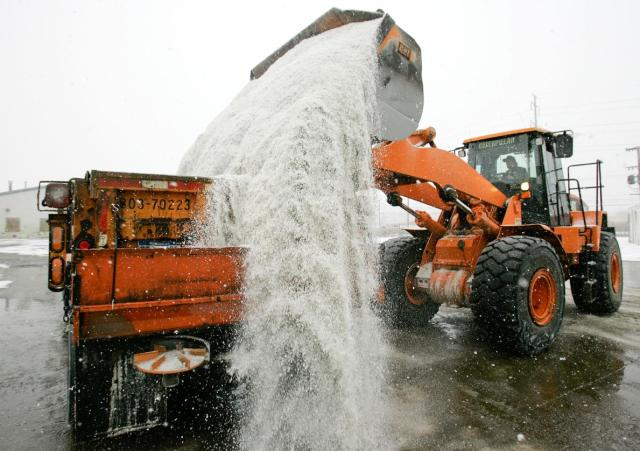

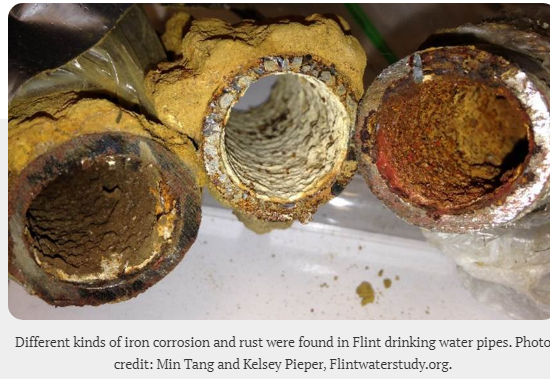
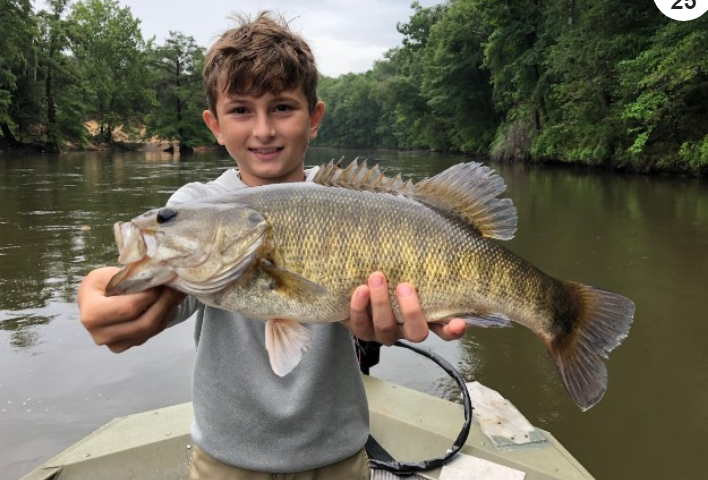


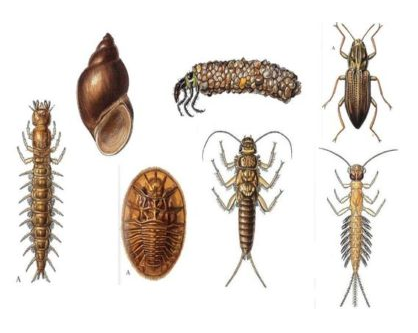


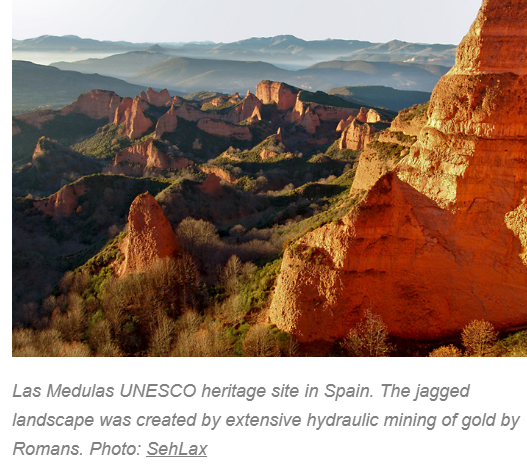
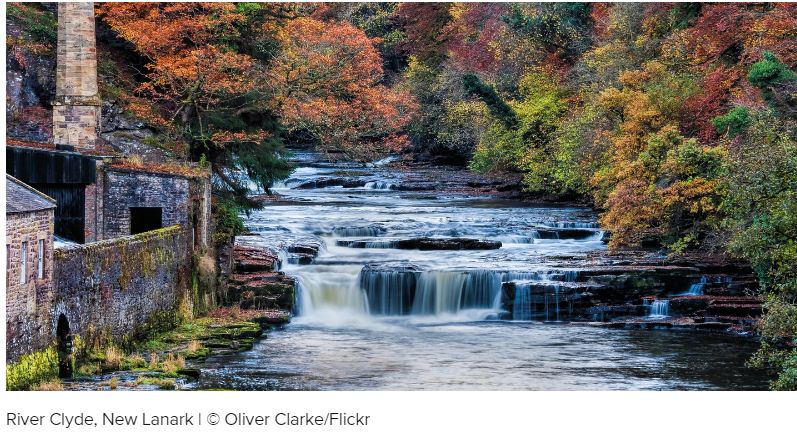



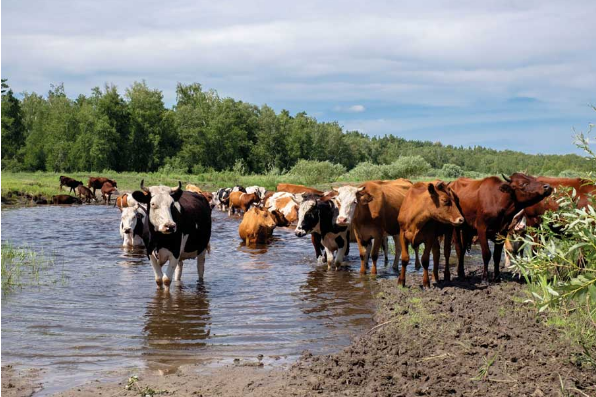
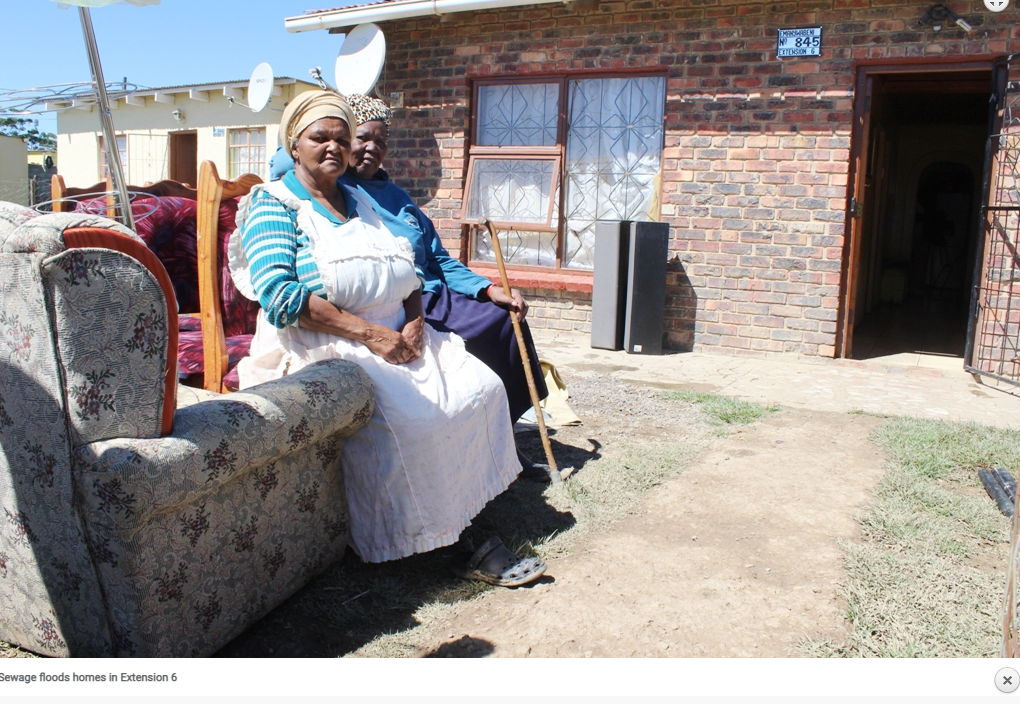


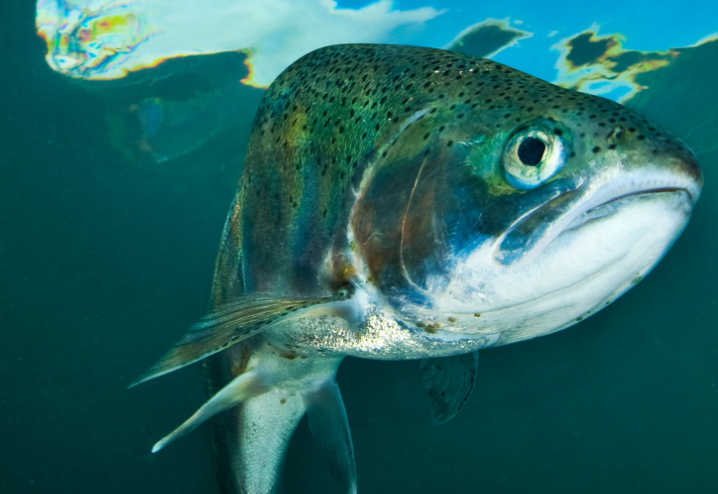


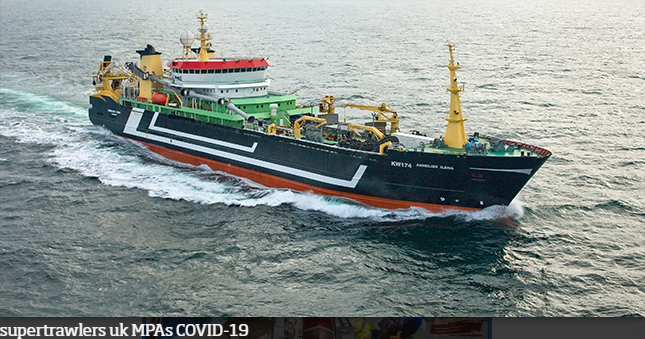
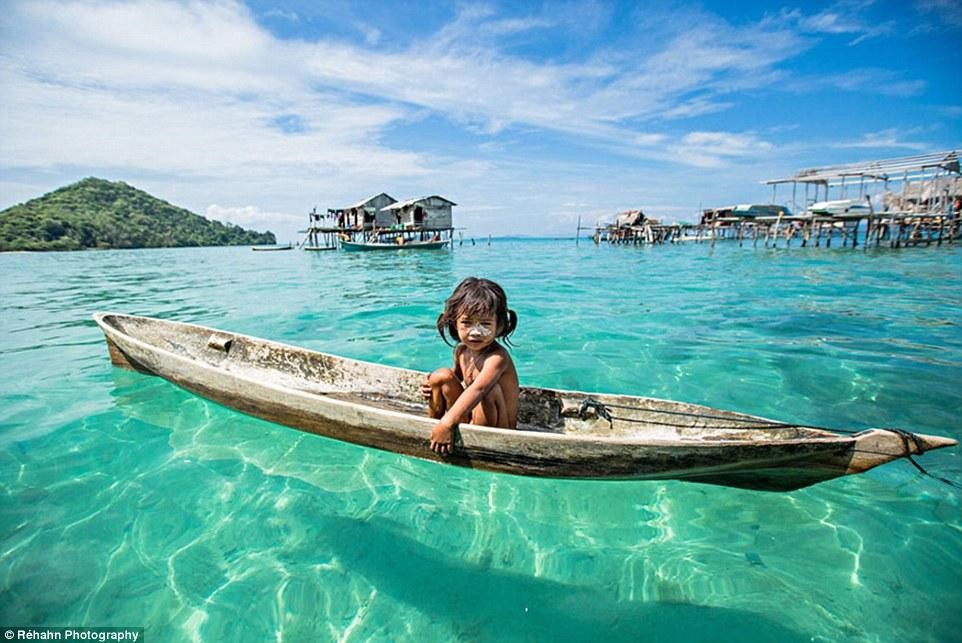
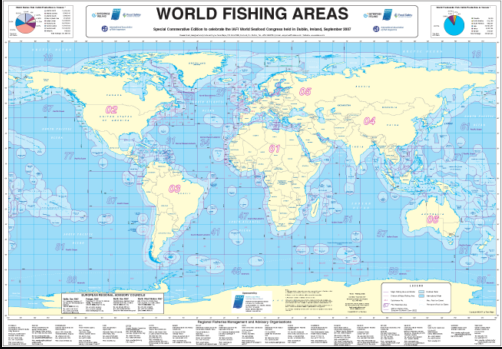
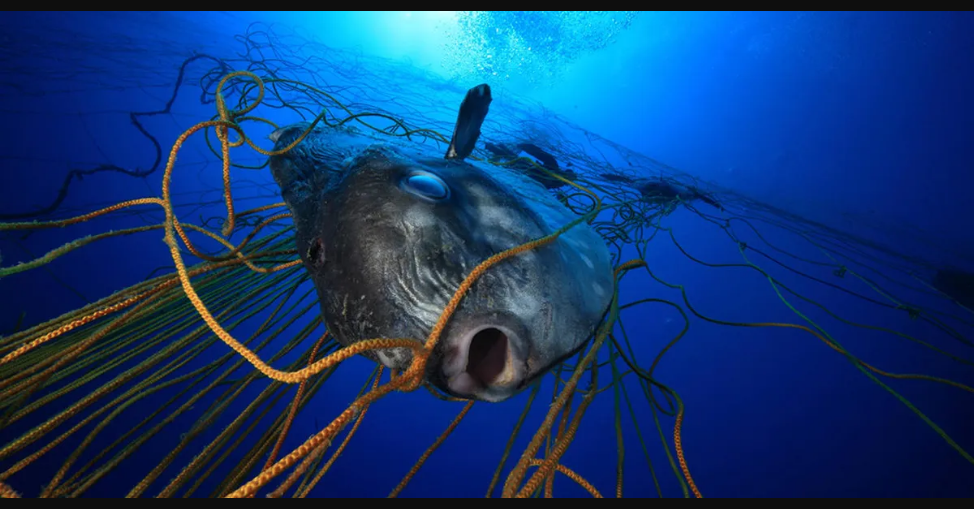

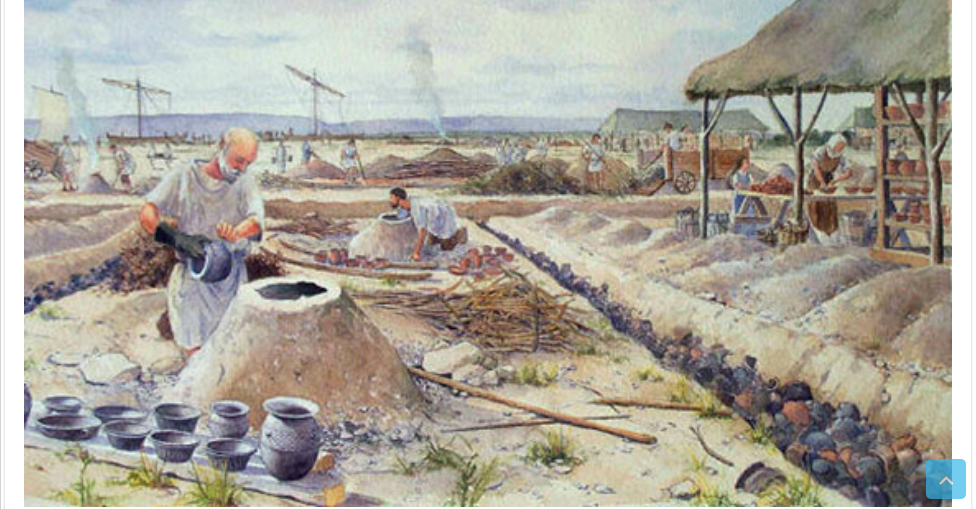

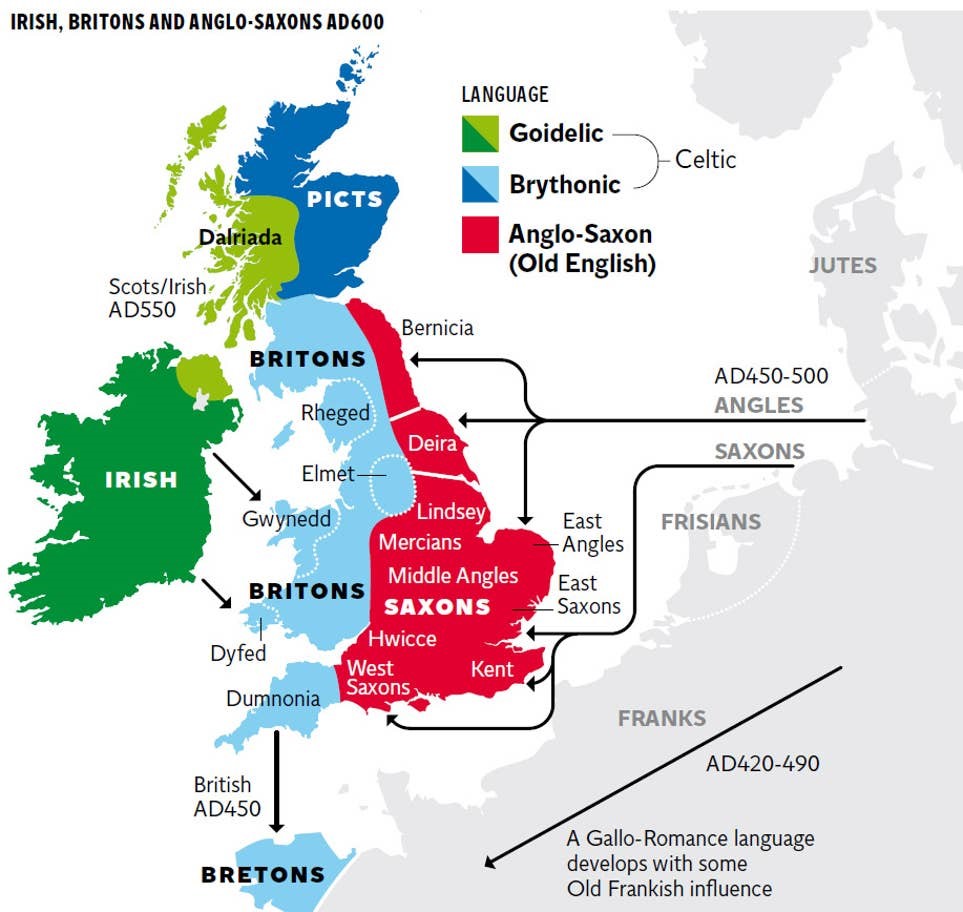
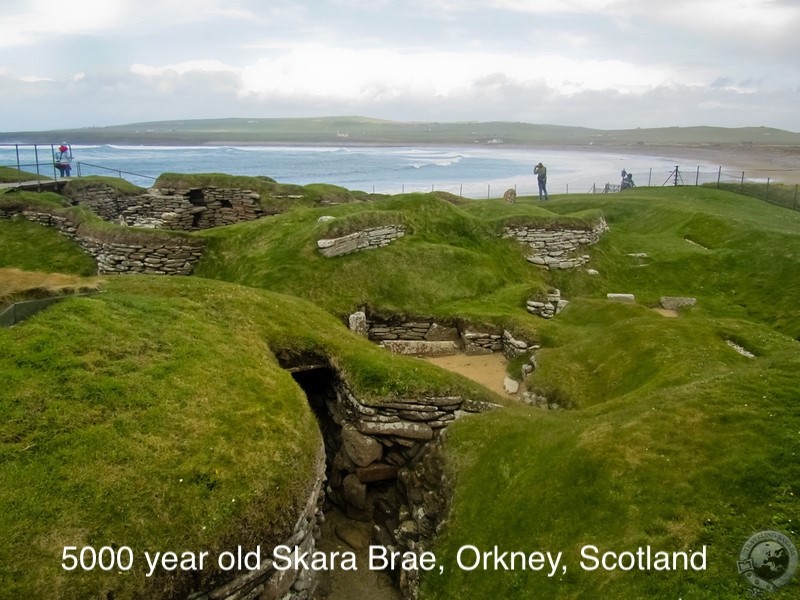


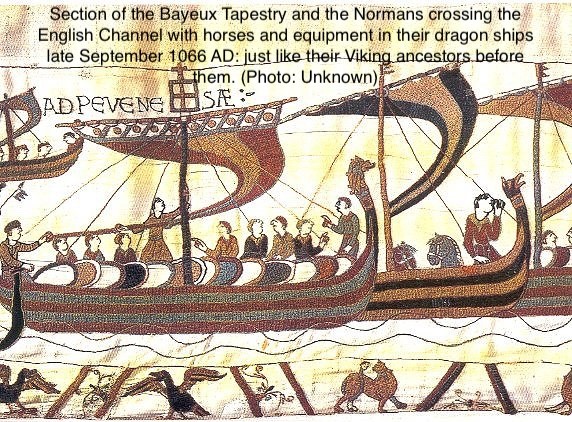
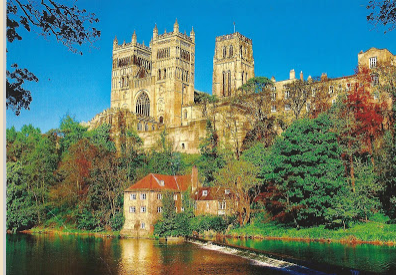
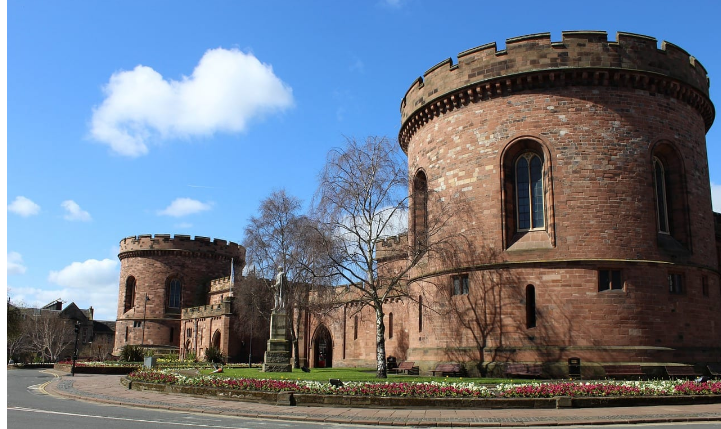


 borderslynn

You must be logged in to post a comment.